Can You Own a Car Dealership Everything You Need to Know
Can You Own a Car Dealership? The short answer is yes, but it takes planning, money, and the right licenses. This guide walks you through every step, from understanding dealership requirements to getting your car dealer license. You will learn about costs, bonding, franchise options, and common pitfalls. By the end, you will know exactly what it takes to launch a successful auto dealership business.
Have you ever wondered if Can You Own a Car Dealership? Maybe you have always dreamed about running your own auto business. The idea of selling cars, building a team, and being your own boss is exciting. But the road to dealership ownership is not as simple as just signing some papers.
The truth is, Can You Own a Car Dealership depends on several factors. Your state has specific rules. You need a license, a bond, a physical lot, and a solid business plan. The good news is that thousands of people do it every year. With the right preparation, you can join them.
This guide breaks down everything you need to know. We cover the types of dealerships, the costs involved, the licensing process, and the mistakes most beginners make. Whether you want a small independent shop or a large franchise, this article has you covered.
Let us dive into the details and answer the big question: Can You Own a Car Dealership and how do you make it happen?
Key Takeaways
- You can own a car dealership: There is no special degree required, but you must meet state licensing and bonding requirements.
- Costs vary widely: Starting a dealership can range from $50,000 to over $500,000 depending on the type and location.
- Two main license types exist: Retail licenses let you sell to the public, while wholesale licenses allow sales to other dealers.
- A dealer bond is mandatory: Most states require a bond to protect consumers, typically ranging from $25,000 to $100,000.
- Common mistakes hurt new owners: Skipping education, underestimating costs, and ignoring local zoning laws are frequent pitfalls.
- Franchise vs. independent: Franchises offer brand support but cost more, while independent dealerships give you full control.
- Education helps: Completing a dealer course can speed up your application and improve your chances of approval.
📑 Table of Contents
What It Takes to Own a Car Dealership
Owning a car dealership is a real business. It is not just about buying and selling cars. You are running a company that must follow strict rules. The first thing to understand is that every state has its own set of dealership requirements. These rules exist to protect consumers and keep the auto industry fair.
So, Can You Own a Car Dealership without any experience? Yes, but experience helps a lot. Many successful dealership owners started with no background in cars. They learned as they went. However, having some knowledge about vehicles, sales, or business management gives you a big advantage.
Basic Requirements for Dealership Ownership
Before you can open your doors, you must meet several basic requirements. Here is what most states ask for:
- A valid business license from your city or county
- A car dealer license from your state’s motor vehicle agency
- A dealer bond to protect customers
- A physical dealership location that meets zoning laws
- A business plan that shows how you will operate
- Proof of insurance that covers dealership operations
- A designated dealer principal who oversees the business
These requirements might sound like a lot. But they are designed to make sure you run a professional and honest business. Most states also require you to complete a dealer education course before you apply for your license.
Why Dealership Regulations Exist
You might wonder why there are so many rules. The auto industry has a long history of shady practices. Unscrupulous sellers would trick customers with bad cars and hidden fees. Car dealership regulations were put in place to prevent this. They ensure that every dealer operates transparently and fairly.
When you follow these rules, you build trust with your customers. Trust leads to repeat business and referrals. So the regulations actually help you succeed in the long run.
Types of Car Dealerships You Can Start
Not all dealerships are the same. When you ask Can You Own a Car Dealership, you need to decide what kind of dealership fits your goals and budget. There are several types to consider.
Franchise Dealerships
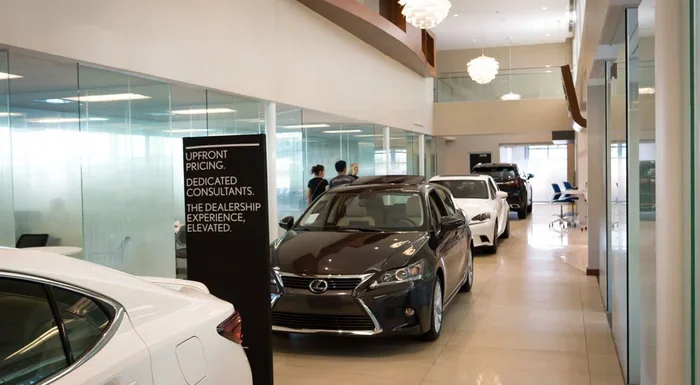
A franchise dealership means you sell cars under a specific brand. Think of a Ford dealer or a Toyota dealer. You pay the manufacturer for the right to sell their vehicles. In return, you get access to their brand name, inventory, and support systems.
Franchise dealerships can be very profitable. The brand recognition draws customers to your lot. However, they also come with high costs. You may need a large facility, a significant inventory investment, and a strong financial background. Manufacturers often have strict requirements for franchise owners.
Independent Dealerships
An independent car dealership is not tied to any manufacturer. You can sell used cars, new cars from multiple brands, or a mix of both. Many successful dealerships start as independent operations.
The biggest advantage is flexibility. You choose your inventory, set your prices, and run your business your way. The downside is that you do not have a big brand behind you. You must build your reputation from scratch.
Wholesale and Retail Dealerships
Can You Own a Car Dealership that only sells to other dealers? Yes. A wholesale dealer license allows you to sell vehicles to other dealers, not to the general public. These dealerships often operate from smaller lots or even office buildings.
A retail dealer license lets you sell directly to consumers. This is the most common type of dealership. Most states require a retail license if you want to sell cars on a lot that customers visit.
Online-Only Dealerships
With the rise of e-commerce, some dealers now operate mostly or entirely online. They sell cars through websites and deliver them to customers. You still need a physical lot and a license in most states. But the online model can reduce overhead costs significantly.
The Costs of Opening a Car Dealership
Money is one of the biggest factors when you ask Can You Own a Car Dealership. The answer depends heavily on how much capital you have. Starting a dealership requires a significant financial investment. Let us break down the main costs.
Startup Costs Breakdown
Here is a realistic look at what it costs to open a dealership:
- Dealership license and fees: $500 to $5,000 depending on your state
- Dealer bond: $25,000 to $100,000 (the bond amount, not the cost to get it)
- Bond premium: Typically 1% to 10% of the bond amount, so $250 to $10,000
- Lot lease or purchase: $2,000 to $20,000 per month for a retail lot
- Building and signage: $10,000 to $100,000+ depending on size
- Initial inventory: $50,000 to $500,000+ for your first stock
- Office equipment and technology: $5,000 to $20,000
- Insurance: $3,000 to $15,000 per year
- Marketing and advertising: $2,000 to $10,000 to start
- Legal and accounting fees: $3,000 to $10,000
As you can see, the total dealership startup costs can add up fast. A small independent used car lot might start at around $50,000 to $100,000. A larger franchise operation can easily exceed $500,000.
Ongoing Operating Costs
Starting the business is only half the battle. You also need money to keep it running. Ongoing dealership costs include lot rent, payroll, inventory restocking, advertising, and utilities. Many new dealers underestimate these monthly expenses.
A good rule of thumb is to have at least six months of operating expenses saved before you open. This gives you a financial cushion while you build your customer base.
How to Get a Car Dealer License
The car dealer license application process is the most important step. Without a license, you cannot legally sell cars. The process varies by state, but there are common steps that apply everywhere.
Step-by-Step Licensing Process
Here is a general roadmap for getting your vehicle dealer license:
- Complete a dealer education course. Most states require this before you apply. The course covers laws, ethics, and business practices.
- Choose your business structure. Decide if you will operate as an LLC, corporation, or sole proprietorship.
- Register your business. File with your state and get an EIN from the IRS.
- Secure a physical location. Your dealership must have a real address that meets zoning requirements.
- Get a dealer bond. Contact a bonding company to obtain the required bond for your state.
- Apply for your license. Submit your application, fees, bond, and other documents to the state motor vehicle agency.
- Pass the inspection. Many states inspect your lot, office, and signage before approving your license.
- Receive your license. Once approved, you can legally begin selling vehicles.
The entire process can take anywhere from a few weeks to several months. Can You Own a Car Dealership without a license? Absolutely not. Operating without a valid dealer license can result in heavy fines and even criminal charges.
Dealer Education Requirements
Most states require you to complete a dealer education course before applying. These courses are available online and in person. They typically cost between $100 and $500. The courses teach you about advertising laws, consumer protection rules, and proper business operations.
Some states also require you to pass a written exam. The exam tests your knowledge of state-specific dealership laws. Study materials are usually available through your state’s motor vehicle department.
Common Mistakes New Dealership Owners Make
Learning from other people’s mistakes is one of the best ways to succeed. Many new dealership owners make avoidable errors that cost them time and money. Here are the most common pitfalls.
Underestimating Startup Costs
The biggest mistake is not having enough money. Many beginners calculate the cost of inventory but forget about licensing fees, bonds, lot rent, and advertising. Always budget more than you think you need. A dealership financial plan should include a buffer for unexpected expenses.
Ignoring Zoning Laws
Not every property can be used as a dealership. Local zoning laws dictate where you can operate. Before you sign a lease or buy property, check with your city planning department. Operating from a non-compliant location can shut you down before you even start.
Skipping the Education Course
Some people try to skip the required dealer education course. This is a bad idea. The course not only fulfills a legal requirement but also gives you valuable knowledge. It prepares you for the real challenges of running a dealership.
Buying Too Much Inventory Too Soon
New owners often buy more cars than they can afford. Excess inventory ties up your cash flow and increases your costs. Start small and grow as you learn your market. Quality matters more than quantity in the early days.
Neglecting Marketing
Even the best dealership will struggle without customers. Many new owners assume people will just find them. In reality, you need a strong marketing strategy from day one. Invest in a good website, social media presence, and local advertising.
Not Getting Professional Advice
Running a dealership involves complex legal, financial, and operational decisions. Do not try to do everything yourself. Hire an attorney, an accountant, and experienced advisors. Their expertise can save you thousands of dollars and many headaches.
Is Owning a Car Dealership Worth It?
After reading about all the requirements and costs, you might be wondering if it is worth it. The answer depends on your goals, your budget, and your willingness to work hard.
Can You Own a Car Dealership and make a good living? Yes, many dealership owners earn six-figure incomes. The auto industry remains strong, and demand for vehicles continues to grow. However, success does not come overnight. It takes dedication, smart planning, and a commitment to doing things right.
The rewards of dealership ownership include being your own boss, building a team, and helping customers find their perfect vehicle. There is a real sense of pride in running a business that serves your community. If you are willing to put in the work, the payoff can be substantial.
Start by researching your state’s specific requirements. Take a dealer education course. Build a detailed business plan. Network with other dealership owners. The more prepared you are, the better your chances of success.
Remember, every big dealership started as a small operation. With the right approach and a solid foundation, Can You Own a Car Dealership and build something truly great.
Expert Insights on Dealership Ownership
Industry professionals consistently emphasize the importance of preparation. According to experienced dealership consultants, the owners who succeed are those who treat the business seriously from day one. They invest in education, follow the law, and focus on customer satisfaction.
One common theme among successful owners is patience. Building a profitable dealership takes time. The first year is often the hardest. Cash flow can be tight, and you may face unexpected challenges. But owners who stay committed and keep learning tend to thrive.
Another key insight is the value of relationships. Strong connections with suppliers, other dealers, and your local community can open doors and create opportunities. The auto industry is built on trust and reputation. Make these your top priorities.
Key Takeaways
- You can own a car dealership: There is no special degree required, but you must meet state licensing and bonding requirements.
- Costs vary widely: Starting a dealership can range from $50,000 to over $500,000 depending on the type and location.
- Two main license types exist: Retail licenses let you sell to the public, while wholesale licenses allow sales to other dealers.
- A dealer bond is mandatory: Most states require a bond to protect consumers, typically ranging from $25,000 to $100,000.
- Common mistakes hurt new owners: Skipping education, underestimating costs, and ignoring local zoning laws are frequent pitfalls.
- Franchise vs. independent: Franchises offer brand support but cost more, while independent dealerships give you full control.
- Education helps: Completing a dealer course can speed up your application and improve your chances of approval.
Conclusion
The answer to Can You Own a Car Dealership is a clear yes. But owning a dealership is a serious commitment that requires planning, money, and dedication. You need the right license, a solid business plan, and enough capital to sustain yourself through the early months.
Throughout this guide, we have covered the types of dealerships, the costs involved, the licensing process, and the common mistakes to avoid. We hope this information helps you make informed decisions about your future in the auto industry.
Can You Own a Car Dealership is not just a question of ability. It is a question of preparation. Take the time to learn the rules, build your plan, and start on the right foot. With persistence and hard work, you can turn your dream of dealership ownership into a thriving reality.
Start your journey today. Research your state’s requirements, enroll in a dealer course, and take the first step toward building the business of your dreams.
Frequently Asked Questions
Do you need a business degree to own a car dealership?
No, you do not need a business degree to own a car dealership. However, having basic knowledge of business management, accounting, and sales is very helpful. Many successful dealership owners come from diverse backgrounds. What matters most is your willingness to learn and follow the rules.
How much does it cost to start a car dealership?
The cost to start a car dealership varies widely. A small independent used car lot might cost $50,000 to $100,000 to start. A larger franchise operation can cost $300,000 or more. You must account for licensing fees, bonds, lot costs, inventory, insurance, and marketing. Always budget more than you think you will need.
Can you own a car dealership without a franchise?
Yes, you can absolutely own an independent car dealership without a franchise. Many successful dealerships operate independently, selling used cars or cars from multiple brands. Independent dealerships offer more flexibility and lower startup costs compared to franchise operations.
How long does it take to get a dealer license?
The timeline varies by state but typically ranges from a few weeks to several months. The process includes completing a dealer education course, securing a location, obtaining a bond, and submitting your application. Delays can occur if your paperwork is incomplete or if your property does not meet zoning requirements.
Do you need a lot of money to start a dealership?
You need a significant amount of capital, but “a lot” is relative. A small wholesale operation can start with $20,000 to $50,000. A retail dealership with a physical lot requires more, often $100,000 or more. The key is to have enough money to cover startup costs and at least six months of operating expenses.
What is a dealer bond and why do you need it?
A dealer bond is a type of surety bond required by most states. It protects consumers if a dealer violates licensing laws or engages in unfair practices. The bond amount varies by state, typically ranging from $25,000 to $100,000. You pay a premium to a bonding company to obtain the bond, usually between 1% and 10% of the total bond amount.