Can Someone Tow My Car Without Permission Right Now
Can someone tow my car without permission? The answer is not always straightforward. Whether your vehicle can be towed without your consent depends on where you parked, local towing laws, and the specific circumstances. This guide covers your car ownership rights, when towing may be legal, and the exact steps you should take if your car is removed without your permission.
Have you ever walked out to your usual parking spot only to find your car missing? That sinking feeling is something no driver wants to experience. Can someone tow my car without permission? The short answer is yes, it can happen. But the longer answer is much more nuanced. Your rights depend on where you parked, local laws, and the specific circumstances surrounding the tow.
Every year, thousands of drivers across the country face this exact situation. A vehicle gets towed from a parking lot, a street, or even a private driveway without the owner’s knowledge or consent. It is a frustrating and often confusing experience. Understanding your towing rights is the first step toward protecting your vehicle and getting it back quickly.
In this guide, we will walk you through everything you need to know. We cover the laws, your legal protections, what to do when your car is towed without consent, and how to prevent it from happening again. Whether you are dealing with unauthorized towing right now or want to be prepared for the future, this article has you covered.
Key Takeaways
- Your car can be towed without permission in certain situations: Private property rules, parking regulations, and abandoned vehicle laws may allow towing even without your direct consent.
- You have legal rights: Unauthorized towing may violate state and local laws, and you can take action to recover your vehicle and seek compensation.
- Always check for signage: Parking lot signs, tow away zone markers, and property notices are your first line of defense against unexpected towing.
- Act quickly if your car is towed: Contact local authorities, gather documentation, and file a towing dispute if the tow was illegal.
- Prevention is the best strategy: Smart parking habits and awareness of local parking enforcement rules can keep your vehicle safe.
- roadside assistance can help: Services like AAA or insurance roadside coverage may assist with vehicle recovery costs.
- Know your state’s towing laws: Towing laws by state vary significantly, so understanding your local regulations is essential.
📑 Table of Contents
What Happens When Someone Tows Your Car Without Permission
Finding your vehicle gone is one of the most stressful moments a driver can face. You might feel angry, confused, or even panicked. Can someone tow my car without permission and get away with it? In many cases, the answer depends on a variety of factors. Let us break down what typically happens and why.
The Immediate Shock and Stress
The moment you realize your car is missing, your heart drops. You look around the parking area. There is no sign. No warning. Just an empty space where your vehicle used to be. This is a common experience for drivers who face unauthorized towing. The stress is real and completely valid.
Most drivers immediately start calling their insurance company. Others try to retrace their steps. Did they park in a tow away zone? Was there a sign they missed? These questions race through your mind in seconds. The emotional toll is significant, especially if you rely on your car for work, school, or family duties.
Many people also worry about the cost. Towing fees, daily storage charges, and impound fees can add up quickly. A simple vehicle recovery can end up costing hundreds of dollars. This is why understanding the rules around consent for towing is so important for every driver.
Common Scenarios of Unauthorized Towing
Unauthorized towing happens in several common situations. Understanding these scenarios can help you recognize when your towing rights have been violated:
- Parking on private property without clear consent. Sometimes a tow truck company will tow a vehicle from private property even if the driver did not see a “No Parking” sign or did not understand the rules.
- Residential driveway towing. A neighbor or property management company may have your car towed if it blocks their driveway, even partially.
- Street towing after hours. Some cities have strict parking regulations that allow vehicles to be towed if they are parked illegally on public streets.
- Private lot towing at shopping centers. Malls, grocery stores, and office parks often hire parking enforcement teams to manage their lots and remove vehicles that violate their rules.
- Expired meter or time limit violations. In some areas, vehicles left beyond the allowed time are subject to parking lot towing without prior warning.
Each scenario has different legal implications. The key is understanding whether the tow was legal or whether it falls under illegal towing practices. Not every tow is unlawful, but many drivers do not know their rights until it is too late.
Your Legal Rights When Your Car Is Towed Without Permission
So, can someone tow my car without permission and still be within the law? The answer is complicated. In some cases, yes. In others, absolutely not. Your car ownership rights are protected by state and local laws, but those laws vary widely. Let us look at what the law says.
Understanding Property and Ownership Rights
As a vehicle owner, you have certain rights. Your car is your property, and taking it without your permission is generally not allowed. This is the foundation of car ownership rights. However, there are exceptions. When you park on someone else’s property, you are essentially asking for permission to be there. If the property owner has posted clear rules, you are expected to follow them.
The concept of property owner rights plays a big role here. If a business or homeowner has a valid reason to tow your vehicle and has followed proper procedures, the tow may be legal. But if they have not followed the rules, you have strong grounds to challenge the tow.
What the Law Says About Unauthorized Towing
Most states have specific laws governing the towing industry. These laws set rules for how a tow truck company must operate. For example, many states require tow companies to:
- Provide a written receipt and documentation of the tow.
- Store the vehicle in a safe and secure location.
- Allow the owner to retrieve personal belongings from the vehicle.
- Follow specific procedures before towing a vehicle from private property.
- Display their license number and contact information on the tow truck.
If a tow truck company fails to follow these procedures, the tow may be considered unauthorized towing. You can then file a complaint with your local authorities or pursue legal action. Towing laws by state differ, so it is always a good idea to familiarize yourself with the regulations in your area.
Illegal Towing: What Counts?
Not every tow is illegal. But certain practices are widely considered illegal towing. These include:
- Towing a vehicle without displaying proper signs on the property.
- Towing a vehicle that is clearly not blocking anything or causing a hazard.
- Charging excessive fees that are not disclosed upfront.
- Towing a vehicle without providing the owner any way to contact the tow company.
- Removing a vehicle from a public street without proper authorization from local authorities.
If you believe you have been a victim of illegal towing, you should document everything. Take photos, keep all receipts, and write down the names of any witnesses. This evidence will be valuable if you decide to file a towing dispute.
When Is Towing Without Permission Legal?
Here is where things get tricky. Can someone tow my car without permission in situations where it is actually legal? Yes. There are several scenarios where towing without your direct consent is permitted under the law. Understanding these can help you avoid surprise tows in the first place.
Towing on Private Property
Private property owners generally have the right to tow vehicles that are parked on their land without permission. This is one of the most common reasons for private property towing. If you park in a private lot, a residential complex, or a business parking area, you are subject to the rules of that property.
Most property owners must follow specific rules, however. They usually need to:
- Post clear and visible “No Parking” or “Towing Enforced” signs.
- Provide a reasonable way for the owner to retrieve their vehicle.
- Follow state-specific procedures for the towing process.
- Not tow a vehicle that is clearly disabled or inoperable without proper cause.
If a property owner skips these steps, the tow may be challenged as unauthorized towing. Always look for signs when parking on private property. If you do not see any, ask a manager or owner before leaving your vehicle.
Abandoned Vehicle Laws
Every city and county has laws about abandoned vehicles. If a car has been parked in the same spot for an extended period without movement, local authorities may deem it abandoned. In these cases, the vehicle can be towed without the owner’s permission.
Signs that a vehicle might be considered abandoned include:
- No movement for several weeks or months.
- Flat tires, broken windows, or visible damage.
- Expired registration plates.
- Accumulation of trash or debris around the vehicle.
If your car is towed under abandoned vehicle laws, you will typically need to pay vehicle recovery fees and provide proof of ownership. This is why it is important to move your car regularly if it will be parked in the same spot for a long time.
Emergency and Public Safety Situations
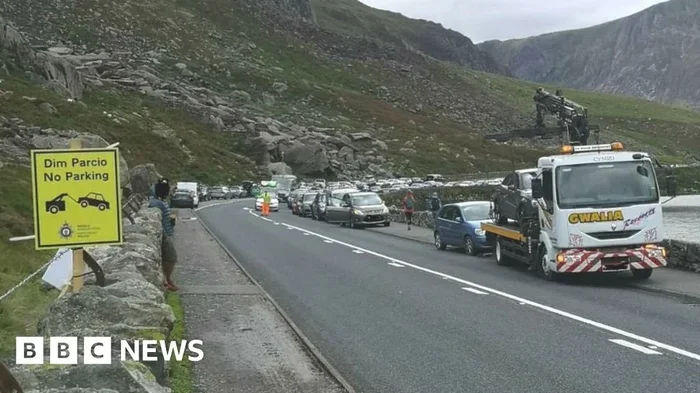
There are also situations where public safety overrides your parking choice. If your vehicle is blocking a fire hydrant, a crosswalk, a bus stop, or an emergency lane, it can be towed immediately. Tow away zones are designated areas where parking is strictly prohibited for safety reasons.
These rules exist to protect everyone. Even if you think your parked car is not causing a problem, if it is in a restricted area, a parking enforcement officer or tow truck driver may remove it. Always check for parking regulations before leaving your vehicle in any unfamiliar area.
What to Do If Someone Tows Your Car Without Your Consent
If you return to find your car gone, do not panic. There are clear steps you can take to handle the situation calmly and effectively. Knowing what to do can save you time, money, and stress.
Step-by-Step Actions to Take
Follow these steps if you discover your vehicle has been towed without your permission:
- Stay calm and look for clues. Walk around the area and look for any towing signs or notices. Check if there were any markings on the pavement.
- Contact local police non-emergency line. Report the situation and ask if the tow was authorized. Police can often tell you which tow company removed the vehicle and where it was taken.
- Call the local impound lot. Find out the location of your vehicle and the fees required for release. Impound lots are required to provide this information.
- Gather all documentation. Collect any receipts, photos, or witness statements that support your claim that the tow was unauthorized.
- Contact your insurance company. Some policies cover vehicle recovery costs or roadside assistance after an unauthorized tow.
- File a complaint if necessary. If you believe the tow was illegal, file a complaint with your local consumer protection agency or city hall.
Acting quickly is important. Most impound lots charge daily storage fees, and the longer you wait, the more it will cost. The sooner you take action, the better your chances of recovering your vehicle affordably.
How to Recover Your Vehicle
Recovering a towed vehicle involves a few practical steps. First, you need to confirm the location of your car. You can call the non-emergency police line or check with local tow companies. Most cities have a central database of towed vehicles.
Next, bring the required documents to the impound lot. These typically include:
- A valid driver’s license.
- Vehicle registration papers.
- Proof of insurance.
- Payment for towing and storage fees.
If you believe the tow was illegal, you have the right to dispute it. You can contact a towing dispute attorney or file a complaint with your local consumer affairs office. In some cases, you may be entitled to compensation for unreasonable fees or damages caused during the tow.
Some drivers also use roadside assistance memberships from companies like AAA or their insurance provider. These services can help negotiate fees, arrange vehicle recovery, and provide guidance throughout the process.
How to Prevent Unauthorized Towing of Your Vehicle
Prevention is always better than cure. Taking a few simple precautions can protect you from the stress and expense of having your car towed without permission. Here are some practical tips every driver should follow.
Parking Smart to Protect Your Vehicle
The best way to avoid unauthorized towing is to park wisely. Always choose well-lit, clearly marked parking areas. If you are parking on private property, look for signs that explain the rules. If you do not see any signs, ask the property owner or manager for permission before leaving your vehicle.
Some other smart parking habits include:
- Avoid parking in spots that look narrow or restricted.
- Do not park in front of driveways, fire hydrants, or crosswalks.
- Set a reminder to move your car if you are parking in a time-limited spot.
- Use your phone to take a photo of the parking area and any signs before leaving.
- Consider a roadside assistance plan that covers towing disputes and vehicle recovery.
Signs and Notices to Watch For
When you park anywhere, take a moment to look for signage. Key signs to watch for include:
- “No Parking” signs with specific time restrictions.
- “Tow Away Zone” markers on streets and lots.
- “Private Property — Towing Enforced” signs at the entrance of lots.
- Time limit signs in shopping center or residential parking areas.
- Handwritten or printed notices on your windshield (these are sometimes left by property owners before calling a tow truck).
If you see any of these signs, take them seriously. They are there for a reason. Ignoring them can lead to an unexpected towed car recovery situation and unnecessary expenses.
Building a Relationship with Property Managers
If you regularly park in the same lot or complex, introduce yourself to the property manager. Let them know your parking habits. This simple step can prevent misunderstandings and reduce the risk of parking lot towing. Property managers are more likely to give you a warning than call a tow truck if they know you and trust you.
Conclusion
Can someone tow my car without permission? Yes, in certain situations. But you are not without protections. Understanding your towing rights, knowing the difference between legal and illegal towing, and taking preventive steps can save you from a lot of trouble.
If your car is towed without your consent, act quickly. Gather documentation, contact the authorities, and explore your options for vehicle recovery. You may also have grounds for a towing dispute if the tow violated local regulations or industry standards.
Remember, parking smart is your first line of defense. Always check for signs, follow parking regulations, and respect property rules. These small habits can make a big difference. Stay informed, stay prepared, and do not let unauthorized towing catch you off guard.
Frequently Asked Questions
Can my car be towed from my own driveway without permission?
Generally, no. If your car is parked on your own private driveway, a tow company should not remove it without your consent. However, if a vehicle is blocking a public sidewalk or violating local ordinances, authorities may intervene. Always check your local towing laws by state for specific rules about residential towing.
What should I do immediately after finding my car towed without my consent?
Stay calm and gather information. Look for any towing signs in the area, call the local police non-emergency line to find out which company towed your vehicle, and get the impound lot location. Bring your driver’s license, registration, and insurance documents when you go to retrieve your car. Acting quickly helps minimize storage fees.
Is unauthorized towing illegal in all states?
Not necessarily. Whether unauthorized towing is illegal depends on the specific circumstances and local laws. Some tows on private property are legal if proper signs and procedures were followed. However, if a tow truck company fails to follow required procedures, the tow may be considered illegal. You can file a towing dispute with your local consumer protection agency.
How much does it cost to recover a towed car?
Costs vary widely depending on your location and the situation. Towing fees typically range from $75 to $200, and daily impound storage charges can add $20 to $50 per day. If the tow was illegal, you may be able to dispute the fees or seek compensation. Some roadside assistance plans cover part or all of these costs.
Can I sue someone for towing my car without permission?
Yes, you can pursue legal action if your car was towed without proper authorization. If you can prove the tow was illegal or violated towing company regulations, you may be entitled to compensation for towing fees, storage charges, and any damages. Consulting a towing dispute attorney can help you understand your options and the strength of your case.
How can I protect my car from being towed without my knowledge?
The best protection is awareness. Always check for parking signs before leaving your vehicle, avoid tow away zones, and respect property rules. If you frequently park in the same area, build a relationship with property managers. Consider enrolling in a roadside assistance program and keep photos of your parking spot for documentation. These steps can significantly reduce the risk of an unexpected tow.