Can I Use My Handicap Placard in Another Car Explained
Yes, you can generally use your handicap placard in another car. The placard hangs from the rearview mirror and moves with you, not the vehicle. However, specific rules vary by state, and misuse can lead to fines or revocation.
If you rely on a disability parking permit, you have probably wondered about the rules for using it in different situations. One common question is whether you can use your handicap placard in another car. The short answer is yes, in most cases. But the details matter a lot. Let us break it all down so you know exactly what to expect.
Navigating the world of disability parking can feel confusing. There are rules about where to park, how to display your tag, and whether the permit follows you or the vehicle. This article clears up the confusion. We will walk through the laws, common mistakes, and practical tips to keep you on the right side of the rules. Whether you use a temporary disability placard or a permanent one, this guide has you covered.
Key Takeaways
- You can use your placard in another car: The disability parking tag is portable and tied to you, not the vehicle.
- Hanging location matters: Always display the placard from the rearview mirror where it is clearly visible.
- Rules vary by state: Each state has its own disabled parking regulations and enforcement policies.
- Never lend your placard: Letting someone else use your tag is illegal and can result in serious penalties.
- Penalties are real: Misuse can lead to fines, placard confiscation, and even loss of parking privileges.
- Renewal is essential: Expired placards are not valid, even in your own car.
- Know your local laws: Staying informed keeps you compliant and protects your parking rights.
📑 Table of Contents
- Can You Use Your Handicap Placard in Another Car?
- Rules for Using Your Placard in Someone Else’s Vehicle
- Common Mistakes People Make with Handicap Placards
- What Happens If You Violate Placard Rules?
- Tips for Using Your Placard Responsibly in Any Vehicle
- How to Apply for or Renew Your Handicap Placard
- Frequently Asked Questions
- Conclusion
Can You Use Your Handicap Placard in Another Car?
The quick answer is yes. Your handicap placard is a portable disability parking permit. It belongs to you, not to any specific car. This means you can hang it in a friend’s vehicle, a rental car, a taxi, or even a family member’s SUV. The tag moves with you wherever you go.
Think of it like a library card. The card is yours, and you can use it at any branch. Your disability parking tag works the same way. It grants you access to accessible parking spaces no matter which vehicle you are riding in. The key is that you must be the one using the placard or be a passenger in the car.
However, there are important exceptions and rules to keep in mind. Not every state handles this the same way. Let us look at the specifics so you are fully prepared.
How Portable Placards Work
A portable disability parking placard is designed to be mobile. You hang it from your rearview mirror when you park. When you leave the car, you take it with you. This is different from a permanent placard that is mounted on a specific vehicle’s windshield.
Most states issue portable placards for people with temporary disabilities or those who frequently switch between vehicles. If your doctor certifies that you need accessible parking, you will likely receive a portable tag. This tag gives you the same parking privileges whether you are driving or riding as a passenger.
Here is how it works in practice:
- You drive your friend’s car to the grocery store. You hang your placard from the rearview mirror. You park in an accessible space. You are good to go.
- You ride in a taxi and need to park nearby. You can display your tag and use the accessible spot. The taxi driver does not need their own permit.
- You rent a car for a vacation. Your disability parking tag still works. You just need to hang it properly.
The portable nature of the placard is a huge convenience. It gives people with disabilities the freedom to travel without worrying about parking access.
When You Cannot Use Your Placard in Another Car
There are a few situations where using your placard in another car is not allowed. Understanding these exceptions helps you avoid fines and legal trouble.
First, you cannot let someone else use your placard when you are not present. If your friend parks their car in an accessible space using your tag while you are at home, that is a violation. The placard must be used by the person it was issued to or by that person as a passenger.
Second, expired placards are invalid everywhere. Even if it is your own car, an expired tag does not grant you accessible parking privileges. Always check your renewal date before you park.
Third, some states have specific rules about out-of-state placards. If you are visiting another state, your home state placard is generally valid. But a few states have stricter rules or shorter validity periods for out-of-state tags. Always check the local laws before you travel.
Rules for Using Your Placard in Someone Else’s Vehicle
Using your disability parking permit in another car is straightforward, but there are rules you must follow. These rules ensure that accessible parking spaces are reserved for people who truly need them.
Proper Display of Your Placard
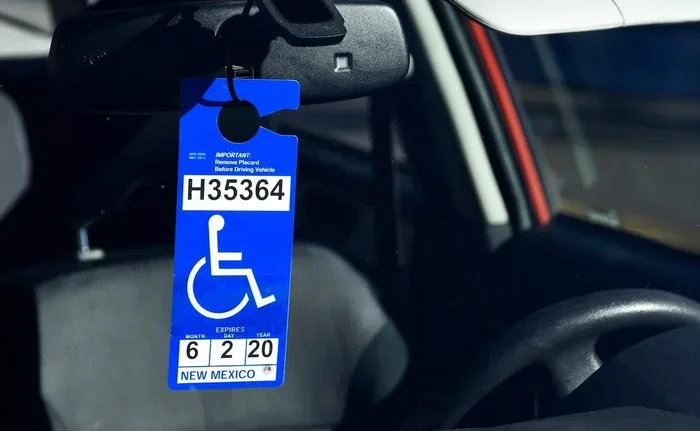
Where you hang your placard matters. In almost every state, you must display the tag from the rearview mirror. It should be clearly visible through the windshield. If the placard is hidden under a seat or tucked in the glove box, you could be fined.
Here are the basic display rules:
- Hang the placard from the rearview mirror.
- Make sure it is visible through the front windshield.
- Do not place it on the dashboard where it might fall.
- Remove the placard when you are not parking in a disabled spot.
Some states also require the placard to face a specific direction. Check your local DMV guidelines to be sure. A simple mistake like hanging the tag upside down can sometimes lead to a ticket.
Who Can Use the Placard
The disability parking tag is issued to a specific individual. Only that person can use it. This means your spouse, your adult child, or your friend cannot use your placard unless you are with them and they are a passenger in the vehicle.
This rule exists to prevent abuse of the system. Accessible parking spaces are limited and serve a vital purpose. They must be reserved for people with genuine disabilities.
Here are some examples of proper and improper use:
- Proper: You drive your mother to her doctor’s appointment. She is the passenger, and you display her placard. She is the permit holder, so this is fine.
- Proper: You are a passenger in your coworker’s car. You hang your own placard and park in an accessible space.
- Improper: Your teenager uses your placard to park at the mall while you are at work. This is a violation, even if the teen has a disability diagnosis.
The bottom line is simple. The placard belongs to the person whose name is on it. It is not a family pass for every car in the household.
Common Mistakes People Make with Handicap Placards
Even well-meaning people make mistakes with their disability parking permits. Understanding these common errors can save you from unnecessary fines and headaches.
Lending the Placard to Others
This is the most common mistake. People lend their placard to friends or family members who do not have their own tag. Maybe a friend is visiting and wants to park in a convenient spot. Maybe a spouse forgot their own placard at home. Whatever the reason, lending your tag is illegal.
Accessible parking abuse is a real problem in many communities. When people lend their placards freely, it takes up spaces that people with disabilities genuinely need. If you get caught, the consequences can be serious.
Forgetting to Remove the Placard
Some people leave their placard hanging in the mirror even when they are not using an accessible space. This can confuse parking enforcement officers. In some states, leaving the placard visible while parked in a regular space can still result in a warning or fine.
The best practice is to remove the placard from the mirror when you park in a regular spot. Only display it when you are actually parking in a disabled space.
Ignoring Expiration Dates
Disability parking permits have expiration dates. Temporary placards usually expire within six months to a year. Permanent placards may last longer but still need renewal. Many people forget to renew their tag on time and end up parking with an expired permit.
Set a reminder on your phone a month before your placard expires. This gives you plenty of time to visit the DMV or complete the renewal process online. Staying on top of renewal keeps your parking privileges intact.
Using an Out-of-State Placard Incorrectly
If you travel frequently, you might use your home state placard in other states. Most states honor out-of-state disability parking permits. But a few do not. Some states require visitors to obtain a temporary local placard.
Before you travel, check the parking laws of your destination. A quick search online or a call to the local DMV can save you from an expensive ticket. Knowledge is your best defense against parking violations.
What Happens If You Violate Placard Rules?
Misusing a handicap placard can lead to serious consequences. The penalties vary by state, but they are almost always stricter than a simple parking ticket.
Fines and Penalties
If you are caught misusing your disability parking tag, you can expect a fine. In many states, fines range from $250 to $1,500 or more. Some states also impose additional fees for processing and court costs.
Repeat offenders face even harsher penalties. A second or third violation can result in higher fines, mandatory court appearances, and a permanent record of the offense.
Placard Revocation
In serious cases, your placard can be revoked entirely. This means you lose your parking privileges altogether. To get a new placard, you would need to reapply and provide updated medical certification from your doctor.
Revocation is rare for first-time offenders, but it does happen. If you are caught selling or trading placards, revocation is almost guaranteed. The system is designed to protect people with real disabilities, and abusing it has real consequences.
Impact on Your Driving Record
Some states treat placard violations as moving violations or infractions that go on your driving record. A mark on your record can affect your insurance rates and your driving privileges. It is simply not worth the risk.
Always use your placard honestly and responsibly. The few minutes it takes to follow the rules are nothing compared to the cost of a violation.
Tips for Using Your Placard Responsibly in Any Vehicle
Using your handicap placard in another car does not have to be stressful. Follow these practical tips to stay compliant and avoid trouble.
Know Your State’s Specific Laws
Every state has its own set of rules for disability parking. What applies in California may not apply in New York. Take a few minutes to learn the laws in your state and any state you plan to visit.
Most state DMV websites have clear guidelines on placard use. Bookmark the page and check it whenever you have a question. Staying informed is the easiest way to avoid violations.
Keep Your Placard Visible and Accessible
Always hang your placard from the rearview mirror before you park. Do not wait until you are walking away from the car. If a parking officer approaches and your tag is not visible, you could receive a ticket even if you have a valid permit.
Make it a habit. When you get into any car, reach up and hang the placard first. It takes two seconds and saves you from hassle later.
Carry Your Medical Certification
In some states, you may be asked to show proof of your disability parking eligibility. Keep a copy of your medical certification in the glove box or on your phone. This is especially important when using your placard in another car, as the officer may want to verify that the permit is legitimate.
Educate Your Family and Friends
Make sure everyone in your household understands the rules. Your spouse, your children, and your close friends should all know that your placard is not a free pass for anyone. Education prevents accidental misuse and keeps your family out of trouble.
Renew on Time
Set calendar reminders for your placard renewal date. Most states allow you to renew online or by mail, which makes the process quick and easy. Do not wait until the last minute, as a lapsed permit can cause problems when you need it most.
How to Apply for or Renew Your Handicap Placard
If you do not currently have a disability parking permit or if yours is expiring soon, the application process is straightforward. Here is what you need to know.
Who Is Eligible for a Handicap Placard?
Eligibility varies by state, but most states grant placards to people who meet certain medical criteria. Common qualifying conditions include:
- Limited ability to walk or move without assistance
- Need for a cane, walker, or wheelchair
- Chronic respiratory or cardiac conditions
- Severe vision impairment
- Loss of use of one or more limbs
- Temporary disabilities due to surgery or injury
Your doctor must certify that you meet the eligibility requirements. The medical certification form is usually part of the application process.
Where to Apply
You can apply for a disability parking permit through your state’s DMV or equivalent agency. Many states now offer online applications, which makes the process faster and more convenient. You will typically need:
- A completed application form
- Medical certification from your doctor
- Proof of identity and residency
- A fee, which varies by state
Processing times vary, but most states issue placards within two to four weeks. Temporary placards are often available faster, sometimes within a few business days.
Renewal Process
Renewing your placard is usually simpler than applying for a new one. Most states allow you to renew online or by mail. You may need updated medical certification if your condition has changed. Always check the expiration date and start the renewal process early.
Keep in mind that temporary placards cannot be renewed indefinitely. If your condition becomes permanent, you may need to apply for a permanent placard instead. Talk to your doctor about the best option for your situation.
Frequently Asked Questions
Can my spouse use my handicap placard when driving my car?
Yes, your spouse can use your placard when driving your car, as long as you are present in the vehicle as a passenger. The placard is tied to you, the permit holder, not the vehicle. However, your spouse cannot use the placard without you being in the car.
Can I use my handicap placard in a rental car?
Absolutely. Your disability parking tag is portable and valid in any vehicle, including rental cars. Simply hang the placard from the rearview mirror and park in an accessible space. You do not need a separate permit for the rental vehicle.
What happens if someone else uses my placard without me?
If someone else uses your placard without you present, it is considered placard abuse and is illegal. Both you and the person using the tag can face fines. The placard may also be revoked. Always keep your tag with you and only use it when you are in the vehicle.
Do I need to remove my placard when I am not parking in a disabled spot?
Yes, you should remove the placard from the rearview mirror when you park in a regular space. Leaving it visible can lead to confusion or fines in some states. Make it a habit to take it down every time you park in a standard spot.
Can I use my out-of-state handicap placard when visiting another state?
In most cases, yes. The majority of states honor out-of-state disability parking permits. However, a few states have stricter rules. Always check the parking laws of the state you are visiting before you rely on your out-of-state placard.
How long does a temporary handicap placard last?
Temporary disability placards typically last between six months and one year, depending on your state. They are designed for people recovering from surgery or dealing with short-term medical conditions. You cannot renew a temporary placard indefinitely; you must reapply if your condition persists.
Conclusion
So, can you use your handicap placard in another car? The answer is yes. Your disability parking permit is a portable tag that belongs to you, not to any specific vehicle. You can use it in your friend’s car, a rental, a taxi, or any other vehicle you are riding in. Just remember to hang it properly from the rearview mirror and follow the rules of your state.
Understanding the handicap placard rules protects you from fines and keeps accessible parking spaces available for those who truly need them. The system works best when everyone uses it honestly and responsibly. By following the guidelines in this article, you can navigate any parking situation with confidence.
Take a moment to review your state’s specific regulations. Check your placard’s expiration date. And share this information with your family and friends. Knowledge is power, and a little awareness goes a long way in keeping the parking system fair for everyone.
Your disability parking tag gives you the freedom to live your life without worrying about accessibility. Use it wisely, and it will continue to serve you well for years to come.