Can a Prius Battery Last 200000 Miles Without Replacement
So, can a Prius Battery Last 200000 Miles without replacement? Absolutely, and many owners reach that milestone. The hybrid battery in a Toyota Prius is built for durability, often outlasting 150,000 miles with proper care. This guide breaks down the real-world factors that determine Prius battery longevity, from driving habits to climate, and shares actionable tips to keep your pack healthy for the long haul.
You see a Toyota Prius humming quietly down the road, and it has 180,000 miles on the odometer. You wonder, “Can that battery really last another 20,000 miles?” The answer might surprise you. Can a Prius Battery Last 200000 Miles? Yes, and it’s more common than you think.
The hybrid battery in a Prius is not like the starter battery in a regular car. It’s a deep-cycle nickel-metal hydride (NiMH) pack designed to handle thousands of charge cycles. Many Prius owners report battery lives of 200,000 miles or more. Some even push past 250,000 miles without a replacement. So what’s the secret? It’s a mix of smart driving, climate awareness, and a little maintenance.
This guide will walk you through everything you need to know. We’ll look at how the battery works, what causes it to age, and how you can help it last. By the end, you’ll have a clear picture of whether your Prius battery can handle the long haul.
Key Takeaways
- Yes, 200,000 miles is achievable: Most Prius batteries can last well beyond 150,000 miles with basic maintenance.
- Degradation is gradual: Capacity loss happens slowly over years, not overnight.
- Climate matters a lot: Extreme heat and cold accelerate battery aging.
- Driving habits influence lifespan: Frequent deep discharges and rapid charging wear the pack faster.
- Watch for warning signs: Reduced fuel economy and dashboard alerts signal trouble.
- Replacement costs are falling: Refurbished and aftermarket options make fixing a worn battery more affordable.
- Smart charging extends life: Keeping the battery between 40% and 80% state of charge reduces stress.
📑 Table of Contents
- Can a Prius Battery Last 200000 Miles? The Real Answer
- What Affects Prius Battery Life
- How Hybrid Battery Degradation Works
- Signs Your Prius Battery Is Losing Capacity
- How to Extend Your Prius Battery’s Mileage
- Prius Battery Replacement: Cost and Process
- Real-World Prius Battery Longevity Stories
- Final Thoughts: Can You Trust Your Prius Battery to Hit 200k?
Can a Prius Battery Last 200000 Miles? The Real Answer
The short answer is yes. But the full answer depends on several factors. The Toyota Prius uses a hybrid battery that works alongside a gasoline engine. This battery stores energy from regenerative braking and assists during acceleration. Over time, the battery’s capacity slowly declines. However, a well-maintained pack can still deliver solid performance at 200,000 miles.
Toyota designed the Prius battery for longevity. The original NiMH packs in first-generation Priuses (1997-2003) often lasted well past 200,000 miles. Later models switched to lithium-ion batteries in some variants, which also show impressive durability. The key is understanding that battery life is not just about mileage. It’s about how you use the car.
Let’s break down the numbers. A new Prius battery typically holds about 1.3 kWh to 1.5 kWh of energy. Over hundreds of thousands of miles, it might lose 10% to 20% of that capacity. Even with a 20% loss, the car still runs fine. The electric motor can pull from the remaining capacity without any problem. So a “degraded” battery doesn’t mean a dead car.
What the Manufacturer Says
Toyota offers an 8-year or 100,000-mile warranty on the hybrid battery in most states. In states with California emissions standards, the warranty extends to 10 years or 150,000 miles. This warranty covers defects, not normal wear. So if your battery fails due to a manufacturing flaw, Toyota will replace it. But normal aging is expected. The warranty gives you peace of mind, but it doesn’t mean the battery dies right after. Many Prius batteries outlast the warranty by a wide margin.
Quick Tips for Early Battery Care
- Avoid letting the battery sit at 100% charge for days.
- Drive the car regularly to keep the cells balanced.
- Use the “B” mode on downhills to maximize regenerative braking.
- Keep the car in a garage when possible to shield from extreme temperatures.
What Affects Prius Battery Life
Several factors determine how long your Prius battery will last. Some you control, some you don’t. Understanding these factors helps you make smarter choices.
Driving Habits and Mileage Patterns
How you drive directly impacts battery health. Short trips with frequent stops can cause the battery to charge and discharge rapidly. This is called “shallow cycling.” It’s actually less stressful than deep cycling. But if you always drive short distances and never let the battery fully recharge, the battery management system might not balance the cells properly.
On the other hand, highway driving at steady speeds is gentle on the battery. The engine runs efficiently, and the battery gets a steady stream of charge from regenerative braking. If you live in a city with lots of stop-and-go traffic, you might think that’s bad. But regenerative braking actually charges the battery during deceleration. So city driving can be good, as long as you don’t constantly drain the battery to empty.
Here’s a simple rule: try to keep the battery’s state of charge between 40% and 80%. Avoid running it down to 0% regularly. Also, don’t always charge it to 100% if you’re not driving far. A partial charge reduces stress on the cells.
Climate and Temperature Extremes
Heat is the biggest enemy of any battery. High temperatures accelerate chemical reactions inside the cells, which speeds up degradation. If you live in a hot desert climate, your Prius battery might age faster than one in a mild coastal area. Extreme cold also causes problems. In freezing temperatures, the battery’s internal resistance increases, reducing its ability to deliver power.
Toyota built the Prius battery with a cooling system, but it’s not perfect. Parking in the shade or a garage helps. In winter, plugging in a battery heater (if available) can keep the pack warm. If you live in an area with harsh winters, you might notice a slight drop in fuel economy. That’s normal. The battery is working harder to stay warm.
Quick Tips for Climate Protection
- Park indoors or under shade whenever possible.
- In hot climates, avoid leaving the car in direct sun for days.
- In cold climates, use a battery tender or trickle charger if the car sits unused for weeks.
- Consider a battery heater blanket for extreme winter storage.
How Hybrid Battery Degradation Works
Battery degradation is a natural process. Every time you charge and discharge the hybrid battery, the electrodes slowly lose their ability to hold a full charge. This happens in all rechargeable batteries, from your phone to your car. In a Prius, the degradation is very slow. A healthy battery might lose only 1-2% of capacity per year under normal conditions.
The Role of Cell Imbalance
The battery pack contains many individual cells. Over time, some cells might degrade faster than others. This is called cell imbalance. When one cell is weaker, the entire pack’s performance drops. The battery management system tries to compensate, but it can’t fix a dead cell forever. You might notice the car shifting to gasoline-only mode more often. Or the battery warning light might appear on the dashboard.
Cell imbalance is the most common reason for premature battery failure. It’s not that the whole pack is dead. It’s usually one or two weak cells dragging down the rest. Replacing just the bad modules (not the whole pack) can save you thousands of dollars. Many shops specialize in battery module replacement.
Common Mistakes That Shorten Battery Life
Some habits quietly kill your battery faster. Avoid these common mistakes:
- Leaving the car parked for months: A deeply discharged battery can suffer permanent damage. If you won’t drive for a while, start the car and let it run for 15 minutes every week.
- Ignoring the “turtle” light: If the battery warning light flashes, don’t ignore it. It means the system is in protective mode. Continuing to drive hard can cause further damage.
- Using aftermarket chargers carelessly: Not all chargers are compatible with hybrid batteries. Use only smart chargers designed for NiMH or lithium-ion packs.
- Over-relying on electric-only mode: Running solely on battery power for long distances drains the pack deeply. The gasoline engine is there to help; let it assist.
Signs Your Prius Battery Is Losing Capacity
You don’t need a mechanic to spot a dying battery. Your car gives you clear signals. Watch for these signs:
- Reduced fuel economy: If your MPG drops noticeably, the battery might not be holding enough charge to assist the engine.
- Increased engine noise: The gasoline engine runs more often if the battery can’t provide boost. You’ll hear it more.
- Battery warning light: A red or yellow triangle with an exclamation point appears. This means the battery management system has detected a fault.
- Reduced electric-only operation: At low speeds, the car should run on electric power. If it switches to gas too early, the battery is weak.
- Slow regeneration: When you brake, the battery should absorb energy. If you feel the brake pedal vibrating more, regeneration might be failing.
Expert Insight: The “Battery Icon” Myth
Many Prius owners panic when they see the battery icon on the dashboard. But that icon doesn’t always mean the battery is dead. Often, it just means the state of charge is low. The car is designed to keep the battery between certain limits. If you see the icon, try driving for a few miles. The icon usually goes away. If it stays, get a diagnostic check. A scan tool can read the individual cell voltages and tell you exactly which module is weak.
How to Extend Your Prius Battery’s Mileage
You can’t stop aging, but you can slow it down. These practices help your Prius battery reach and even exceed 200,000 miles.
Smart Driving Techniques
- Avoid aggressive acceleration: Hard acceleration drains the battery quickly and generates heat. Smooth, gradual starts are kinder to the cells.
- Use cruise control on highways: Steady speeds reduce the charge/discharge cycles. The battery gets a consistent, gentle charge from the engine.
- Pump the brakes gently: Heavy braking wastes energy as heat. Light braking maximizes regenerative braking, sending energy back to the battery.
- Plan your trips: Combine errands into one trip. A warm battery operates more efficiently than a cold one.
Maintenance Routine
Keep a simple maintenance schedule. Check the battery cooling fan operation at every oil change. Ensure the battery vent system is clear of debris. Use a smart charger if the car sits for long periods. Have a technician check the cell balance once a year. A balanced battery lasts longer and performs better.
How to Test Your Battery at Home
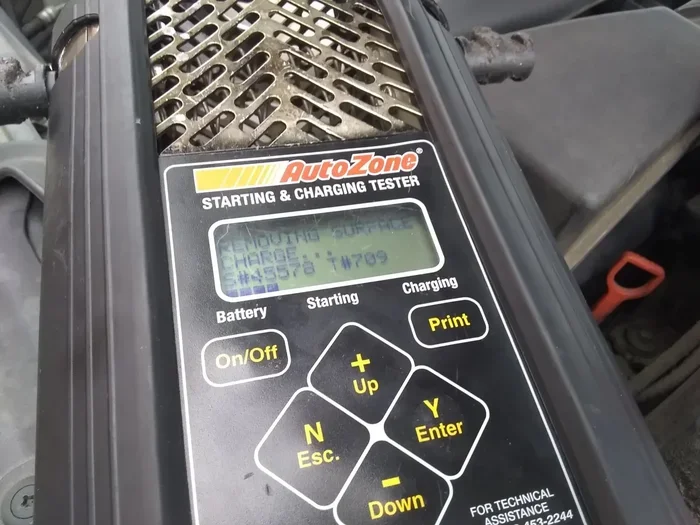
You can do a basic check without expensive tools. Turn the car on and let it sit for a few minutes. Look at the battery state of charge indicator on the dashboard. It should show a healthy range, usually around 60-80%. If it stays very low or drops quickly, something’s off. You can also use an OBD-II scanner to read fault codes related to the hybrid system. Many auto parts stores will do this for free.
Comparison Table: Prius Battery Types and Longevity
| Battery Type | Used In | Typical Lifespan | Replacement Cost (Used/Refurb) |
|---|---|---|---|
| Nickel-Metal Hydride (NiMH) | Prius Gen 1-4 (most models) | 150,000 – 250,000+ miles | $1,500 – $3,500 |
| Lithium-Ion (Li-ion) | Prius Prime, Prius c (some models) | 150,000 – 200,000 miles | $2,000 – $4,500 |
| Lithium-Ion (LiFePO4) | Aftermarket upgrades | 200,000+ miles (with care) | $3,000 – $5,000 |
This table shows that the original NiMH packs in most Priuses are the most proven for long life. Lithium-ion packs are newer and can also last a long time, but they require more careful management of the state of charge. Aftermarket LiFePO4 batteries are a popular upgrade for owners who want maximum longevity.
Prius Battery Replacement: Cost and Process
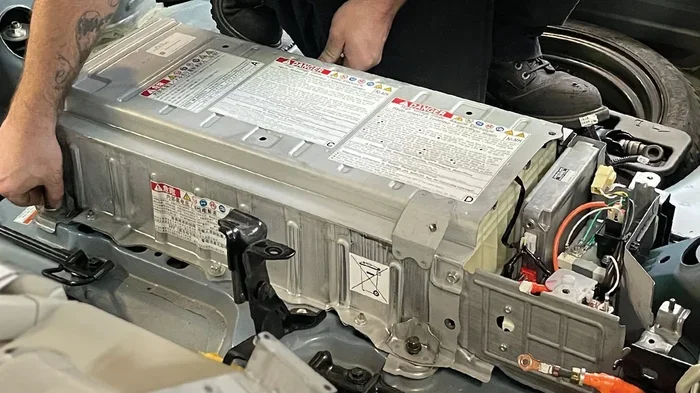
If your battery does fail, you have options. Replacing the entire pack at a dealership is expensive. A new OEM battery can cost $4,000 to $6,000. But you don’t always need a brand-new pack. Refurbished or remanufactured batteries cost much less. A refurbished NiMH pack might run $1,500 to $3,500. These packs come with a warranty and are tested for performance.
DIY Module Replacement
Some experienced owners replace just the weak modules. You can buy individual modules online for $200 to $500 each. You need a basic diagnostic tool to identify the bad cells. Then you remove the faulty modules and replace them. This approach can save thousands. It requires some technical skill, but many forums offer step-by-step guides. Always work with the battery management system in mind. You must recalibrate the system after swapping modules.
When to Replace vs. Repair
If your battery is over 150,000 miles and you notice constant warning lights, consider a replacement. If the car still runs fine but fuel economy dropped 10%, you might just need a balance check. A good mechanic can perform a battery reconditioning service. This involves cycling the cells and recalibrating the management system. It’s cheaper and can buy you another 50,000 miles.
Real-World Prius Battery Longevity Stories
Don’t just take my word for it. Many Prius owners have documented their battery journeys online. Here are a few common scenarios:
- Taxi fleets: Some Prius taxis in cities like New York and San Francisco have hit 300,000 miles on the original battery. The constant short trips actually helped keep the battery balanced through regular cycling.
- Daily commuters: A driver in Arizona put 220,000 miles on a 2005 Prius with the original NiMH pack. The battery still held 85% of its original capacity. He credited his success to parking in the shade and avoiding full discharges.
- Cold climate owners: Owners in Minnesota reported battery degradation after 150,000 miles. The extreme cold slowed the chemical reactions and caused some cell damage. They replaced the pack with a refurbished unit and saw full recovery.
These stories show that with care, Can a Prius Battery Last 200000 Miles is not just a question—it’s a reality for many. The battery is a durable component, not a disposable one.
Final Thoughts: Can You Trust Your Prius Battery to Hit 200k?
The answer is a confident yes. A Prius battery can last 200,000 miles or more. It’s not a matter of if, but how well you treat it. The hybrid battery is the heart of the Prius system, and it’s built to last. By understanding the factors that affect battery life, avoiding common mistakes, and following simple maintenance tips, you can push your battery well beyond the warranty period.
Remember, degradation is slow and gradual. You’ll likely notice small changes in fuel economy long before the battery fails completely. Stay alert to the warning signs, and act early. Whether you choose a full replacement, a refurbished pack, or a module swap, the cost is dropping and the options are growing.
So, the next time you see a Prius with 200,000 miles on the clock, don’t worry about the battery. It’s probably still going strong. And with the right care, yours will be too.
Frequently Asked Questions
How many miles can a Prius battery really last?
Most Prius batteries last between 150,000 and 250,000 miles. With proper care, many reach 200,000 miles or more. The exact lifespan depends on driving habits, climate, and maintenance.
Is it expensive to replace a Prius hybrid battery?
A new OEM battery can cost $4,000 to $6,000. However, refurbished or used packs are available for $1,500 to $3,500. Module replacement can be even cheaper, saving you thousands.
What are the signs that a Prius battery needs replacement?
Look for reduced fuel economy, frequent engine running, a battery warning light, and loss of electric-only driving. If you notice these symptoms, get a diagnostic scan to check the cell voltages.
Can I drive my Prius with a degraded battery?
Yes, you can. A degraded battery means the car relies more on the gasoline engine. You’ll see lower MPG, but the car will still run. It’s not dangerous, but it’s less efficient.
Does cold weather kill Prius batteries faster?
Extreme cold can accelerate battery aging by increasing internal resistance. It doesn’t kill the battery outright, but it can reduce its overall lifespan over many years. Parking in a heated garage helps.
How often should I have my Prius battery checked?
Have the battery’s state of health checked once a year. A technician can use a scan tool to read cell voltages and balance the pack. Early detection of weak cells prevents bigger problems.