Can a Car Start Without the Key in the Key Fob Explained
Yes, a car can sometimes start without the key fob inside the vehicle, but it depends on your car model, year, and security system. Modern vehicles use smart key systems and proximity sensors that communicate with the key fob wirelessly. Understanding how your key fob battery and immobilizer system work can save you from getting stranded. This guide breaks down everything you need to know about starting your car without the key fob and what to do when things go wrong.
Have you ever stood by your car, fumbling with your keys, and wondered if you could just start the engine without the key fob inside? It is a frustrating situation that happens to nearly every driver at some point. Maybe the battery died, or you left the fob in your pocket and it slipped into the washing machine. Whatever the reason, the question remains the same. Can a car start without the key in the key fob?
The short answer is yes, in many cases. But the full answer depends on your vehicle’s year, make, model, and security system. Modern cars use sophisticated smart key systems and electronic ignition that communicate wirelessly with the key fob. Older vehicles rely on simpler transponder keys and mechanical locks. Understanding how these systems work helps you handle emergencies with confidence. This article covers everything from push button start technology to emergency backup methods you can use right now.
Whether your key fob battery just died or you are curious about car security systems, this guide has you covered. We will walk through the science behind keyless entry, explain why your car might refuse to start, and give you practical steps to get back on the road. No jargon, no fluff, just clear and helpful advice you can use today.
Key Takeaways
- Some cars can start without the key fob nearby: Older models and certain newer vehicles allow this, but most modern cars require the fob inside the cabin.
- A dead key fob battery is the most common culprit: Replace the battery regularly and learn your car’s backup start method.
- Push button start cars still need the fob signal: The proximity sensor must detect the fob before the engine will turn on.
- Hidden mechanical keys exist in every key fob: Use the emergency key blade to unlock the door and start the car manually.
- Prevention is simple: Replace your key fob battery every 1-2 years and keep a spare key accessible.
- Common mistakes worsen the problem: Don’t assume the car is broken when it is often just a low battery in the fob.
📑 Table of Contents
How Modern Key Fob Systems Work
Before you can understand what happens when the fob is missing, you need to know how these systems actually function. Modern vehicles use a combination of radio frequency signals, transponder chips, and proximity sensors to communicate with your key fob. It all happens in seconds, often without you even noticing.
The Role of the Transponder Chip
Every modern key fob contains a small transponder chip inside the plastic casing. This chip sends a unique identification code to your car’s immobilizer system. The immobilizer is a security feature built into the car ignition system. It checks whether the code from the fob matches the code stored in the vehicle’s computer. If the codes match, the engine is allowed to start. If they do not match, the fuel system gets locked down.
This is why your car will not start with a duplicate or incorrect key. The vehicle anti-theft system is doing its job. The transponder chip communicates through radio waves, typically on a frequency of 125 kHz or 433 MHz. The range is usually short, about 1 to 3 feet from the keyless entry reader inside the car.
Proximity Sensors and Passive Entry
Many newer cars feature what is called passive entry or smart key systems. With passive entry, you do not need to press any button on the fob to unlock the doors. The proximity sensor inside the car detects the fob’s signal as you approach. The system recognizes your fob and automatically unlocks the doors.
Once inside, the push button start ignition works the same way. The car checks for the fob’s presence before allowing the engine to crank. If the system cannot find the fob, it will usually display a warning on the dashboard. Some cars will not start at all, while others allow a limited drive with a reduced power mode.
The key fob signal strength matters a lot here. A low key fob battery weakens the signal. This means the proximity sensor might not detect the fob even if it is inside the car. That is why replacing the battery on time is so important.
Can You Actually Start a Car Without the Key Fob Inside?
This is the big question, and the answer is more nuanced than you might think. Whether can a car start without the key in the key fob depends on several factors, including the car’s age, the security system type, and what exactly you mean by “without the key fob.”
What Happens When You Try
If you attempt to start a modern car without the key fob inside the cabin, here is what typically happens. First, the proximity sensor fails to detect the fob’s signal. The dashboard displays a warning light, often shaped like a key or the words “Key Not Detected.” The push button start button may not respond at all, or it may allow the engine to turn over but not ignite the fuel.
Some vehicles have a fallback mode. For example, certain Toyota and Honda models allow you to start the car by placing the dead fob directly on the push button start sensor. The car reads the fob’s internal backup chip through capacitive contact. This is a lifesaver when the battery dies unexpectedly.
However, other cars are stricter. They will simply refuse to start no matter what you do until the fob is detected. BMW, Mercedes, and some luxury models fall into this category. Their smart key systems are designed with tighter security protocols.
The Immobilizer System Explained
The immobilizer system is the main reason cars will not start without the correct key fob. This electronic security feature has been mandatory in most countries since the mid-1990s. It prevents hot-wiring and theft by ensuring only authorized keys can start the engine.
Here is how it works step by step. When you turn the key or press the start button, the car ignition system sends a request to the fob. The fob responds with its unique code. The car’s engine control unit (ECU) checks this code against its stored database. If there is a match, the ECU enables the fuel injectors and ignition coils. The engine starts. If there is no match, the ECU blocks the fuel supply, and the engine will not turn over.
This means that even if someone physically accesses your car ignition, they cannot start the car without the correct key fob signal. The immobilizer is one of the most effective anti-theft systems in modern vehicles.
What to Do When Your Key Fob Battery Dies
A dead key fob battery is the number one reason drivers find themselves unable to start their car. The good news is that this is an easy problem to fix, and most cars have backup options built in.
Emergency Start Procedures
When your key fob battery dies, do not panic. Most modern vehicles have an emergency start procedure. Here are the most common methods:
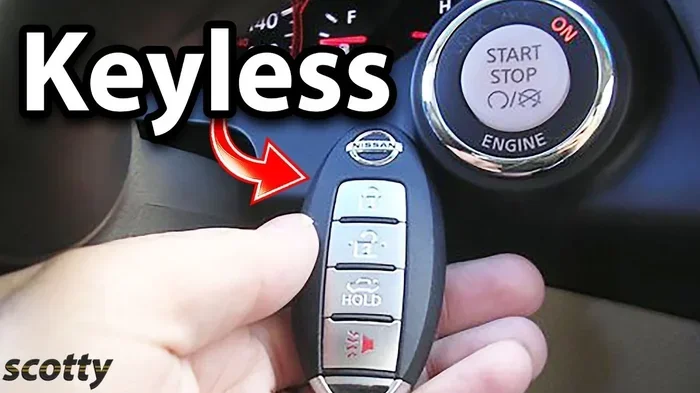
- Place the fob on the start button: Many cars with push button start have a backup reader on the button itself. Press the fob against the button and start the car. The capacitive sensor reads the fob’s chip even without a working battery.
- Check for a hidden key slot: Some cars have a mechanical key slot hidden under a cover near the car ignition or steering column. Use the emergency mechanical key that came with your fob.
- Use the proximity trick: Certain models allow you to hold the fob close to the steering column or a specific spot on the dashboard. The key fob signal might still be picked up through a low-power backup mode.
- Consult your owner’s manual: Every car is different. The manual lists the exact backup start method for your specific model.
Hidden Mechanical Keys
Almost every key fob contains a hidden mechanical key blade inside it. This small metal key is used for manual door locks and sometimes for a backup car ignition slot. To find it, look for a small release button or sliding tab on the side of the fob. Press it, and the blade slides out.
Use this hidden key to unlock the driver’s door. Once inside, check if your car has a mechanical car ignition slot. Some older push button start models still include this feature as a backup. Insert the blade and turn it to start the engine.
If your car does not have a mechanical slot, placing the fob against the start button is your best bet. The car’s internal backup reader should detect the fob even with a dead battery.
Push Button Start Cars and Key Fob Limitations
Push button start technology has made driving more convenient, but it also introduces new questions. How far can the fob be? What happens when the signal is weak? Understanding these limitations helps you avoid getting stranded.
How Far Can the Fob Be?
The key fob signal range varies by car brand and model. Most smart key systems work within a 1 to 3 meter range from the car. Some luxury vehicles extend this range to about 5 meters. Beyond that distance, the proximity sensor cannot detect the fob.
This means you cannot start the car from your house and have it drive to you. The fob must be inside the vehicle or very close to it. This is a deliberate vehicle security feature designed to prevent relay attacks and unauthorized access.
Common Warning Signs of a Failing Key Fob
Your key fob usually gives you warning signs before it completely fails. Watch for these red flags:
- Reduced signal range: You need to be closer to the car for the doors to unlock.
- Dashboard warnings: A “Key Not Detected” or “Smart Key System Malfunction” light appears on the dash.
- Intermittent starting: The car sometimes starts and sometimes does not, especially in cold weather.
- Delayed response: There is a noticeable lag between pressing the button and the car responding.
- Battery replacement needed: The fob battery indicator (if your car has one) shows a low battery warning.
If you notice any of these signs, replace the key fob battery immediately. A CR2032 or CR2025 coin cell battery is the most common type. The replacement process is simple and takes less than two minutes.
Preventing Key Fob Problems Before They Happen
The best way to deal with key fob issues is to prevent them in the first place. A few simple habits can save you from the hassle of a car that will not start.
Battery Replacement Tips
Replace your key fob battery every 12 to 18 months. Set a reminder on your phone or calendar. Use high-quality batteries from reputable brands like Energizer or Duracell. Cheap batteries may die faster and leak, which can damage the fob’s internal electronics.
When replacing the battery, follow these steps:
- Open the fob using the hidden key blade or a small flathead screwdriver.
- Note the battery orientation before removing the old battery.
- Insert the new battery with the positive side facing up.
- Snap the fob back together and test all buttons.
- Test the push button start to confirm the car detects the fob.
When to Replace Your Key Fob
Even with a fresh battery, key fobs can fail over time. The transponder chip inside may stop working after several years of use. Water damage, drops, and exposure to extreme heat can all shorten a fob’s lifespan. If you find yourself constantly struggling with the fob, consider getting a key fob replacement from a dealer or a qualified locksmith.
Keep a spare key in a safe place at home. A second fob can save you from costly locksmith calls and towing fees. Some people keep one fob in the car’s glove box as a hidden backup. This is especially helpful if your primary fob fails while you are away from home.
Expert Tips and Common Mistakes
Dealing with key fob issues can be stressful, but a few expert insights can make the process smoother. Here are some practical tips and mistakes to avoid.
Quick Tips for Key Fob Users
- Carry a spare battery: Keep a spare coin cell battery in your wallet or glove box. You never know when you will need it.
- Avoid extreme temperatures: Do not leave your fob in direct sunlight or in freezing conditions. Heat and cold degrade the transponder chip and battery faster.
- Test your backup start method regularly: Once every few months, try starting your car with a dead fob battery using the backup method. This ensures you know how it works when you actually need it.
- Keep the fob away from electronic devices: Phones, tablets, and laptops can interfere with the key fob signal and cause false readings.
- Update your car’s software: Some manufacturers release firmware updates that improve smart key system reliability and range.
Common Mistakes to Avoid
Many drivers make preventable mistakes that lead to starting problems. Here are the most common ones:
- Assuming the car is broken: Most “no start” issues with push button start cars are simply caused by a dead key fob battery. Always check the battery first.
- Ignoring dashboard warnings: If your car displays a “Key Not Detected” message, do not ignore it. Address the issue immediately before you are stranded.
- Using the wrong battery type: Not all key fobs use the same battery. Check your owner’s manual or the fob label before purchasing a replacement.
- Forgetting the hidden key blade: Many people do not know their fob contains a mechanical key. Locate it and practice using it before you need it in an emergency.
- Storing the fob too far from the car: Some drivers keep the fob in a coat pocket or bag that is far from the car. The proximity sensor may not pick up the weak signal, especially with a low battery.
When to Call a Professional
There are times when DIY fixes are not enough. If you have replaced the battery, tried the backup start method, and the car still will not start, it is time to call a professional. A certified locksmith or dealership technician can diagnose issues with the immobilizer system, transponder chip, or electronic ignition components.
Also seek professional help if your key fob has suffered physical damage, water exposure, or a cracked casing. These issues require key fob replacement or reprogramming, which is beyond most DIY capabilities. Keep the phone number of a trusted automotive locksmith saved in your phone for emergencies.
Conclusion
The answer to whether can a car start without the key in the key fob is yes, but with important caveats. Modern vehicles with smart key systems and push button start technology require the fob to be present and detected. However, most cars include backup methods like hidden mechanical keys and capacitive start button readers that work even with a dead key fob battery.
Understanding your car’s keyless entry and immobilizer system empowers you to handle starting problems confidently. Replace your fob battery regularly, keep a spare key accessible, and learn your vehicle’s backup start procedure. These simple habits prevent most key fob headaches. The next time your car refuses to start, you will know exactly what to do and why.
Stay prepared, stay informed, and never let a dead key fob leave you stranded. Your car is smarter than you think, and with the right knowledge, you can keep it running smoothly no matter what.
Frequently Asked Questions
What happens if my key fob battery dies while driving?
Your car will continue to run normally once the engine is already started. The key fob battery only affects starting the engine and unlocking the doors. If the battery dies while driving, you can still reach your destination safely. Just replace the battery before turning off the engine to avoid starting issues next time.
Can I start a push button start car with a dead key fob?
Yes, in most cases. Place the dead fob directly against the push button start button or the designated backup sensor area on the dashboard. The car’s internal reader can detect the transponder chip inside the fob even without a working battery. Check your owner’s manual for the exact location on your specific model.
How often should I replace my key fob battery?
Replace the battery every 12 to 18 months for best results. If you notice reduced signal range or intermittent starting, replace it sooner. Using a high-quality CR2032 or CR2025 battery ensures reliable performance and longer life for your key fob signal system.
Is it safe to leave the key fob near the car overnight?
Yes, it is generally safe. The proximity sensor and remote keyless entry system use low-power radio signals that are not harmful. However, storing the fob more than a few meters away from the car may cause the car to lock itself or fail to detect the fob in the morning. Keep it within a reasonable range for convenience.
Can a locksmith reprogram a key fob for a car that won’t start?
Yes, a professional locksmith can reprogram most key fobs and smart key systems. They can also replace damaged transponder chips and configure new fobs to match your vehicle’s immobilizer system. This is often faster and cheaper than going through the dealership. Look for a certified automotive locksmith with experience in your car brand.
What is the difference between a smart key and a transponder key?
A smart key is a keyless fob that uses proximity sensors and push button start technology. It communicates wirelessly with the car. A transponder key is a traditional key with a built-in chip that must be inserted into the car ignition to start the engine. Both serve the same purpose of preventing theft, but they work in different ways and require different starting methods.
=== CONCLUSION ===
Can a car start without the key in the key fob? The answer is yes, but it depends on your vehicle’s smart key system and security features. Most modern cars require the fob to be detected before starting, but backup methods exist for when the battery dies or the fob fails. Keep your key fob battery fresh, store a spare key safely, and learn your car’s emergency start procedure. With the right preparation, a dead fob will never leave you stranded again.