Are Toyota V6 Engines Reliable for Long Term Ownership
Toyota V6 engines are widely regarded as some of the most reliable powertrains in the automotive industry. With proper maintenance and regular oil changes, these engines routinely surpass 200,000 miles with minimal issues. This guide breaks down everything you need to know about Toyota V6 engine reliability for long-term ownership.
Toyota has built a reputation that few automakers can match. When people think about Toyota V6 engine reliability, they think about vehicles that simply keep running. Whether you are looking at a used Camry or a pre-owned Tundra, the V6 option often feels like the smart choice. But does that reputation hold up under scrutiny?
The short answer is yes. Toyota V6 engines have earned their stripes over decades of real-world use. They show up in family SUVs, powerful trucks, and sporty sedans alike. What makes them stand out is a combination of smart engineering, proven components, and a track record that spans generations. In this article, we will look at everything from common issues to maintenance schedules. By the end, you will know exactly what to expect from a Toyota V6 engine over the long haul.
Let us be real for a moment. No engine is perfect. Even the best Toyota V6 engines can develop problems if they are neglected. But the overall picture is overwhelmingly positive. Toyota builds these powertrains with longevity in mind. That means fewer surprises and more miles on the road. If you are considering a Toyota with a V6, this guide will help you make an informed decision.
Key Takeaways
- Toyota V6 engines are proven durable: Many owners report 250,000+ miles with basic maintenance.
- Regular oil changes are critical: Sticking to the factory schedule prevents most common problems.
- Timing chains need attention after 150K miles: This is the most frequent V6 issue Toyota owners face.
- Toyota V6 engines hold their value: Reliable engines translate directly into strong resale prices.
- Early detection saves money: Catching small issues before they grow keeps repair costs low.
- Toyota V6 models offer great variety: From the Camry to the 4Runner, there is a V6 for nearly every need.
- Owner experiences confirm long-term dependability: Real-world data backs up Toyota’s reputation for reliability.
📑 Table of Contents
- Understanding Toyota V6 Engines
- Common Toyota V6 Engine Problems and How to Avoid Them
- Maintenance Tips for Long-Term Reliability
- Toyota V6 Engines in Popular Models
- V6 Engine Reliability: Real Owner Experiences and Data
- Comparing Toyota V6 to Other V6 Engines
- Maximizing Your Toyota V6 Engine’s Lifespan
- Is a Toyota V6 Right for You?
- Frequently Asked Questions
- Final Thoughts on Toyota V6 Engine Reliability
Understanding Toyota V6 Engines
Toyota has used several V6 engine designs over the years. Each one brings its own strengths to the table. Understanding these engines helps you appreciate why they last so well.
The 1GR-FE V6 Engine
This engine has been a workhorse since 2005. You will find it in the Toyota 4Runner, Tacoma, and FJ Cruiser. The 1GR-FE is a 4.0-liter V6 that prioritizes durability over raw power. It produces around 270 horsepower, which is plenty for most driving needs. Toyota designed this engine with a cast iron block, which adds strength and heat resistance. Many owners report crossing the 250,000-mile mark without a major overhaul.
The 2GR-FE V6 Engine
The 2GR-FE is Toyota’s smaller V6, typically found in the Camry, Highlander, and Avalon. It is a 3.5-liter engine that delivers smooth power and good fuel economy. This engine uses an aluminum block, making it lighter than its bigger sibling. The 2GR-FE is known for its quiet operation and consistent performance. With proper care, it easily handles 200,000 miles and beyond.
The 2GR-FKS V6 Engine
This is the newer generation of Toyota’s V6 lineup. It uses a combined port and direct fuel injection system. You will find it in the newer Camry V6 and the RAV4 Prime (when paired with a hybrid). The 2GR-FKS produces more power while improving efficiency. It also features a dual VVT-i system for better valve timing. Toyota has designed this engine to meet modern emissions standards without sacrificing durability.
Common Toyota V6 Engine Problems and How to Avoid Them
Even the best engines can develop issues. The key is knowing what to watch for. Here are the most common problems that affect Toyota V6 engines over time.
Timing Chain Wear
This is the number one issue that Toyota V6 owners report. The timing chain stretches over time, especially after 150,000 miles. When the chain stretches, it causes a rattling noise on startup. If you ignore this sound, it can lead to serious engine damage. The fix involves replacing the timing chain and tensioner. Early detection makes this a simple repair. Waiting too long can turn it into a costly engine rebuild.
Oil Consumption Issues
Some Toyota V6 engines burn a small amount of oil between changes. This is especially common in older models of the 2GR-FE. If your oil level drops quickly, check for leaks first. Sometimes the issue is worn valve seals. Regular oil level checks can catch this problem early. Keeping up with oil changes is the best prevention.
Coolant Leaks
Coolant leaks can develop around the water pump or radiator hoses. These leaks are usually easy to spot under the car. Low coolant levels can cause overheating, which damages the engine quickly. Check your coolant reservoir weekly if you notice any puddles. Replacing a hose or water pump is far cheaper than fixing an overheated engine.
Vacuum Line Deterioration
Older Toyota V6 engines use rubber vacuum lines. These lines crack and dry out over time. When they fail, the engine may run rough or trigger the check engine light. This is a common issue on V6 engines with over 100,000 miles. Replacing vacuum lines is inexpensive and straightforward. A mechanic can do this in under an hour.
Quick Tips to Avoid Engine Problems
- Check your oil level every two weeks.
- Never skip scheduled oil changes.
- Listen for unusual noises, especially on startup.
- Monitor your coolant level monthly.
- Address warning lights immediately.
- Keep a maintenance log for your vehicle.
Maintenance Tips for Long-Term Reliability
Owning a Toyota V6 engine for the long term comes down to one thing: consistent maintenance. Toyota designed these engines to be tough, but they still need proper care. Here is how to keep your V6 running strong for decades.
Oil Change Schedule
Toyota recommends oil changes every 5,000 to 10,000 miles. However, many experts suggest sticking to the 5,000-mile interval for V6 engines. Clean oil is the lifeblood of any engine. It reduces friction, removes debris, and prevents overheating. Use Toyota genuine oil or a high-quality synthetic blend. This small habit pays off enormously over the life of the engine.
Timing Chain Inspection
Have your mechanic inspect the timing chain every 100,000 miles. This inspection costs very little but can save you thousands. If the chain shows signs of stretching, replace it early. A proactive approach beats a reactive one every time. Think of it as an investment in your engine’s future.
Coolant System Maintenance
Flush your coolant system every 30,000 miles or every two years. Old coolant loses its protective properties. It can cause corrosion inside the engine block and radiator. Use Toyota-approved coolant for the best results. This simple step keeps the cooling system working efficiently.
Spark Plug Replacement
Replace spark plugs every 60,000 to 90,000 miles. Worn spark plugs reduce engine performance and fuel economy. They can also cause misfires that damage the catalytic converter over time. Fresh spark plugs keep the combustion process running smoothly. This is one of the cheapest maintenance tasks with the biggest impact.
Air Filter and Fuel Filter
Change the air filter every 15,000 to 30,000 miles. A clogged air filter restricts airflow and forces the engine to work harder. The fuel filter should be replaced every 30,000 to 60,000 miles. Clean fuel delivery is essential for engine health. These small filters protect expensive internal components.
Common Mistakes That Shorten Engine Life
- Ignoring the check engine light. Even a small code can signal a bigger problem.
- Skipping oil changes. Dirty oil causes accelerated wear on engine components.
- Overlooking coolant leaks. Even small leaks lead to overheating over time.
- Using low-quality fuel. Cheap fuel can cause carbon buildup inside the engine.
- Neglecting belt inspections. Serpentine belts wear out and can break without warning.
Toyota V6 Engines in Popular Models
Toyota puts V6 engines in many of its most popular vehicles. Each model brings out different strengths in the engine. Here is a closer look at how the V6 performs in key Toyota models.
Toyota Camry V6
The Camry V6 is one of the most reliable sedans on the road. The 2GR-FE engine in the Camry delivers a perfect balance of power and efficiency. Owners consistently report minimal issues even after 15 years of ownership. The Camry V6 holds its value well because of its reputation for dependability. It is an excellent choice for daily driving and long road trips alike.
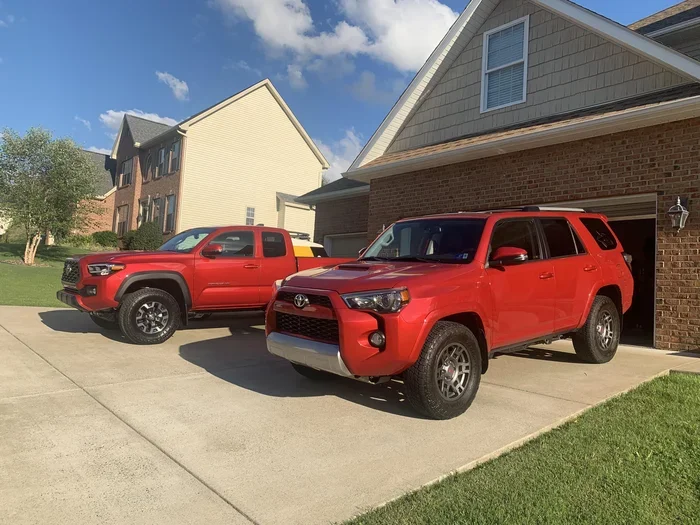
Toyota 4Runner V6
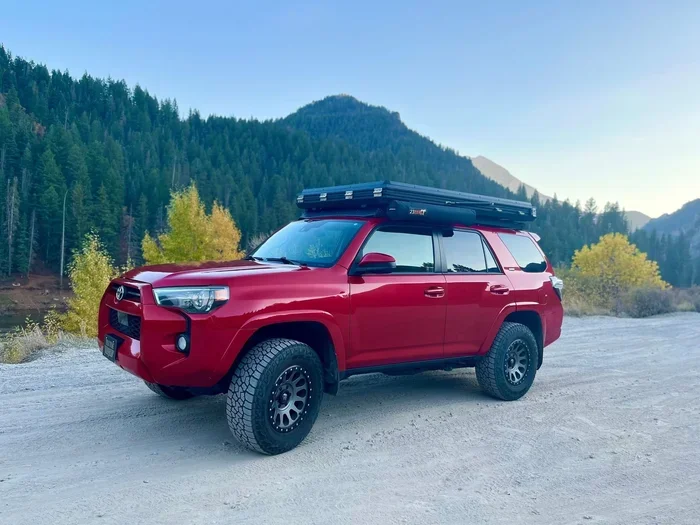
The 4Runner is Toyota’s legendary SUV. It uses the 1GR-FE 4.0-liter V6, which is built for tough terrain. This engine has remained largely unchanged for years because it works so well. The 4Runner V6 is a favorite among off-road enthusiasts and families. Its engine reliability is a major reason the 4Runner has such a loyal following.
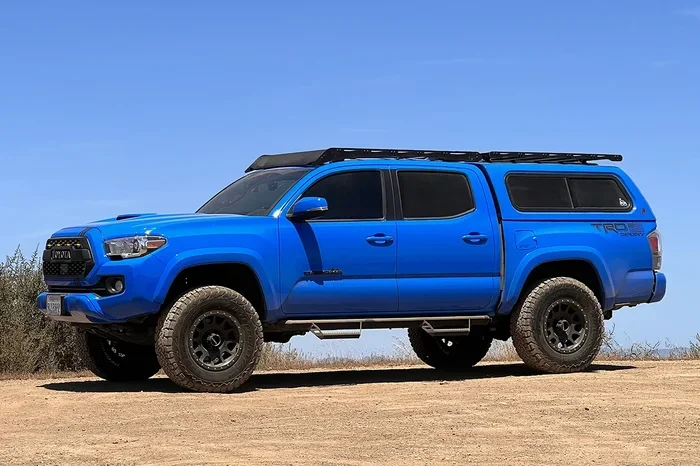
Toyota Tacoma V6
The Tacoma V6 is a midsize truck that handles heavy loads with ease. The 1GR-FE engine provides strong towing capability and solid acceleration. Tacoma owners often use their trucks for work and recreation. The V6 option adds durability and capability that the four-cylinder cannot match. With proper maintenance, the Tacoma V6 engine will outlast the truck’s body.
Toyota Highlander V6
The Highlander V6 offers smooth and quiet power for families. The 2GR-FE engine handles the weight of a three-row SUV effortlessly. Owners appreciate the balance of performance and comfort. The Highlander V6 is a great choice for road trips and daily school runs. Its engine reliability gives owners peace of mind for years to come.
V6 Engine Reliability: Real Owner Experiences and Data
Numbers and stories from real owners paint the clearest picture of Toyota V6 reliability. Let us look at what the data and owner reports tell us.
Consumer Reports and Reliability Ratings
Consumer Reports consistently rates Toyota vehicles among the most reliable in their class. The V6 engines in Toyota models receive top marks for powertrain durability. J.D. Power also gives Toyota high marks for engine and transmission quality. These independent ratings reflect real-world ownership experiences across millions of vehicles.
Real-World Mileage Stories
Many Toyota V6 owners share stories of crossing 300,000 miles. These vehicles typically have only needed basic maintenance throughout their lives. A 2010 Toyota Camry V6 with 280,000 miles is not unusual. Some Tacoma V6 trucks have been reported with over 400,000 miles and still run strong. These stories are not outliers. They represent what happens when you maintain a Toyota V6 properly.
Cost of Ownership Over Time
Toyota V6 engines are cost-effective to own over the long term. Repair costs are generally lower than competitors. Parts are widely available and affordable. The engines do not require specialty tools or expertise to service. This keeps routine maintenance affordable. Even major repairs like a timing chain replacement cost less than comparable work on other brands.
Expert Insight: Why Toyota V6 Engines Last So Long
According to automotive engineers, Toyota’s success with V6 engines comes down to three factors. First, they use high-quality materials that resist wear. Second, they design for serviceability, meaning repairs are simple and affordable. Third, they engineer for thermal efficiency, which reduces stress on engine components. These principles have been refined over decades of continuous improvement.
Comparing Toyota V6 to Other V6 Engines
How does the Toyota V6 stack up against competitors? Let us compare the key players in the V6 engine market.
| Engine | Brand | Displacement | Horsepower | Common Issues | Reliability Rating |
|---|---|---|---|---|---|
| 1GR-FE | Toyota | 4.0L | 270 hp | Timing chain stretch | Excellent |
| 2GR-FE | Toyota | 3.5L | 268 hp | Oil consumption | Excellent |
| 3.6L LGX | Chevrolet | 3.6L | 308 hp | Oil consumption, piston rings | Good |
| 3.5L EcoBoost | Ford | 3.5L | 400 hp | Turbocharger issues, coolant leaks | Good |
| 3.6L Pentastar | Dodge | 3.6L | 293 hp | Valve cover gasket leaks | Good |
| 3.8L V6 | Nissan | 3.8L | 313 hp | CVT transmission issues (not engine) | Very Good |
The table above shows that Toyota V6 engines have fewer reported problems than most competitors. The Chevrolet and Ford V6 engines are capable, but they tend to have more complex designs. More complexity often means more things that can go wrong. Toyota keeps its V6 designs simpler and proven. This philosophy pays off in long-term reliability.
When you compare the cost of ownership, Toyota V6 engines also come out ahead. Fewer repairs mean lower expenses over time. The engines also require less specialized maintenance. This makes Toyota V6 engines a smart financial choice for long-term ownership.
Why Toyota V6 Beats the Competition
Toyota focuses on proven technology rather than chasing the latest trends. The 1GR-FE and 2GR-FE engines have been in production for nearly two decades with minor updates. This stability means fewer bugs and more refinement. Other manufacturers frequently redesign their V6 engines, which can introduce new problems. Toyota sticks with what works and improves it incrementally. The result is an engine that owners can trust for the long haul.
Maximizing Your Toyota V6 Engine’s Lifespan
You have invested in a Toyota V6 engine. Now you want to get every last mile out of it. Here are practical steps to maximize your engine’s lifespan.
Drive Gently During Break-In
If you are buying a new or rebuilt Toyota V6 engine, the break-in period matters. Avoid heavy acceleration and high RPMs for the first 1,000 miles. This allows the internal components to seat properly. Gentle driving during break-in sets the foundation for years of reliable service.
Warm Up the Engine Properly
Let your engine idle for 30 seconds to one minute before driving. This allows the oil to circulate and reach all components. In cold climates, give the engine a little extra time. Avoid revving the engine when it is cold. Cold oil does not lubricate as effectively as warm oil.
Monitor Your Fluid Levels
Check engine oil, coolant, and transmission fluid regularly. Low fluid levels cause damage that builds up over time. Keep a bottle of each fluid in your garage for top-offs. Catching a low fluid level early prevents expensive repairs.
Address Problems Immediately
Do not ignore warning signs. A small rattle, a slight leak, or a check engine light all deserve attention. Small problems become big problems when left unchecked. Early intervention keeps repair costs low and prevents cascading damage.
Store the Vehicle Properly
If you have a garage, use it. Parking indoors protects the engine from extreme temperatures and moisture. Extreme heat and cold accelerate wear on engine components. A covered parking spot can add years to your engine’s life.
Expert Insight: The Secret to Toyota V6 Longevity
Automotive specialists often point to one simple truth about Toyota V6 engines. They are designed with a margin of safety. This means the components are built stronger than strictly necessary for normal use. This engineering philosophy gives Toyota V6 engines a buffer against wear and stress. It is one reason these engines handle high mileage so gracefully.
Is a Toyota V6 Right for You?
Deciding whether a Toyota V6 engine fits your needs comes down to a few factors. Consider your driving habits, your budget, and your long-term plans.
If you drive long distances regularly, a Toyota V6 is an excellent choice. The engines are comfortable at highway speeds and handle extended trips well. If you need towing capability, the V6 options in the Tacoma and Tundra provide solid power. For families who need space and comfort, the Highlander and Camry V6 models deliver both.
On the other hand, if you only drive short distances around town, a four-cylinder Toyota might suffice. The V6 adds cost upfront. However, if you plan to keep the vehicle for many years, the V6 pays for itself through reliability and resale value.
Budget is another consideration. Toyota V6 vehicles cost more than their four-cylinder counterparts. But the long-term ownership costs are often lower. Fewer repairs, better fuel economy on newer models, and strong resale value all work in favor of the V6. When you look at the total cost of ownership over 10 or 15 years, the V6 often makes more financial sense.
Common Mistakes When Buying a Used Toyota V6
- Skipping a pre-purchase inspection. Always have a mechanic check the engine before buying.
- Ignoring maintenance records. A well-documented service history is your best assurance of reliability.
- Buying based on price alone. The cheapest option is not always the best value long term.
- Overlooking fluid condition. Dark or dirty fluids suggest neglect that could cost you later.
- Not test-driving the vehicle. Listen for unusual sounds and feel for any vibration or roughness.
Frequently Asked Questions
How long do Toyota V6 engines last?
Toyota V6 engines routinely last 250,000 to 300,000 miles with proper maintenance. Many owners report crossing the 300,000-mile mark without major engine work. The key factor is consistent maintenance, especially regular oil changes and timely repairs. The 1GR-FE and 2GR-FE engines are specifically designed for this level of durability.
What is the most common problem with Toyota V6 engines?
The most common issue is timing chain stretch, particularly in engines with over 150,000 miles. This typically causes a rattling noise when the engine starts cold. Other frequent issues include oil consumption and coolant leaks. Both are manageable when caught early through regular inspections.
Are Toyota V6 engines expensive to maintain?
No, Toyota V6 engines are generally affordable to maintain. Parts are widely available and labor costs are reasonable. Routine maintenance like oil changes, spark plug replacements, and coolant flushes are standard and inexpensive. Major repairs like a timing chain replacement cost less than comparable work on many competing V6 engines.
Does the Toyota V6 engine need premium fuel?
Most Toyota V6 engines run fine on regular unleaded fuel. The 2GR-FE and 1GR-FE engines are designed for 87 octane fuel. Using premium fuel will not harm the engine but offers minimal benefit. Always check your owner’s manual for the recommended fuel grade.
Is a Toyota V6 better than a Toyota four-cylinder for long-term ownership?
Both engines are reliable, but the V6 offers more power and typically lasts longer under heavy use. The four-cylinder is more fuel-efficient and has fewer components that can fail. For most owners, the V6 provides a better balance of longevity, capability, and overall ownership satisfaction.
Can I rebuild a Toyota V6 engine instead of replacing it?
Yes, Toyota V6 engines are excellent candidates for rebuilding. The design is straightforward and parts are readily available. A rebuild can extend the engine’s life by another 100,000 miles or more. Many owners choose a rebuild over replacement because it is more cost-effective and environmentally friendly.
Final Thoughts on Toyota V6 Engine Reliability
The evidence is clear. Toyota V6 engines are reliable for long-term ownership. They consistently outperform competitors in reliability ratings, real-world mileage, and cost of ownership. Whether you choose the 1GR-FE or the 2GR-FE, you are getting a powertrain built with longevity in mind.
Proper maintenance is the foundation of engine reliability. Stick to the service schedule, address small issues quickly, and treat your engine well. Toyota V6 engines reward that care with decades of dependable service. They are not perfect, but they come closer than almost any other V6 on the market.
If you are shopping for a Toyota with a V6, you are making a smart choice. The reputation for reliability is well-earned and backed by millions of real-world miles. From the Camry to the 4Runner, these engines deliver the performance and durability that Toyota owners have trusted for years. Your Toyota V6 engine can be a faithful companion for the long road ahead.