Are Toyota Highlanders Really That Expensive to Insure
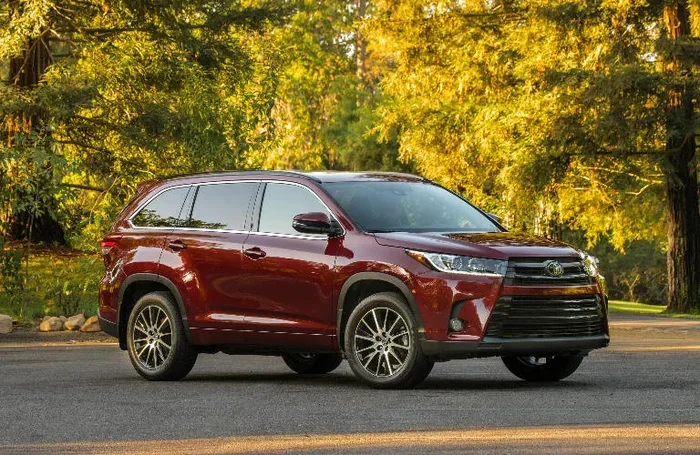
So, are Toyota Highlanders expensive to insure? The short answer is no — they are actually considered one of the more affordable SUVs to insure. The Toyota Highlander insurance cost is generally lower than many competitors thanks to strong safety ratings, low theft risk, and affordable repair parts. However, your personal rates will depend on several key factors like your driving record, location, and coverage choices.
If you are thinking about buying a Toyota Highlander, one question probably already crossed your mind. How much will it cost to insure this vehicle? The Toyota Highlander is one of the most popular SUVs on the road today. It seats up to eight passengers, offers great fuel economy, and comes packed with safety features. But does all that popularity translate into a high insurance bill? Let us find out.
The truth is that Toyota Highlanders are not as expensive to insure as many people assume. In fact, the Toyota Highlander insurance cost tends to be lower than the average for midsize SUVs. Several reasons explain this. The Highlander has excellent safety ratings. It also has a solid reputation for reliability, which means fewer claims. And its parts are widely available and affordable to replace. All of these factors work in your favor when you are shopping for insurance.
But here is the thing. Your personal insurance rate is not just about the vehicle. Your age, where you live, your driving history, and the type of coverage you choose all matter a lot. Two people can own the exact same Highlander and pay very different premiums. That is why understanding how insurance companies price this vehicle is so important. In this article, we will break down everything you need to know about Toyota Highlander insurance cost. We will look at the factors that drive your rate, how it compares to other SUVs, and what you can do to save money.
Key Takeaways
- Toyota Highlanders are not expensive to insure: They rank below average for SUV insurance costs due to strong safety features and low repair expenses.
- Multiple factors affect your rate: Your age, driving history, location, and coverage level all play a big role in your Toyota Highlander insurance cost.
- Safety features can save you money: The Highlander comes with standard safety tech that many insurers reward with discounts.
- Comparison shopping is essential: Getting quotes from multiple companies can save you hundreds of dollars per year.
- Common mistakes raise your premiums: Things like low deductibles and missing discounts can unnecessarily inflate your Toyota Highlander insurance rates.
- The Highlander holds its value well: Good resale value means lower depreciation costs, which can positively impact your insurance.
📑 Table of Contents
- How Much Does It Cost to Insure a Toyota Highlander?
- What Factors Affect Toyota Highlander Insurance Rates?
- How Does the Toyota Highlander Compare to Other SUVs?
- Tips to Lower Your Toyota Highlander Insurance Cost
- Is the Toyota Highlander Worth the Insurance Cost?
- Common Mistakes That Increase Your Toyota Highlander Insurance Cost
- Final Thoughts on Toyota Highlander Insurance Cost
How Much Does It Cost to Insure a Toyota Highlander?
The average annual insurance cost for a Toyota Highlander falls in the moderate range for SUVs. Most owners pay between 1,200 and 1,800 dollars per year for full coverage. This is below the national average for midsize SUVs, which sits around 1,600 to 2,200 dollars annually. The exact number depends heavily on the model year and trim level you choose.
For example, a base Toyota Highlander LE trim will usually cost less to insure than a Highlander Limited or Platinum trim. Why? Because higher trims have more expensive parts and advanced technology that costs more to repair. The engine size matters too. The standard Highlander comes with a 2.4-liter four-cylinder engine. This is cheaper to insure than the hybrid version or the V6 option. Insurance companies view smaller engines as lower risk.
Average Annual Insurance Costs by Trim Level
Here is a general breakdown of what you might expect to pay for different Highlander trims. Keep in mind that these are national averages and can vary widely based on your personal situation.
- Highlander LE: Around 1,300 to 1,500 dollars per year
- Highlander XLE: Around 1,400 to 1,600 dollars per year
- Highlander SE: Around 1,450 to 1,650 dollars per year
- Highlander XSE: Around 1,500 to 1,700 dollars per year
- Highlander Limited: Around 1,550 to 1,800 dollars per year
- Highlander Platinum: Around 1,600 to 1,900 dollars per year
- Highlander Hybrid (all trims): Around 1,350 to 1,650 dollars per year
These numbers include both liability and full coverage policies. Your mileage, credit score, and claims history will push your rate up or down within these ranges. The good news is that the Toyota Highlander insurance cost remains competitive across all trims. It is not a vehicle that punishes you at the insurance counter.
What Factors Affect Toyota Highlander Insurance Rates?
Insurance companies do not just pull a number out of thin air. They use a complex set of factors to determine your premium. Understanding these factors can help you anticipate your Toyota Highlander insurance cost and even lower it. Let us walk through the biggest ones.
Your Driving Record
This is probably the single biggest factor. If you have a clean driving record with no accidents or traffic violations, you will pay less. Insurance companies view safe drivers as low risk. Even one speeding ticket or at-fault accident can raise your premium by 20 to 40 percent. The good news is that minor violations tend to fade from your record after three to five years. So if you have had a rough patch on the road, your rates will likely improve over time.
Your Age and Experience
Young drivers, especially those under 25, pay the highest insurance rates. This applies regardless of the vehicle they drive. A 19-year-old driving a Highlander will pay significantly more than a 45-year-old driving the same car. As you gain driving experience and get older, your rates naturally decrease. Drivers in the 30 to 50 age range typically enjoy the best insurance rates for the Toyota Highlander.
Your Location
Where you live has a huge impact on your insurance cost. If you live in a busy city with high traffic and crime rates, your premium will be higher. Someone living in a quiet suburban neighborhood will pay less. States with no-fault insurance laws also tend to have higher average rates. Insurance companies also consider how many claims are filed in your specific ZIP code. Areas with frequent accidents or vandalism will see higher premiums across the board.
Your Coverage Choices
The type and amount of coverage you select directly affects your Toyota Highlander insurance cost. Liability-only coverage is the cheapest option. It covers damage you cause to others but not your own vehicle. Full coverage includes comprehensive and collision coverage. This protects your Highlander from theft, weather damage, and accidents. Full coverage costs more, but it is usually required if you have a car loan or lease.
Your deductible also matters. A higher deductible means a lower monthly premium. If you can afford to pay more out of pocket in a claim, choosing a 1,000-dollar deductible instead of a 500-dollar deductible can save you a noticeable amount each year.
Credit Score and Insurance Score
In most states, insurance companies use your credit-based insurance score to help set your rate. A higher credit score generally leads to lower premiums. This might seem unfair, but studies show a correlation between credit scores and claim frequency. People with better credit tend to file fewer claims. Not all states allow this practice, though. California, Hawaii, and Massachusetts ban the use of credit scores in insurance pricing.
Claims History
Even if you have a clean driving record, your claims history matters. If you have filed multiple claims in the past few years, insurers will see you as a higher risk. This is true even if the claims were not your fault. Making a claim can raise your Toyota Highlander insurance cost for three to five years. That is why it is sometimes worth paying out of pocket for small repairs rather than filing a claim.
How Does the Toyota Highlander Compare to Other SUVs?
To really understand where the Highlander stands, it helps to compare it to similar SUVs in its class. The Toyota Highlander competes with the Honda Pilot, Ford Explorer, Nissan Pathfinder, and Chevrolet Traverse. Let us see how the insurance costs stack up.
Toyota Highlander vs. Honda Pilot
The Honda Pilot and Toyota Highlander are very similar vehicles. Both are midsize three-row SUVs with strong safety records. The Toyota Highlander insurance cost is generally slightly lower than the Honda Pilot. This is partly because Toyota parts tend to be more affordable than Honda parts. Both vehicles are great choices if keeping insurance costs low is a priority.
Toyota Highlander vs. Ford Explorer
The Ford Explorer is a popular competitor, but it tends to cost more to insure than the Highlander. Ford vehicles have historically had higher repair costs. The Explorer also has a more complicated suspension system and more expensive electronic components. When you compare Toyota Highlander insurance cost to Ford Explorer insurance cost, the Highlander usually comes out ahead by 10 to 15 percent.
Toyota Highlander vs. Nissan Pathfinder
The Nissan Pathfinder is another strong competitor. Its insurance cost is fairly close to the Highlander. Both vehicles sit in the affordable range for midsize SUVs. However, the Pathfinder has had some reliability concerns in recent years, which can sometimes push insurance rates slightly higher for older models.
Toyota Highlander vs. Chevrolet Traverse
The Chevrolet Traverse is the largest of the group. Its size and weight can lead to higher insurance premiums. The Traverse also has higher repair costs than the Highlander. Overall, the Toyota Highlander tends to be the most affordable of this group to insure.
Comparison Table: Insurance Costs by SUV
Here is a quick comparison of average annual full coverage insurance costs for popular midsize SUVs. These numbers are approximate and based on national averages for a 40-year-old driver with a clean record.
- Toyota Highlander: 1,200 to 1,800 dollars
- Honda Pilot: 1,300 to 1,900 dollars
- Ford Explorer: 1,400 to 2,000 dollars
- Nissan Pathfinder: 1,250 to 1,850 dollars
- Chevrolet Traverse: 1,450 to 2,100 dollars
As you can see, the Toyota Highlander consistently ranks among the more affordable options. This makes it a smart choice for buyers who want a spacious, reliable SUV without breaking the bank on insurance.
Tips to Lower Your Toyota Highlander Insurance Cost
Want to pay even less for your Highlander insurance? There are several practical steps you can take. Most of these tips are simple but can make a big difference over time.
Shop Around and Compare Quotes
This is the single most important thing you can do. Insurance rates vary wildly between companies. One insurer might quote you 1,400 dollars per year while another quotes you 1,900 dollars for the exact same policy. Always get at least three quotes before you buy. Online comparison tools make this process fast and easy. Spending 30 minutes comparing quotes could save you hundreds of dollars every year.
Bundle Your Insurance Policies
If you also have homeowners or renters insurance, consider bundling them with the same company. Most insurers offer a multi-policy discount. This can reduce your Toyota Highlander insurance cost by 10 to 20 percent. It is an easy way to save without sacrificing coverage.
Take Advantage of Safety Discounts
The Toyota Highlander comes loaded with safety features, and insurance companies love that. Look for discounts related to the following features:
- Anti-lock braking system (ABS)
- Stability control
- Lane departure warning
- Automatic emergency braking
- Blind spot monitoring
- Rear cross-traffic alert
Not all insurers offer the same discounts, so ask your agent specifically about safety feature discounts. You might be surprised at how much you can save.
Increase Your Deductible
Raising your deductible from 500 dollars to 1,000 dollars can lower your premium by 15 to 25 percent. Just make sure you have enough savings to cover the deductible if you ever need to file a claim. This is a great strategy for drivers who have a clean record and want to reduce their Toyota Highlander insurance cost without sacrificing coverage limits.
Maintain a Good Credit Score
In states where credit scores affect insurance rates, keeping your credit score high can save you a significant amount of money. Pay your bills on time, keep your credit utilization low, and avoid opening too many new accounts. A good credit score is one of the simplest ways to keep your insurance premiums down.
Drive Less
Some insurers offer low-mileage discounts. If you drive fewer than 7,500 miles per year, you may qualify for a reduced rate. Consider carpooling, using public transportation, or working from home when possible. The fewer miles you put on your Highlander, the lower your risk profile becomes.
Ask About Loyalty and Loyalty Discounts
If you have been with the same insurance company for several years, ask about loyalty discounts. Some companies reward long-term customers with reduced rates. Also, ask about any other discounts you might qualify for. These can include discounts for being a member of certain organizations, being a good student, or completing a defensive driving course.
Is the Toyota Highlander Worth the Insurance Cost?
Let us address the big question directly. Is the Toyota Highlander worth the insurance cost? Based on everything we have covered, the answer is a strong yes. The Toyota Highlander insurance cost is competitive and often below average for its class. You get a spacious, reliable, and safe vehicle that does not punish you at the insurance counter.
When you factor in the vehicle’s strong resale value, low maintenance costs, and excellent fuel economy, the overall cost of ownership is quite reasonable. Insurance is just one piece of the puzzle. The Highlander consistently ranks near the top of reliability surveys. It also earns top safety ratings from both the NHTSA and the IIHS. These safety ratings directly contribute to lower insurance premiums.
For families specifically, the Highlander is a standout choice. It offers three rows of seating, advanced safety technology, and a smooth ride. All of these features come at an insurance cost that is easy to manage. You are not paying a luxury tax on your insurance just because you chose a well-built, popular SUV.
Expert Insight: Why Insurance Companies Love the Highlander
Insurance underwriters look at several key metrics when pricing a vehicle. The Toyota Highlander scores well on nearly all of them. The vehicle has a low claim frequency, meaning Highlander owners file fewer claims than owners of comparable SUVs. Repair costs are moderate, not excessive. The theft rate is well below average for SUVs. And the safety ratings are consistently excellent. All of these factors combine to create a favorable insurance profile for the Highlander.
Some insurance professionals even note that the Highlander’s popularity works in its favor for parts availability. When a Highlander needs repairs, the parts are easy to find and reasonably priced. This keeps the overall cost of claims lower, which benefits everyone in the insurance pool.
Common Mistakes That Increase Your Toyota Highlander Insurance Cost
Even though the Highlander is affordable to insure, some common mistakes can push your rates higher than they need to be. Avoiding these mistakes can save you real money.
Not Comparing Quotes
Many people simply renew their policy with the same company year after year without shopping around. This is a costly mistake. Insurance rates change frequently, and a company that was competitive three years ago might not be the best option today. Always compare at least three quotes before renewing.
Choosing the Wrong Deductible
A very low deductible might seem appealing because your monthly payment is smaller. But over time, you will pay much more in premiums. Finding the right balance between your deductible and your premium is key to managing your Toyota Highlander insurance cost effectively.
Dropping Coverage You Need
Some drivers try to save money by dropping comprehensive or collision coverage. This can be a risky move, especially if your Highlander is still financed. Without full coverage, you are personally responsible for all repair costs after an accident. The short-term savings are rarely worth the long-term financial risk.
Ignoring Discounts
Insurance companies offer dozens of discounts, and many policyholders simply do not ask about them. Safe driver discounts, multi-car discounts, and membership discounts can all add up. Always review your policy with your agent and ask what discounts you might qualify for.
Letting Your Coverage Lapse
Any gap in your insurance coverage can have serious consequences. Not only do you risk driving illegally, but insurers view coverage lapses as a red flag. A lapse can increase your Toyota Highlander insurance cost for years. Always maintain continuous coverage, even if you are between vehicles.
Not Updating Your Policy After Life Changes
Got married? Moved to a new city? Bought a home? These life changes can affect your insurance rate. Many people fail to update their policies, which means they miss out on potential discounts. Take five minutes to review your policy after any major life event.
Final Thoughts on Toyota Highlander Insurance Cost
The Toyota Highlander is one of the best values in the midsize SUV segment, and that includes its insurance cost. The Toyota Highlander insurance cost is generally lower than the class average, making it an excellent choice for budget-conscious buyers who do not want to compromise on space or safety. With its strong safety ratings, reliable reputation, and affordable parts, the Highlander earns favorable pricing from most insurance companies.
Your personal rate will depend on your driving history, location, age, and coverage choices. But by following the tips in this article, you can keep your premiums as low as possible. The key is to shop around, take advantage of every discount you qualify for, and make smart coverage choices. A Toyota Highlander is not just a great family vehicle. It is also a smart financial choice when it comes to insurance.
Before you make your final decision, get multiple quotes, review your coverage needs, and talk to an insurance professional who understands the Toyota brand. With the right approach, you can enjoy everything the Highlander has to offer without worrying about a sky-high insurance bill. Drive safe, stay covered, and enjoy the ride.
Frequently Asked Questions
Is the Toyota Highlander expensive to insure compared to other SUVs?
No, the Toyota Highlander is actually one of the more affordable SUVs to insure. Its insurance cost is typically below the class average thanks to strong safety ratings, low theft risk, and affordable repair costs. When compared to competitors like the Ford Explorer or Chevrolet Traverse, the Highlander usually comes out on the lower end of the price spectrum.
What is the average annual insurance cost for a Toyota Highlander?
Most Toyota Highlander owners pay between 1,200 and 1,800 dollars per year for full coverage insurance. This range depends on factors like your driving record, location, age, and the specific trim level of your vehicle. The base LE trim will fall on the lower end, while higher trims like the Platinum will cost a bit more.
Does the Toyota Highlander hybrid cost more to insure?
The hybrid version of the Highlander costs slightly more to insure than the gas-only model, but the difference is usually small. Insurance companies view hybrid vehicles as slightly higher risk due to the advanced battery and electrical systems. However, the difference is often offset by the fuel savings you get from the hybrid powertrain.
How can I lower my Toyota Highlander insurance cost?
You can lower your insurance cost by shopping around for multiple quotes, bundling your policies, increasing your deductible, taking advantage of safety feature discounts, and maintaining a good credit score. Driving safely and keeping your mileage low can also help reduce your premiums over time.
Are older Toyota Highlanders cheaper to insure?
Yes, older Highlanders generally cost less to insure because they have lower market values. However, if you still have a loan or lease on the vehicle, you may be required to carry full coverage regardless of the age. Always check with your lender to understand your coverage requirements before dropping any coverage.
Does the Toyota Highlander have good safety ratings that affect insurance rates?
Absolutely. The Toyota Highlander consistently earns top safety ratings from both the NHTSA and the IIHS. These high safety ratings are one of the main reasons insurance companies price the Highlander favorably. Advanced safety features like automatic emergency braking and lane departure warning can also qualify you for additional insurance discounts.
=== CONCLUSION ===
The Toyota Highlander is not expensive to insure, and that is great news for anyone considering this popular SUV. The Toyota Highlander insurance cost stays competitive thanks to the vehicle’s strong safety features, reliable reputation, and affordable repair expenses. While your personal rate will vary based on your driving history, location, and coverage choices, the Highlander consistently ranks below average for insurance costs in its class.
By following the tips we covered in this article, you can keep your premiums even lower. Compare quotes, ask about discounts, choose your deductible wisely, and maintain a clean driving record. These simple steps can save you hundreds of dollars every year. The Highlander gives you a lot of value, and that includes keeping your insurance costs manageable. It is one of the smartest choices you can make for your family and your budget.