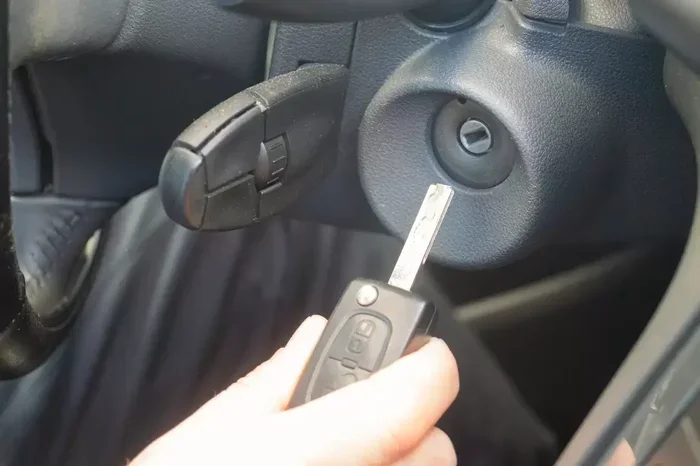
How Can I Get My Key Out of the Ignition Without Damage
Getting your key stuck in the ignition is frustrating, but it happens to drivers every day. This guide shows you exactly how to get your key out of the ignition without damage, using simple DIY methods and proven techniques. You will learn the common causes, step-by-step removal tips, prevention strategies, and when to call a professional for help.
Have you ever been in a rush to leave the house, turned the key in your ignition, and then… nothing. The key won’t come out. You’re standing there, tugging and turning, wondering how on earth you’re going to get your key out of the ignition. It’s one of those frustrating moments that can throw off your entire morning.
The good news? You’re not alone. This happens to drivers all the time, and in most cases, there’s a simple fix. Whether your key is stuck because of a steering wheel lock, a worn-out cylinder, or something else entirely, this guide will walk you through everything you need to know.
By the end of this article, you’ll know exactly how to get your key out of the ignition without causing any damage. You’ll also learn why it happens, what to avoid, and when it’s time to call in a professional. Let’s get started.
Key Takeaways
- Steering wheel lock is the #1 cause: The steering wheel lock engages when you remove the key, and it can jam the ignition cylinder, trapping your key inside.
- Try gentle jiggling first: Moving the steering wheel left and right while pulling the key is the safest and most effective first step.
- Never force a stuck key: Using too much pressure can break the key inside the cylinder, which makes the problem much worse and more expensive to fix.
- Broken keys need professional help: If your key snaps inside the ignition, avoid DIY extraction tools and call a licensed locksmith instead.
- Prevention saves time and money: Regular key maintenance, proper key storage, and graphite lubrication keep your ignition cylinder working smoothly for years.
- Parking gear matters: For automatic transmissions, the key will not release unless the gear selector is fully in Park.
- Know when to call a pro: Persistent stuck keys, loose ignition switches, and broken key fragments all warrant professional diagnosis and repair.
📑 Table of Contents
- Why Does Your Key Get Stuck in the Ignition?
- How Can I Get My Key Out of the Ignition? Step-by-Step Solutions
- Common Reasons Your Key Won’t Budge
- How to Remove a Broken Key from the Ignition
- Preventing Key Stuck Situations
- When to Seek Professional Help
- Quick Tips for Stuck Key Emergencies
- Common Mistakes to Avoid
- Expert Insights on Ignition Key Removal
- Conclusion
Why Does Your Key Get Stuck in the Ignition?
Before you try pulling your key out, it helps to understand why it got stuck in the first place. Knowing the cause makes it easier to choose the right fix. Here are the three most common reasons your key might be trapped in the ignition.
The Steering Wheel Lock Mechanism
When you remove your key from the ignition, the steering wheel lock engages. This is a security feature designed to prevent theft. But sometimes, the steering wheel gets jammed against the lock, which makes it impossible to turn the key back or pull it out.
This is the most common reason a key gets stuck. The steering wheel locks into place, and the ignition cylinder can’t rotate freely. As a result, the key stays trapped inside the cylinder. The good news is that this is usually the easiest problem to fix.
Ignition Cylinder Issues
The ignition cylinder is the part where you insert your key. Over time, this component can wear down. Dirt, debris, and normal use can cause the internal pins to stick. When that happens, the key won’t move properly.
Older vehicles are especially prone to ignition cylinder problems. The metal parts inside the cylinder can corrode or become misaligned. This makes it hard to turn the key or remove it from the ignition. If your car is getting older, the ignition cylinder might simply be due for replacement.
Key Wear and Tear
Keys are metal, and they wear down over time. If you’ve had the same key for years, the ridges may have become smooth. A worn key doesn’t interact properly with the ignition cylinder. This can cause the key to jam or get stuck when you try to remove it.
If your key looks shiny or flattened in certain spots, it might be time for a replacement. A fresh key can solve a lot of ignition problems. Consider getting a spare key made and keeping it in a safe place at home.
How Can I Get My Key Out of the Ignition? Step-by-Step Solutions
This is the question most drivers ask when they’re staring at a stuck key. Here are the most effective methods to try, listed from simplest to most advanced. Always start with the gentlest approach and work your way up.
Method 1: Jiggle the Steering Wheel
The first thing you should try is gently jiggling the steering wheel. Turn it left and right while simultaneously trying to remove the key. Often, the steering wheel lock is what’s holding the key in place.
When you move the wheel, you release pressure on the ignition cylinder. This allows the key to turn and slide out. Use light pressure. Don’t force it. If the wheel moves freely, the key should come out with a gentle pull. This method works in the majority of stuck key situations.
Method 2: Try the Accessory Position
Sometimes the key gets stuck because it’s not in the right position. Turn the key to the “ACC” or “Accessory” position first. This releases the lock mechanism and gives you more freedom to remove the key.
From there, gently pull the key out. This simple step works surprisingly often. Many drivers don’t realize their key needs to be in a specific position before it can be removed. It’s worth trying before you move on to more complex methods.
Method 3: Use a Flat Tool
If jiggling the steering wheel doesn’t work, try using a flat tool. A small flathead screwdriver or a plastic pick can help. Gently insert it into the gap around the key and apply light pressure.
This method can help release a stuck key by pushing the lock mechanism back into place. Be very careful not to scratch the ignition or push too hard. The goal is gentle pressure, not force. If you feel resistance, stop and try a different approach.
Method 4: Shake the Key Gently
While holding the key, shake it gently up and down. This can help dislodge any debris or dust that’s preventing the key from moving. Combine this with slight turning motions for the best results.
Sometimes tiny particles get inside the ignition cylinder. Shaking the key helps clear them out. This is a simple trick that many people overlook. It takes just a few seconds and requires no tools at all.
Comparison: DIY Methods at a Glance
| Method | Difficulty | Best For | Risk Level |
|---|---|---|---|
| Jiggle Steering Wheel | Very Easy | Steering wheel lock | Low |
| Accessory Position | Very Easy | Wrong gear position | Low |
| Flat Tool | Moderate | Minor jamming | Medium |
| Shake Key | Very Easy | Debris in cylinder | Low |
| Needle-Nose Pliers | Moderate | Broken key stub | Medium |
| Super Glue Trick | Advanced | Broken key flush with cylinder | Medium-High |
| Professional Locksmith | Expert | Severe jams, broken keys | Low (when done by pro) |
Common Reasons Your Key Won’t Budge
Understanding the root cause helps you choose the right fix. Here are the most common reasons a key gets stuck, along with quick explanations for each.
Dead Battery in Keyless Entry Vehicles
Modern cars with push-button start systems use a key fob. If the fob battery dies, the car might not recognize the key. In some vehicles, this can cause the ignition to lock up or refuse to release the key.
If you have a keyless entry car, check the fob battery first. A simple battery replacement often solves the problem. Keep a spare battery in your glove box for emergencies. This is one of the most overlooked causes of a stuck key in newer vehicles.
Parking Gear Not in Park
For automatic transmissions, the key won’t come out unless the car is fully in “Park.” If the gear selector is slightly off, the ignition lock stays engaged. This is a safety feature, but it can be confusing when you’re in a hurry.
Make sure the gear is all the way in Park. You should feel a firm click. Then try removing the key again. This solves the issue more often than you’d think. It’s a simple check that saves a lot of frustration.
Broken Key Inside the Cylinder
A broken key is a more serious problem. If part of the key snaps off inside the ignition cylinder, you can’t pull the rest out. This usually happens with old or weak keys.
If your key breaks, don’t try to dig it out with a pin or paperclip. You could push the broken piece deeper inside. Instead, follow the next section for safe removal options. A broken key inside the cylinder requires careful handling to avoid costly damage.
How to Remove a Broken Key from the Ignition
A broken key in the ignition is stressful, but it’s fixable. Here’s what you can do safely.
Using Needle-Nose Pliers
If the key is still sticking out even slightly, needle-nose pliers might do the trick. Grip the broken end gently and pull straight out. Apply steady, even pressure. Don’t twist or yank.
This method works best when the key fragment is still accessible. If the key is completely flush with the cylinder, this approach won’t work. In that case, move on to the next option. Always grip gently to avoid snapping the remaining piece.
The Super Glue Trick
This might sound strange, but it works. Put a small drop of super glue on the broken key stub. Press a thin flat object like a toothpick against it. Wait for the glue to dry, then pull the toothpick out. The broken key should come with it.
This is a well-known trick for key extraction. Just be very careful not to get glue inside the ignition cylinder. Use the smallest amount possible. If you’re not comfortable with this method, skip it and go straight to a professional.
When to Call a Professional
If none of the DIY methods work, it’s time to call a locksmith. A professional has specialized tools for key extraction. They can remove broken pieces safely without damaging the ignition cylinder.
Trying to force a broken key out can cause expensive damage. A locksmith can also replace the ignition cylinder if needed. It’s worth the cost to avoid making the problem worse. Most locksmiths offer mobile services and can come to your location.
Preventing Key Stuck Situations
Prevention is always better than dealing with a stuck key. Here’s how to keep your ignition working smoothly for years to come.
Regular Key Maintenance
Take care of your keys. Don’t toss them in a pile with heavy keys or coins. This can bend and wear them down. Store your car key separately in a small pouch or pocket.
Also, keep your key clean. Wipe it down occasionally to remove dirt and grime. A clean key interacts better with the ignition cylinder and lasts longer. Think of it as basic car maintenance, just like checking your oil.
Using the Right Key
Always use the correct key for your vehicle. Duplicate keys from cheap services might not cut properly. A poorly cut key can jam the ignition and cause the key to get stuck.
If you need a replacement, go to a reputable locksmith or dealership. They’ll make sure the key matches your ignition perfectly. This small investment saves a lot of headaches. A properly cut key slides in and out smoothly every time.
Ignition Cylinder Care
The ignition cylinder needs occasional attention too. If you notice the key getting harder to turn over time, don’t ignore it. Spray a small amount of graphite lubricant into the ignition cylinder.
Graphite is safe for locks and ignition cylinders. It reduces friction and keeps the internal pins moving smoothly. Avoid using oil-based lubricants, as they can attract dirt and cause buildup. A little graphite goes a long way in keeping your ignition working properly.
When to Seek Professional Help
Not every stuck key situation is a DIY fix. Here are clear signs you need professional help.
If the key is completely broken inside the cylinder, don’t attempt extraction yourself. If the ignition feels loose or wobbly when you turn the key, that’s a sign of internal damage. If you’ve tried multiple methods and the key still won’t budge, a locksmith or mechanic can help.
Ignition switch repair or ignition switch replacement might be needed in serious cases. A professional can diagnose the problem quickly and recommend the right fix. Trying to fix a complex issue yourself can lead to more damage and higher repair costs. Trust the experts when the situation calls for it.
Quick Tips for Stuck Key Emergencies
- Stay calm: Panicking leads to forcing the key, which makes things worse. Take a deep breath and try the gentle methods first.
- Keep graphite lubricant in your car: A small tube fits in the glove box and can help with minor sticking issues.
- Have a spare key ready: If you can’t get the stuck key out, a spare key lets you drive while you solve the problem.
- Know your locksmith’s number: Save a trusted locksmith’s contact in your phone before you need it.
- Don’t use metal tools: Pins, paperclips, and other metal objects can scratch or damage the ignition cylinder.
- Check your owner’s manual: It may have specific guidance for your vehicle’s ignition and lock system.
Common Mistakes to Avoid
When your key is stuck, it’s easy to make things worse. Here are the most common mistakes drivers make and how to avoid them.
- Forcing the key out: Yanking or twisting too hard can snap the key inside the cylinder. Always use gentle, steady pressure.
- Using the wrong tools: Sharp metal objects can scratch the ignition cylinder and cause more problems. Stick to plastic tools or call a professional.
- Ignoring the problem: A stuck key might seem minor, but it can point to a deeper issue with the ignition switch or cylinder. Address it early.
- Using oil-based lubricants: WD-40 and similar products attract dust and grime. Use graphite lubricant instead for ignition cylinders.
- Trying super glue without caution: If the glue gets inside the cylinder, it can freeze the mechanism. Use this method only as a last resort with extreme care.
Expert Insights on Ignition Key Removal
Automotive experts agree that most stuck key situations are preventable with basic maintenance. Regular key inspection, proper storage, and occasional lubrication go a long way. Mechanics also emphasize that drivers should never ignore early warning signs like a key that’s getting harder to turn.
According to certified auto technicians, the ignition lock mechanism is one of the most used components in a vehicle. It gets thousands of cycles per year. Treating it well with proper care and timely replacement of worn keys keeps it functioning smoothly for the life of the car.
If you find yourself dealing with a stuck key more than once, it’s a sign that something bigger is going on. The ignition cylinder, lock mechanism, or even the steering column lock might need professional inspection. Don’t wait until the key breaks completely inside the cylinder.
Conclusion
Dealing with a stuck key is never fun, but now you know exactly how to get your key out of the ignition without damage. Start with the gentle methods like jiggling the steering wheel and checking the gear position. If those don’t work, move on to the flat tool method or the key shaking technique.
For broken keys, use needle-nose pliers or the super glue trick carefully. And when all else fails, don’t hesitate to call a professional locksmith. Prevention is your best friend. Keep your keys clean, store them properly, and lubricate the ignition cylinder with graphite regularly.
Remember, forcing the key is never the answer. It leads to broken keys, damaged cylinders, and expensive repairs. With the right approach and a little patience, you’ll have your key out safely every time. Stay calm, follow the steps, and your ignition will be working smoothly again in no time.
Frequently Asked Questions
Why won’t my key come out of the ignition?
The most common reason is the steering wheel lock engaging. When the steering wheel locks, it puts pressure on the ignition cylinder, which holds the key in place. Try jiggling the steering wheel gently while pulling the key out. This releases the lock and allows the key to come free.
Can I use WD-40 on my ignition cylinder?
It’s best to avoid WD-40 for ignition cylinders. WD-40 is an oil-based lubricant that attracts dust and grime over time. This buildup can make the problem worse. Use a dry graphite lubricant instead, which is safe for locks and ignition mechanisms and won’t attract debris.
How much does it cost to replace an ignition cylinder?
The cost varies depending on your vehicle model and where you live. On average, ignition cylinder replacement costs between $150 and $350, including parts and labor. Luxury vehicles or newer models with advanced key systems may cost more. A locksmith is usually more affordable than a dealership for this repair.
What should I do if my key breaks in the ignition?
Don’t try to dig the broken piece out with pins or metal tools. You risk pushing it deeper into the cylinder. If a small piece is sticking out, use needle-nose pliers gently. For keys broken flush inside the cylinder, call a professional locksmith who has specialized extraction tools.
Is a stuck key in the ignition a sign of a bigger problem?
Sometimes it is. Repeated stuck key situations can indicate a worn ignition cylinder, a failing ignition switch, or steering column lock issues. If you find yourself dealing with this problem frequently, it’s wise to have a mechanic inspect the entire ignition system before it becomes a bigger and more expensive issue.
Can a dead car battery cause the key to get stuck?
In vehicles with push-button start and keyless entry, a dead key fob battery can prevent the system from recognizing the key properly. This may cause the ignition to lock up or not release the key. Replacing the fob battery usually resolves the issue quickly and easily.