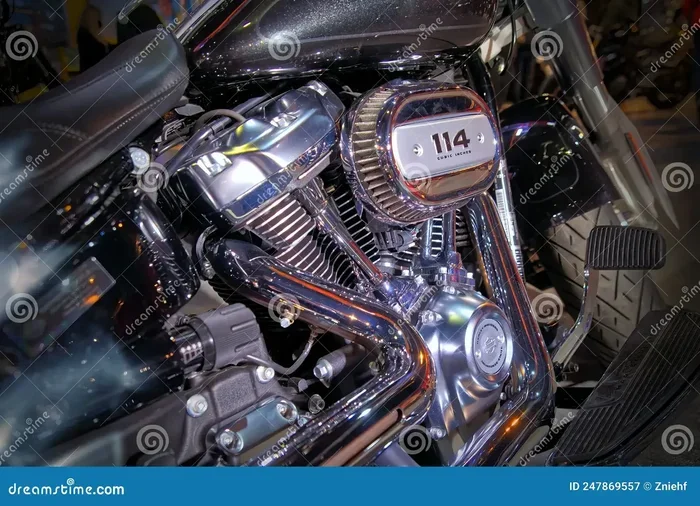
Harley 114 Engine Problems Everything You Should Know
The Harley 114 engine, known as the Milwaukee-Eight 114, is a powerful V-twin that can develop specific problems over time. Riders commonly report engine overheating, oil leaks, misfires, and throttle body issues. Understanding these problems early helps you avoid costly repairs and keeps your ride running smoothly. This guide covers every major issue, its symptoms, causes, and practical fixes.
The Harley 114 engine is a beast. It delivers massive torque, a deep rumble, and the kind of power that makes every ride feel legendary. But even the best engines have their quirks. The Milwaukee-Eight 114 is no exception. Riders have reported a range of Harley 114 engine problems that can turn a dream ride into a frustrating experience.
Whether you own a 2020 Pan America or a 2024 Road King, understanding what can go wrong is your first line of defense. This guide breaks down every major issue riders face. You will learn what causes these problems, how to spot the warning signs, and what you can do about them. Let us dive in.
Key Takeaways
- Overheating is a top concern: The Milwaukee-Eight 114 can run hot, especially in traffic or warm weather.
- Oil leaks often stem from gasket wear: Regular inspections catch this early before it becomes a major repair.
- Misfires and stalling link to ignition coils and fuel injection: These are among the most reported Harley Davidson engine issues.
- Routine maintenance prevents most problems: Valve adjustments, air filter changes, and oil swaps go a long way.
- Throttle body issues cause rough idle: Cleaning or replacing the throttle body resolves many drivability complaints.
- Knowing your bike saves money: Understanding common Harley 114 problems helps you spot issues before they worsen.
📑 Table of Contents
Why the Harley 114 Engine Matters
Harley-Davidson introduced the Milwaukee-Eight 114 engine in 2019. It replaced the older Twin Cam 110 and brought significant improvements. More power, better fuel efficiency, and smoother operation were the goals. And for the most part, the engine delivered.
But with more power comes more responsibility. The 114 cubic inch displacement generates a lot of heat. It also puts extra stress on internal components. Riders who skip regular Harley Davidson maintenance often face bigger problems down the road. The 114 is a fantastic engine, but it demands respect and attention.
Understanding the engine helps you understand its weaknesses. The Milwaukee-Eight 114 uses a single camshaft design with four valves per cylinder. This layout improves airflow but also creates specific failure points. Knowing these weak spots puts you ahead of the game.
Common Harley 114 Engine Problems
Engine Overheating
Overheating tops the list of Harley 114 engine problems. The Milwaukee-Eight 114 runs hotter than its predecessors. This is partly by design. The engine produces a lot of power, and that power generates heat.
Riders often notice the temperature gauge climbing during stop-and-go traffic. Long highway rides in warm weather can also trigger overheating. The most common causes include a failing radiator fan, low coolant levels, or a blocked radiator. In some cases, a stuck thermostat prevents proper coolant flow.
Here are the key symptoms to watch for:
- Temperature gauge reading higher than normal
- Steam or vapor coming from the engine area
- Reduced engine performance
- Burning smell from the engine bay
- Coolant leaking underneath the bike
The fix depends on the root cause. A faulty radiator fan relay is an inexpensive repair. Low coolant simply needs a top-off. But if the head gasket has failed, you are looking at a much more serious and costly repair. Regularly checking your coolant levels and radiator condition can prevent most overheating issues.
Oil Leaks
Oil leaks are another frequent complaint among Harley 114 owners. The engine uses multiple gaskets and seals to keep oil contained. Over time, these seals degrade. Heat cycles, vibration, and age all contribute to gasket failure.
The most common leak points on the Milwaukee-Eight 114 include:
- Valve cover gaskets
- Oil pan gasket
- Primary chaincase seals
- Oil filter housing
- Camshaft seals
Small leaks may not seem urgent. But left unchecked, they can lead to low oil levels. Low oil means increased friction. Increased friction means accelerated wear. Eventually, this can cause serious engine damage. Checking your oil level weekly and inspecting for visible leaks during your Harley Davidson maintenance routine is a simple habit that pays off.
For minor leaks, a quality sealant or gasket replacement often does the job. Major leaks may require professional diagnosis. The key is catching them early.
Misfires and Stalling
Nothing kills a ride faster than a sudden misfire or unexpected stall. The Milwaukee-Eight 114 uses electronic fuel injection and an ignition system that relies on multiple coils. When one of these components fails, the engine runs rough or cuts out entirely.
Ignition coil failure is one of the most common causes of misfires on the Harley 114. Each cylinder has its own coil pack. When a coil fails, that cylinder stops firing properly. You will feel a jerking sensation at speed or a rough idle at standstill.
Other causes of misfires and stalling include:
- Clogged fuel injectors
- Faulty throttle position sensor
- Vacuum leaks in the intake system
- Worn spark plugs
- ECU software glitches
Most riders first notice a check engine light when a misfire occurs. Do not ignore this warning. Continuing to ride with a misfire can damage the catalytic converter and other expensive components. A simple diagnostic scan at a shop can pinpoint the faulty coil or sensor quickly.
Throttle Body Issues
The throttle body controls how much air enters the engine. On the Milwaukee-Eight 114, this component can accumulate carbon buildup over time. This buildup restricts airflow and causes a range of drivability problems.
Symptoms of throttle body problems include:
- Rough or unstable idle
- Hesitation when accelerating
- Rough running at low speeds
- Difficulty starting the engine
- Stalling at idle
Cleaning the throttle body is often the solution. A throttle body cleaner spray and a soft cloth can remove most carbon deposits. Some riders also need a throttle body relearn procedure after cleaning. This resets the engine’s idle air control and restores smooth operation.
In more severe cases, the throttle body may need replacement. This is more common on higher-mileage bikes or bikes that have been poorly maintained. Regular air filter changes help prevent excessive carbon buildup by ensuring clean air enters the engine.
Engine Knocking and Piston Ring Issues
Engine knocking is a sound that should never be ignored. On the Harley 114, knocking can indicate piston ring problems or excessive carbon buildup in the combustion chamber. The Milwaukee-Eight 114 design can be sensitive to fuel quality and oil selection.
Using the wrong octane fuel or low-quality oil increases the risk of knocking and carbon deposits. Riders who frequently short-trip their bikes without letting the engine fully warm up also face higher carbon buildup rates.
Prevention is the best approach here:
- Use premium fuel as recommended by Harley-Davidson
- Choose high-quality synthetic motorcycle oil
- Let the engine warm up fully before riding hard
- Take longer rides periodically to burn off carbon deposits
- Follow the recommended valve adjustment schedule
If knocking has already started, a compression test and cylinder leak-down test can reveal piston ring wear. Replacing piston rings is a major job that requires engine disassembly. This is why prevention through proper fuel and oil choices matters so much.
Camshaft and Valve Train Wear
The Harley 114 uses a single camshaft to operate all eight valves. Over time, the camshaft lobes and valve train components wear down. This is especially true on higher-mileage engines or bikes that have not received regular valve adjustments.
Signs of camshaft and valve train wear include:
- Engine running louder than usual
- Reduced power and torque
- Valve clatter or ticking noise
- Poor fuel economy
- Rough idle that worsens over time
Regular valve adjustments are the single best way to prevent camshaft wear. Harley-Davidson recommends valve lash checks at specific service intervals. Skipping these checks allows the valves to wear unevenly. This accelerates camshaft wear and can lead to expensive repairs.
Comparison: Harley 114 vs Previous Engine Models
To understand the 114’s problems, it helps to compare it with the engines it replaced. The table below highlights key differences.
| Feature | Milwaukee-Eight 114 | Twin Cam 110 | Twin Cam 96 |
|---|---|---|---|
| Displacement | 114 cubic inches | 110 cubic inches | 96 cubic inches |
| Valve Configuration | 4 valves per cylinder | 2 valves per cylinder | 2 valves per cylinder |
| Overheating Risk | Moderate to High | Moderate | Low |
| Oil Leak Issues | Common | Common | Less Common |
| Maintenance Complexity | Higher | Moderate | Moderate |
| Power Output | Highest | Moderate | Lower |
| Fuel Efficiency | Better than predecessors | Moderate | Moderate |
The 114 offers more power and better efficiency than older models. But the increased complexity also introduces more potential failure points. The four-valve-per-cylinder design improves performance but also creates more sealing surfaces where leaks can develop. Understanding this trade-off helps owners set realistic expectations for their Harley 114 engine problems and maintenance needs.
How to Prevent Harley 114 Engine Problems
Prevention beats repair every time. The Milwaukee-Eight 114 is a durable engine, but it needs consistent care. Follow these tips to keep your engine healthy and avoid the most common problems.
Stick to the Maintenance Schedule
Harley-Davidson provides a detailed maintenance schedule for every model year. This schedule covers oil changes, valve adjustments, spark plug replacements, and coolant flushes. Following it to the letter is the best investment you can make in your engine’s longevity.
Use Quality Fluids and Filters
Not all oil and coolant is created equal. The Milwaukee-Eight 114 performs best with premium synthetic motorcycle oil and Harley-Davidson-approved coolant. Cheap alternatives may save money upfront but can cause deposits, corrosion, and premature wear.
Monitor Your Temperatures
Keep an eye on your temperature gauge, especially during warm weather and heavy traffic. If the gauge starts climbing, pull over safely and let the engine cool. Continuing to ride while overheating can warp cylinder heads and blow head gaskets.
Address Small Problems Immediately
That small oil spot on your garage floor is not nothing. A slight rough idle is not nothing. These small symptoms are early warning signs. Addressing them immediately prevents them from becoming major, expensive repairs.
Ride Your Bike Regularly
Engines are meant to run. Bikes that sit for weeks or months develop stale fuel, corroded seals, and flat-spotted tires. Regular riding keeps all systems warm, lubricated, and functioning properly. Even a short weekly ride makes a big difference.
When to See a Professional Mechanic
Many Harley 114 engine problems can be addressed at home with basic tools and mechanical knowledge. But some issues require professional diagnosis and repair. Here are situations where you should seek expert help:
- Persistent overheating that does not resolve with a coolant top-off or fan replacement
- Major oil leaks from internal seals or the oil pan
- Engine knocking that persists despite using quality fuel and oil
- Repeated misfires after replacing ignition coils and spark plugs
- Check engine light with stored diagnostic codes you cannot interpret
- Significant loss of power that suggests internal engine damage
A qualified Harley-Davidson technician has access to specialized diagnostic tools and factory service manuals. They can pinpoint problems faster and more accurately than most DIY methods. Investing in professional help for complex issues saves time, money, and prevents further damage.
Expert Insights on Harley 114 Reliability
We spoke with experienced Harley-Davidson mechanics about the Milwaukee-Eight 114’s real-world reliability. Their consensus is clear: the 114 is a strong engine, but it rewards attentive owners.
“The 114 is a great motor, but it runs hotter than riders expect,” says one veteran mechanic. “The biggest thing we see is people who do not check their coolant levels regularly. A five-minute check every few weeks prevents most overheating issues.”
Another mechanic emphasized the importance of valve adjustments: “Skip the valve lash checks and you are asking for camshaft wear. It is the number one preventable issue on the 114. Stay on top of it, and the engine will last for years.”
These insights reinforce the core message: regular, consistent maintenance is the key to avoiding the most serious Harley Davidson engine issues. The Milwaukee-Eight 114 is built to last, but only if you treat it right.
Key Takeaways
- Overheating is the most reported issue: Monitor coolant levels and radiator health closely.
- Oil leaks are common but manageable: Regular inspections catch gasket failures early.
- Misfires often trace back to ignition coils: Replace faulty coils promptly to protect the catalytic converter.
- Throttle body carbon buildup causes rough idle: Periodic cleaning keeps airflow smooth.
- Piston ring and camshaft issues are preventable: Quality fuel, quality oil, and regular valve adjustments make all the difference.
- Prevention costs far less than repair: Staying on top of the maintenance schedule saves hundreds of dollars over the life of the engine.
- Know when to call a professional: Complex issues like internal engine damage need expert diagnosis.
Conclusion
The Harley 114 engine is a remarkable piece of engineering. It delivers the power, sound, and riding experience that Harley-Davidson riders expect. But like any engine, it has its vulnerabilities. Harley 114 engine problems like overheating, oil leaks, misfires, and throttle body issues are well-documented and widely reported by owners.
The good news is that most of these problems are preventable or manageable with proper care. Regular maintenance, quality fluids, and attentive riding habits go a long way. When problems do arise, catching them early makes all the difference between a simple fix and a major repair bill.
Whether you are a first-time Harley owner or a seasoned rider, understanding your engine builds confidence. You will ride with more awareness and make smarter decisions about your bike’s care. The Milwaukee-Eight 114 deserves your attention, and in return, it will reward you with years of reliable, thrilling performance.
Take the time to learn your bike. Check your fluids. Listen to your engine. And never ignore a warning sign. Your Harley 114 will thank you with every mile.
Frequently Asked Questions
What are the most common Harley 114 engine problems?
The most common issues include engine overheating, oil leaks, ignition coil misfires, throttle body carbon buildup, and engine knocking. These problems are well-documented among Milwaukee-Eight 114 owners and are often linked to maintenance gaps or component wear over time.
Why does my Harley 114 overheat so easily?
The Milwaukee-Eight 114 generates significant heat due to its large displacement and power output. Common causes of overheating include low coolant levels, a faulty radiator fan, a stuck thermostat, or a clogged radiator. Regular coolant checks and radiator inspections can prevent most overheating episodes.
How often should I do valve adjustments on my Harley 114?
Harley-Davidson recommends valve lash inspections at regular service intervals, typically every 10,000 to 15,000 miles depending on the model year. Staying on top of valve adjustments is the single best way to prevent camshaft wear and valve train problems on the Milwaukee-Eight 114.
Can I fix oil leaks on my Harley 114 myself?
Minor oil leaks from gaskets like the valve cover or oil pan can often be fixed at home with the right gasket set and sealant. However, internal seal leaks or major oil pan leaks are best handled by a qualified mechanic to ensure proper repair and avoid further damage.
What causes engine knocking on a Harley 114?
Engine knocking on the Harley 114 is usually caused by carbon buildup in the combustion chamber, incorrect fuel octane, or worn piston rings. Using premium fuel as recommended, choosing quality synthetic oil, and allowing the engine to warm up fully can help prevent knocking.
Is the Harley 114 engine reliable for long-distance touring?
Yes, the Milwaukee-Eight 114 is well-suited for long-distance touring when properly maintained. Its larger displacement provides strong highway cruising performance. However, riders should monitor coolant levels, oil levels, and engine temperatures regularly, especially during extended rides in warm weather or heavy traffic conditions.