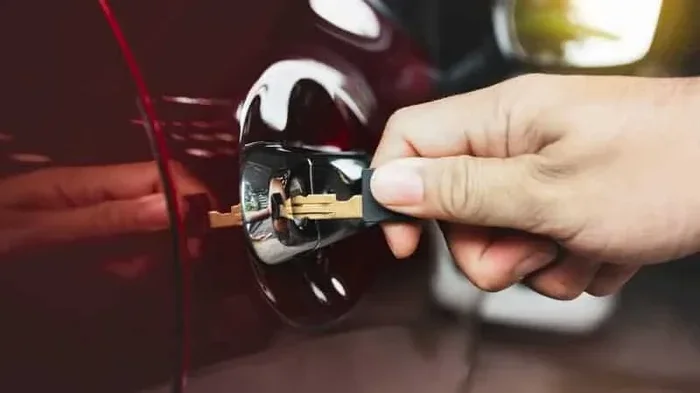
Find Out Why Cant I Manually Unlock My Car Door Today
Struggling to manually unlock your car door? This guide breaks down the most common reasons your lock fails, from worn cylinders to frozen mechanisms, and gives you actionable fixes you can try today. You will learn how manual locks work, what causes them to break, and when to call a professional. With simple tips and clear explanations, you will be back behind the wheel in no time.
Have you ever stood at your car, key in hand, trying to figure out why you can’t manually unlock your car door? It is one of the most frustrating moments in any driver’s day. Whether the lock feels stiff, the handle seems broken, or the mechanism just refuses to cooperate, the problem always seems to strike at the worst possible time. In this article, we will walk you through the most common reasons behind this issue and give you practical steps to fix it yourself.
You will learn about how manual car door locks work, what causes them to fail, and when it is time to call a professional. By the end, you will have the knowledge and confidence to handle most lock problems on your own. Let us get into it.
Manually unlocking a car door should be simple. You insert the key, turn it, and the door pops open. But when that simple action becomes a struggle, it can throw off your entire day. Understanding the basics of your car’s locking system is the first step toward solving the problem. Modern vehicles come packed with technology, but the manual lock mechanism remains a fundamental part of every car. When it fails, knowing the root cause saves you time, money, and a lot of stress. Let us dive into the most common reasons your manual lock might not be working.
Key Takeaways
- Worn lock cylinders and broken linkages are the top culprits behind manual unlock failures in most vehicles.
- Cold weather and ice buildup can freeze your car door lock solid, making manual entry nearly impossible.
- Power lock failures often mimic manual lock problems, so it is important to diagnose the real cause first.
- Simple DIY fixes like graphite lubricant and handle adjustments can resolve many lock issues at home.
- Knowing when to call a locksmith saves you money and prevents further damage to your vehicle.
- Regular maintenance of your car door lock system extends its lifespan and prevents unexpected failures.
- Understanding your vehicle’s central locking system helps you troubleshoot both manual and power lock problems.
📑 Table of Contents
- Common Reasons Your Car Door Won’t Unlock Manually
- How Manual Car Door Locks Actually Work
- Power Lock Failures and What Goes Wrong
- Weather and Environmental Factors That Cause Lock Problems
- DIY Fixes You Can Try Right Now
- When to Call a Professional Locksmith
- Preventing Future Manual Lock Problems
- Comparison: Manual vs Power Lock Systems
- Key Takeaways
- Conclusion
Common Reasons Your Car Door Won’t Unlock Manually
When your car door lock refuses to respond, the cause usually falls into one of several common categories. Each one has its own set of symptoms and solutions. Let us look at the most frequent problems drivers face every day.
Worn Out Lock Cylinder
The lock cylinder is the part you insert your key into. Over time, the internal pins and tumblers wear down. This happens naturally with regular use, especially if you often force the key in at an angle. A worn cylinder makes it hard to turn the key or prevents it from going in all the way.
Signs of a worn lock cylinder include:
- The key sticks or jams inside the lock
- You have to wiggle the key to get it to turn
- The key feels loose or sloppy in the cylinder
- The lock does not click into place when turned
If you notice any of these symptoms, the cylinder may need replacement. This is one of the most common reasons why you can’t manually unlock your car door. A locksmith can swap out the cylinder quickly and affordably.
Broken Door Handle or Linkage
Your car door handle connects to the lock mechanism through a series of rods and linkages. If one of these parts breaks or comes loose, the handle may feel floppy or unresponsive. You might pull the handle hard and hear a rattling sound inside the door panel.
Common causes of broken linkage include:
- Plastic clips that hold the rods in place snap over time
- Metal rods bend or disconnect from the lock actuator
- The door handle itself cracks from repeated use
- Rust or corrosion weakens the connection points
When the linkage fails, the car door latch cannot engage properly. This means the door stays locked even when you turn the key. Inspecting the linkage requires removing the door panel, which is a job most DIYers can handle with basic tools.
Frozen Lock Mechanism
Cold weather is a serious enemy of your car’s locking system. Moisture gets inside the lock cylinder and freezes, turning a small amount of water into ice that blocks the mechanism entirely. This is especially common in winter months and in regions that experience freezing temperatures.
If you try to unlock your car door in freezing weather and the key will not turn, do not force it. Forcing a frozen lock can bend the key or crack the cylinder. Instead, try warming the lock with your breath or a hairdryer on a low setting. A small amount of lock de-icer spray can also work wonders in these situations.
Faulty Door Latch Assembly
The door latch is the piece that physically holds the door shut and releases when you unlock it. When the latch assembly wears out or gets damaged, the door may not open even with the key turned correctly. This is a more serious problem that often requires full replacement of the latch unit.
Watch for these warning signs of a bad latch:
- The door feels loose or rattles while driving
- The door will not latch shut even when you push it
- You hear grinding noises when turning the key
- The door opens from the inside but not from the outside
How Manual Car Door Locks Actually Work
Understanding how your manual lock mechanism works helps you diagnose problems faster. The system is simpler than most people think. When you insert the key and turn it, you are activating a series of pins inside the cylinder that release the latch. The latch then retracts, allowing the door to open.
Here is a simple breakdown of the process:
- You insert the key into the lock cylinder
- The key’s ridges push internal pins to the correct height
- When all pins align, the cylinder rotates freely
- The rotation pulls a rod connected to the latch
- The latch releases and the door swings open
Each step depends on the previous one. If any single part fails, the whole system stops working. This is why identifying the exact point of failure is so important. A lock mechanism problem at the cylinder level is very different from a problem at the linkage level, and each requires a different fix.
The car door handle on the outside connects to this system through the linkage rods. When you pull the handle, you are pulling those rods, which in turn retract the latch. If the handle feels loose or does not return to its normal position, the linkage is likely the issue rather than the lock itself.
Power Lock Failures and What Goes Wrong
Many modern vehicles come with central locking systems that allow you to lock and unlock all doors at once. These systems rely on electrical signals and small motors called door lock actuators. When the power lock fails, it can sometimes feel like the manual lock is broken too, even though the two systems are separate.
Actuator Problems
The door lock actuator is a small motor that engages the lock when you press the button on your key fob not working scenario or the door panel switch. When the actuator fails, you may hear a clicking sound but the lock does not move. In some cases, the actuator burns out completely and makes no sound at all.
Common actuator issues include:
- The motor inside the actuator wears out from age
- Electrical connections corrode or come loose
- The actuator gear strips after repeated use
- Wiring harnesses get damaged from door movement over time
When Power Failure Mimics Manual Failure
Here is where things get tricky. Sometimes a power lock failure makes it seem like your manual unlock car door is broken. For example, if the actuator is stuck in the locked position, it can physically block the latch from releasing, even when you turn the key. In these cases, fixing the power system often solves the manual problem too.
If you have experienced an electronic lock failure followed by manual lock problems, check both systems before assuming the worst. A simple diagnostic at a repair shop can tell you exactly which system is causing the trouble.
Quick Tip: Before assuming your manual lock is broken, test the power lock system first. If the power lock works but the manual one does not, the problem is likely in the mechanical parts, not the electrical system.
Weather and Environmental Factors That Cause Lock Problems
Your car’s locking system faces a lot of abuse from the environment. Rain, snow, dirt, and temperature changes all take a toll on the mechanical parts over time. Understanding how weather affects your locks helps you prevent problems before they start.
Cold Weather and Ice Buildup
As mentioned earlier, cold weather can freeze your lock solid. But it is not just about ice. Repeated freezing and thawing causes condensation inside the lock cylinder, which leads to rust and corrosion over time. This gradual damage weakens the internal components and makes manual unlocking harder each winter.
To protect your locks from cold weather damage:
- Use a frozen car lock de-icer spray before winter sets in
- Keep the lock cylinder dry by parking in a garage when possible
- Apply a silicone-based lubricant to the lock mechanism twice a year
- Avoid pouring hot water on a frozen lock, as it can cause thermal shock and crack the cylinder
Dirt, Debris, and Corrosion
Dirt and road grime work their way into the lock mechanism over time. This buildup creates friction that makes the key harder to turn. In coastal areas, salt air accelerates corrosion on metal lock parts, causing them to seize up faster than normal.
Regular cleaning of the lock cylinder with a compressed air canister helps remove debris. If you live near the ocean or drive on salted roads in winter, consider applying a protective coating to the lock mechanism more frequently.
DIY Fixes You Can Try Right Now
Before you call a mechanic, there are several door lock repair steps you can try at home. Many manual lock problems have simple solutions that require nothing more than household items and basic tools.
Step 1: Lubricate the Lock Cylinder
Dry or sticky locks often just need lubrication. Graphite powder is the best choice for car locks because it does not attract dirt like oil-based lubricants do. Insert a small amount of graphite into the keyhole and work the key in and out several times to distribute it.
Expert Insight: Never use WD-40 or similar oil sprays on car lock cylinders. They attract dust and grime that eventually make the problem worse. Stick with dry graphite or Teflon-based lock lubricants for best results.
Step 2: Check the Door Handle and Linkage
If lubrication does not solve the problem, inspect the door handle and linkage. You will need to remove the door panel, which is usually held on by a few screws and plastic clips. Once the panel is off, look for disconnected rods, broken clips, or visible damage to the linkage assembly.
Reconnecting a loose rod or replacing a broken clip is often all it takes to restore manual unlock function. These parts are inexpensive and widely available at auto parts stores.
Step 3: Examine the Lock Cylinder for Wear
If the key still does not turn smoothly, the lock cylinder itself may be worn. Remove the cylinder and inspect the internal pins. If they look corroded or damaged, a replacement cylinder is an affordable fix. Most lock cylinders cost between $20 and $60 and can be swapped in under 30 minutes with basic tools.
Common Mistakes to Avoid: Do not force a stuck key. Forcing it can snap the key off inside the lock, creating a much bigger problem. If the key will not turn, stop and try lubrication or warming the lock first.
Step 4: Address Frozen Locks Safely
For frozen locks, patience is key. Use your breath to warm the lock cylinder, or apply a commercial de-icer product. Never use boiling water, as the sudden temperature change can damage the lock housing and surrounding door components. Once the ice melts, work the key in and out gently to clear any remaining moisture.
When to Call a Professional Locksmith
Not every lock problem can be solved with a DIY fix. Some issues require the expertise of a trained professional. Knowing when to call for help saves you from causing additional damage and can actually save money in the long run.
Signs You Need Professional Help
Consider calling a locksmith if you experience any of the following:
- The key breaks off inside the lock cylinder
- The door is completely stuck and will not open from any angle
- You notice metal shavings or debris inside the lock mechanism
- The lock mechanism feels completely seized and unresponsive
- Multiple doors have lock problems at the same time
What to Expect from a Locksmith Visit
A professional locksmith can diagnose lock mechanism problems quickly using specialized tools. They can replace cylinders, repair linkages, and even extract broken keys without damaging the door. Most locksmith visits for manual lock issues take less than an hour and cost between $75 and $200 depending on the repair needed.
If your vehicle security system is also involved, a locksmith can integrate the manual lock repair with any electronic components to ensure everything works together seamlessly. This is especially important for newer vehicles where the manual and power lock systems share electronic controls.
Quick Tip: Keep the phone number of a trusted local locksmith saved in your phone. Having this information ready before you need it can save you from panic and expensive roadside assistance fees during a lockout situation.
Preventing Future Manual Lock Problems
The best way to deal with a broken manual lock is to prevent it from breaking in the first place. A little regular maintenance goes a long way toward keeping your car door lock system working smoothly for years to come.
- Lubricate your locks every six months with graphite powder or a Teflon-based lubricant
- Clean the lock cylinders annually to remove dirt and debris buildup
- Use your key gently and never force it if it feels stuck
- Inspect the door linkage during regular car maintenance checks
- Park in a garage or covered area when possible to protect locks from extreme weather
- Replace worn keys before they become too damaged to turn properly in the cylinder
- Check the central locking system regularly to catch power lock issues before they affect manual operation
Taking these simple steps can dramatically extend the life of your manual lock mechanism and reduce the chances of finding yourself locked out. Prevention is always easier and cheaper than repair.
Comparison: Manual vs Power Lock Systems
| Feature | Manual Lock System | Power Lock System |
|---|---|---|
| Operation Method | Physical key insertion and turning | Button press or remote signal |
| Common Failure Points | Lock cylinder, linkage, latch | Actuator, wiring, control module |
| Repair Cost (Average) | $20 – $150 | $50 – $300 |
| Weather Vulnerability | High (ice and corrosion) | Moderate (electrical issues) |
| DIY Repairability | High for most issues | Low to moderate |
| Reliability Over Time | Very high with maintenance | Moderate, depends on electronics |
As you can see from the comparison, manual lock systems are generally simpler and more affordable to repair. However, they are more vulnerable to environmental factors like cold weather and moisture. Power lock systems offer convenience but come with more complex electrical components that can fail in their own ways.
Key Takeaways
- Worn lock cylinders and broken linkages are the top culprits behind manual unlock failures in most vehicles.
- Cold weather and ice buildup can freeze your car door lock solid, making manual entry nearly impossible.
- Power lock failures often mimic manual lock problems, so it is important to diagnose the real cause first.
- Simple DIY fixes like graphite lubricant and handle adjustments can resolve many lock issues at home.
- Knowing when to call a locksmith saves you money and prevents further damage to your vehicle.
- Regular maintenance of your car door lock system extends its lifespan and prevents unexpected failures.
- Understanding your vehicle’s central locking system helps you troubleshoot both manual and power lock problems.
Conclusion
Dealing with a car door that will not unlock manually is frustrating, but it is almost always a solvable problem. Whether the cause is a worn cylinder, broken linkage, frozen mechanism, or power lock interference, there is a fix for every situation. The key is to diagnose the problem correctly before jumping to conclusions or making costly repairs.
Start with the simple stuff. Lubricate the lock, check the linkage, and clear any ice or debris. These steps resolve the majority of manual unlock issues without any professional help. If the problem persists, a locksmith can quickly identify and fix the root cause.
Remember that why you can’t manually unlock your car door usually comes down to one of a handful of common causes. Once you know what that cause is, the fix is straightforward. With the knowledge you have gained from this guide, you are now equipped to handle most manual lock problems with confidence. Take care of your locks, and they will take care of you for many miles to come.
Frequently Asked Questions
Why won’t my key turn in the car door lock?
The most common reason is a worn lock cylinder or a frozen mechanism. Try applying graphite lubricant to the keyhole and warming the lock with your breath if it is cold outside. If the key still will not turn, the cylinder may need replacement.
Can a broken car door handle cause the lock to fail?
Yes, a broken door handle or damaged linkage rod can prevent the lock from releasing properly. Even if the lock cylinder works fine, a broken connection between the handle and the latch means the door will not open when you pull the handle.
How do I unfreeze a car door lock in winter?
Use a commercial lock de-icer spray or warm the lock cylinder with your breath. Never pour hot water on a frozen lock. You can also try inserting a key coated in a small amount of rubbing alcohol, which helps melt the ice inside the cylinder.
Is it safe to use WD-40 on my car door lock?
No, WD-40 is not recommended for car door locks. It attracts dirt and dust that build up inside the cylinder over time, making the problem worse. Use dry graphite powder or a Teflon-based lock lubricant instead for lasting protection.
How much does it cost to fix a manual car door lock?
Simple fixes like lubrication or linkage reconnection cost little to nothing. Replacing a lock cylinder typically runs between $20 and $60 for the part plus labor if done professionally. A locksmith visit for manual lock repair usually costs between $75 and $200 depending on the complexity.
What should I do if my key breaks off inside the car door lock?
Do not try to extract the broken key yourself with tweezers or other tools, as this can push the key fragment deeper. Contact a professional locksmith who has specialized extraction tools to remove the broken piece safely and replace the lock cylinder if needed.