What Does Push-Button Start With Key Fob Mean – Explained
Push-button start with key fob is a modern car feature that lets you start your engine without inserting a traditional key. The system uses a smart key and proximity sensor to detect when your fob is nearby, making keyless ignition quick and easy. This convenience feature has become standard in most new vehicles and offers greater comfort and security for drivers.
You step into your car, press a button, and the engine roars to life. No key to turn. No ignition slot to find. That is the magic of push-button start with key fob. It is one of the most popular convenience features in modern vehicles today. Whether you drive a sedan, SUV, or truck, there is a good chance your car uses this system. But what exactly does it mean? How does it work? And is it really as simple as it looks?
In this guide, we will break it all down. You will learn how the push button ignition system works, why it matters, and what to do when things go wrong. We will also cover tips, common mistakes, and expert advice. By the end, you will be a push-button start pro. Let us get into it.
Key Takeaways
- Easy Engine Start: Press the start button while keeping your foot on the brake, and the car fires up instantly.
- Smart Key Technology: The key fob communicates with the car using a transponder chip and proximity sensor.
- Added Security: These systems include anti-theft measures and electronic immobilizers to protect your vehicle.
- Common Issues Exist: Dead fob batteries and sensor problems are the most frequent troubles drivers face.
- Simple Maintenance: Replacing the fob battery and keeping the fob close to the reader solves most problems.
📑 Table of Contents
- What Is Push-Button Start with Key Fob?
- How Does Push-Button Start with Key Fob Actually Work?
- Benefits of Push-Button Start with Key Fob
- Potential Issues with Push-Button Start Systems
- Push-Button Start vs Traditional Key Ignition
- Tips for Using Your Key Fob Effectively
- Is Push-Button Start Safe and Secure?
- What to Do When Your Push-Button Start Won’t Work
- The Future of Push-Button Start Technology
- Conclusion
What Is Push-Button Start with Key Fob?
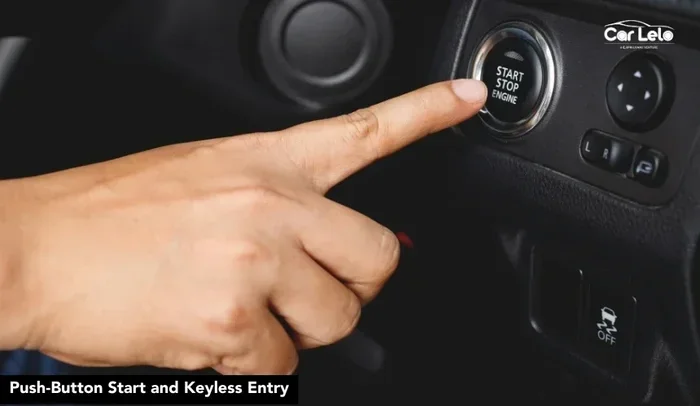
Push-button start with key fob is a keyless ignition system that replaces the traditional metal key. Instead of inserting a key into a slot, you simply press a button on the dashboard or center console. The car recognizes your smart key and allows the engine start sequence to begin. It is fast, smooth, and feels very futuristic.
The key fob is a small remote device you carry in your pocket or bag. It sends a low-frequency signal to the car. When the car detects the fob is inside the vehicle, it unlocks the doors and allows you to start the engine. This whole process happens in seconds.
How the Key Fob Communicates with the Car
Your key fob contains a tiny transponder chip. This chip sends a unique identification code to the car’s computer. The computer checks the code against its stored memory. If the codes match, the system arms the push-to-start function. If they do not match, the car stays locked and the engine will not turn over.
This vehicle security process happens in milliseconds. You never see it happening, but it is always working. The anti-theft system built into modern push-button start systems is one of the reasons car theft has become harder in recent years.
What Makes This Different from a Traditional Key?
A traditional car ignition requires a physical key. You insert the key, turn it, and the car starter engages the engine. With push-button start, there is no mechanical connection. Everything is electronic. The proximity sensor in the car detects the fob’s presence, and the electronic immobilizer confirms the fob is authentic before allowing ignition.
This shift from mechanical to electronic means fewer moving parts. Fewer moving parts means less wear and tear over time. It also means a smoother, quieter start every time you get behind the wheel.
How Does Push-Button Start with Key Fob Actually Work?
Understanding the ignition system behind push-button start helps you appreciate the technology. The process is not magic. It is a carefully designed sequence of electronic signals and computer checks. Here is how it works step by step.
Step 1: The Fob Sends a Signal
When you approach your car with the smart key in your pocket or bag, the keyless entry system wakes up. The car’s antenna outside the vehicle picks up the fob’s signal. The doors unlock automatically if the fob is within range. This is the keyless entry part of the system, and it works even before you sit down.
Step 2: The Car Detects the Fob Inside
Once you sit inside, the car’s internal proximity sensor detects the fob. The sensor checks that the fob is within a certain distance. Most systems work within a few feet of the driver. If the fob is detected, the dashboard lights up and the start button becomes active.
Step 3: You Press the Start Button
With your foot firmly on the brake pedal, you press the push start button. The car’s computer verifies the fob signal one more time. It checks the transponder chip code and confirms the fob is authentic. Once verified, the engine start sequence begins. The starter motor engages, the fuel system activates, and the engine fires up.
Step 4: The Engine Runs
After the engine starts, the ignition system shifts to run mode. The car is now ready to drive. You do not need to keep your foot on the brake. You just release the parking brake, put the car in gear, and go. The entire process takes less than five seconds.
Benefits of Push-Button Start with Key Fob
The push-button start system offers many advantages over traditional keys. These benefits go beyond just looking cool. They make your daily driving experience better in real, practical ways.
1. Unmatched Convenience
You do not have to fumble with a key in the dark. You do not need to dig through your bag to find the right key. The key fob stays in your pocket or purse, and the car does the rest. This convenience feature saves time and reduces frustration, especially on busy mornings.
2. Enhanced Vehicle Security
Push-button start systems come with built-in vehicle security features. The transponder chip ensures only your specific fob can start the engine. The electronic immobilizer prevents the engine from running with an unrecognized fob. This makes your car much harder to steal compared to older vehicles with simple mechanical keys.
3. Modern and Sleek Design
Car manufacturers love push-button ignition because it gives the cabin a clean, modern look. There is no bulky key slot on the steering column or center console. The start button is small and elegant. This minimalist design has become a hallmark of modern cars.
4. Remote Start Capability
Many key fob systems include a remote start function. You can start the engine from outside the car using the fob. This is especially useful in cold weather when you want to warm up the cabin before you get in. Some systems even let you start the car from your smartphone using a dedicated app.
5. Reduced Key Wear and Tear
Traditional keys wear out over time. The grooves get worn, and the key may stop fitting the lock properly. With push-button start, there is no physical key to wear down. The smart key lasts much longer because it does not interact with any mechanical parts. You may still need to replace the key fob battery occasionally, but that is a quick and cheap fix.
Potential Issues with Push-Button Start Systems
No technology is perfect. Push-button start systems are reliable, but they can have issues. Knowing what can go wrong helps you stay prepared and avoid surprises.
Dead Key Fob Battery
The most common problem is a dead key fob battery. When the battery dies, the fob cannot send its signal. The car will not detect the fob, and the engine start will fail. Most fobs use a small coin-cell battery, like a CR2032. Replacing it is simple and costs just a few dollars.
Fob Signal Interference
Sometimes, the proximity sensor cannot read the fob signal. This can happen if the fob is buried deep in a bag or pocket. Metal objects, electronics, and even other key fobs nearby can cause signal interference. The fix is simple: move the fob closer to the start button or the steering column area.
Software Glitches
Like any computer-based system, push-button ignition systems can experience software glitches. A faulty update or a momentary system error can prevent the car from starting. In most cases, turning the car off and on again resolves the issue. If the problem persists, a car care professional can run a diagnostic check.
Fob Not Recognized After Battery Replacement
After replacing the key fob battery, some systems need to be re-synced. The fob may not work right away even though the battery is new. Check your owner’s manual for the re-sync procedure. Usually, it involves pressing a specific button combination on the fob while standing near the car.
Push-Button Start vs Traditional Key Ignition
How does push-button start compare to the old-school car ignition method? Let us look at the key differences.
| Feature | Push-Button Start | Traditional Key |
|---|---|---|
| Ease of Use | Very easy, just press a button | Requires inserting and turning a key |
| Security Level | High, uses transponder chip and anti-theft system | Moderate, relies on physical key match |
| Key Replacement Cost | Higher, fob requires programming | Lower, standard key is cheaper |
| Wear and Tear | Minimal, no mechanical parts | Higher, key and lock wear over time |
| Remote Start | Usually available | Rare or not available |
| Battery Dependent | Yes, fob needs battery replacement | No, key has no battery |
As you can see, push-button start with key fob has clear advantages in most areas. The main trade-off is the higher cost of replacing a lost or damaged fob. But for most drivers, the convenience and security far outweigh this downside.
Tips for Using Your Key Fob Effectively
Getting the most out of your push-button start system is easy when you follow a few simple habits. Here are some practical tips every driver should know.
1. Keep the Fob Close to the Start Button
When you press the start button, make sure the fob is within range. Most systems work best when the fob is in your pocket, on the console, or in the cup holder. If you keep it in the glove box or trunk, the car may not detect it.
2. Replace the Battery Before It Dies
Do not wait for the fob to stop working. Replace the key fob battery every 1 to 2 years. Most fob batteries last about 12 to 18 months. A fresh battery ensures reliable keyless entry and smooth engine start every time.
3. Carry a Spare Fob
Always keep a spare smart key in a safe place. If your primary fob is lost, damaged, or the battery dies unexpectedly, a spare fob saves the day. Many dealerships and locksmiths can program a replacement fob for you.
4. Protect the Fob from Water Damage
Water and electronics do not mix well. Keep your key fob away from water, moisture, and extreme heat. A small protective case or pouch can extend the life of your fob significantly.
5. Update Your Car Software When Needed
Car manufacturers release software updates that improve push-button start performance and fix known bugs. Check with your dealer or read your owner’s manual to learn how to update your car’s system. Staying current keeps everything running smoothly.
Is Push-Button Start Safe and Secure?
Many drivers worry about the security of push-button ignition systems. After all, if the system is electronic, can it be hacked? The short answer is: modern systems are very secure. Here is why.
First, the transponder chip in your fob uses encrypted communication. The car and the fob exchange coded signals that change every time you start the engine. This rolling code technology makes it nearly impossible for thieves to replicate the signal.
Second, the electronic immobilizer prevents the engine from running without the correct fob. Even if someone somehow bypasses the keyless entry system, the engine will not start without the authenticated fob signal.
Third, many push-button start systems include additional layers of protection. Some cars require the fob to be inside the vehicle AND the driver to press the brake before the engine will start. This dual-check system adds another level of vehicle security.
Of course, no system is 100% foolproof. Car owners should always park in well-lit areas, keep the fob secure, and stay informed about any recalls or security updates from the manufacturer. But overall, push-button start systems are among the safest ignition options available today.
What to Do When Your Push-Button Start Won’t Work
Even with the best car care habits, you may run into a situation where the push start button does not respond. Here is a quick troubleshooting guide.
- Check the Fob Battery. Replace the battery if it is low or dead. This is the number one cause of push-button start failure.
- Move the Fob Closer. Try placing the fob directly on the start button or the steering column area. The proximity sensor may not be reading it from your pocket.
- Check the Brake Pedal. Make sure your foot is firmly on the brake. Without the brake signal, the car will not start.
- Try the Manual Key. Most push-button start systems have a hidden mechanical key inside the fob. Use it to manually unlock the driver’s door, then place the fob in the designated backup slot near the start button.
- Turn the Car Off and On. Sometimes a simple reset fixes the issue. Turn the electrical systems off, wait a few seconds, and try again.
- Call for Help. If none of the above works, contact your dealership or a qualified automotive locksmith. They have the tools and knowledge to diagnose push-button start problems quickly.
Knowing these steps can save you time and stress. Most push-button start issues are minor and easy to fix. The key is staying calm and working through the list systematically.
The Future of Push-Button Start Technology
Push-button start with key fob technology continues to evolve. Car manufacturers are always looking for ways to make the system better, faster, and more secure. Here are some exciting trends to watch.
Smartphone Integration: More cars now allow you to use your smartphone as a digital key. You can unlock the car and start the engine using your phone. This eliminates the need for a physical fob altogether.
Biometric Authentication: Some luxury brands are testing fingerprint and facial recognition to start the car. Instead of a fob or phone, your body becomes the key. This takes vehicle security to a whole new level.
Improved Range: Newer key fob systems have a longer detection range. Some cars can detect the fob from 30 feet or more. This means the car unlocks earlier and starts faster when you approach.
Over-the-Air Updates: Future systems may receive software updates remotely. This means your push-button ignition system can improve over time without a visit to the dealership.
The future of push-button start is bright. As technology advances, these systems will become even more seamless, secure, and intuitive. For now, the current generation of keyless entry and push-to-start systems offers an excellent driving experience that millions of people rely on every day.
Conclusion
Push-button start with key fob is more than just a flashy feature. It is a practical, secure, and convenient way to start your car. The smart key technology, proximity sensor, and transponder chip work together to give you a fast and reliable engine start every time. While the system is not perfect, most issues are easy to fix with basic car care habits like replacing the fob battery and keeping the fob close to the reader.
Whether you are a new car owner or have been driving with push-button start for years, understanding how the system works helps you get the most from it. Follow the tips in this guide, avoid the common mistakes, and your push-button ignition will serve you well for years to come. The future of car ignition is here, and it is easier than ever to use.
Frequently Asked Questions
Can I start my car if the key fob battery is dead?
Yes, most push-button start systems have a backup method. Place the fob directly against the start button or the designated backup slot. The car can read the fob’s signal through direct contact even with a dead battery. Refer to your owner’s manual for the exact location of the backup slot in your vehicle.
How much does it cost to replace a lost key fob?
Replacing a lost smart key can cost between $100 and $400, depending on your car’s make and model. The price includes the fob itself and the programming fee. Some dealerships offer discounts, and independent locksmiths may charge less. Always check multiple options before purchasing a replacement.
Is push-button start more prone to theft than traditional keys?
No, modern push-button start systems are actually more secure than traditional keys. They use encrypted transponder chip technology and electronic immobilizers that prevent unauthorized starting. However, relay theft is a rare risk, which is why you should store your fob away from doors and windows at home.
How often should I replace my key fob battery?
Most key fob batteries last between 12 and 18 months. If you notice reduced range or difficulty starting the car, it is time for a replacement. The battery type is usually a CR2032 coin cell, which is available at most stores for under $5. Keep a spare battery in your glove box for emergencies.
Can I use a universal key fob with push-button start?
Universal fobs are available, but they may not work with all vehicles. Push-button start systems require a fob that matches your car’s specific frequency and encryption. It is best to use the fob provided by the manufacturer or have a professional program a compatible aftermarket fob. Using an incompatible fob can cause system errors.
What should I do if the push start button flashes and the car won’t start?
A flashing start button usually indicates a problem with the key fob detection. First, check that the fob battery is fresh. Then, move the fob closer to the start button or the steering column area. Make sure your foot is on the brake pedal. If the light keeps flashing, consult your owner’s manual for specific diagnostic codes or contact a service center.