Kentucky Window Tint Law Guide Everything You Must Know
Kentucky window tint law sets clear rules on how dark or reflective your car windows can be. Front side windows must allow at least 35% of light through, while the front windshield can only have a non-reflective tint on the top five inches. Understanding these Kentucky tint regulations helps you avoid fines, pass inspections, and choose the right window tint film for your vehicle.
If you live in Kentucky or are planning to move there, you need to understand the Kentucky window tint law before you roll down your windows and hit the road. Tinting your car windows is one of the most popular upgrades you can make. It looks great, keeps your car cooler, and adds a layer of privacy. But here is the thing — not all tint is legal in every state. Kentucky has specific rules about how dark your tint can be, how reflective it can look, and which windows you can tint.
Breaking these rules can cost you money in fines. It can also cause you to fail your vehicle inspection. That is why knowing the Kentucky tint regulations inside and out is so important. Whether you are buying a new car, getting your windows tinted for the first time, or just want to make sure your current tint is legal, this guide has you covered. We will walk you through every rule, every exception, and every penalty you need to know.
The Kentucky window tint law is not complicated once you break it down. It mostly comes down to light transmission percentages, reflection limits, and which windows you are allowed to tint. In this article, we will explain each of these in simple terms. You will also find practical tips, common mistakes to avoid, and answers to the most frequently asked questions about car window tinting in Kentucky.
Key Takeaways
- Front side windows must have a VLT of 35% or higher in Kentucky, meaning they need to let at least 35% of light pass through.
- Rear side windows and rear windshield can be any darkness you want, as long as you have dual side mirrors.
- Reflective or metallic tint is not allowed on front or rear side windows under Kentucky law.
- A medical exemption is available for drivers who need darker tint for health reasons, with a physician’s certification.
- Tint violations can lead to fines and your vehicle may fail inspection until the tint is corrected.
- Always choose certified tint film from a reputable installer to ensure compliance with Kentucky window tint regulations.
- The top five inches of the front windshield can have a non-reflective tint strip, but nothing below the AS-1 line.
📑 Table of Contents
- Understanding Kentucky Window Tint Law Basics
- Reflective Tint Rules in Kentucky
- Medical Exemption for Window Tint in Kentucky
- Penalties for Illegal Window Tint in Kentucky
- Choosing the Right Tint Film for Your Kentucky Vehicle
- Common Mistakes People Make With Car Window Tinting
- Kentucky Window Tint Law: Frequently Asked Questions
- Conclusion
Understanding Kentucky Window Tint Law Basics
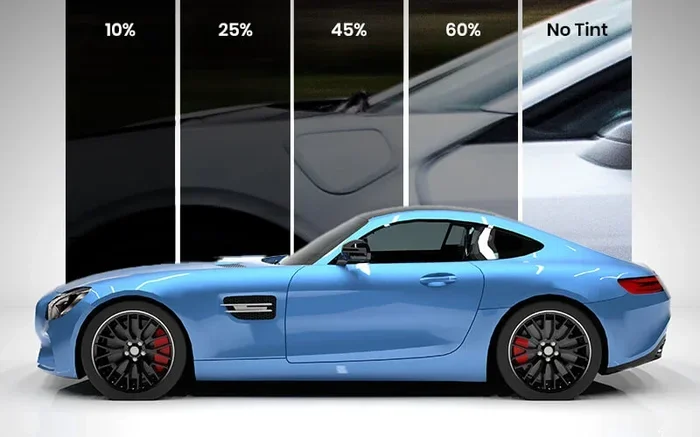
Before we dive into the specific rules, let us talk about what the Kentucky window tint law actually measures. The key term you will hear over and over is visible light transmission, or VLT. This is the percentage of light that can pass through your window tint film and into your car. The higher the VLT, the more light gets through. The lower the VLT, the darker the tint looks.
What Is VLT and Why Does It Matter?
VLT stands for visible light transmission. It is measured as a percentage. For example, a tint with 70% VLT lets 70% of outside light into your car. A tint with 5% VLT, often called “limo tint,” lets in almost no light at all. Kentucky law sets different VLT limits depending on which window you are tinting. This is the most important thing to understand before you visit any tint installer Kentucky shops.
Here is a simple way to think about it. The front side windows are the ones closest to the driver. These need to let in the most light for safety reasons. You need to see clearly, and so do other drivers on the road. The rear windows can be darker because they are farther from the driver. This gives you more freedom to choose a tint that looks great while still staying within the legal tint darkness limits.
How Kentucky Measures Tint Darkness
Kentucky measures tint darkness using the VLT percentage system. The state law is clear about what is allowed on each window. Here is a quick breakdown of the Kentucky tint regulations for standard passenger vehicles:
- Front Windshield: Non-reflective tint is allowed on the top five inches only. Below that line, the windshield must remain untinted.
- Front Side Windows: Must allow more than 35% of light to pass through. This means your VLT must be above 35%.
- Rear Side Windows: Can be any darkness level. There is no VLT minimum for these windows.
- Rear Windshield: Can be any darkness level. However, if you tint the rear windshield, you must have working dual side mirrors.
These rules apply to sedans, SUVs, and vans. The window tint percentage requirements are the same across all passenger vehicle types in Kentucky. Always ask your tint installer Kentucky to confirm the VLT of the film they are using before it goes on your car.
Reflective Tint Rules in Kentucky
Not only does Kentucky care about how dark your tint is, but it also cares about how reflective it looks. Reflective tint can create mirrors on your windows. While this might look cool, it can be dangerous for other drivers. It can blind them or make it harder for police officers to see inside your vehicle.
What the Law Says About Reflective Tint
Under the Kentucky window tint law, reflective or metallic tint is not allowed on the front side windows or the rear side windows. Here is what you need to know:
- Front Side Windows: No reflective or metallic finish is permitted.
- Rear Side Windows: No reflective or metallic finish is permitted.
- Front Windshield: Only a non-reflective tint strip on the top five inches is allowed.
- Rear Windshield: No reflective tint is allowed.
This means you should avoid any tint that has a shiny, mirror-like appearance. Most standard ceramic window tint and dyed tint films are non-reflective and fully legal in Kentucky. If you are shopping for tint, always ask the installer whether the film is reflective. A good tint installer Kentucky will know the rules and only offer films that meet state standards.
Medical Exemption for Window Tint in Kentucky
Not everyone can use the standard tint darkness limits. Some people have medical conditions that make them very sensitive to sunlight. For these individuals, Kentucky offers a medical exemption tint option. This allows you to use darker tint than the standard 35% VLT rule on your front side windows.
How to Get a Medical Exemption
Getting a medical exemption for window tint in Kentucky requires a few steps. You cannot just decide on your own that you need darker tint. Here is the process:
- Visit a licensed physician: You need a doctor to examine you and confirm that you have a condition that requires limited sun exposure.
- Get a written certification: The physician must provide a signed document explaining your medical need for darker tint.
- Submit the certification to the Kentucky DMV: You will need to file this paperwork with the state Department of Motor Vehicles.
- Keep the certification in your vehicle: You must carry the medical exemption document in your car at all times. If you are stopped by police, you need to show it.
The medical exemption tint allows darker film on the front side windows, but you still must follow all other rules. The tint cannot be reflective, and the front windshield must remain untinted below the AS-1 line. This exemption is taken seriously. Fake or fraudulent medical exemptions can lead to heavy fines and even legal trouble.
Penalties for Illegal Window Tint in Kentucky
So what happens if you get caught with illegal window tint in Kentucky? The short answer is you will face penalties. The state takes tint violation penalties seriously because they relate to road safety. Here is what you need to know about the consequences.
Fines and Enforcement
If a police officer pulls you over and determines your window tint does not meet Kentucky tint regulations, you can receive a citation. The fine for a tint ticket Kentucky violation can range from $100 to several hundred dollars, depending on the severity of the violation. Repeat offenses may result in higher fines.
Beyond fines, there is another consequence you should consider. Your vehicle may fail its annual safety inspection if the tint is too dark or too reflective. This means you cannot legally drive the car until the tint is removed or replaced with compliant film. That can cost you both time and money.
Common Reasons People Get Tint Tickets
Most tint violation penalties happen because of simple mistakes. Here are the most common reasons drivers get cited:
- Front side windows are too dark: Using a tint with less than 35% VLT on the front side windows is the number one reason for tint tickets.
- Reflective tint on side windows: Choosing a metallic or mirror-finish tint that is not allowed under the law.
- Tint below the AS-1 line on the windshield: Putting tint too low on the front windshield is a common mistake.
- No side mirrors with tinted rear windshield: If your rear windshield is tinted but you do not have dual side mirrors, you are in violation.
- Uncertified tint film: Kentucky requires that tint film be certified by the manufacturer. Using uncertified film can lead to a citation.
The best way to avoid a tint ticket Kentucky is to work with a reputable installer who understands the law. Always ask for proof that the film they use meets Kentucky DMV tint requirements.
Choosing the Right Tint Film for Your Kentucky Vehicle
Now that you know the rules, let us talk about how to choose the right window tint film for your car. Not all tint is created equal. There are different types, each with its own benefits and drawbacks. Understanding your options will help you make the best choice for your vehicle and your budget.
Types of Window Tint Film
When you visit a tint installer Kentucky shop, you will likely hear about several types of tint film. Here are the most common options:
- Dyed Tint: This is the most affordable option. It uses a dye layer to absorb heat and reduce glare. However, it can fade over time and may not offer the best heat rejection.
- Metalized Tint: This film contains tiny metallic particles that reflect heat and add strength to the window. It is more durable than dyed tint, but it is reflective, which means it is not legal on side windows in Kentucky.
- Hybrid Tint: A blend of dyed and metalized layers. It offers good heat rejection without the heavy reflectivity of full metalized film.
- Ceramic Tint: This is the top-tier option. Ceramic window tint uses nano-ceramic particles to block heat without interfering with electronic signals. It is non-reflective, legal in Kentucky, and offers excellent clarity and durability.
- Carbon Tint: A matte-finish film that blocks heat well and does not fade over time. It is non-reflective and a great middle-ground option.
For most Kentucky drivers, ceramic window tint or carbon tint is the best choice. Both are non-reflective, which keeps you within the law. Both offer excellent heat rejection, which means a cooler car in the summer. And both provide a clean, professional look that enhances the appearance of your vehicle.
Quick Tips for Choosing Tint
Here are some fast tips to keep in mind when you are shopping for car window tinting in Kentucky:
- Always ask for the VLT percentage of the film before installation.
- Make sure the film is certified by the manufacturer.
- Choose a non-reflective film for all side windows.
- Consider ceramic or carbon film for the best performance.
- Ask your installer about any local county regulations that may differ slightly from state law.
- Keep your receipt and certification paperwork in your vehicle.
Common Mistakes People Make With Car Window Tinting
Even if you know the Kentucky window tint law rules, mistakes can still happen. Many drivers run into trouble because of small oversights. Here are some of the most common window tinting mistakes to avoid.
Mistake 1: Assuming All Shops Know the Law
Not every tint installer Kentucky stays up to date on the latest regulations. Some shops may offer tint that looks great but does not meet the legal VLT requirement. Always double-check the VLT of the film they plan to use. Ask them to show you the manufacturer’s certification.
Mistake 2: Buying Tint Online Without Checking Local Rules
Online tint kits are tempting because they are cheap. But buying window tint film online without verifying it meets Kentucky tint regulations is a gamble. You may end up with a tint that is too dark or too reflective. Before you buy any tint online, confirm the VLT and reflectivity specs match Kentucky law.
Mistake 3: Tinting All Windows the Same Darkness
Some people want a uniform look on all their windows. But Kentucky law requires different VLT levels for different windows. You cannot put the same dark film on your front side windows that you use on your rear windows. Work with your installer to choose the right film for each window.
Mistake 4: Ignoring the Windshield Rule
The front windshield has its own set of rules. The Kentucky window tint law only allows a non-reflective tint strip on the top five inches. Any tint below that line is illegal. This is one of the most frequently violated rules, so pay close attention to where the tint starts on your windshield.
Mistake 5: Forgetting About Dual Side Mirrors
If you tint your rear windshield, you must have dual side mirrors that are in good working condition. This is a requirement under Kentucky law. If your side mirrors are damaged or missing, a tinted rear windshield will put you in violation. Always check your mirrors before getting your rear window tinted.
Kentucky Window Tint Law: Frequently Asked Questions
Can I tint my front windshield in Kentucky?
Yes, but only the top five inches of the front windshield can have a non-reflective tint strip. The rest of the windshield must remain clear. This strip is sometimes called a sun strip or visor strip. It must not be reflective in any way.
What is the legal tint darkness for front side windows in Kentucky?
Front side windows must allow more than 35% of visible light to pass through. This means the VLT of your tint film must be above 35%. Any tint darker than this on the front side windows is illegal and can result in a citation.
Do I need a medical exemption for tinted windows in Kentucky?
You only need a medical exemption if you want darker tint than the standard 35% VLT limit on your front side windows. If you are happy with a 35% or higher VLT, no exemption is needed. The exemption requires a signed physician certification and DMV approval.
Can I use reflective or mirrored tint on my car windows in Kentucky?
No. Reflective or metallic tint is not allowed on any side windows in Kentucky. This includes both the front and rear side windows. The Kentucky window tint law requires all side window tint to be non-reflective for safety reasons.
What happens if I get stopped for illegal tint in Kentucky?
If you are stopped for a tint ticket Kentucky violation, you will likely receive a fine. The vehicle may also fail inspection until the tint is corrected. In some cases, the officer may give you a fix-it ticket that allows you to remove the illegal tint and provide proof of compliance.
Is there a difference in tint laws for SUVs and vans compared to sedans?
No. The Kentucky tint regulations for VLT percentages and reflectivity are the same for sedans, SUVs, and vans. All passenger vehicles must follow the same rules for front side windows, rear side windows, and the front windshield.
Conclusion
The Kentucky window tint law is designed to keep everyone safe on the road. It balances your desire for style, privacy, and comfort with the need for clear visibility and safe driving conditions. By understanding the rules around VLT percentages, reflectivity limits, and medical exemptions, you can enjoy a beautifully tinted car without worrying about fines or inspection failures.
Always work with a trusted tint installer Kentucky who knows the law and uses certified window tint film. Keep your paperwork in the car, especially if you have a medical exemption tint. And remember, the rear windows give you the most freedom, so have fun with those. The front windows just need to stay bright enough for safe driving.
Follow the tips in this guide, avoid the common mistakes, and you will stay on the right side of the Kentucky tint regulations. A well-chosen tint not only looks great but also keeps your car cooler, protects your interior from sun damage, and gives you the privacy you want. Drive safe, stay compliant, and enjoy your ride.