How to Pop a Hood Without the Latch You Need to Know
Knowing how to pop a hood without the latch is a essential skill every driver should have. A broken or stuck hood latch can leave you stranded, but simple tools and techniques can get you back on the road. This guide walks you through every method step by step with clear, practical advice.
There you are. You need to check your engine oil, add some coolant, or just peek under the hood. But when you pull the release handle, nothing happens. The hood latch is stuck, broken, or just not cooperating. It is a frustrating moment, but it happens to almost every driver at some point. The good news is that popping a hood without the latch is something you can do with basic tools and a little know-how.
This guide will walk you through every method, tool, and trick you need to get that hood open safely. Whether your hood latch is broken, frozen in cold weather, or just worn out from age, you have options. Let us dive in and get you back under that hood.
Key Takeaways
- Multiple methods exist: You can use a release cable, pliers, a screwdriver, or even a coat hanger to open a hood without a working latch.
- Safety first: Always secure the hood with a prop rod or support brace before working under the engine.
- Prevent future issues: Regular maintenance and lubrication can keep your hood latch mechanism working smoothly for years.
- Know when to call a pro: Some hood latch problems require a professional mechanic, especially if the latch cable is frayed or broken inside the car.
- Keep tools handy: A basic toolkit with pliers, screwdrivers, and a wire coat hanger can save you in a pinch.
- Understand your car: Every vehicle has a secondary or emergency hood release that can help you in a pinch.
- Act fast when stuck: Delaying hood latch repairs can lead to bigger problems and more expensive fixes down the road.
📑 Table of Contents
Why Your Hood Latch Fails
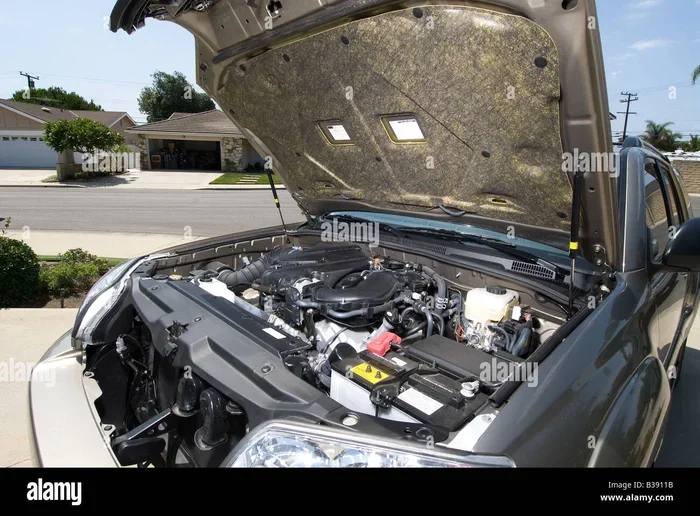
Understanding why a hood latch fails helps you prevent it from happening again. A hood latch mechanism is a simple device. It uses a spring, a lever, and sometimes a cable to keep the hood locked shut. Over time, parts wear out, rust builds up, or the cable stretches beyond repair.
Here are the most common reasons a hood latch stops working:
- Rust and corrosion: Moisture causes metal parts to seize up, especially in winter or coastal areas.
- Worn release cable: The cable connecting the interior handle to the latch stretches or frays over time.
- Broken spring: The spring inside the latch loses tension and cannot hold or release the hood properly.
- Misaligned hood hinge: A bent hinge or shifted hood position puts pressure on the latch.
- Frozen mechanism: Ice and cold weather can freeze the latch in place during winter months.
- Age and wear: Simply getting older causes plastic components to crack and metal to weaken.
No matter the cause, the result is the same. Your hood stays shut when you need it open. Let us look at how to fix that.
Signs Your Hood Latch Is Going Bad
Catching a failing latch early saves you from getting stuck. Watch for these warning signs:
- The hood handle feels loose or spongy when you pull it.
- You hear clicking but the hood does not release.
- The hood sticks or requires extra force to open.
- You notice rust or grime buildup around the latch area.
- The hood does not stay fully open on its own.
If you notice any of these, it is worth addressing the problem before it leaves you stranded. A simple hood latch repair today can save you a big headache tomorrow.
Tools You Will Need to Open a Hood Without a Latch
Before you start, gather your tools. You do not need anything fancy. Most of what you need is already in your garage or junk drawer. Here is a list of the essential hood opening tools:
| Tool | Purpose |
|---|---|
| Flathead screwdriver | To pry open the hood or manipulate the latch |
| Needle-nose pliers | To grip and pull cables or small parts |
| Wire coat hanger | To reach the emergency release cable inside the car |
| Lubricant spray (WD-40) | To loosen rusted or frozen latch mechanisms |
| Flashlight | To see inside the engine bay and under the dashboard |
| Rubber mallet | To gently tap stuck parts loose |
| Hood prop rod or brace | To safely hold the hood open once released |
| Work gloves | To protect your hands from sharp edges and rust |
Having these tools ready makes the whole process faster and safer. You do not want to be standing in your driveway searching for a screwdriver while the sun is beating down on you.
Step-by-Step: How to Pop a Hood Without the Latch
Now for the part you have been waiting for. Here are the proven methods to open your hood when the latch is not working. Try them in order, starting with the simplest approach.
Method 1: Use the Emergency Release Cable
Most cars have a secondary or emergency release cable. This is a cable that connects from the hood latch to a handle inside the car, usually under the dashboard on the driver side. Here is how to use it:
- Start the car and turn on the ignition. Some systems need power to release the cable.
- Get underneath the dashboard on the driver side.
- Look for a cable with a handle or tab. It is usually colored brightly for easy identification.
- Pull the cable firmly toward you. You should hear the latch click and the hood pop slightly.
- Go to the front of the car and lift the hood slightly to release it fully.
- Secure the hood with the prop rod.
Quick Tip: If you cannot find the cable, consult your car owner manual. Every vehicle is different, and the manual will show you exactly where the emergency release is located.
Method 2: Use a Wire Coat Hanger
If the emergency cable is not accessible or not working, a wire coat hanger works wonders. This is the classic method that mechanics and roadside assistance professionals use.
- Straighten out a wire coat hanger, leaving a small hook at one end.
- Slide the hook through the gap between the hood and the front grille.
- Feel around for the hood latch cable or the latch mechanism itself.
- Hook onto the cable or latch release lever and pull gently.
- The hood should pop open enough for you to lift it the rest of the way.
This method requires a little patience. You are working by feel, so take your time. Do not force anything or you could damage the grille or the latch assembly.
Method 3: Use a Flathead Screwdriver
When the latch is physically stuck, a flathead screwdriver can help you manually release it. This works best when you can see the latch mechanism from under the hood.
- Lift the hood slightly, even just a crack, so you can see the latch.
- Locate the latch lever or the release tab on the latch assembly.
- Slide the flathead screwdriver under the lever.
- Pry upward gently but firmly to release the latch.
- Once the latch clicks free, lift the hood fully and secure it with the prop rod.
Common Mistake: Do not pry on the hood itself. You can easily bend or crack the metal. Always target the latch mechanism directly.
Method 4: Apply Lubricant and Tap the Latch
If the latch is simply frozen or rusted, lubricant and a gentle tap might do the trick. This method works best when the latch mechanism is intact but just stuck.
- Spray WD-40 or another penetrating lubricant directly onto the latch and around the hinge area.
- Wait five to ten minutes for the lubricant to work its way in.
- Use a rubber mallet to gently tap the latch housing.
- Pull the hood release handle inside the car.
- The combination of lubricant and vibration should free the latch.
Expert Insight: Penetrating lubricants like WD-40 are not just for loosening rust. They also displace moisture, which makes them perfect for cold-weather hood latch issues. Keep a can in your garage year-round.
Method 5: Use Pliers on the Release Cable
If the cable itself is the problem, you can bypass it entirely. Grab a pair of needle-nose pliers and follow these steps:
- Locate the hood latch cable under the hood. It runs from the front of the car to the latch assembly.
- Follow the cable to the end where it connects to the latch.
- Use the pliers to grip the cable end and pull it toward the locked position.
- This manually triggers the latch release mechanism.
- Lift the hood and secure it with the prop rod.
This method works well when the cable is frayed but still partially functional. Just be gentle so you do not snap the cable further.
Preventing Hood Latch Problems
Once you get your hood open, you want to make sure it does not happen again. Prevention is always easier than a fix. Here is how to keep your hood release mechanism in top shape:
Regular Lubrication
Every six months, spray your hood latch and hinges with a lubricant. This prevents rust buildup and keeps the mechanism moving smoothly. A little maintenance goes a long way toward avoiding a stuck latch.
Check the Cable Regularly
The hood release cable is a small, inexpensive part that takes a lot of wear. Inspect it once a year. If you notice fraying, stretching, or stiffness, replace it before it fails completely.
Keep the Hood Hinge Area Clean
Dirt, grime, and road salt can build up around the hinges and latch. Wipe these areas down regularly with a damp cloth. This simple habit prevents corrosion and keeps everything working.
Address Small Problems Immediately
If your hood starts feeling stiff or the handle feels loose, do not ignore it. A small issue today becomes a big problem tomorrow. Fixing a hood latch spring or replacing a worn cable costs very little compared to a full latch assembly replacement.
Protect Against Cold Weather
In winter, spray the latch mechanism with a moisture displacer before the temperature drops. Ice formation inside the latch is one of the leading causes of frozen hoods in cold climates.
When to Call a Professional
Not every hood latch problem is a DIY fix. Some situations call for a trained mechanic. Here is when you should stop trying and call for help:
- The latch cable is completely broken and you cannot access the end of it.
- The latch assembly is cracked or damaged beyond simple repair.
- You have tried multiple methods and the hood still will not open.
- The hood hinge itself is bent or damaged.
- You are not comfortable working under the hood or under the dashboard.
A professional mechanic can diagnose the issue quickly. The average hood latch replacement cost ranges from $100 to $300, depending on your vehicle make and model. It is a reasonable price for peace of mind and safe operation.
Quick Tip: If you are on the side of the road and cannot open the hood, call roadside assistance. Many insurance policies and membership programs include this service. It is always better to be safe than to risk damaging your vehicle.
Common Mistakes to Avoid
When trying to pop a hood without a latch, people make mistakes that cause more harm than good. Here are the ones to watch out for:
- Forcing the hood open: This can bend the hood, crack the hinges, or damage the latch bracket.
- Using the wrong tools: Pliers with serrated jaws can scratch or gouge the paint and metal around the latch.
- Ignoring the prop rod: Never put your hands under a hood that is not properly secured. A falling hood can cause serious injury.
- Skipping the lubricant step: Jumping straight to prying can make a stuck latch worse. Always try lubrication first.
- Not checking the fuse box: Some vehicles have an electric hood release. A blown fuse could be the real culprit.
Avoiding these mistakes keeps you safe and prevents expensive repairs.
Understanding Your Hood Latch System
To really understand how to pop a hood without the latch, it helps to know how the system works. A typical hood latch system has two parts: the primary latch and the safety latch.
The primary latch is what the release handle engages. When you pull the handle inside the car, it pulls a cable that releases the primary latch. The hood pops up slightly.
The safety latch is a secondary lock that keeps the hood from flying open while driving. You must manually lift the hood past the safety latch and secure it with the prop rod or hydraulic strut.
When either of these latches fails, you need to bypass or manually release them. That is exactly what the methods in this guide cover.
Key Takeaway: Knowing how your hood release mechanism works gives you confidence when something goes wrong. You are not guessing. You understand the system and can troubleshoot effectively.
Comparing Hood Latch Repair Options
When the latch is beyond a simple fix, you have several repair paths. Here is a quick comparison:
| Repair Option | Cost Range | Difficulty | Best For |
|---|---|---|---|
| Cable replacement | $50 – $150 | Easy to moderate | Frayed or stretched release cable |
| Latch assembly replacement | $100 – $300 | Moderate | Broken or cracked latch mechanism |
| Hinge repair or replacement | $150 – $400 | Moderate to hard | Bent or damaged hood hinges |
| Full hood release system overhaul | $200 – $500 | Hard | Multiple failed components |
| DIY with aftermarket parts | $30 – $100 | Moderate | Budget-conscious repairs with some mechanical skill |
Choosing the right option depends on the damage and your comfort level with car repairs. If you are unsure, start with the simplest fix and work your way up.
Final Thoughts
Dealing with a stuck or broken hood latch is never fun. But now you know exactly what to do. From the emergency release cable inside your car to a simple wire coat hanger under the grille, you have multiple ways to pop a hood without the latch. Each method is straightforward and requires only basic tools you likely already own.
Remember to always secure the hood properly once it is open. Use the prop rod or a support brace. Never put your hands under an unsecured hood. And when in doubt, call a professional. There is no shame in getting expert help.
Take care of your hood latch system with regular maintenance. Lubricate it, inspect the cable, and address small problems early. These simple habits will keep your hood latch mechanism working reliably for years to come. You will never have to worry about getting stranded with a closed hood again.
Now that you have this knowledge, you are better prepared than most drivers. Keep this guide bookmarked. Share it with a friend who might need it. And the next time your hood latch gives you trouble, you will know exactly what to do.
Frequently Asked Questions
Can I drive with a broken hood latch?
You can drive short distances with a broken latch if the hood is securely fastened with a bungee cord or strap. However, it is not safe for long drives. A loose hood can block your vision or fly open at highway speeds, causing a serious accident.
How much does it cost to fix a hood latch?
The cost depends on what needs fixing. A cable replacement typically costs $50 to $150. A full latch assembly replacement runs $100 to $300. Labor costs vary by location and vehicle type. Always get a quote before committing to a repair.
What causes a hood latch to freeze in winter?
Moisture gets into the latch mechanism and freezes when temperatures drop. Road salt and grime accelerate this process. Regularly applying a moisture-displacing lubricant prevents freezing and keeps the latch working in cold weather.
Is it safe to use a wire coat hanger to open a hood?
Yes, it is safe when done carefully. Use a straightened coat hanger with a small hook at the end. Go slowly and avoid forcing anything. If you feel resistance, stop and reassess. A coat hanger is one of the most trusted emergency tools for opening a hood without a latch.
How often should I lubricate my hood latch?
Every six months is ideal. If you live in a coastal area or drive on salted roads in winter, lubricate every three months. Regular lubrication prevents rust, keeps the mechanism smooth, and extends the life of your hood latch significantly.
What is the difference between a primary and safety hood latch?
The primary latch is released by the handle inside the car. It pops the hood up slightly. The safety latch is a secondary lock that keeps the hood fully closed while driving. You must manually lift the hood past the safety latch and secure it with the prop rod. Both latches must work properly for safe hood operation.
=== CONCLUSION ===
Knowing how to pop a hood without the latch is a practical skill that every driver should have. Whether you are dealing with a broken cable, a rusted mechanism, or a frozen latch in winter, the methods in this guide give you real solutions. You do not need expensive tools or professional training. A flathead screwdriver, a wire coat hanger, some lubricant, and a little patience are all it takes.
Prevention is your best friend. Keep your hood latch lubricated, inspect the cable regularly, and address small problems before they become big ones. Your future self will thank you when you are not standing in the driveway with a hood that will not open.
Stay prepared, stay safe, and keep those hands clean. You have got this.