Alabama Window Tint Law Everything You Need To Know
Alabama window tint law sets specific rules for how dark you can tint your car windows. The legal tint limits depend on your vehicle type, window location, and whether you qualify for a medical exemption. This guide covers VLT percentages, reflective tint rules, fines, and everything drivers need to stay compliant with Alabama auto tint regulations.
Driving in Alabama means dealing with plenty of sun. The heat can make your car feel like an oven. That is why many car owners turn to window tinting. Tinting reduces glare, blocks UV rays, and keeps your interior cooler. But before you tint your windows, you need to know the Alabama window tint law.
The state has clear rules about how dark your tint can be and where it can go. These rules apply to sedans, SUVs, and vans. If you break them, you could face a costly tint ticket. This guide breaks down everything you need to know. We will cover legal limits, exemptions, fines, and practical tips. By the end, you will know exactly how to tint your car the right way.
Whether you are a first-time car owner or a seasoned driver, this article has you covered. We keep things simple and straightforward. No legal jargon. No confusing terms. Just the facts you need to stay on the right side of the law while enjoying the benefits of tinted windows.
Key Takeaways
- Front side windows must allow more than 32% VLT on sedans and SUVs.
- Windshield tint is only allowed on the top 6 inches.
- Rear windows can be tinted darker on SUVs but not on sedans.
- Reflective tint is not permitted on any window in Alabama.
- A medical exemption allows darker tint with proper documentation.
- Tint violations can result in fines up to $100 or more.
- A tint certificate from your installer proves compliance.
📑 Table of Contents
- Understanding Alabama Window Tint Law Basics
- Visible Light Transmission and Why It Matters
- Reflective Tint and Other Restrictions
- Medical Exemption for Darker Tint
- Tint Certificates and Installation Requirements
- Punishments and Fines for Tint Violations
- Common Mistakes People Make with Window Tint
- Benefits of Legal Window Tinting
- Tips for Staying Compliant with Alabama Tint Law
- How Alabama Compares to Neighboring States
- Final Thoughts on Alabama Window Tint Law
Understanding Alabama Window Tint Law Basics
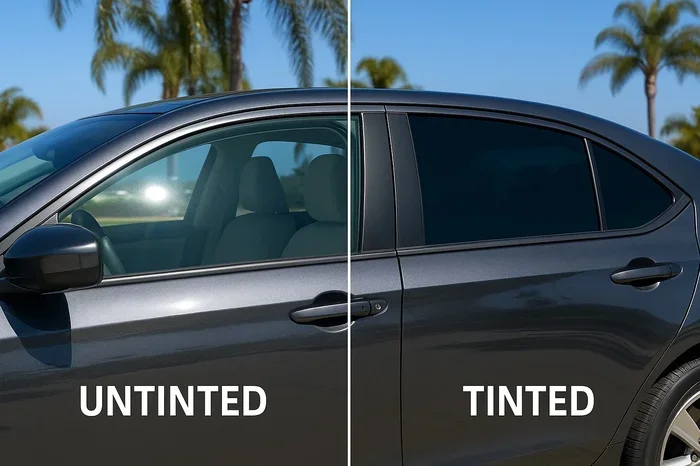
Alabama window tint law is based on a measure called Visible Light Transmission, or VLT. VLT tells you how much light passes through your window film. The lower the number, the darker the tint. For example, a 5% VLT film lets in very little light. A 70% VLT film lets in almost as much light as bare glass.
The state sets different VLT limits depending on your vehicle type and which window you are tinting. Let us break this down by vehicle category.
Tint Rules for Sedans
Sedans have specific rules for each window. Here is what Alabama law allows:
- Windshield: You may tint the top 6 inches only. This strip must be non-reflective.
- Front Side Windows: Must allow more than 32% VLT. This means the tint cannot be too dark.
- Rear Side Windows: Must allow more than 32% VLT. Same rule as the front doors.
- Rear Window: Must allow more than 32% VLT. No exceptions for sedans.
These limits apply to all sedans registered in Alabama. Whether you drive a Toyota Camry or a Honda Civic, the rules are the same.
Tint Rules for SUVs and Vans
SUVs and vans have slightly different rules. The rear windows can be tinted darker because these vehicles often have different safety considerations.
- Windshield: Same as sedans. Top 6 inches only, non-reflective.
- Front Side Windows: Must allow more than 32% VLT.
- Rear Side Windows: No VLT limit. You can go as dark as you want.
- Rear Window: No VLT limit. Darker tint is fully allowed.
This difference matters a lot. If you drive an SUV, you have more freedom with your rear windows. But the front side windows and windshield still follow the same rules as sedans.
Visible Light Transmission and Why It Matters
VLT is the most important part of Alabama window tint law. It stands for Visible Light Transmission. The percentage tells you how much visible light passes through your tinted glass. A higher VLT means a lighter tint. A lower VLT means a darker tint.
Alabama law uses VLT as the standard measurement. When you buy tint film, the seller should tell you the VLT percentage. Always ask for this information. If you are unsure, a professional tint installer can measure it for you.
Here is a simple way to think about it. Imagine a clear window. It has 100% VLT because all light passes through. Now imagine a very dark tint. It might have only 5% VLT. Almost no light gets through. Alabama law says your front side windows must stay above 32% VLT. That keeps enough light in for safe driving.
How VLT Affects Your Driving Experience
Darker tint gives you more privacy and better heat rejection. But it also reduces visibility at night. This is why Alabama sets a minimum VLT for the front side windows. You need to see clearly when driving in low light conditions. The rear windows can go darker because they are not used for the main view of the road.
If you live in a sunny part of Alabama like Mobile or Birmingham, you might want the darkest legal tint allowed. For sedans, that means staying at or above 32% VLT on all windows. For SUVs, you can go much darker on the back windows.
Reflective Tint and Other Restrictions
Alabama window tint law does not allow reflective tint on any window. Reflective tint looks like a mirror from the outside. It bounces light away from the car. While it can reduce glare, it also creates problems for other drivers.
Here is what the law says about reflective tint:
- No metallic or mirrored appearance. Your tint cannot look like a mirror.
- Applies to all windows. This includes the windshield, front doors, rear doors, and rear window.
- No metallic particles. The film cannot contain metal flakes that create a reflective surface.
The reason behind this rule is safety. Reflective tint can blind other drivers. It makes it hard for police officers to see inside your vehicle. It also interferes with traffic cameras and red-light systems. So avoid any tint that has a shiny, mirror-like finish.
Color Restrictions
Alabama law also restricts the color of your tint film. Red, amber, and blue tints are not allowed. These colors can confuse other drivers and interfere with emergency vehicle recognition. Stick with neutral shades like gray, charcoal, or bronze. These colors reduce glare and heat without breaking the law.
Medical Exemption for Darker Tint
Not everyone can use the standard tint limits. Some people have medical conditions that make them sensitive to sunlight. Alabama allows a medical exemption for darker window tint. This exemption lets you go below the legal VLT limit with proper documentation.
To qualify, you need a signed statement from a licensed physician. The statement must explain your condition and why darker tint is medically necessary. Common qualifying conditions include:
- Lupus and other autoimmune diseases. Sun exposure can trigger severe symptoms.
- Photosensitivity disorders. Some people’s skin reacts badly to even small amounts of UV light.
- Skin cancer history. Patients recovering from skin cancer need extra protection.
- Severe allergies worsened by sunlight.
How to Apply for the Exemption
Follow these steps to get your medical exemption approved:
- Visit your doctor and ask for a written statement.
- The statement must include your diagnosis and the need for darker tint.
- Submit the statement to your local Alabama Department of Revenue.
- If approved, you will receive an exemption certificate.
- Keep a copy of the certificate in your vehicle at all times.
The exemption certificate must be displayed on your dashboard. Police officers need to be able to see it during a traffic stop. Without it, you will be treated like any other vehicle and could receive a tint ticket.
Tint Certificates and Installation Requirements
Alabama requires that your window tint be installed by a licensed professional. The tint installer must provide you with a tint certificate. This certificate proves that your film meets the legal VLT requirements.
Here is what you need to know about tint certificates:
- The certificate must show the VLT percentage.
- It must include the name of the tint film manufacturer.
- The installer’s license number should be listed.
- Keep the certificate in your glove box.
If you are pulled over and an officer asks about your tint, showing the certificate can save you from a fine. It proves you followed the Alabama window tint law correctly. Always ask your installer for this document before you leave the shop.
Choosing the Right Tint Installer
Not all tint shops are the same. A good installer knows Alabama law inside and out. They will recommend a film that keeps you legal while still giving you the look and performance you want. Here are tips for choosing the right shop:
- Look for licensed and insured installers.
- Ask about the VLT of the film they use.
- Check online reviews and ratings.
- Ask for a warranty on both the film and the installation.
- Avoid shops that promise illegal darkness.
Punishments and Fines for Tint Violations
Breaking Alabama window tint law comes with real consequences. The state takes tint violations seriously, especially when they affect safety.
First Offense
A first-time tint violation can result in a fine. The fine amount varies by county but typically ranges from $25 to $100. You may also be required to remove the illegal tint within a set timeframe.
Repeat Offenses
If you get caught again, the fine increases. Repeat offenders may face higher penalties. In some cases, your vehicle registration could be affected. The court may also order you to remove the tint before your car can pass inspection.
What Happens During a Traffic Stop
During a traffic stop, an officer may use a tint meter to measure your window film’s VLT. If the reading is below the legal limit, you will receive a citation. You will have the option to pay the fine or contest it in court. Having your tint certificate can help your case significantly.
Common Mistakes People Make with Window Tint
Many car owners make avoidable mistakes when tinting their windows. Here are the most common ones:
- Buying tint online without checking VLT. Online films may not match the advertised percentage.
- Tinting the windshield below the legal strip. Even a small amount below the top 6 inches is illegal.
- Ignoring the medical exemption. If you have a qualifying condition, apply before you tint.
- Using reflective tint. It looks cool but is strictly prohibited in Alabama.
- Not keeping the certificate. Losing your certificate means you cannot prove compliance.
- Tinting rear windows too dark on sedans. This is a common mistake that leads to tickets.
Avoiding these mistakes keeps you legal and saves you money. A little research goes a long way.
Benefits of Legal Window Tinting
When you follow Alabama window tint law, you get all the benefits without the risk. Legal tinting offers real advantages for your daily drive.
UV Protection
Quality tint blocks up to 99% of UV rays. This protects your skin and reduces your risk of skin cancer. It also keeps your dashboard and seats from fading and cracking.
Heat Rejection
Tinted windows can reduce interior temperatures by 30 to 40 degrees. That means your car stays cooler even on the hottest Alabama summer days. You spend less time blasting the air conditioning too.
Glare Reduction
Sun glare can be dangerous while driving. Tint reduces the blinding effect of direct sunlight and headlights from other cars. This makes your drive safer, especially during sunrise and sunset.
Privacy and Security
Tinted windows make it harder for people to see inside your car. This protects your belongings and adds a layer of security when you park in public areas.
Tips for Staying Compliant with Alabama Tint Law
Staying legal with your window tint is easier than you think. Follow these practical tips:
- Know your vehicle type. Sedans and SUVs have different rules for rear windows.
- Check the VLT before installation. Make sure the film meets the 32% minimum for front and rear side windows on sedans.
- Keep your certificate accessible. Store it in your glove box or with your registration.
- Use a licensed installer. They know the law and will not install illegal tint.
- Apply for a medical exemption if needed. Do not guess whether you qualify. Get a doctor’s note.
- Re-check your tint every few years. Some films fade over time. If your tint becomes too light, it might not perform as well.
These simple steps keep you compliant and help you enjoy your tinted windows without worry.
How Alabama Compares to Neighboring States
Every state has its own tint laws. Alabama’s rules are moderate compared to some neighbors. For example, some states allow darker front side window tint. Others have stricter rules on reflective film. If you travel frequently with your tinted car, knowing the differences can help you avoid surprises.
Georgia, for instance, allows a lower VLT on front side windows for sedans. Mississippi has similar rules but different enforcement practices. Always check the local laws when you cross state lines. Your Alabama tint certificate does not guarantee compliance in other states.
Final Thoughts on Alabama Window Tint Law
Alabama window tint law is clear and reasonable. The 32% VLT rule for front side windows keeps drivers safe while still allowing you to enjoy tinted windows. SUV owners have more flexibility with their rear windows. Medical exemptions provide relief for those who truly need darker tint.
The key is to work with a licensed installer, keep your certificate, and understand the rules before you tint. Breaking the law leads to fines and the hassle of removing your tint. Following the law means you get all the benefits without any headaches.
Take the time to research your options. Choose a quality film that meets the legal VLT requirements. Enjoy the comfort, protection, and style that legal window tinting provides. Your car, your safety, and your wallet will thank you.
Frequently Asked Questions
What is the legal tint limit for front side windows in Alabama?
In Alabama, the front side windows on both sedans and SUVs must allow more than 32% visible light transmission. This means your tint film cannot block more than about 68% of the light. Staying at or above this percentage keeps you legal and safe on the road.
Can I tint my rear window darker on a sedan in Alabama?
No. Alabama law requires the rear window on sedans to allow more than 32% VLT. However, SUVs and vans have no VLT limit on their rear windows. You can tint them as dark as you want if you drive an SUV or van.
Is reflective tint allowed in Alabama?
No. Alabama window tint law strictly prohibits reflective or mirrored tint on any window. The tint cannot have a metallic or shiny appearance. This rule applies to all vehicle types and all windows including the windshield.
How do I get a medical exemption for window tint in Alabama?
You need a signed statement from a licensed physician explaining your medical condition and the need for darker tint. Submit this statement to your local Alabama Department of Revenue. If approved, you will receive an exemption certificate to keep in your vehicle.
What happens if I get caught with illegal window tint in Alabama?
You can receive a fine ranging from $25 to $100 or more depending on the county. Repeat offenders may face higher fines. You may also be required to remove the illegal tint before your vehicle can pass inspection.
Do I need a tint certificate in Alabama?
Yes. Alabama requires that your tint installer provide you with a certificate showing the VLT percentage and the installer’s license number. Keep this certificate in your vehicle at all times. It proves your tint complies with Alabama law if you are stopped by police.
=== CONCLUSION ===
Alabama window tint law is designed to keep drivers safe while allowing reasonable tinting options. By understanding the VLT limits, reflective tint rules, and medical exemption process, you can tint your car the right way. Always work with a licensed installer, keep your documentation handy, and stay within the legal limits. The benefits of legal tinting are well worth the effort. Enjoy a cooler, safer, and more comfortable ride while staying fully compliant with Alabama law.