How Do I Make My Car Payment On Time Without Stress
Making your car payment on time doesn’t have to be stressful. This guide walks you through every method, tool, and strategy to simplify your monthly auto loan payment. You’ll learn how to set up autopay, avoid late fees, protect your credit score, and build a payment routine that actually works.
Every month, millions of car owners face the same question: how do I make my car payment without pulling their hair out? Between work, family, and a hundred other responsibilities, keeping up with your auto loan can feel overwhelming. But here’s the good news — it doesn’t have to be that way.
Whether you just bought a new vehicle or you’ve been paying off your car for years, this guide covers everything you need to know. We’ll walk through every payment method, share practical tips, and help you build a routine that keeps your car payment stress-free. By the end, you’ll have a clear plan to stay on track every single month.
Making your car payment on time is about more than just avoiding fees. It protects your credit score, keeps your lender happy, and gives you peace of mind. Let’s dive in and make it simple.
Key Takeaways
- Multiple payment options exist: Online, autopay, phone, mail, and in-person — pick what suits your lifestyle.
- Autopay is the easiest way to never miss a payment: It removes human error from the equation entirely.
- Grace periods vary by lender: Knowing yours helps you avoid late fees and credit damage.
- Missing a payment hurts your credit score: Even one 30-day late mark can lower your score significantly.
- Budgeting and reminders are your best tools: Small habits prevent big problems down the road.
- Refinancing can lower your monthly payment: If your credit has improved, you may qualify for better terms.
- Common mistakes are easy to avoid: Forgetting due dates and not reviewing statements cause most payment issues.
📑 Table of Contents
- Understanding How Your Car Payment Works
- Different Ways to Make Your Car Payment
- Setting Up a Payment System That Works for You
- What Happens If You Miss a Car Payment
- Tips to Make Your Car Payment Stress-Free
- Common Mistakes That Cause Car Payment Problems
- Final Thoughts: Take Control of Your Car Payment Today
Understanding How Your Car Payment Works
Before you can manage your payment, you need to understand what you’re actually paying for. Your auto loan isn’t just one lump sum — it’s made up of several parts that work together every month.
What Makes Up Your Monthly Payment
Your monthly payment typically includes three things. First, the principal — that’s the amount you actually borrowed. Second, the interest — what the lender charges you for the loan. Third, any additional fees your lender includes.
Here’s a simple breakdown:
- Principal: The original amount you borrowed for your car purchase.
- Interest: The cost of borrowing money, based on your loan terms.
- Fees: Some loans include origination fees or insurance add-ons.
Your car loan interest rate plays a huge role in how much you pay each month. A higher rate means more money out of your pocket over the life of the loan. That’s why understanding your rate matters so much.
The Role of Your Loan Servicer
Your loan servicer is the company that handles your account. They send your statements, process payments, and manage your account day to day. Sometimes the servicer is different from the lender who originally gave you the loan.
Knowing who your servicer is and how to reach them makes a big difference. If you ever have a question about your car payment, your servicer is the first place to look. Keep their contact info handy — it saves time when issues come up.
Different Ways to Make Your Car Payment
Gone are the days when you had to drive to the bank to pay your auto loan. Today, there are plenty of options to choose from. Let’s compare them so you can pick what works best for you.
Online Payment Options
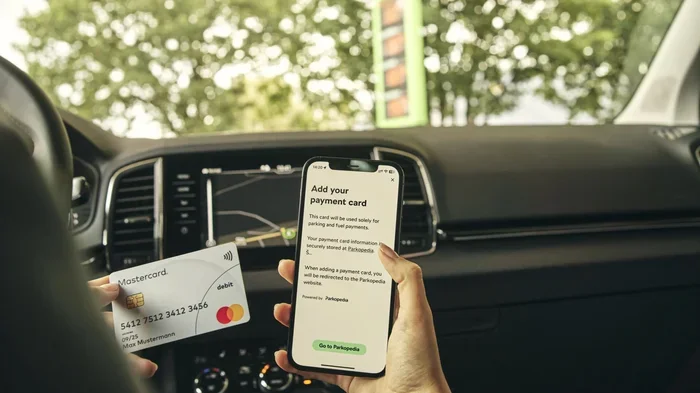
Paying online is the most popular method for a reason. You log into your lender’s website or app, enter your payment amount, and submit. It’s fast, convenient, and you get instant confirmation.
Most lenders let you pay from a checking account or savings account. Some even accept debit cards, though you might pay a small fee. The best part? You can schedule payments days or weeks in advance.
Setting Up Autopay
Autopay is the easiest way to never miss a car payment due date. You give your lender permission to automatically withdraw the payment amount from your bank account each month.
Here’s why autopay is so popular:
- You never forget to pay — the system does it for you.
- Many lenders offer a small interest rate discount for enrolling.
- It builds a consistent payment history automatically.
- You save mental energy and avoid late fees entirely.
The only thing to watch for is making sure you have enough money in your account before the withdrawal date. If your balance is too low, you could face an overdraft fee on top of a missed payment.
Paying by Phone or Mail
Not comfortable with online payments? You can still pay by phone. Call your loan servicer’s number, provide your account details, and make a payment over the phone. It takes a few extra minutes, but it gets the job done.
Paying by mail is the old-school option. You write a check, include your payment coupon, and mail it before your due date. The downside? Mail delivery times can be unpredictable, so you need to plan ahead.
Comparison of Payment Methods
| Method | Convenience | Speed | Risk of Late Payment |
|---|---|---|---|
| Online Payment | High | Instant | Low |
| Autopay | Highest | Automatic | Lowest |
| Phone Payment | Medium | Immediate | Low |
| Mail Payment | Low | Slow | Higher |
| In-Person Payment | Low | Immediate | Medium |
As you can see, online payments and autopay are the clear winners for most people. They’re fast, reliable, and take almost no effort.
Setting Up a Payment System That Works for You
Now that you know your options, let’s talk about building a system. A good setup means you’ll never have to scramble to make a car payment at the last minute.
Creating a Budget for Your Car Payment
Your car payment should fit comfortably into your monthly budget. A common rule of thumb is to keep your total auto expenses — payment, insurance, gas, and maintenance — under 15 to 20 percent of your take-home pay.
Start by listing your monthly income and expenses. Then find the spot where your auto finance payment fits naturally. If it feels tight, look for areas to cut back or consider refinancing your loan for a lower monthly amount.
Quick Tips for budgeting your car payment:
- Track your spending for one full month first.
- Set aside your car payment amount on payday.
- Keep a small buffer in your checking account for surprises.
- Review your budget quarterly to adjust as needed.
Using Payment Reminders and Alerts
Even with autopay, it’s smart to set payment reminders. A quick alert a few days before your due date gives you a chance to double-check everything.
You can set reminders in several ways:
- Use your phone’s calendar app to schedule a recurring alert.
- Enable notifications in your lender’s app.
- Add the due date to your digital wallet or notes app.
- Ask your lender to send email or text reminders.
These small steps add up to big protection against missed payments. The goal is to make your car payment part of your routine, not something you have to think hard about.
Quick Tips
- Set your payment date to align with your payday for easy funding.
- Use a separate checking account for auto payments to avoid confusion.
- Save a screenshot of your payment confirmation each month.
- Keep a list of all your loan account numbers in one safe place.
What Happens If You Miss a Car Payment
Life gets busy, and sometimes payments slip through the cracks. Understanding what happens after a missed payment helps you act fast and minimize damage.
Grace Period and Late Fees
Most lenders offer a grace period — usually 10 to 15 days after your due date. During this window, your payment is still considered on time, and you won’t face a late payment fee.
But once the grace period ends, things get costly. Late fees can range from $25 to $50 or more, depending on your lender. And if you miss multiple payments, the fees stack up fast.
Expert Insights: “Many borrowers don’t realize their lender reports late payments to credit bureaus after just 30 days. The grace period is a buffer, not a free pass. Always communicate with your lender if you’re struggling.” — Financial advisor, auto loan specialist.
Impact on Your Credit Score
Your credit score takes a real hit from missed payments. A single 30-day late mark can drop your score by 60 to 100 points, depending on your credit history.
Here’s how missed payments affect your credit over time:
- 30 days late: Reported to credit bureaus. Score drops noticeably.
- 60 days late: Damage deepens. Your auto loan terms may be reviewed.
- 90 days late: Serious credit damage. Your loan may go to collections.
- 120+ days late: Risk of repossession. Your lender can take the vehicle.
The longer a payment goes unpaid, the harder it becomes to fix the damage. That’s why acting quickly matters so much.
Tips to Make Your Car Payment Stress-Free
Staying on top of your car payment doesn’t require perfection — it requires a good system and a few smart habits.
Build an Emergency Fund for Your Auto Loan
An emergency fund is your safety net. Even a small cushion of $500 to $1,000 can cover a car payment when unexpected expenses pop up.
Start small. Put $25 or $50 aside each week into a separate savings account. Over time, that adds up to a buffer that keeps you from falling behind on your loan payment.
Refinance When It Makes Sense
If your credit score has improved since you took out your loan, refinancing might lower your monthly payment. A lower interest rate means more of your money goes toward the principal and less toward fees.
Here’s when refinancing makes sense:
- Your credit score has gone up by at least 20 to 30 points.
- Interest rates have dropped since you got your loan.
- You want to shorten or extend your loan term to adjust your payment.
- You’re struggling to fit the current payment into your budget.
Just be careful — extending your loan term lowers your monthly payment but may increase the total interest you pay over time. Always run the numbers before you refinance.
Communicate With Your Lender Early
If you know you’ll have trouble making a payment, contact your lender before the due date. Many lenders offer deferment options or hardship programs that can temporarily adjust your payment.
Proactive communication shows good faith and often prevents negative reporting to credit bureaus. Your lender would rather work with you than deal with a defaulted loan.
Common Mistakes That Cause Car Payment Problems
Most payment problems come from a few avoidable mistakes. Knowing what they are puts you ahead of the game.
Forgetting Your Due Date
This is the number one reason people miss payments. Life gets full, and a due date that doesn’t feel urgent can easily slip your mind.
Fix this by setting a recurring reminder at least five days before your due date. Better yet, switch to autopay so the date becomes irrelevant. The less you have to remember, the better.
Not Reviewing Your Monthly Statement
Many borrowers pay without checking their statement. But errors happen — incorrect amounts, duplicate charges, or fees that shouldn’t be there.
Take 30 seconds each month to review your statement. Look at the payment amount, the due date, and any fees. Catching a mistake early can save you money and headaches.
Paying Only the Minimum Without a Plan
Paying the minimum keeps your loan in good standing, but it doesn’t help you pay off the loan faster. If you can afford to pay a little extra each month, you’ll save on interest and pay off your car loan sooner.
Common Mistakes to watch out for:
- Setting up payment from an account with a low balance.
- Ignoring payment confirmation emails or texts.
- Changing bank accounts without updating your payment method.
- Assuming your payment is automatic when it’s not.
Avoiding these simple errors keeps your auto loan in good shape and your stress levels low.
Final Thoughts: Take Control of Your Car Payment Today
Managing your car payment doesn’t have to be a source of anxiety. With the right tools, a solid routine, and a little planning, you can make every payment on time without breaking a sweat.
Start by choosing a payment method that fits your life — online payments or autopay are the easiest paths for most people. Set up reminders, build a small emergency fund, and review your statements regularly. These small habits create a strong foundation for financial peace of mind.
Remember, your credit score and financial health depend on consistent, on-time payments. Every time you pay on time, you’re building a stronger financial future. So take action today — set up your payment system, check your due date, and make your next car payment with confidence.
The best time to organize your loan payment routine was yesterday. The second best time is right now. You’ve got this.
Frequently Asked Questions
What happens if I miss my car payment by one day?
Most lenders have a grace period of 10 to 15 days. If you pay within that window, you typically won’t face a late payment fee or credit damage. However, always check your specific loan agreement to know your exact grace period length.
Can I change my car payment due date?
Yes, many lenders allow you to request a due date change. Contact your loan servicer and ask for a date that aligns better with your pay schedule. Keep in mind that not all lenders offer this option, so it’s worth requesting early.
Is autopay safe for making car payments?
Absolutely. Autopay is one of the safest and most convenient ways to pay your auto loan. Your bank account information is encrypted, and most lenders use secure payment platforms. Just make sure you maintain enough funds in your account to cover each withdrawal.
How can I lower my monthly car payment?
You can lower your monthly payment by refinancing your loan for a better interest rate, extending your loan term, or making extra payments to reduce the principal faster. Each option has trade-offs, so compare them carefully before deciding.
Does paying my car payment early help my credit score?
Paying early doesn’t give you extra credit score points, but paying on time consistently does. What matters most is that your payment is never late. Setting up payment reminders or autopay ensures you always pay by the due date.
What should I do if I can’t afford my car payment this month?
Contact your lender immediately. Many offer deferment or hardship programs that can temporarily reduce or pause your payment. The worst thing you can do is ignore the problem — early communication protects your credit and keeps options open.