How Long After You Clear Codes to Pass Emissions Test
After clearing emission codes, most vehicles need 50 to 100 miles of driving over several days before the readiness monitors reset and you can pass an emissions test. The exact timeline depends on your car’s make, model, and the specific fault codes you cleared. Understanding drive cycles and readiness monitors is the key to passing your emissions test on time without unnecessary trips to the inspection station.
You just cleared the check engine light. Maybe you fixed the problem yourself, or maybe a mechanic handled it. Either way, you are probably wondering one thing: how long after you clear codes to pass emissions test. This is a question that trips up a lot of car owners, and for good reason. The answer is not as simple as turning a key and driving to the inspection station.
Your vehicle’s onboard diagnostics system, known as OBD2, needs time to run a series of self-tests after codes are cleared. These tests are called readiness monitors. Until all monitors show a “ready” status, your car will likely fail the emissions inspection. The good news is that with the right approach, you can get your vehicle ready in a predictable timeframe. Let us walk through everything you need to know.
Key Takeaways
- Drive Cycle Required: You typically need to drive 50 to 100 miles over multiple days after clearing codes for all readiness monitors to reset.
- Readiness Monitors Matter: Your car’s OBD2 system runs a series of tests called readiness monitors, and all must show “ready” for a passing result.
- Timeframe Varies: The exact time depends on your vehicle, the codes cleared, and driving conditions.
- Common Mistakes Delay Results: Driving only short distances or clearing codes too close to your test date can cause failure.
- Prep Work Helps: Fixing the root cause and doing a pre-test check can save time and money.
- Professional Help Is Available: A mechanic can run a full readiness monitor reset if you are short on time.
📑 Table of Contents
What Happens When You Clear Emission Codes
When you clear a fault code using an OBD2 scanner, you are essentially telling your car’s computer to forget a problem it detected. The check engine light goes off, and the stored code disappears from memory. But that does not mean the problem is solved. It just means the computer has wiped its memory and started fresh.
The Role of the OBD2 System
Your car’s OBD2 system constantly monitors emissions-related components. It checks things like the oxygen sensor, catalytic converter, fuel system, and EVAP system. When something goes wrong, it stores a diagnostic trouble code, or DTC. This code triggers the check engine light and tells you that something needs attention.
Once you clear the code, the OBD2 system does not just forget about it forever. It starts running tests again from scratch. These tests are what the emissions inspector will look for. If the monitors have not completed their cycles, the system will flag your vehicle as “not ready.” And a “not ready” status almost always means an automatic fail at the inspection station.
Why the Check Engine Light Came Back
Sometimes people clear codes and the light comes back within minutes. This usually means the underlying problem was not truly fixed. Maybe the sensor was replaced incorrectly, or the issue is intermittent. If the light returns, you need to address the root cause before anything else. Clearing codes without fixing the problem is like putting a bandage on a broken bone.
Always make sure the repair is solid before you clear any codes. Run the vehicle for a while and confirm the light stays off. Only then should you start the process of getting your readiness monitors back to a ready state.
How Long You Need to Drive Before Retesting
This is the million-dollar question. The short answer is that most vehicles need between 50 and 100 miles of driving spread over several days. The longer answer depends on a few factors we will break down below.
The Typical Timeline
For most cars, trucks, and SUVs, here is what a realistic timeline looks like after clearing codes:
- Day 1: Drive 15 to 20 miles with a mix of city and highway driving.
- Day 2: Drive another 15 to 20 miles. Some monitors may start running.
- Day 3: Drive 20 to 30 miles. More monitors should complete their cycles.
- Day 4 or 5: Drive the remaining distance. All monitors should now be ready.
This spread-out approach is important. You cannot do it all in one trip. The OBD2 system needs different driving conditions to trigger different monitors. Highway driving at steady speeds triggers one set of tests. Stop-and-go city driving triggers another. Cold starts and warm restarts trigger yet others.
Factors That Affect the Timeline
Not all vehicles are the same. Several factors influence how long it takes for your car to be fully ready after clearing codes:
- Vehicle Age and Model: Older vehicles may take longer for monitors to complete. Newer cars with advanced systems can sometimes reset faster.
- Type of Codes Cleared: If you cleared codes related to the catalytic converter or EVAP system, those monitors take longer to run than simpler ones like a loose gas cap.
- Driving Habits: Short trips around the neighborhood may not be enough. You need sustained highway driving for certain monitors to complete.
- Climate and Temperature: Some monitors only run when the engine reaches a specific operating temperature. Cold weather can delay this process.
- Battery Disconnect: If you disconnected the battery instead of using a scanner, the reset process may take even longer because the computer loses more data.
Understanding Readiness Monitors and Drive Cycles
The term “readiness monitor” sounds technical, but it is really just a set of automated tests your car runs on itself. Each monitor checks a specific emissions system. Let us look at what these monitors do and how drive cycles fit in.
What Are Readiness Monitors
Readiness monitors are part of your car’s emission control system. They continuously or periodically test components like the catalytic converter, oxygen sensors, EVAP system, and oxygen sensor heater circuits. Each monitor has a specific job. When all monitors have completed their tests and passed, they show a “ready” status.
During an emissions inspection, the inspector plugs an OBD2 scanner into your car’s diagnostic port. The scanner reads the status of each monitor. If any monitor shows “not ready,” the vehicle fails the inspection. This is true even if the check engine light is off and the car seems to run fine.
What Is a Drive Cycle
A drive cycle is a specific driving pattern designed to trigger all readiness monitors in a set sequence. Think of it as a test route your car needs to complete so the OBD2 system can run all its checks. Each vehicle manufacturer has its own drive cycle requirements, but they all share some common elements.
A typical drive cycle includes:
- A cold start with the engine coolant below a certain temperature
- Idle time while the engine warms up
- Low-speed city driving
- Steady highway cruising at specific speeds
- Rapid acceleration and deceleration
- A final idle period
Completing a full drive cycle can take anywhere from 15 minutes to over an hour, depending on the vehicle. And you may need to repeat it several times over several days for all monitors to reset.
How to Check Your Monitor Status
You can check your readiness monitor status using an OBD2 scanner. These devices range from basic code readers under $30 to advanced scanners that cost hundreds of dollars. Many auto parts stores will check your monitor status for free if you ask.
When you plug in the scanner, look for the “readiness” or “monitor status” section. Each monitor will show as either “ready” or “not ready.” Your goal is to have all monitors display “ready” before you take your vehicle in for the emissions test.
Common Reasons Cars Fail Emissions Tests
Even after clearing codes, some vehicles still fail the emissions test. Understanding why can help you avoid common pitfalls. Here are the most frequent reasons cars fail emissions inspections.
Incomplete Readiness Monitors
This is the number one reason for failure after code clearing. If you take your car in too soon, some monitors will still show “not ready.” The inspector will fail you on the spot, and you will have to reschedule. Always double-check your monitor status before heading to the inspection station.
Unresolved Underlying Issues
Clearing a code does not fix the problem. If the root cause was a faulty oxygen sensor, a failing catalytic converter, or a vacuum leak, those issues still exist. The monitors may run and detect the same problem again, causing the check engine light to return and the vehicle to fail.
Rich or Lean Fuel Mixture
If your engine is running too rich (too much fuel) or too lean (too little fuel), it will produce high emissions. This can be caused by dirty fuel injectors, a failing fuel pressure regulator, or a malfunctioning mass airflow sensor. The oxygen sensor monitor will catch this during its test cycle.
EVAP System Leaks
The evaporative emission control system, or EVAP, prevents fuel vapors from escaping into the atmosphere. A loose gas cap is the most common cause of an EVAP leak. But cracked hoses, faulty purge valves, or a damaged charcoal canister can also cause problems. The EVAP monitor needs to run a pressure test to detect these leaks.
Catalytic Converter Failure
The catalytic converter is one of the most expensive emissions components. When it fails, it cannot convert harmful gases into less harmful ones efficiently. The catalyst monitor checks the converter’s efficiency by comparing readings from the upstream and downstream oxygen sensors. A failed converter will almost certainly cause a test failure.
Tips to Ensure You Pass After Clearing Codes
Getting your car ready for an emissions test after clearing codes takes a little planning. Follow these tips to maximize your chances of passing on the first try.
Fix the Root Cause First
Before you clear any codes, make sure you have actually fixed the problem. Replace faulty sensors, repair vacuum leaks, and address any mechanical issues. A genuine repair is the best way to ensure the codes do not come back.
Drive Variety
Do not just drive the same route every day. Mix up your driving with city streets, highways, and hills. This exposes your car to different conditions that trigger different readiness monitors. A varied driving pattern is the fastest way to get all monitors to “ready.”
Avoid Short Trips Right Before the Test
Short trips around the block do not give the OBD2 system enough time to complete its tests. Plan longer drives of at least 20 to 30 minutes to give the monitors a chance to run fully.
Check for Loose Gas Cap
A loose or cracked gas cap is one of the simplest causes of EVAP-related codes. Make sure your gas cap is tight and in good condition before the test. This small step can save you from an unnecessary failure.
Warm Up Your Car Properly
Some monitors only run when the engine is at full operating temperature. Let your car idle for a few minutes before driving, and avoid turning it off until it has reached normal temperature. This ensures the monitors can do their job properly.
Use a Quality OBD2 Scanner
Invest in a good OBD2 scanner that shows monitor status, not just trouble codes. This lets you track your progress and know exactly which monitors still need to complete. You can then adjust your driving to target the remaining monitors.
Do a Pre-Inspection Check
Many shops offer a pre-inspection or pre-test check. They plug in a scanner and tell you exactly which monitors are not ready. This gives you a clear picture of where you stand and how much driving you still need to do.
Do Not Clear Codes Too Close to the Test Date
This is a mistake many people make. If you clear codes the day before your inspection, you have not given the monitors enough time to reset. Plan ahead and clear codes at least 5 to 7 days before your scheduled test. This gives you a comfortable buffer.
When to Seek Professional Help
Sometimes clearing codes and driving the required distance is not enough. If your car continues to fail the emissions test or if the check engine light keeps coming back, it is time to seek professional help. A qualified mechanic can perform advanced diagnostics that go beyond what a basic OBD2 scanner can show.
Specialized Equipment
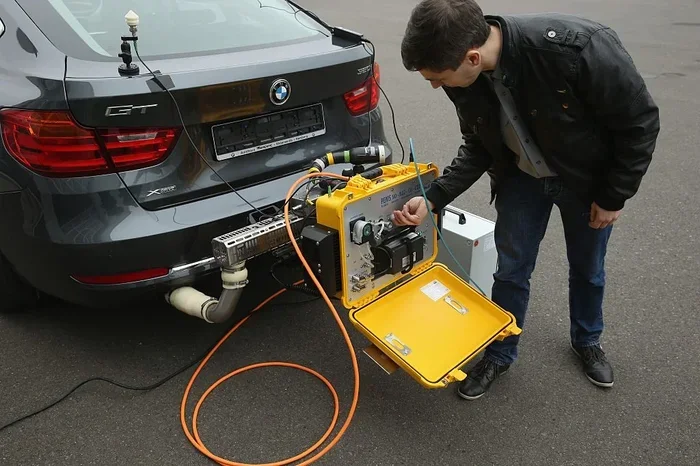
Professional shops have access to advanced diagnostic tools that can force specific readiness monitors to run. They can also perform smoke tests to find vacuum leaks, compression tests to check engine health, and exhaust gas analysis to measure actual tailpipe emissions. These tools can pinpoint problems that are invisible to the average car owner.
Complex Issues
Some problems are simply too complex for a DIY fix. Issues with the fuel injection system, engine timing, or internal engine damage require professional diagnosis. If you have cleared codes and driven the required distance but still fail, a mechanic can help you identify what is really going on.
Time Constraints
If you are short on time and need your car to pass emissions quickly, a professional can sometimes manually reset readiness monitors using specialized software. This is not something you can do with a consumer-grade OBD2 scanner. However, this should only be done after the actual problem has been fixed. Manually resetting monitors without fixing the issue is dishonest and can lead to fines or failed inspections later.
Frequently Asked Questions
Can I pass an emissions test right after clearing codes?
No, you cannot. After clearing codes, your vehicle’s readiness monitors need time to run and reset. Most cars require 50 to 100 miles of driving over several days before all monitors show a “ready” status. Taking your car in immediately after clearing codes will almost certainly result in a failed inspection because the monitors will show as “not ready.”
What happens if a readiness monitor shows “not ready” during the test?
If any readiness monitor shows “not ready,” the vehicle will automatically fail the emissions inspection in most states. The inspector cannot override this result. You will need to drive more and allow the monitors to complete their cycles before you can retest. This is why planning ahead is so important.
How many drive cycles does it take to reset all monitors?
The number of drive cycles varies by vehicle and by which monitors need to reset. Some monitors reset after a single drive cycle, while others need two or three complete cycles over multiple days. A full drive cycle typically includes a cold start, idle, city driving, highway cruising, and a cool-down period.
Does disconnecting the battery clear codes and reset monitors?
Disconnecting the battery will clear stored codes and turn off the check engine light. However, it does not reset the readiness monitors. The monitors still need to run their full test cycles to return to a “ready” status. Battery disconnects can also cause other issues, such as lost radio presets and adaptive learning reset, which may affect drivability.
How can I speed up the readiness monitor reset process?
You can speed things up by driving a variety of routes that include both city and highway conditions. Avoid short trips, keep your engine properly warmed up, and make sure your gas cap is tight. Using a quality OBD2 scanner to monitor which monitors are still “not ready” can also help you focus your driving on the monitors that need the most attention.
Is it legal to manually reset readiness monitors before a test?
In most states, manually resetting readiness monitors without fixing the underlying problem is considered fraud and is illegal. Inspectors can detect when monitors have been artificially reset, and the vehicle will fail. Always fix the actual problem first, then allow the monitors to reset naturally through proper driving.
Final Thoughts
The question of how long after you clear codes to pass emissions test does not have a one-size-fits-all answer. But with the right knowledge and a little patience, you can navigate the process successfully. The key is understanding that clearing codes is just the first step. Your car needs time and the right driving conditions to reset its readiness monitors and prove that the repairs are working.
Plan ahead. Fix the root cause. Drive a variety of routes. Check your monitor status regularly. And give yourself plenty of time before the inspection date. These simple steps can make the difference between passing on the first try and facing the frustration of a failed test and a wasted trip.
Remember that your vehicle’s emissions system plays a vital role in keeping the air clean and your engine running efficiently. Taking the time to do things right after clearing codes is not just about passing an inspection. It is about being a responsible car owner who cares about the environment and the longevity of their vehicle.
So the next time you clear a code, do not rush to the inspection station. Follow the drive cycle, let the monitors do their job, and trust the process. With the approach outlined in this guide, you will be well on your way to passing your emissions test with confidence and ease.