How Do I Know If My Cruise Control Is Working Properly
How Do I Know If My Cruise Control Is Working? You can quickly check by testing the set, resume, and cancel functions on a safe road. Watch for consistent speed, dashboard warning lights, and unusual noises under the dash. This guide walks you through simple tests, component checks, and expert tips to keep your cruise control system in top shape.
Have you ever wondered How Do I Know If My Cruise Control Is Working? It’s a fair question. You push the set button, and the car holds speed. But what if something feels off? Maybe the speed drifts, or the system won’t engage at all. This guide gives you simple, practical ways to check your cruise control. You’ll learn what a healthy system looks like. You’ll also spot warning signs early. By the end, you’ll know exactly what to do if your cruise control acts up.
How Do I Know If My Cruise Control Is Working? The answer starts with a few quick tests you can do yourself. You don’t need expensive tools. Just a safe road and a little time. I’ll walk you through each step. We’ll cover dashboard lights, speed consistency, and strange noises. You’ll also see how the key parts work together. Let’s dive in and make sure your cruise control is ready for your next trip.
Cruise control is more than a convenience. It reduces driver fatigue on long drives. It helps maintain a steady speed. But like any car system, it can develop problems. The cruise control system relies on sensors, cables, and electronic modules. When one part fails, the whole system suffers. Understanding the basics puts you ahead. You’ll save time and money. You’ll also stay safer on the highway.
Key Takeaways
- Test the set, resume, and cancel buttons to confirm basic function.
- Check the dashboard warning light for cruise control indicator.
- Listen for unusual noises like whining or clicking under the dash.
- Monitor speed consistency on a flat road to spot fluctuations.
- Inspect the speed sensor and throttle actuator if cruise control won’t engage.
- Know when to see a mechanic if DIY tests reveal electrical faults.
- Maintain sensors and wiring to prevent cruise control problems.
📑 Table of Contents
What Is Cruise Control and Why Does It Matter?
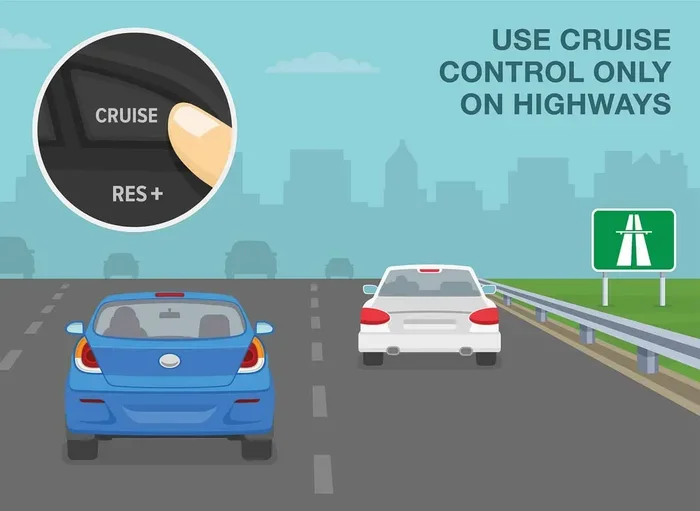
Cruise control is a system that maintains your vehicle’s speed without pressing the accelerator pedal. You set a speed, and the car holds it. This is especially helpful on long, straight roads. It reduces foot fatigue and keeps your driving smooth. But how does it actually work?
How Cruise Control Works
The system uses a vehicle speed sensor to read your current speed. That information goes to the cruise control module. The module then sends a signal to the throttle actuator or cable. This adjusts the throttle to keep the set speed. If you hit a hill, the system adds more fuel to hold steady. On a downhill, it eases off. The whole process happens automatically.
Older vehicles use a mechanical cable linked to the throttle. Newer cars rely on electronic controls. Both systems need a healthy speed sensor and a working throttle body. If any part fails, the cruise control won’t function correctly. The cruise control cable can stretch or fray over time. Electronic systems can suffer from electrical faults or corroded connectors. Knowing these basics helps you understand what to check.
Benefits of Using Cruise Control
- Reduces driver fatigue on long trips.
- Helps maintain a steady speed, which can improve fuel economy.
- Reduces speeding tickets by keeping you at a legal limit.
- Makes highway driving more relaxed and enjoyable.
But these benefits only apply when the system works properly. That’s why knowing how to check it matters.
How Do I Know If My Cruise Control Is Working? A Step-by-Step Guide
Testing your cruise control is easier than you think. You can do it in a few minutes. Follow these steps in a safe, open area like a highway or empty road. Always stay alert and keep your hands near the wheel.
Testing the Basic Functions
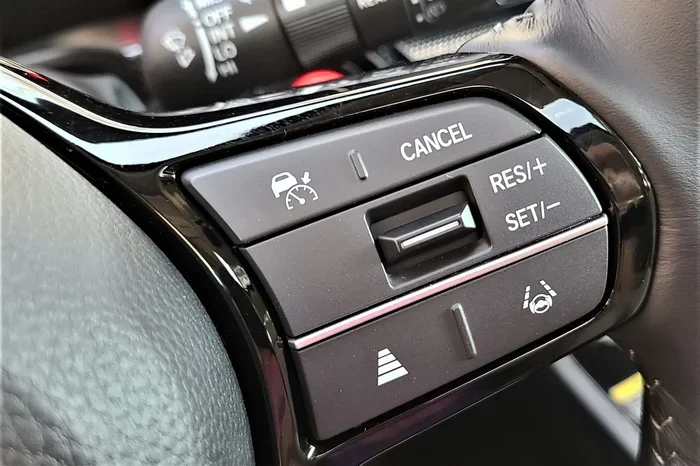
Start by turning on the cruise control system. Look for the on/off button on the steering wheel or stalk. Press it. The dashboard warning light should illuminate. This light often looks like a speedometer with an arrow. If it doesn’t light up, there’s an electrical issue.
- Set a speed. Accelerate to your desired speed, say 60 mph. Press the set button. The light should change to confirm the set speed.
- Test the resume function. Briefly tap the brake pedal to disengage. Then press the resume button. The car should return to the set speed.
- Use the cancel button. Press cancel to turn off the cruise control without erasing the memory. The system should hold the last set speed until you press resume again.
If any of these steps fail, your cruise control isn’t working right. The problem could be a faulty switch, a blown fuse, or a sensor issue. A sticky cruise control switch is a common culprit. Dirt or wear can make the buttons unresponsive.
Checking Dashboard Indicators
The dashboard warning light is your first clue. A steady light usually means the system is on. A flashing light often signals a fault. Different cars show different symbols. Some show “CRUISE” or a car with an arrow. Check your owner’s manual for the exact icon.
If the light stays on after you turn the system off, the module may have stored a trouble code. A mechanic can read that code with a diagnostic scanner. This is a quick way to find the root cause. Don’t assume the light will fix itself. Most cruise control malfunctions get worse if ignored.
Quick Tips for a Safe Test
- Always test on a straight, open road. Avoid heavy traffic or bad weather.
- Keep both hands on the wheel. Cruise control is not autopilot. Stay ready to brake or steer.
- Check the brake pedal first. The system should disengage instantly when you tap the brake. If it doesn’t, the brake pedal override switch may be faulty.
- Listen for the throttle actuator. You might hear a soft click or hum when the system adjusts speed.
These quick tips help you test safely. They also give you clues about what’s working and what’s not.
Warning Signs That Your Cruise Control Needs Attention
Your car often tells you when something is wrong. You just need to listen. Here are the most common symptoms of a failing cruise control system.
Cruise Control Won’t Engage
If you press the set button and nothing happens, the system won’t engage. This is a clear sign of a problem. Common causes include a blown cruise control fuse, a bad cruise control switch, or a faulty vehicle speed sensor. Sometimes the clutch pedal switch (in manual cars) or brake light switch prevents engagement. These small switches play a big role.
Quick Tip: Check the fuse box first. A blown fuse is cheap and easy to replace. If the fuse is fine, move to the switches and sensors. A speed limiter in some vehicles can also block engagement if the speed is too low.
Speed Fluctuations and Surging
A healthy cruise control holds a steady speed. If your speed surges up and down by 5 or 10 mph, the system is struggling. This often points to a weak throttle actuator or a dirty throttle body. A vacuum leak can also cause surging in older cars that use vacuum to control the throttle.
Watch for this on flat roads. If the problem only happens on hills, it might be normal for the system to work harder. But on a flat highway, steady speed is the goal. A cruise control module that can’t process sensor data correctly will cause erratic speed changes.
Unusual Noises and Warning Lights
Listen under the dash. A whining or buzzing noise when the cruise control engages can mean a failing throttle cable or actuator. Some clicking sounds are normal, but loud or persistent noises are not. A grinding noise could indicate a stuck cable or a failing motor.
The dashboard warning light is another key sign. If it flashes or stays on, don’t ignore it. The light means the system has detected a fault. Continuing to use it could be unsafe. A flashing light often means a serious electrical fault that needs immediate attention.
Common Mistakes That Make Problems Worse
Many drivers make mistakes that turn small issues into big repairs. Here’s what to avoid.
- Ignoring the dashboard light. A flashing cruise control warning is not something to overlook.
- Testing in unsafe areas. Always use a clear, empty road for your first test.
- Skipping fuse checks. A blown fuse is the cheapest fix and the most common cause.
- Assuming the whole system is dead. Often, it’s just a dirty sensor or a loose connector.
- Using cruise control in bad weather. Rain, ice, or heavy fog can make the system unsafe.
Common Mistake: Many drivers ignore a flashing cruise control light. They assume it will go away. In reality, it often signals a deeper electrical or sensor problem that will only get worse.
The Key Components That Make Cruise Control Work
Understanding the parts helps you troubleshoot. Here are the main components of a cruise control system.
Vehicle Speed Sensor
The speed sensor tells the cruise control module how fast you’re going. It usually sits on the transmission or wheels. If this sensor fails, the system can’t read your speed. It won’t engage or will maintain the wrong speed. A faulty sensor often triggers the check engine light too. The vehicle speed sensor also feeds data to the speedometer. If your speedometer acts up, the cruise control likely will too.
Throttle Actuator and Cable
The throttle actuator opens and closes the throttle plate to control speed. In older cars, a cable connects the cruise control module to the throttle. If the cable stretches, frays, or gets stuck, the system can’t adjust speed properly. A vacuum leak in the vacuum-operated actuator can also cause issues. The cruise control cable needs regular lubrication in older vehicles. A sticky cable will cause jerky speed changes.
Cruise Control Module and Fuses
The cruise control module is the brain of the system. It processes speed data and sends commands. It relies on fuses for power. A blown cruise control fuse will shut down the whole system. The module also stores trouble codes that a mechanic can read. If the module has an internal electrical fault, it may need replacement. But this is rare. Always check fuses and wiring first.
Expert Insights: What Mechanics Look For First
Experienced mechanics say that most cruise control issues come from simple things. A dirty speed sensor, a corroded connector, or a worn throttle cable. They recommend checking the basics first. If you have a diagnostic scanner, read the codes before replacing expensive parts. Many times, a $5 fuse solves the problem.
For vehicles with adaptive cruise control, keep the radar and camera lenses clean. A smudge or snow cover can disable the system entirely. A quick wipe can save a costly repair. The brake pedal override switch is another common failure point. If it sticks, the cruise control won’t disengage when you press the brake.
Traditional Cruise Control vs Adaptive Cruise Control
Not all cruise control systems are the same. Let’s compare the two main types.
| Feature | Traditional Cruise Control | Adaptive Cruise Control |
|---|---|---|
| Speed Setting | You set a fixed speed | You set a speed and following distance |
| Speed Adjustment | Manual, you must adjust on hills | Automatic, uses radar or cameras |
| Stop and Go | No, system disengages below 25 mph | Yes, many systems work to a full stop |
| Complexity | Simple, fewer parts | Complex, sensors and cameras |
| Cost to Repair | Lower, parts are cheaper | Higher, sensors and modules cost more |
| Common Issues | Fuse, switch, cable, speed sensor | Radar sensor, camera, module, wiring |
Both systems need regular attention. Even the most advanced adaptive cruise control can fail if sensors are dirty or wiring is damaged. Knowing the difference helps you understand what might be wrong.
What’s the Difference?
Traditional cruise control only maintains speed. It doesn’t react to cars ahead. Adaptive cruise control (ACC) uses radar or cameras to keep a safe distance. It can slow down and speed up automatically. ACC is a great feature, but it adds more parts that can fail. The radar sensor or camera can become misaligned after a minor accident. Dirt or snow on the sensor can also cause the system to disengage.
Which One Is Right for You?
If you drive long highway trips, ACC adds a lot of comfort. But traditional cruise control is simpler and cheaper to maintain. If your car has ACC, the testing steps are similar, but you also need to check the radar sensor and camera. A dirty sensor can make the system disengage unexpectedly. Always refer to your owner’s manual for specific adaptive cruise control maintenance tips.
Quick Tips for Adaptive Cruise Control Owners
- Clean the radar sensor gently with a soft cloth during car washes.
- Check the camera lens near the rearview mirror for dirt or obstructions.
- Avoid modifying the sensor area with aftermarket accessories that block the view.
- Have the system calibrated after any front-end collision or windshield replacement.
Conclusion
How Do I Know If My Cruise Control Is Working? Now you have the answers. You can test the set, resume, and cancel functions. You can read the dashboard lights. You can listen for unusual noises and check the key parts. A healthy cruise control system gives you steady speed and peace of mind. If something feels off, don’t ignore it. Early diagnosis saves money and keeps you safe.
Common Mistakes to Avoid
- Ignoring the dashboard light. A flashing cruise control warning is not something to overlook.
- Testing in unsafe areas. Always use a clear, empty road for your first test.
- Skipping fuse checks. A blown fuse is the cheapest fix and the most common cause.
- Assuming the whole system is dead. Often, it’s just a dirty sensor or a loose connector.
Expert Insights
Experienced mechanics say that most cruise control issues come from simple things. A dirty speed sensor, a corroded connector, or a worn throttle cable. They recommend checking the basics first. If you have a diagnostic scanner, read the codes before replacing expensive parts. Many times, a $5 fuse solves the problem.
For vehicles with adaptive cruise control, keep the radar and camera lenses clean. A smudge or snow cover can disable the system entirely. A quick wipe can save a costly repair. The brake pedal override switch is another common failure point. If it sticks, the cruise control won’t disengage when you press the brake.
Quick Maintenance Tips
- Inspect the cruise control switch on the steering wheel for sticky or worn buttons.
- Check the throttle cable for fraying or slack every 30,000 miles.
- Clean the vehicle speed sensor with a soft cloth during oil changes.
- Verify the brake light switch works, as it disables cruise control when you brake.
These small habits keep your cruise control system healthy for years.
How Do I Know If My Cruise Control Is Working? By staying curious and proactive. Trust your senses. If something feels wrong, investigate it. Your car will thank you with smooth, reliable performance on every trip.
Frequently Asked Questions
What does the cruise control warning light mean?
A steady light usually means the system is on. A flashing light signals a fault. Check your owner’s manual for the exact symbol. A flashing light often points to a sensor issue or a blown fuse.
Can I drive safely with cruise control if it’s acting up?
It’s best not to. A malfunctioning system might not disengage when you brake or could cause speed surges. Turn it off and have it checked before your next trip.
Why does my cruise control keep disengaging?
Common reasons include a faulty brake light switch, a sticky clutch pedal switch (in manual cars), or a problem with the speed sensor. The system is designed to disengage when you touch the brake, so a faulty switch can cause premature release.
How much does it cost to fix cruise control?
Costs vary widely. A blown fuse might cost just a few dollars. Replacing a throttle actuator or speed sensor can range from $100 to $400. Adaptive cruise control repairs involving radar or cameras can be more expensive.
Can I test cruise control myself?
Yes. You can test the set, resume, and cancel functions on a safe, open road. Check the dashboard light and listen for unusual noises. If the system won’t engage or holds speed poorly, further diagnosis is needed.
Does cruise control use more fuel?
Generally, no. Cruise control can improve fuel economy by maintaining a steady speed. However, a faulty system that surges or holds speed poorly may increase fuel consumption.