Carbon Auto Tint: Features Benefits and Why It Matters
Carbon Auto Tint is a premium window film that uses advanced carbon particles to block heat, protect against UV rays, and reduce glare inside your vehicle. Unlike traditional metallic tints, it offers a sleek, non-reflective finish that enhances your car’s look while keeping the cabin comfortable. This guide covers everything you need to know about its features, benefits, and why it is a smart upgrade for any driver.
Have you ever stepped into your car after it has been sitting in the sun? The steering wheel burns your hands, the dashboard feels like it could melt, and the glare makes it impossible to see the road. That is where Carbon Auto Tint comes in. This innovative window film has become one of the most popular car window tinting solutions on the market today, and for good reason.
Carbon Auto Tint is not just another dark film slapped on your windows. It is a carefully engineered product that uses pure carbon particles to deliver exceptional heat rejection, UV protection, and a sleek matte finish. Whether you are dealing with brutal summer heat or simply want to protect your car’s interior, this type of window film offers a level of performance that traditional tints simply cannot match.
In this article, we will break down everything you need to know about Carbon Auto Tint. From its core features and real-world benefits to how it compares with other tint types, you will find practical insights that help you make the best decision for your vehicle. Let us dive in.
Key Takeaways
- Superior Heat Rejection: Carbon Auto Tint blocks up to 99% of infrared rays, keeping your car interior significantly cooler.
- UV Protection for Skin and Interior: It filters harmful UV rays that cause skin damage and fade your car’s upholstery.
- Non-Reflective, Elegant Finish: The matte black appearance gives your vehicle a polished look without the shiny glare of metal-based films.
- No Signal Interference: Unlike metallic tints, Carbon Auto Tint does not block GPS, phone signals, or Bluetooth connectivity.
- Durability and Longevity: High-quality carbon films resist fading, bubbling, and peeling for years of reliable performance.
- Improved Driving Comfort: Reduced glare and lower cabin temperatures make every ride more comfortable and safer.
- Legal Compliance Made Easy: Carbon films come in various VLT levels, helping you choose a tint that meets local laws.
📑 Table of Contents
What Is Carbon Auto Tint?
Carbon Auto Tint is a type of automotive window film made from carbon polymer layers. It does not contain metal particles, which is what sets it apart from traditional metallic tints. The carbon particles are embedded directly into the film, creating a dense barrier that blocks solar energy from entering your car.
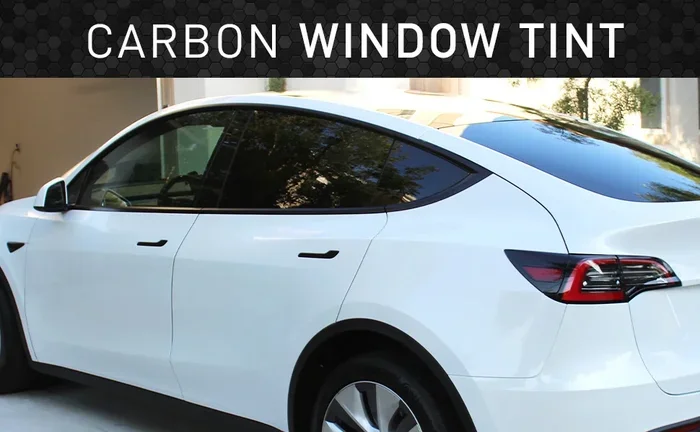
This carbon window film is known for its deep, rich black appearance. It gives your vehicle a sophisticated, stealthy look without the mirror-like shine that metal-based films produce. Many car owners choose Carbon Auto Tint specifically for its aesthetics, but the performance benefits are just as compelling.
How Carbon Window Film Works
The science behind Carbon Auto Tint is straightforward but effective. The carbon particles in the film absorb solar energy rather than reflecting it. This means the film soaks up heat and prevents it from passing through your windows. The result is a heat reduction of up to 50% or more, depending on the specific product and tint darkness level.
Because the film absorbs rather than reflects, it also eliminates the annoying mirror effect that some tints create. You get a clean, matte finish that looks great from both inside and outside the vehicle. This is one of the main reasons Carbon Auto Tint has become a go-to choice among car enthusiasts and everyday drivers alike.
Key Features of Carbon Auto Tint
What makes Carbon Auto Tint stand out from the competition? Let us look at the standout features that make this window film worth considering.
Non-Metallic Composition
One of the biggest advantages of Carbon Auto Tint is that it contains no metal. Traditional metallic tints can interfere with electronic signals. They can block GPS navigation, disrupt cell phone reception, and even affect your car’s built-in sensors. With a non-metallic tint like carbon film, none of these problems exist.
The absence of metal also means the film does not corrode over time. You will not see those ugly bubbling or peeling spots that often appear with cheaper metallic films. Carbon Auto Tint maintains its smooth, uniform appearance for years.
Heat Rejection Performance
Heat rejection is where Carbon Auto Tint truly shines. The carbon particles are highly effective at absorbing infrared radiation, which is the primary source of heat from sunlight. A good quality carbon film can reject up to 99% of infrared rays, dramatically lowering the temperature inside your car.
Think about what this means on a hot summer day. Instead of walking into a sauna, you step into a cabin that is noticeably cooler. Your air conditioning system does not have to work as hard, which can even improve your fuel economy over time. That is a win-win situation for comfort and energy efficiency.
UV Protection and Skin Safety
Ultraviolet rays are invisible but dangerous. Prolonged exposure to UV radiation can cause skin damage, premature aging, and even increase the risk of skin cancer. Your car’s windows do block some UV rays, but not enough to provide full protection.
Carbon Auto Tint blocks up to 99% of harmful UV rays. This means your skin is protected during long drives, and your car’s interior is shielded from UV damage. The dashboard, seats, and steering wheel all last longer when they are not constantly bombarded by ultraviolet radiation. UV protection is one of the most important benefits of any quality auto tint, and carbon film delivers it exceptionally well.
Benefits of Carbon Auto Tint
Now that we have covered the features, let us talk about the real-world benefits. These are the things you will actually notice and appreciate as a car owner.
Cabin Comfort and Glare Reduction
Glare from the sun can be more than just an annoyance. It can be a safety hazard, especially during sunrise and sunset drives. Carbon Auto Tint significantly reduces glare, making it easier to see the road and react to potential hazards. This glare reduction feature alone makes the investment worthwhile for many drivers.
Beyond safety, reduced glare means less eye strain during long road trips. You arrive at your destination feeling less fatigued and more refreshed. The cooler cabin temperature also contributes to overall driving comfort, making every ride more enjoyable.
Interior Protection and Fade Prevention
Your car’s interior is a significant investment. The leather seats, the dashboard, the carpeting, and the center console all take a beating from daily sun exposure. Over time, UV rays cause fading, cracking, and deterioration of these materials.
Carbon Auto Tint acts as a shield for your interior. By blocking UV rays and reducing heat buildup, it helps preserve the color and integrity of your car’s surfaces. This fade prevention benefit means your car retains its like-new appearance for much longer. For anyone who takes pride in their vehicle’s interior, this is a major advantage of carbon window film.
Privacy and Vehicle Aesthetics
Let us be honest, one of the reasons people tint their windows is for privacy. Carbon Auto Tint provides excellent privacy by darkening the glass and making it difficult for others to see inside your vehicle. This is especially valuable when you park in public areas or leave valuables in your car.
From an aesthetics standpoint, carbon film gives your car a sleek, uniform black appearance. Unlike some cheaper tints that look patchy or discolored over time, Carbon Auto Tint maintains a rich, consistent color. It enhances your vehicle aesthetics and gives the car a polished, premium look that turns heads.
Improved Safety in Case of Breakage
Most window film products, including carbon tint, add an extra layer of reinforcement to your car’s glass. In the event of an accident or vandalism, the film helps hold shattered glass together. This reduces the risk of injuries from flying glass fragments. While it is not a replacement for safety glass, it is a valuable additional layer of protection that comes standard with quality tint installations.
Carbon Auto Tint vs. Other Tint Types
Not all window tints are created equal. To understand why Carbon Auto Tint is worth the investment, it helps to compare it with the other popular options available.
| Feature | Carbon Auto Tint | Metallic Tint | Dyed Tint | Ceramic Tint |
|---|---|---|---|---|
| Heat Rejection | Excellent (up to 99% IR rejection) | Good | Poor | Excellent (up to 99% IR rejection) |
| UV Protection | Up to 99% | Good | Moderate | Up to 99% |
| Signal Interference | None | Yes | None | None |
| Appearance | Matte black, non-reflective | Shiny, reflective | Fades over time | Neutral, non-reflective |
| Durability | High, no fading or bubbling | Moderate, may bubble | Low, fades quickly | Very high |
| Price Range | Mid to high | Low to mid | Low | High |
| Glare Reduction | Excellent | Good | Fair | Excellent |
As you can see from the comparison table, Carbon Auto Tint offers a fantastic balance of performance and value. It matches or comes close to ceramic tint in most categories, but at a more affordable price point. Dyed tints are cheap but perform poorly and fade quickly. Metallic tints are budget-friendly but come with signal interference issues. Carbon Auto Tint gives you the best of both worlds.
How to Choose the Right Carbon Auto Tint
Not all Carbon Auto Tint products are the same, and choosing the right one for your vehicle requires a bit of knowledge. Here are the key factors to consider.
Understanding Visible Light Transmission
Visible Light Transmission, or VLT, refers to the percentage of light that passes through the tinted window. A lower VLT means a darker tint. Different states and countries have different legal limits for window tint darkness, so it is essential to check your local regulations before purchasing.
For example, many regions require a minimum VLT of 70% for front side windows and allow 20-35% for rear windows and windshields (with a strip). Choose a Carbon Auto Tint product that meets these requirements while still delivering the performance you want.
Tint Darkness Levels and Legal Limits
Tint darkness levels vary widely, and it is easy to get confused by all the options. The most common darkness levels for carbon film range from 5% (very dark, often called “limo tint”) to 50% (lightly tinted). Most car owners choose between 20% and 35% for a balanced look and performance.
Here are some quick tips for navigating the legal landscape:
- Check your state’s laws before purchasing tint. Laws vary widely and can change.
- Front windshield tinting is restricted in most areas. A non-reflective strip at the top is usually allowed.
- Medical exemptions may be available if you have a condition that requires extra sun protection.
- Keep your tint receipt and any certification stickers in your vehicle in case of inspections.
Quality and Brand Reputation
When it comes to auto accessories like window tint, quality matters enormously. Cheap films may save you money upfront but often fade, bubble, or peel within a year or two. Invest in a reputable brand that offers warranties and has a proven track record of quality.
Look for carbon films that come with a manufacturer’s warranty of at least five years. This gives you peace of mind and ensures that your Carbon Auto Tint investment is protected. Read reviews, ask for recommendations from other car owners, and do not be afraid to ask your installer about the specific brand and product they use.
Expert Tips, Common Mistakes, and Final Thoughts
Quick Tips for Maintaining Carbon Auto Tint
Taking care of your Carbon Auto Tint ensures it looks great and performs well for many years. Here are some simple maintenance tips:
- Wait 48 hours after installation before rolling down your windows. This allows the film to cure properly.
- Use a soft microfiber cloth when cleaning your windows. Harsh materials can scratch the film.
- Avoid ammonia-based cleaners. They can degrade the carbon layer over time. Use a tint-safe cleaning solution instead.
- Roll down your windows gently for the first few weeks. The film is still bonding to the glass.
- Inspect your edges regularly for any signs of lifting or peeling. Catching issues early prevents bigger problems.
Common Mistakes to Avoid
Even with the best Carbon Auto Tint, mistakes during installation or aftercare can shorten its lifespan. Here are common pitfalls to watch out for:
- Choosing the wrong VLT level. Going too dark can lead to legal trouble and poor visibility at night.
- Skipping the warranty. A good warranty protects you against bubbling, peeling, and discoloration. Never skip this.
- DIY installation without experience. While DIY kits exist, professional installation ensures a bubble-free, seamless finish.
- Ignoring local tint laws. Getting pulled over for illegal tint is avoidable with a little research beforehand.
- Using rough cleaning materials. Your tint needs gentle care, especially in the first few months.
Expert Insights
Industry professionals consistently rank carbon film as one of the best all-around auto tint options available. According to experienced installers, Carbon Auto Tint strikes the ideal balance between performance, aesthetics, and affordability. It does not have the signal interference issues of metallic tints, and it does not come with the premium price tag of ceramic films.
One expert tip from seasoned professionals is to always choose a tint that is slightly lighter than your local legal limit. This gives you a safety margin and ensures you never run into compliance issues during inspections. It also provides better nighttime visibility, which is crucial for safe driving.
Another insight from the pros is about installation timing. The best time to tint your windows is during cooler, dry months. Extreme heat and humidity can affect the curing process and the final result. If you live in a hot climate, consider scheduling your installation during spring or fall for the best outcomes.
Final Thoughts
Carbon Auto Tint is more than just a cosmetic upgrade for your vehicle. It is a practical investment that delivers real, tangible benefits every time you get behind the wheel. From superior heat rejection and UV protection to improved aesthetics and privacy, the advantages are clear and compelling.
Whether you are dealing with scorching summer heat, concerned about skin damage from UV exposure, or simply want your car to look its best, Carbon Auto Tint checks every box. It offers a non-metallic, non-reflective finish that looks premium and performs exceptionally well. Compared to other tint types, it provides an outstanding balance of quality, durability, and value.
If you have been on the fence about tinting your car, now is the time to make the move. Do your research, choose a reputable installer, and pick a Carbon Auto Tint product that fits your needs and local regulations. Your car, your skin, and your comfort will thank you every single day you drive.
Frequently Asked Questions
Is Carbon Auto Tint legal everywhere?
Tint laws vary by state, country, and even city. Most regions have specific rules about how dark your tint can be and which windows can be tinted. Always check your local regulations before installing Carbon Auto Tint, and keep documentation of your tint’s VLT level for inspections.
How long does Carbon Auto Tint last?
High-quality Carbon Auto Tint typically lasts between 5 and 10 years, depending on the brand, installation quality, and how well you maintain it. Many premium films come with warranties that cover bubbling, peeling, and fading for up to a decade.
Does Carbon Auto Tint affect phone or GPS signals?
No. Unlike metallic tints, Carbon Auto Tint is non-metallic and does not interfere with electronic signals. You can use your phone, GPS navigation, Bluetooth, and other wireless devices without any disruption after installation.
Can I install Carbon Auto Tint myself?
DIY installation kits are available, but professional installation is highly recommended. A trained installer ensures bubble-free application, proper edge sealing, and compliance with local tint laws. Mistakes during DIY installation can lead to unsightly bubbles, peeling, and reduced performance.
Does Carbon Auto Tint make my car look darker inside?
Yes, Carbon Auto Tint reduces the amount of visible light entering your car, which makes the interior appear darker. However, it does not make the car dangerously dark. You can choose a VLT level that provides good visibility while still offering the benefits of tinting.
How much does Carbon Auto Tint cost?
The cost of Carbon Auto Tint varies based on the brand, tint darkness, and number of windows. On average, expect to pay between $100 and $400 for a full vehicle tint job. While it is more expensive than basic dyed tints, the durability and performance make it a worthwhile investment.