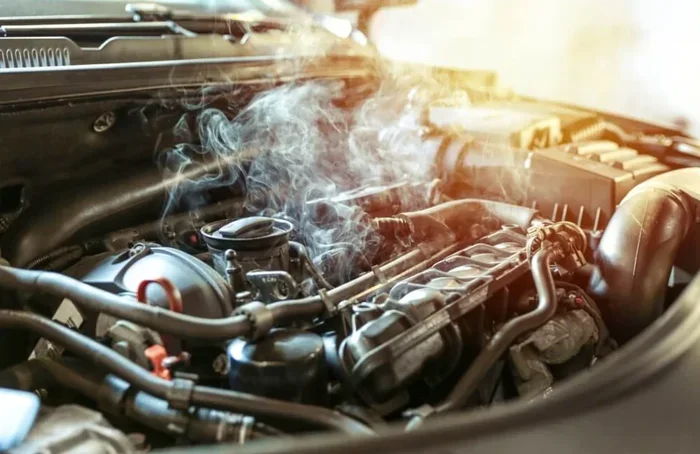
Car Starting Issues Explained and How to Fix Them Fast
Car starting issues can turn a normal morning into a frustrating nightmare. This guide breaks down every common cause, from a dead battery to a failing starter motor, and gives you clear, step-by-step solutions. You will learn how to diagnose the problem fast, apply simple fixes at home, and know exactly when to call a professional. Car starting issues are more manageable than you think once you understand the basics.
There is nothing worse than turning the key and hearing nothing but silence. Car starting issues affect millions of drivers every year, and they can happen to anyone at any time. Whether you are rushing to work or heading out on a weekend trip, a car that refuses to start throws your whole day off track.
The good news is that most car starting issues have simple explanations and even simpler fixes. You do not need to be a mechanic to understand what is going wrong. This guide walks you through every common cause, gives you practical solutions, and helps you decide when it is time to call for help.
We will cover everything from battery health to fuel system problems. By the end, you will feel confident tackling many car starting issues on your own. Let us get into it.
Key Takeaways
- Dead batteries cause most car starting issues: Regular maintenance and smart charging habits prevent this.
- Corroded terminals are an easy fix: A simple cleaning with baking soda and water can restore power.
- Clicking noises often point to the starter motor: Understanding this sound helps you act fast.
- Cold weather worsens starting problems: Keeping your battery warm and fuel system healthy matters.
- Know when to call a mechanic: Some car starting issues need professional tools and expertise.
- Prevention saves time and money: Regular checks keep your engine reliable year-round.
📑 Table of Contents
Why Do Car Starting Issues Happen?
Every car has a few key systems that work together to turn the engine on. When one part fails, the whole process stops. Understanding how your car starts helps you pinpoint the problem faster.
When you turn the key or push the start button, the battery sends power to the starter motor. The starter motor cranks the engine. Then the ignition system creates a spark, and fuel flows into the cylinders. If any of these steps break down, you face car starting issues.
The Electrical System Is the Starting Point
Most car starting issues trace back to the electrical system. The battery, alternator, and wiring form a closed loop that keeps everything powered. A weak battery or a broken alternator can stop your car in its tracks.
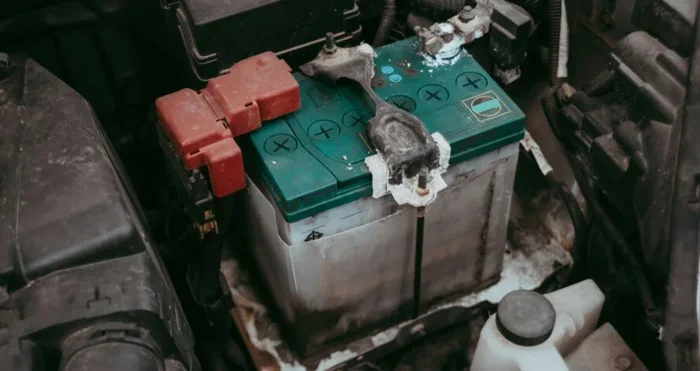
Corrosion on battery terminals is another common culprit. Over time, a white or greenish buildup forms on the terminals. This buildup blocks the electrical connection and prevents power from flowing. Many drivers mistake this for a dead battery when a simple cleaning solves the problem.
Fuel and Ignition Work Together
Your engine needs three things to run: fuel, air, and a spark. The fuel pump delivers gasoline from the tank to the engine. The spark plugs create the ignition that burns the fuel. If either system fails, your car will not start.
A clogged fuel filter can restrict fuel flow and cause car starting issues. Similarly, worn-out spark plugs may not create a strong enough spark. These problems develop slowly over time, which is why regular maintenance matters so much.
Common Reasons Your Car Won’t Start
Not all car starting issues look the same. Some come with warning signs like clicking sounds or slow cranking. Others happen without any warning at all. Let us look at the most common reasons your engine might refuse to turn over.
Dead or Weak Battery
A dead battery is the number one cause of car starting issues. Batteries typically last between three and five years. Extreme temperatures, short trips, and leaving lights on can shorten that lifespan significantly.
Signs of a dead battery include:
- No sound when you turn the key
- Dim dashboard lights or headlights
- A slow, sluggish crank when you try to start
- Electrical accessories working but the engine won’t turn over
If your battery is more than three years old, it is worth getting it tested. Many auto parts stores offer free battery testing. This simple check can save you from unexpected car starting issues on a busy morning.
Faulty Starter Motor
The starter motor is the electric motor that cranks your engine. When it fails, you usually hear a single loud click or a rapid clicking sound when you turn the key.
Starter motors wear out over time, especially in older vehicles. Corrosion, electrical shorts, and worn brushes inside the motor can all lead to failure. If your headlights work fine but the engine does not crank, the starter motor is likely the issue.
Replacing a starter motor can be expensive, but the repair itself is straightforward for a mechanic. Do not ignore a clicking noise. Early attention to starter motor problems prevents more serious car starting issues down the road.
Ignition Switch Problems
The ignition switch is the part you turn when you put your key in the lock. It sends a signal to the battery to release power to the starter motor and ignition system.
A worn ignition switch can cause intermittent car starting issues. You might notice that your car starts sometimes but not other times. Dashboard lights may flicker when you turn the key. These are classic signs of an ignition switch that needs replacement.
Ignition switch problems are more common in older vehicles with high mileage. If you suspect this is the cause, have a professional inspect it before the problem gets worse.
Fuel Pump Failure
The fuel pump pushes gasoline from the tank to the engine. Without it, your car cannot get the fuel it needs to run. A failing fuel pump often causes car starting issues that get worse over time.
Common signs of a bad fuel pump include:
- A whining noise coming from the fuel tank area
- Stalling or sputtering at high speeds
- Difficulty starting after the car has been sitting
- Loss of power under heavy load
Fuel pumps can fail due to contaminated fuel, a clogged fuel filter, or simple age. Keeping your fuel tank at least a quarter full helps protect the pump from overheating and premature wear.
How to Diagnose Car Starting Issues Fast
Diagnosing car starting issues does not require expensive tools. A little observation and some basic knowledge can take you a long way. Here is a simple process to follow when your car will not start.
Step 1: Listen Carefully
What you hear when you turn the key tells a story. No sound at all usually points to a dead battery or a bad connection. A single click often means the starter motor is not engaging. Rapid clicking typically indicates a battery with enough charge to power the lights but not enough to crank the engine.
Take a moment to listen before you do anything else. This simple habit helps you narrow down the cause quickly.
Step 2: Check the Dashboard Lights
Turn the key to the “on” position without starting the engine. Do the dashboard lights come on normally? If they are dim or flickering, your battery is likely weak. If they do not come on at all, you may have a wiring issue or a completely dead battery.
This quick check takes five seconds and gives you valuable diagnostic information about your car starting issues.
Step 3: Inspect the Battery Terminals
Pop the hood and look at your battery terminals. Do you see any white, green, or blue buildup? This corrosion prevents electrical current from flowing properly and is one of the most overlooked causes of car starting issues.
Even if the battery is fully charged, corroded terminals can stop it from delivering power to the starter motor. A quick visual inspection can save you a lot of frustration.
Step 4: Test the Fuel Level
It sounds simple, but running out of fuel causes more car starting issues than people realize. Check your fuel gauge before you assume something is seriously broken. A faulty fuel gauge can give false readings, so do not rely on it entirely.
If you have fuel, move on to the next diagnostic step. If you do not, fill up and try again.
Step-by-Step Fixes for Common Car Starting Issues
Once you have identified the likely cause, you can take action. Some fixes are simple enough to do at home. Others require a trip to the mechanic. Let us walk through the most common solutions.
Jump-Starting Your Battery
Jump-starting is the go-to fix for a dead battery. You will need jumper cables and a second vehicle with a working battery, or a portable jump starter pack.
Here is the safe way to jump-start your car:
- Park both vehicles close together but do not let them touch.
- Turn off the engine in both cars and engage the parking brakes.
- Connect the red clamp to the positive terminal on the dead battery.
- Connect the other red clamp to the positive terminal on the good battery.
- Connect the black clamp to the negative terminal on the good battery.
- Connect the other black clamp to an unpainted metal surface on the dead car’s engine block.
- Start the working car and let it run for a few minutes.
- Try starting the dead car. If it starts, let it run for at least 15 minutes to recharge.
Always remove the cables in the reverse order. Jump-starting resolves many car starting issues quickly and effectively. Keep a set of jumper cables in your trunk at all times.
Cleaning Corroded Battery Terminals
If you notice buildup on your battery terminals, cleaning them can restore the connection and solve car starting issues. You will need baking soda, warm water, an old toothbrush, and a wrench.
First, disconnect the battery cables. Always remove the negative cable first. Mix a tablespoon of baking soda with a cup of warm water. Dip the toothbrush in the solution and scrub the terminals gently. The fizzing reaction helps dissolve the corrosion.
Rinse with a little clean water and dry thoroughly with a cloth. Reconnect the cables, starting with the positive side. This simple maintenance task prevents many car starting issues and extends your battery’s life.
Replacing the Starter Motor
Replacing a starter motor is not a DIY job for most people. It requires lifting the vehicle and accessing the motor from underneath. A professional mechanic can do this repair in one to two hours.
The cost of a starter motor replacement typically ranges from $300 to $500, depending on your vehicle model. The part itself costs between $100 and $200, with labor making up the rest.
If you suspect your starter motor is failing, do not wait too long. A completely dead starter motor leaves you stranded. Addressing starter problems early saves you from more serious car starting issues and costly towing fees.
Replacing Spark Plugs and the Fuel Filter
Worn spark plugs and clogged fuel filters are two of the most preventable causes of car starting issues. Most spark plugs need replacement every 30,000 to 100,000 miles, depending on the type.
A fuel filter should be replaced every 20,000 to 40,000 miles. Check your owner’s manual for the exact schedule. These are inexpensive parts that make a huge difference in how reliably your car starts.
Replacing spark plugs is a straightforward task for most home mechanics. Changing the fuel filter usually requires basic tools and about 20 minutes. Both repairs are excellent ways to prevent car starting issues before they happen.
Cold Weather and Car Starting Issues
Cold weather is the enemy of reliable car starts. Low temperatures reduce battery capacity and thicken engine oil, making it harder for the engine to turn over. Winter is when car starting issues spike for drivers everywhere.
A battery that works perfectly in summer can lose 30 to 50 percent of its power in freezing temperatures. This is why many drivers experience car starting issues only during the cold months.
Tips for Cold Weather Starting
- Use a battery blanket or engine heater in extremely cold climates
- Keep your battery terminals clean and tight all year round
- Avoid short trips that do not fully recharge the battery
- Check your battery age before winter arrives
- Keep your gas tank at least half full to prevent fuel line freeze-up
These simple habits make a big difference. A little preparation in the fall can prevent frustrating car starting issues all winter long.
When to Call a Professional Mechanic
Not every car starting issue can be fixed at home. Some problems need professional diagnosis and specialized tools. Knowing when to call for help saves you time, money, and a lot of frustration.
Call a mechanic if you experience any of the following:
- The engine cranks but will not fire up
- You smell gasoline near the engine compartment
- Your dashboard warning lights are flashing
- You have tried jump-starting and the battery still dies quickly
- Your car starts sometimes but not consistently
These signs often point to deeper issues like a bad ignition coil, a failing fuel pump, or problems with the engine control module. A trained mechanic can run diagnostic tests and pinpoint the exact cause of your car starting issues.
Many repair shops offer free or low-cost diagnostics. Taking advantage of these services gives you a clear picture of what needs fixing without guessing.
Preventing Car Starting Issues Before They Happen
The best way to deal with car starting issues is to prevent them altogether. A little regular maintenance goes a long way toward keeping your engine reliable.
Create a Simple Maintenance Routine
Set a reminder to check your battery every three months. Clean the terminals once a year, or more often if you live in a humid or coastal area. Have your alternator tested during every oil change.
Keep your fuel system healthy by using quality gasoline and replacing the fuel filter on schedule. Fresh spark plugs ensure a strong, consistent spark every time you turn the key.
Invest in the Right Tools
Every driver should have a basic emergency kit in their car. Include jumper cables, a portable battery charger, a flashlight, and a set of basic wrenches. These tools help you handle car starting issues on the spot, even when you are far from home.
A portable jump starter pack is especially valuable. It is compact, easy to use, and works even when no other vehicle is nearby. Investing in one gives you peace of mind and independence from unexpected car starting issues.
Key Takeaways
- Dead batteries cause most car starting issues: Regular maintenance and smart charging habits prevent this.
- Corroded terminals are an easy fix: A simple cleaning with baking soda and water can restore power.
- Clicking noises often point to the starter motor: Understanding this sound helps you act fast.
- Cold weather worsens starting problems: Keeping your battery warm and fuel system healthy matters.
- Know when to call a mechanic: Some car starting issues need professional tools and expertise.
- Prevention saves time and money: Regular checks keep your engine reliable year-round.
Frequently Asked Questions
What are the most common car starting issues?
The most common car starting issues include a dead or weak battery, corroded battery terminals, a faulty starter motor, a bad ignition switch, and fuel pump failure. These problems account for the vast majority of no-start situations. Regular maintenance can prevent most of these issues from occurring.
How do I know if my battery is causing the problem?
If your dashboard lights are dim, your engine cranks slowly, or you hear no sound at all when you turn the key, the battery is likely the cause. You can also test the battery voltage with a multimeter. A reading below 12.4 volts usually means the battery needs charging or replacement.
Can cold weather cause car starting issues?
Yes, cold weather significantly increases the likelihood of car starting issues. Low temperatures reduce battery capacity and thicken engine oil, both of which make it harder for the engine to turn over. Keeping your battery maintained and using a battery blanket in extreme cold helps prevent winter starting problems.
How much does it cost to fix car starting issues?
The cost depends entirely on the cause. A jump-start or battery cleaning costs little to nothing. Replacing a battery typically runs $100 to $250. Starter motor replacement can range from $300 to $500. Fuel pump repairs can cost $400 to $800. Always get a diagnostic before committing to a repair.
What should I do if my car clicks but won’t start?
A clicking noise usually means the starter motor is receiving a signal but cannot engage. This often points to a weak battery, corroded terminals, or a failing starter motor. Try jump-starting first. If the clicking continues, inspect the terminals and consider calling a mechanic for further diagnosis.
How can I prevent car starting issues in the future?
Preventing car starting issues starts with regular maintenance. Test your battery every few months, clean the terminals annually, and replace spark plugs and fuel filters on schedule. Keep your gas tank at least half full, especially in winter. A small investment in prevention saves you from major headaches later.
=== CONCLUSION ===
Car starting issues are frustrating, but they are rarely mysterious once you understand the basics. From a simple dead battery to a failing fuel pump, the causes fall into a few clear categories that are easy to diagnose and fix. The key is to stay calm, listen to what your car is telling you, and follow the right diagnostic steps.
Most car starting issues can be resolved with basic tools and a little knowledge. Jump-starting a battery, cleaning corroded terminals, and replacing worn spark plugs are all fixes you can handle yourself. For more complex problems like a bad starter motor or fuel pump, a professional mechanic has the tools and expertise to get the job done right.
Prevention is your best long-term strategy. Regular maintenance keeps your electrical system healthy, your fuel system clean, and your engine ready to start every single time. Keep jumper cables in your trunk, check your battery often, and do not ignore warning signs like slow cranking or clicking sounds.
With the information in this guide, you now have the knowledge to handle most car starting issues with confidence. Take action today, and you will spend less time stranded and more time on the road where you belong.