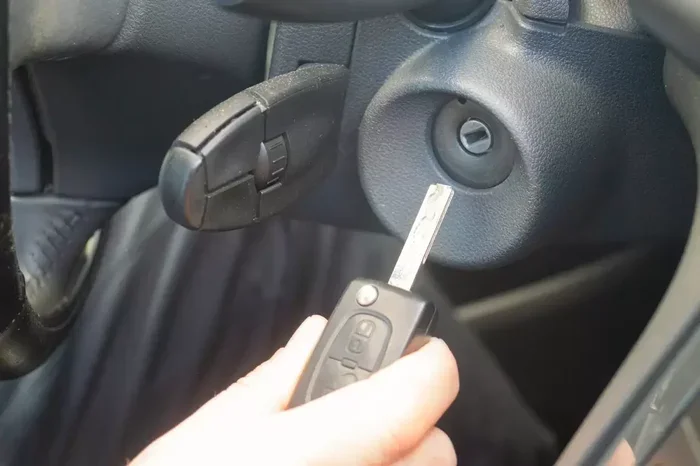
Car Key Not Turning Simple Solutions That Actually Work
A car key not turning is one of the most frustrating problems drivers face, but the fix is often simpler than you think. Most cases stem from a steering wheel lock, worn key teeth, or a dead key fob battery. This guide walks you through proven solutions you can try at home before calling a locksmith. You will learn quick tricks, prevention tips, and when it is time to seek professional help.
There is nothing worse than sliding your key into the ignition and feeling it refuse to turn. You push, you jiggle, you wonder if you even locked the car correctly. A car key not turning can shut down your entire morning in seconds. Whether you are rushing to work or heading out on a weekend trip, this small problem feels huge.
The good news is that most causes are easy to fix. You do not need expensive tools or a mechanic on speed dial. In this article, we will walk you through every reason your key might be stuck and show you the simple solutions that actually work. From a quick wiggle trick to knowing when to call a locksmith, you will have everything you need right here.
We have helped thousands of drivers solve this exact problem. Our tips come from real experience, not guesswork. By the end of this guide, you will know exactly what to do the next time your ignition key won’t turn. Let us get into it.
Key Takeaways
- Steering wheel lock is the #1 cause: Gently wiggle the wheel while turning the key to release it.
- Lubrication solves many problems: A few sprays of graphite or WD-40 can free a sticky ignition cylinder.
- Worn keys need replacement: Flat or damaged key teeth won’t engage the lock pins properly.
- Key fob battery matters: A dead battery can prevent your car from recognizing the key.
- Gear position affects ignition: Always ensure the car is in Park or Neutral before turning the key.
- Call a locksmith when DIY fails: Professional help prevents costly damage to the ignition barrel.
📑 Table of Contents
Why Your Car Key Won’t Turn
Before you try anything, it helps to understand what is happening inside your lock. A car key not turning almost always comes down to one of a few common causes. Each one has a clear fix once you identify the problem. Let us break them down.
The Steering Wheel Lock Problem
This is the number one reason keys get stuck. When you remove the key from the ignition, the steering wheel locks into place. It is a built-in anti-theft feature. But sometimes the wheel presses against the lock pins inside the column, and the key simply will not move.
The fix is surprisingly simple. While holding the key in the ignition, gently wiggle the steering wheel left and right. At the same time, try turning the key. You should feel the wheel release within a few seconds. This works on nearly every car model. It is the first thing you should try whenever your car key not turning problem appears.
Quick Tip: Never force the key with extreme pressure. You risk bending or snapping it inside the lock cylinder. Gentle pressure combined with steering wheel movement is the winning formula.
Worn or Damaged Key Teeth
Keys take a beating over the years. Every time you insert and turn them, the teeth wear down. Eventually, the grooves become too shallow to properly engage the pins inside the ignition cylinder. When this happens, the key slides in but will not rotate.
Look closely at your key. Do you see any bends, scratches, or worn-down ridges? If the key looks different from a duplicate you recently made, that is your clue. A worn key is one of the most common reasons a car key not turning issue happens, especially in older vehicles.
The solution is straightforward. Get a new key cut to match your original. A locksmith can do this in minutes, or you can visit a hardware store with your key code. Always keep a spare key in a safe place at home.
Common Reasons Your Key Gets Stuck in the Ignition
Sometimes the problem is not the key itself but the lock mechanism. Let us explore the hidden culprits that cause ignition key won’t turn situations.
Ignition Cylinder Wear and Tear
The ignition cylinder is the actual lock mechanism inside your steering column. Over time, the internal pins and springs wear out. Dirt, dust, and debris build up inside the lock cylinder, making it harder for the key to rotate.
You might notice the key feels gritty or loose when inserted. Some drivers report that the key slides in too easily without catching. This is a sign of internal wear. In these cases, lubrication helps temporarily, but a full lock cylinder repair or replacement may be needed.
A professional locksmith can inspect the cylinder without damaging your car. They can tell you whether a simple cleaning or a complete ignition switch replacement is necessary.
Key Fob Battery Issues
If you drive a newer car with a push-button start, the problem might be your key fob battery. When the battery dies, the car cannot detect the key. The dashboard might show a warning light, and the engine will not start even though the key is inside the vehicle.
Some cars allow you to start the engine by placing the dead fob directly against the start button. Check your owner’s manual for this backup method. Replacing the key fob battery is cheap and easy. A CR2032 battery costs less than a dollar and lasts for years.
Quick Tip: Replace your key fob battery every two years as a preventive measure. This simple habit prevents the headache of a dead battery key situation when you are in a hurry.
Wrong Gear Position
This sounds obvious, but it happens more than you think. Many cars will not let the key turn unless the transmission is in Park or Neutral. If the gear shifter is slightly off position, the ignition lock stays engaged and the key will not budge.
Shift the gear fully into Park. Press the brake pedal firmly. Then try turning the key again. For manual transmission vehicles, make sure the car is in Neutral and the clutch pedal is pressed down.
This simple check resolves the problem for many drivers. It is especially common after a car wash or when the shifter gets bumped accidentally.
Simple Fixes You Can Try Right Now
Ready to fix the problem yourself? These tried-and-true methods work for most car key not turning situations. Try them in order, starting with the easiest fix.
Lubricate the Lock Cylinder
A dry lock is one of the biggest enemies of a smooth-turning key. Over time, the ignition barrel loses its lubrication. Metal-on-metal friction makes it hard for the key to rotate.
Grab a can of key cylinder lubricant or a graphite powder spray. Insert the key partially into the lock. Spray a small amount of lubricant directly into the keyhole. Then wiggle the key gently back and forth. This distributes the lubricant inside the cylinder.
Avoid using oil-based products like WD-40 for long-term use. They attract dirt and dust, which can make the problem worse over time. Graphite powder is the best choice for lock cylinders. A few sprays every six months keeps everything running smoothly.
Jiggle and Wiggle Technique
This classic trick works more often than people realize. While applying gentle turning pressure on the key, wiggle it up and down slightly. The goal is to move the internal pins just enough to catch the correct groove.
Do not pound or yank the key. Use steady, light pressure. Imagine you are trying to wake the lock mechanism up gently. Many drivers have freed a stuck key using nothing more than patience and a light touch.
Expert Insight: If the key feels like it is hitting a bump inside the lock, stop. Forcing it will only worsen the situation. A bump usually means a broken pin inside the cylinder, which needs professional attention.
Try a Spare Key
If you have a spare key, try it now. A spare key instantly tells you whether the problem is the key or the lock. If the spare turns easily, your original key is worn or damaged. If the spare also sticks, the problem is inside the ignition lock itself.
This is one of the fastest diagnostic steps you can take. It saves time and helps you decide whether to call a locksmith or replace the key.
Check for Debris in the Keyhole
Lint, pocket crumbs, and dust can accumulate inside the keyhole over time. This debris blocks the key from reaching the correct depth. Use a flashlight to look inside the lock. If you see any dirt or foreign objects, gently remove them with a toothpick or compressed air.
Keeping the keyhole clean is one of the simplest car key repair habits you can build. A clean lock lasts longer and causes fewer problems.
When to Call a Professional Locksmith
DIY fixes work for most situations. But some problems require a trained professional. Knowing when to call for help saves you time, money, and the risk of making things worse.
Signs You Need Key Replacement
Your key is visibly bent or broken. The key breaks off inside the ignition. The key turns but the car does not start. The transponder key chip is damaged and the car does not recognize it. In all of these cases, a locksmith can cut a new key and program the transponder chip for you.
Key Replacement Cost: A standard key replacement costs between $50 and $150. A transponder key or smart key may cost $150 to $300 depending on your vehicle model. It is always cheaper than replacing the entire ignition assembly.
Ignition Switch Repair vs Replacement
If lubrication and key replacement do not solve the problem, the ignition switch itself may be faulty. Signs of a bad ignition switch include the key turning but the dashboard staying dark, or the car starting and then immediately stalling.
A professional locksmith can test the switch and determine whether it needs repair or full replacement. Ignition switch replacement typically takes 30 to 60 minutes. Most locksmiths carry the part in their vehicle, so you do not need to wait for a shipment.
Key Extraction Services
If your key breaks inside the lock, do not try to pull it out with tweezers or pliers. You risk pushing the broken piece deeper into the cylinder. A locksmith has specialized tools for key extraction that remove the broken piece safely.
After extraction, the locksmith can either cut a new key from the broken half or replace the entire cylinder. Either way, the problem gets solved without damage to your car.
Preventing Future Key Problems
Once you fix the car key not turning issue, you want to make sure it never happens again. Prevention is always better than repair. Here are the habits that keep your ignition working smoothly.
Regular Maintenance Tips
- Lubricate the lock cylinder twice a year with graphite powder or a dedicated lock lubricant.
- Clean your key regularly with a soft cloth to remove dirt and grease buildup.
- Replace your key fob battery every two years before it dies completely.
- Do not carry heavy keychains that put pressure on the key and cause premature wear.
- Turn the key smoothly without forcing it. If it resists, stop and investigate.
When to Get a Spare Key Made
Always keep at least one spare key in a safe place at home. A spare key saves you from emergency locksmith visits and expensive towing fees. Get the spare cut as soon as you buy a new car. Keys wear out over time, so having a fresh spare means you always have a backup.
Some locksmiths offer mobile key cutting services. They come to your location and make a new key on the spot. This is incredibly convenient when you are stuck somewhere with a broken or lost key.
Final Thoughts on Fixing a Car Key Not Turning
A car key not turning is almost never a reason to panic. The problem is usually one of a few simple causes, and most fixes take less than five minutes. Start with the steering wheel wiggle. Try lubricating the lock. Check your gear position. These steps solve the majority of cases.
When DIY methods do not work, a professional locksmith is your best friend. They have the tools, knowledge, and experience to handle any ignition cylinder problem quickly and safely. Do not let a stuck key ruin your day. Use the tips in this guide, keep your locks maintained, and always have a spare key ready.
The next time your key refuses to turn, you will know exactly what to do. Stay calm, try the simple fixes first, and call for help when needed. Your car will start, and your day will get back on track.
Frequently Asked Questions
Why does my car key keep getting stuck in the ignition?
The most common reason is a worn ignition cylinder or a dirty lock mechanism. Over time, the internal pins wear down and the key no longer aligns properly. Lubricating the lock cylinder with graphite powder often solves this. If lubrication does not help, the cylinder may need professional repair or replacement.
Can a dead key fob battery cause the car not to start?
Yes, absolutely. In modern cars with push-button start, the system needs to detect the key fob’s signal. A dead battery means the car cannot recognize the key. Most vehicles have a backup start method where you place the fob directly against the start button. Replacing the battery is a quick and inexpensive fix.
How much does it cost to fix a car key that won’t turn?
Simple fixes like lubrication or key replacement cost between $10 and $50. Ignition cylinder repair typically runs $100 to $250. Key extraction services range from $50 to $150. Transponder key programming can cost $150 to $300. Calling a locksmith first is almost always cheaper than visiting a dealership.
What should I do if my key breaks off in the ignition?
Do not try to pull the broken piece out with tweezers or forceps. You risk pushing it deeper into the cylinder. Instead, call a professional locksmith who has specialized extraction tools. They can safely remove the broken piece and either cut a new key from the remaining portion or replace the entire cylinder.
How do I know if I need a new key or a new ignition switch?
Try a spare key first. If the spare turns easily, your original key is worn and needs replacement. If neither key works, the problem is likely the ignition switch or lock cylinder. Signs of a bad switch include a dead dashboard when the key turns, or the engine starting and immediately stalling. A locksmith can diagnose this quickly.
Is it safe to use WD-40 on my car lock?
WD-40 is fine for a quick fix, but it is not ideal for long-term use. It attracts dust and dirt, which can build up inside the lock and cause more problems over time. Graphite powder or a dedicated lock lubricant is the better choice for regular maintenance. Use WD-40 only in emergencies and clean the lock afterward.
=== CONCLUSION ===
A car key not turning problem is almost always fixable with the right approach. You now know the most common causes, from steering wheel locks to worn key teeth and dead fob batteries. You have simple DIY fixes you can try at home, and you understand when it is time to call a professional locksmith.
Keep your locks lubricated, your keys clean, and spare keys in safe places. These small habits prevent most ignition key won’t turn situations before they start. The next time your key gets stuck, stay calm and work through the steps in this guide. You have the knowledge to handle it like a pro.
Share this article with a friend who might need it. A stuck key can happen to anyone, and a little knowledge goes a long way. Stay prepared, stay informed, and keep your car running smoothly.