How to Protect Car Paint from Sun Damage and Oxidation
Learning how to protect car paint from sun damage and oxidation is one of the smartest things you can do for your vehicle. UV rays, heat, and environmental pollutants break down your car’s clear coat over time, causing fading, peeling, and rust. This guide covers everything from daily habits to advanced protection methods like ceramic coatings and paint protection film. You’ll get simple, actionable steps that work whether you’re a beginner or a car care pro. By the end, you’ll know exactly how to keep your car’s paint looking fresh and vibrant.
Key Takeaways
- UV rays and oxidation are the biggest enemies of car paint: Understanding how they damage your vehicle is the first step to prevention.
- Regular washing and waxing create a protective barrier: Simple routines go a long way in preserving your car’s finish.
- Advanced solutions like ceramic coatings and PPF offer long-lasting defense: These options provide superior protection for high-value vehicles.
- DIY methods can be just as effective as professional treatments: With the right products and techniques, you can achieve great results at home.
- Restoring damaged paint is possible: Paint correction and oxidation treatment can bring back your car’s original shine.
- Daily habits matter just as much as products: Parking in shade, using sunshades, and avoiding prolonged sun exposure make a real difference.
📑 Table of Contents
- Why Sun Damage and Oxidation Are Every Car Owner’s Worst Nightmare
- Best Ways to Protect Your Car Paint from the Sun
- Step-by-Step Paint Protection Routine
- DIY Paint Protection vs Professional Services
- How to Restore Paint Already Damaged by Sun and Oxidation
- Long-Term Habits That Keep Your Paint Looking New
- Conclusion
Why Sun Damage and Oxidation Are Every Car Owner’s Worst Nightmare
You love your car. You keep it clean. You wash it every weekend. But there is a silent enemy working against your vehicle every single day. The sun. Ultraviolet rays attack your car’s paint constantly, and most people don’t even notice the damage until it is too late.
How to protect car paint from sun damage starts with understanding what is actually happening. UV radiation breaks down the clear coat, which is the protective layer on top of your car’s paint. Once that layer weakens, the color underneath starts to fade. Oxidation sets in when the paint reacts with oxygen and moisture in the air.
The result is a dull, chalky, faded appearance that makes even a newer car look old. In severe cases, the clear coat peels away entirely, exposing bare metal to the elements. That leads to rust, which is even harder to fix. The good news is that car paint protection is entirely manageable when you know what to do.
Let’s talk about what causes this damage in the first place. Sun exposure is the number one culprit, but it is not the only factor. Bird droppings, tree sap, acid rain, and even dust all contribute to paint deterioration. Heat accelerates the process too. When your car sits in direct sunlight on a hot day, the surface temperature can reach well over 200 degrees Fahrenheit. That kind of heat bakes contaminants into the paint and speeds up oxidation significantly.
If you live in a sunny climate, you face even greater risks. States like Arizona, Florida, and California see some of the highest levels of sun-related paint damage. But even if you live in a cooler, cloudier region, UV rays still reach your car. Clouds do not block UV radiation effectively. So no matter where you live, UV protection for car paint matters.
The damage does not happen overnight. It builds up slowly over months and years. One day you notice your car does not look as shiny as it used to. The color looks washed out. That is oxidation at work. The earlier you take action, the easier it is to prevent further damage and restore what you have lost.
Best Ways to Protect Your Car Paint from the Sun
Now that you understand the threat, let’s talk about solutions. There are many ways to defend your car’s paint against sun damage and oxidation. Some methods are simple and affordable. Others require more investment but offer much stronger protection. The best approach is to layer multiple methods together for maximum defense.
Wash and Dry Your Car Regularly
This sounds basic, but it is the foundation of automotive paint care. Dirt, dust, and grime sit on your car’s surface and act like sandpaper. When combined with sunlight, they accelerate paint degradation. Wash your car at least once every two weeks. If your car sits outside frequently, wash it weekly.
Always use a pH-neutral car wash soap. Harsh detergents strip away wax and sealant layers that protect the paint. Use a soft microfiber wash mitt and work from top to bottom. Rinse thoroughly before you start washing to remove loose particles that could scratch the surface.
Drying matters just as much as washing. Never let your car air dry. Water spots contain minerals that etch into the paint over time. Use a clean, soft microfiber drying towel and pat the surface dry gently. Pay extra attention to areas where water tends to pool, like the hood, roof, and trunk.
Apply a Quality Wax or Paint Sealant
Waxing is one of the most effective and accessible forms of car paint protection. A good coat of wax creates a barrier between your paint and the environment. It reflects UV rays and prevents contaminants from bonding to the surface.
There are three main types of products you can use:
- Natural carnauba wax: Offers a warm, deep shine. It is popular among car enthusiasts but requires more frequent application, usually every 4 to 6 weeks.
- Synthetic paint sealant: Made from polymers, sealants last longer than traditional wax. They typically provide protection for 3 to 6 months.
- Hybrid wax-sealant products: These combine the best of both worlds. They offer the shine of carnauba wax with the durability of synthetic sealants.
For the best results, apply wax or sealant in a shaded area. Never apply it in direct sunlight. The heat causes the product to dry too quickly, which reduces its effectiveness and can leave residue on your paint.
Invest in a Ceramic Coating
If you want serious clear coat protection, a ceramic coating is the gold standard. This liquid polymer bonds chemically with your car’s paint to create a semi-permanent shield. It is far more durable than wax or sealant and offers outstanding UV protection.
A quality ceramic coating can last anywhere from 2 to 5 years, depending on the product and how well you maintain it. It makes your car hydrophobic, meaning water beads up and rolls off effortlessly. This keeps your paint cleaner for longer and reduces the frequency of washes.
Ceramic coatings are not cheap. Professional application typically costs between 500 and 2,000 dollars depending on the size of your vehicle and the quality of the coating. But when you factor in the long-lasting protection and reduced maintenance, many car owners find it to be a worthwhile investment.
Use Paint Protection Film (PPF)
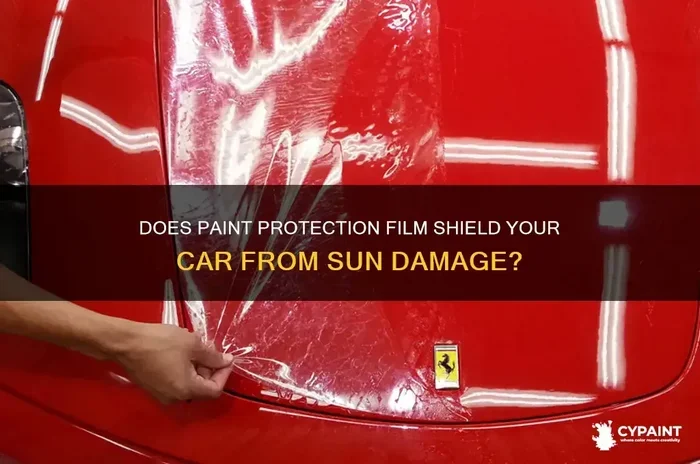
Paint protection film is the most robust defense available. PPF is a transparent, thermoplastic urethane film that is applied directly to your car’s paint. It absorbs impacts, resents chemicals, and blocks UV rays completely.
Originally developed for military helicopter blades, PPF has become a popular choice for car enthusiasts and luxury vehicle owners. It is most commonly applied to high-impact areas like the front bumper, hood, fenders, and side mirrors. You can also apply it to the entire vehicle for full coverage.
High-quality PPF can last 5 to 10 years. It is self-healing, which means minor scratches and swirl marks disappear when exposed to heat. If you want the ultimate in car paint protection, PPF is hard to beat.
Park Smart and Use Sunshades
Sometimes the simplest solutions are the most effective. Parking your car in a garage or shaded area dramatically reduces sun exposure. If you do not have access to covered parking, consider investing in a car sunshade.
A windshield sunshade reflects sunlight and keeps your car’s interior and exterior cooler. It is a small investment that pays off in paint protection and interior longevity. You can also use a full-body car cover if your car sits outside for extended periods. Look for covers made from breathable, UV-resistant materials.
Step-by-Step Paint Protection Routine
Now let’s put it all together. Here is a practical routine you can follow to keep your car’s paint in excellent condition. Consistency is the key to how to protect car paint from long-term damage.
Step 1: Rinse and Pre-Wash
Start by rinsing your car with water to remove loose dirt and debris. Then apply a pre-wash foam using a foam cannon or spray bottle. Let it dwell for 2 to 3 minutes. This softens contaminants like bug splatter, bird droppings, and tree sap before you touch the paint with a mitt.
Step 2: Wash the Car
Using the two-bucket method, wash your car section by section from top to bottom. Use a separate mitt for the lower panels, which tend to be the dirtiest. Rinse each section thoroughly before moving on. This minimizes the risk of swirl marks and scratches.
Step 3: Decontaminate the Paint
After washing, use a clay bar or clay mitt to remove embedded contaminants from the paint surface. Claying lifts away iron particles, industrial fallout, and other pollutants that regular washing cannot remove. You should clay your car every 3 to 4 months.
Step 4: Apply a Polish (If Needed)
If your paint already shows signs of fading or light oxidation, a light polish can restore clarity and depth. Use a dual-action polisher with a fine-cutting compound for best results. Work in small sections and wipe away residue with a clean microfiber towel.
Step 5: Apply Protection
This is the most important step. Apply your chosen protection method, whether it is wax, sealant, ceramic coating, or PPF. Follow the product instructions carefully. Allow adequate curing time if you are using a ceramic coating or PPF adhesive.
Step 6: Maintain Regularly
Protection is not a one-time effort. You need to maintain it regularly. Wash your car weekly or biweekly, reapply wax or sealant every few months, and inspect your paint for early signs of damage. Staying on top of maintenance is the easiest way to avoid costly paint correction later.
DIY Paint Protection vs Professional Services
One of the most common questions car owners ask is whether they should handle car paint protection themselves or pay a professional. Both approaches have their merits, and the right choice depends on your budget, skill level, and how much protection you need.
DIY paint protection is more affordable and gives you full control over the process. You can wash, wax, clay, and polish your car at home with basic tools and products. A basic DIY kit with a good wax or sealant can cost anywhere from 30 to 150 dollars. Ceramic coating kits are also available for those willing to put in a bit more effort, typically ranging from 50 to 300 dollars.
The downside of DIY is the learning curve. If you do not apply wax or ceramic coating correctly, you can end up with uneven coverage, streaks, or even paint damage. It takes practice to get professional-looking results. You also need to invest in quality tools like microfiber towels, applicator pads, and a good polisher if you plan to do paint correction.
Professional services offer convenience and expertise. A professional detailer has the experience, tools, and premium products to deliver superior results. Ceramic coating applications, PPF installation, and full paint correction are best left to trained professionals in most cases. The cost is higher, but the durability and quality of the work are often worth it.
For most car owners, a combination approach works best. Handle routine washing and waxing yourself, and leave advanced treatments like ceramic coatings and PPF to the professionals. This keeps your paint protected year-round without breaking the bank.
How to Restore Paint Already Damaged by Sun and Oxidation
Even with the best prevention, some damage is inevitable. If your car already shows signs of sun damage and oxidation, do not panic. There are effective ways to restore your paint and bring back its original appearance.
Light Oxidation
If your paint looks dull but the clear coat is still intact, a good polish can work wonders. A mild abrasive polish removes the oxidized layer and reveals fresh, vibrant paint underneath. You can do this by hand with a polishing compound and a microfiber applicator pad, or use a machine polisher for faster, more even results.
After polishing, always apply a fresh coat of wax or sealant to protect the newly exposed paint. Skipping this step leaves the surface vulnerable to further damage.
Moderate to Severe Oxidation
When oxidation has progressed to the point where the paint looks chalky or flaky, a single polish may not be enough. You may need a heavier-cut compound followed by a finishing polish. In some cases, the damage is too deep to restore fully, and a repaint may be the only option.
If the clear coat has peeled or flaked away, exposing bare metal, you need to act fast. Bare metal rusts quickly, and rust spreads fast. Sand the affected area, apply a rust converter, and touch up with matching paint. Finish with a clear coat and wax to protect the repair.
Professional Paint Correction
For severe damage, professional paint correction is the best route. A skilled detailer uses progressive polishing stages to remove defects layer by layer. This process can transform a faded, oxidized paint job into one that looks almost brand new. The cost varies depending on the extent of the damage, but the results are often dramatic.
Long-Term Habits That Keep Your Paint Looking New
Protecting your car’s paint is not just about products and treatments. Your daily habits play a huge role in how well your paint ages over time. Building smart habits is one of the most underrated forms of car paint protection.
Avoid parking under trees. Tree sap, bird droppings, and falling leaves all damage paint. Sap is especially harmful because it contains acids that eat through the clear coat. If you do park under a tree, wash your car as soon as possible to remove any contaminants.
Remove contaminants quickly. Bird droppings and bug splatter are acidic and corrosive. The longer they sit on your paint, the deeper they penetrate. Carry a quick-detailer spray and microfiber towel in your car for emergency cleanups.
Use a rain-repellent treatment. Products like Rain-X or ceramic coating boosters make water bead up and roll off your car. This keeps your paint drier and cleaner, which reduces the chance of water spots and oxidation.
Get regular professional detailings. Even if you wash your car at home, a professional detailing every 6 months can address issues you might miss. Detailers have specialized tools and products that go deeper than a home wash.
Keep your car covered. A high-quality car cover is one of the simplest and most effective ways to protect your paint. It shields against UV rays, bird droppings, tree sap, dust, and even light scratches. Invest in a cover that fits your vehicle well and is made from breathable material to prevent moisture buildup.
Be mindful of road conditions. Gravel roads, construction zones, and winter salt all take a toll on your car’s paint. When possible, avoid driving through areas with loose debris or freshly salted roads. If you must drive on rough surfaces, increase your washing frequency to remove abrasive particles quickly.
Monitor your paint regularly. Run your hand over your car’s surface after washing. Feel for rough spots or bumps that indicate embedded contaminants. Look closely at areas that get the most sun exposure, like the hood, roof, and trunk. Catching problems early makes them much easier to fix.
These habits take minimal effort but add up to significant protection over time. Think of them as part of your vehicle exterior care routine. Just like brushing your teeth every day keeps them healthy, small consistent actions keep your car’s paint in great shape for years.
Conclusion
How to protect car paint from sun damage and oxidation is not complicated, but it does require consistent effort and the right approach. Start with the basics: wash regularly, wax or sealant, and park in the shade when possible. From there, you can level up with ceramic coatings, paint protection film, and professional detailings for stronger defense.
The key is to act before the damage becomes severe. Prevention is always easier and cheaper than restoration. By following the steps and habits outlined in this guide, you can keep your car’s paint looking vibrant and well-protected for years to come.
Your car is a significant investment. Taking care of its paint is one of the best ways to preserve its value and appearance. Start today, stay consistent, and enjoy the confidence that comes with knowing your car is properly protected against the elements.
Frequently Asked Questions
What causes car paint oxidation?
Car paint oxidation is caused by prolonged exposure to UV rays, oxygen, and moisture. Over time, the clear coat breaks down and the paint loses its protective layer, leading to a dull, chalky appearance. Environmental factors like bird droppings, tree sap, and acid rain accelerate the process significantly.
How often should I wax my car for sun protection?
For optimal sun protection, you should wax your car every 4 to 6 weeks if it sits outside frequently. If your car is garaged or covered, waxing every 2 to 3 months is usually sufficient. Synthetic paint sealants and ceramic coatings can last longer and require less frequent application than traditional wax.
Can ceramic coating completely prevent sun damage?
A ceramic coating provides excellent UV protection and significantly reduces sun damage, but it is not a permanent solution. Most coatings last 2 to 5 years and should be maintained with gentle washes and occasional boosters. No protection method is 100% immune to years of sun exposure, but ceramic coating comes very close.
Is paint protection film worth the cost?
Paint protection film is absolutely worth it if you want the highest level of defense for your car’s paint. PPF blocks UV rays, resists impacts, and is self-healing for minor scratches. It is especially valuable for cars that sit outside regularly or are driven on rough roads. The long lifespan of 5 to 10 years makes it a solid investment.
Can I fix sun-damaged paint at home?
Yes, light to moderate sun damage can often be fixed at home with a good polish and wax. A dual-action polisher and a quality polishing compound can remove the oxidized layer and restore shine. For severe damage with clear coat peeling or deep fading, professional paint correction or a repaint may be necessary.
Does car color affect how quickly paint fades in the sun?
Yes, darker colors like black, dark blue, and red tend to show sun damage more quickly than lighter colors. They also absorb more heat, which accelerates oxidation. However, all car colors are susceptible to UV damage over time. Using proper protection methods helps regardless of your car’s color.