Are Toyota 86 Reliable Here Is What You Need To Know
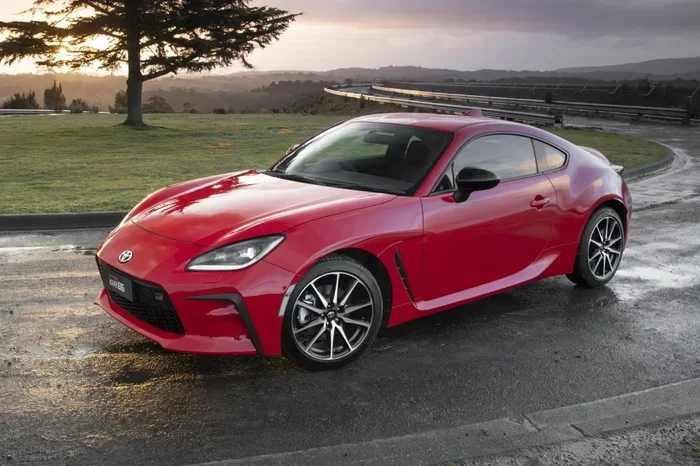
The Toyota 86 is widely considered a reliable sports car thanks to its proven boxer engine, simple design, and strong build quality. Most owners report few major issues, and regular maintenance keeps these cars running smoothly for well over 100,000 miles. If you are looking for an affordable, fun-to-drive sports car with a solid reliability track record, the Toyota 86 deserves serious consideration.
The Toyota 86 has been turning heads since it first hit the market. This compact sports car offers a thrilling driving experience without the sky-high price tag that comes with many performance vehicles. But one question keeps popping up in forums and owner groups: are Toyota 86 reliable?
The short answer is yes. The Toyota 86 has built a strong reputation for dependability over the years. Owners appreciate its simple engineering, sturdy construction, and the peace of mind that comes with the Toyota brand. Whether you are a daily driver or a weekend toy, this car has a lot to offer in terms of both fun and long-term ownership.
In this article, we will dive deep into the Toyota 86 reliability record. We will cover common problems, maintenance needs, cost of ownership, and what real owners are saying. By the end, you will have a clear picture of whether this sports car is the right choice for you.
Key Takeaways
- Strong Reliability Record: The Toyota 86 consistently earns high marks for dependability, with most owners experiencing few major mechanical problems.
- Simple Design Equals Fewer Issues: The naturally aspirated boxer engine and straightforward components make repairs affordable and routine.
- Common Problems Are Minor: The most reported issues include rear main seal leaks, brake wear, and occasional suspension noises — all manageable.
- Low Cost of Ownership: Maintenance costs are reasonable, and parts are widely available due to shared components with the Subaru BRZ.
- Long Lifespan Potential: With proper care, a Toyota 86 can easily surpass 200,000 miles without major engine or transmission work.
- Great Resale Value: The Toyota 86 holds its value well compared to other sports cars in the same class.
- Regular Maintenance Is Key: Staying on top of oil changes, brake inspections, and fluid changes is the best way to ensure long-term reliability.
📑 Table of Contents
- Understanding Toyota 86 Reliability
- Common Toyota 86 Problems
- Toyota 86 Maintenance Schedule
- Toyota 86 Cost of Ownership
- Toyota 86 vs Competitors: Reliability Comparison
- Real Owner Experiences and Reviews
- Tips for Maximizing Toyota 86 Reliability
- Expert Insights on Toyota 86 Long-Term Ownership
- The Verdict: Is the Toyota 86 Reliable?
Understanding Toyota 86 Reliability
When people ask about Toyota 86 reliability, they want to know if this car will last. The good news is that the Toyota 86 was designed with simplicity in mind. Fewer complex parts mean fewer things that can go wrong. This is a major advantage over more complicated modern sports cars packed with electronic gadgets.
The Toyota 86 reliability rating from major consumer reports has been consistently solid. J.D. Power and Consumer Reports both give the Toyota 86 above-average scores for dependability. The car shares its platform with the Subaru BRZ, and both models benefit from a well-engineered chassis that has proven itself over multiple generations.
The Boxer Engine: A Reliability Strong Point
The Toyota 86 uses a 2.0-liter flat-four boxer engine that is known for its durability. This engine design lowers the center of gravity, which improves handling. It also means fewer moving parts compared to a traditional V6 or V8 engine. The boxer engine in the Toyota 86 has been refined over many years and shares lineage with engines found in other Toyota models.
One reason the Toyota 86 engine reliability is so strong is the lack of turbocharging. Forced induction engines add complexity and more potential failure points. The naturally aspirated setup in the Toyota 86 keeps things simple and proven. Many owners report crossing the 200,000-mile mark with only routine maintenance.
Transmission Options and Their Reliability
The Toyota 86 comes with either a 6-speed manual transmission or a 6-speed automatic. Both options have good track records. The manual transmission is a traditional unit that is simple to maintain and repair. The automatic, known as the Aisin-Warner unit, is also well-regarded and rarely causes problems.
Transmission issues in the Toyota 86 are rare. When they do occur, they are usually related to lack of maintenance rather than design flaws. Regular fluid changes go a long way in keeping either transmission option running smoothly for the life of the car.
Common Toyota 86 Problems
No car is perfect, and the Toyota 86 is no exception. While Toyota 86 problems tend to be minor and infrequent, it helps to know what to watch for. Being aware of potential issues lets you catch them early before they become expensive repairs.
Rear Main Seal Leaks
The most commonly reported issue among Toyota 86 owners is a rear main seal leak. This seal sits at the back of the engine where the transmission meets the engine block. Over time, it can wear out and allow oil to seep out.
This problem is not unique to the Toyota 86. Many cars with rear-mounted engines experience similar issues. The fix involves replacing the seal, which can be labor-intensive because of the engine’s placement. However, it is not an emergency if caught early. Regular oil level checks help you spot this problem before it causes damage.
Brake Wear and Pad Replacement
The Toyota 86 is a sports car, and sports cars get driven hard. Brake pads and rotors wear faster in this vehicle compared to a daily commuter sedan. Most owners find they need to replace Toyota 86 brake pads every 30,000 to 40,000 miles, depending on driving style.
Upgrading to high-performance brake pads is a popular modification. It improves stopping power and reduces dust on the wheels. The good news is that brake replacements are straightforward and affordable, especially if you do the work yourself.
Suspension Noises Over Time
The Toyota 86 features a double-wishbone suspension setup that provides excellent handling. However, some owners report suspension noises after 50,000 to 80,000 miles. These sounds often come from worn bushings or strut mounts.
Replacing suspension components on the Toyota 86 is relatively inexpensive. The parts are widely available, and the labor is not overly complex. Staying on top of suspension inspections during routine service visits helps prevent small issues from becoming big ones.
Oil Consumption Concerns
A small number of Toyota 86 owners have noticed higher oil consumption than expected. This is not a widespread problem, but it does happen on some units. The issue is usually minor and can be managed by checking the oil level regularly and topping it off as needed.
If you notice your oil level dropping quickly, have a mechanic inspect the engine. In most cases, the cause is simple and inexpensive to fix. Catching it early prevents any risk of engine damage.
Toyota 86 Maintenance Schedule
Keeping up with the Toyota 86 maintenance schedule is the single best thing you can do for long-term reliability. Toyota designed this car to be low-maintenance, but skipping services will lead to problems down the road.
Oil Changes
Toyota recommends changing the oil every 5,000 to 7,500 miles for normal driving conditions. If you drive in severe conditions — such as stop-and-go traffic, extreme heat, or track days — you should shorten the interval to every 3,000 to 5,000 miles.
Use high-quality synthetic oil that meets Toyota’s specifications. The Toyota 86 oil change is a simple procedure that many owners learn to do themselves. It saves money and gives you a better understanding of your car’s health.
Other Routine Maintenance
Beyond oil changes, the Toyota 86 needs standard maintenance like any other vehicle. Here is a quick list of key services:
- Tire rotations every 5,000 to 7,500 miles
- Brake fluid flush every two years
- Coolant flush every 30,000 miles or every two years
- Spark plug replacement every 30,000 to 60,000 miles
- Air filter replacement every 15,000 to 30,000 miles
- Transmission fluid change every 30,000 to 60,000 miles
Following this maintenance schedule keeps the Toyota 86 running at its best. The costs are reasonable, and most independent shops can handle all of these services without issue.
Toyota 86 Cost of Ownership
One of the biggest advantages of the Toyota 86 is its low cost of ownership. Compared to other sports cars in the same class, the Toyota 86 is affordable to buy, maintain, and insure.
Purchase Price and Depreciation
New Toyota 86 models start at a competitive price point for a sports car. Used models offer even better value, especially well-maintained examples with lower mileage. The Toyota 86 resale value is strong, meaning you lose less money when it is time to sell or trade in.
The car holds its value well because of its reputation for reliability and its fun driving dynamics. Sports cars that depreciate quickly are a headache for owners. The Toyota 86 avoids this problem for the most part.
Insurance and Fuel Costs
Insurance rates for the Toyota 86 are reasonable. It is not a high-performance supercar, so premiums stay within a manageable range. The 2.0-liter engine is also fuel-efficient for a sports car, averaging around 25 to 30 miles per gallon in mixed driving.
Fuel costs are another area where the Toyota 86 shines. You do not need premium gasoline to run this car. Regular unleaded fuel works perfectly fine, which saves money at the pump over time.
Repair Costs
When repairs are needed, the Toyota 86 is relatively affordable to fix. The simple engine design means fewer expensive components. Parts are widely available and reasonably priced. Many repairs that would cost thousands on a European sports car can be done for a fraction of the price on the Toyota 86.
The Toyota 86 cost of ownership over five years is typically lower than the class average. This makes it an attractive option for buyers who want a fun car without breaking the bank.
Toyota 86 vs Competitors: Reliability Comparison
When shopping for a reliable sports car, it helps to compare the Toyota 86 with its main competitors. Let us look at how it stacks up against similar models.
| Model | Engine | Reliability Rating | Avg. Annual Maintenance Cost | Resale Value |
|---|---|---|---|---|
| Toyota 86 | 2.0L Boxer NA | Excellent | $400-$600 | High |
| Subaru BRZ | 2.0L Boxer NA | Very Good | $450-$650 | High |
| Mazda MX-5 Miata | 2.0L Inline-4 NA | Excellent | $350-$500 | Very High |
| Ford Mustang EcoBoost | 2.3L Turbo I-4 | Good | $600-$900 | Moderate |
| BMW Z4 sDrive30i | 2.0L Turbo I-4 | Good | $800-$1,200 | Moderate |
As you can see, the Toyota 86 holds its own against the competition. The Toyota 86 vs Subaru BRZ comparison is particularly close since they share the same platform and engine. The BRZ has slightly higher maintenance costs, likely due to Subaru parts being a bit more expensive. The Mazda MX-5 Miata is also a strong contender with excellent reliability and lower maintenance costs.
European sports cars like the BMW Z4 are fun to drive but come with higher repair costs and more complex systems. For buyers prioritizing Toyota 86 reliability and affordability, the Toyota 86 is hard to beat.
Real Owner Experiences and Reviews
What do actual Toyota 86 owners say about reliability? The feedback is overwhelmingly positive. Let us look at some common themes from real-world ownership experiences.
Long-Term Owner Stories
Many Toyota 86 owners report driving their cars for 100,000 miles or more without major issues. One common thread in these stories is that the owners stayed on top of regular maintenance. Oil changes, fluid flushes, and timely brake replacements kept the cars in excellent shape.
Owners of first-generation Toyota 86 models (2012-2020) and second-generation models (2021-present) both report positive experiences. The newer models benefit from updated engineering and improved components, but the older generation has proven itself just as dependable over time.
Track Day Experiences
The Toyota 86 is a popular choice for amateur track days. Owners who push the car hard on weekends appreciate its durability. The boxer engine handles sustained high RPMs well, and the transmission holds up under repeated use.
Track enthusiasts do recommend upgrading certain components for durability. Upgraded brake pads, a strut tower bar, and a short-throw shifter are popular additions. These upgrades enhance the driving experience without compromising the car’s reliability foundation.
Common Owner Complaints
While most feedback is positive, some owners do have complaints. The most common ones include:
- Limited rear seat space — the Toyota 86 is a true two-seater
- Modest horsepower compared to other sports cars
- Rear main seal leaks in higher-mileage examples
- Brake fade during aggressive track use
- Infotainment system feels basic compared to newer cars
These complaints are minor in the grand scheme of things. They do not detract from the overall reliability and enjoyment that the Toyota 86 provides. Most owners agree that the car’s strengths far outweigh its weaknesses.
Tips for Maximizing Toyota 86 Reliability
Want your Toyota 86 to last for years and thousands of miles? Follow these practical tips from experienced owners and mechanics.
1. Stick to the Maintenance Schedule
This cannot be overstated. The Toyota 86 maintenance schedule exists for a reason. Following it to the letter is the best investment you can make in your car’s longevity. Set reminders for oil changes and fluid services so nothing slips through the cracks.
2. Monitor Fluid Levels Regularly
Get in the habit of checking your oil, coolant, and brake fluid levels once a month. The Toyota 86 uses common fluids that are easy to top off. Catching a slow leak early can save you from costly repairs later.
3. Drive with Care
The Toyota 86 is a fun car, and it is tempting to push it hard. But gentle driving when the engine is cold helps prolong its life. Let the oil warm up before revving high, and avoid sudden full-throttle launches until the engine is at operating temperature.
4. Use Quality Parts and Fluids
Do not skimp on oil, filters, or brake fluid. Using quality synthetic oil and OEM or equivalent parts ensures that everything works as designed. Cheap aftermarket parts can sometimes cause more problems than they solve.
5. Find a Trusted Mechanic
Build a relationship with a mechanic who knows the Toyota 86 well. Independent shops that specialize in Japanese sports cars are often the best choice. They understand the car’s quirks and can spot potential issues before they become serious.
6. Address Small Issues Immediately
Do not ignore warning lights, unusual noises, or fluid leaks. Small problems left unchecked can turn into big expenses. The Toyota 86 is simple enough that most issues are easy and cheap to fix when caught early.
Expert Insights on Toyota 86 Long-Term Ownership
Automotive experts and mechanics who have worked on the Toyota 86 share valuable insights about long-term ownership.
Many mechanics agree that the Toyota 86 is one of the most low-maintenance sports cars on the market today. Its simple design philosophy means there are fewer things to go wrong. The boxer engine layout is also easier to work on than a traditional front-mounted engine in many cases.
Experts also highlight the importance of the car’s Toyota 86 reliability rating in the used car market. Buyers looking for a used sports car with a proven track record should strongly consider the Toyota 86. It offers the driving fun of a true sports car with the dependability of a mainstream Toyota vehicle.
One mechanic who has worked on hundreds of Toyota 86 models put it simply: “This car was built to be driven and maintained. As long as the owner takes care of the basics, it will run for a very long time.” That kind of endorsement carries real weight.
The Verdict: Is the Toyota 86 Reliable?
So, are Toyota 86 reliable? The evidence overwhelmingly points to yes. The Toyota 86 has proven itself as a dependable sports car that delivers fun, affordability, and long-term ownership satisfaction. Its simple engineering, strong boxer engine, and low cost of ownership make it one of the best choices in the sports car segment for buyers who value reliability.
No car is completely problem-free, and the Toyota 86 is no exception. The rear main seal leak and occasional brake wear are the most common issues, and both are manageable with proper maintenance. The vast majority of owners report positive experiences and would buy the car again.
If you are in the market for a sports car and reliability is a top priority, the Toyota 86 should be at the top of your list. It offers the perfect balance of driving excitement, everyday usability, and long-term dependability. The Toyota 86 is not just a reliable sports car — it is one of the most reliable sports cars you can buy today.
Do your research, take a test drive, and talk to current owners. You will quickly see why the Toyota 86 has earned its reputation as a trustworthy and enjoyable companion on the road. Whether you are a first-time sports car buyer or a seasoned enthusiast, the Toyota 86 delivers where it counts.
Frequently Asked Questions
How many miles can a Toyota 86 last?
With proper maintenance, a Toyota 86 can easily last 200,000 miles or more. Many owners report crossing the 150,000-mile mark without any major mechanical issues. The simple boxer engine design contributes significantly to this long lifespan.
What are the most common Toyota 86 problems?
The most reported issues include rear main seal leaks, brake pad wear, and occasional suspension noises. These problems are generally minor and affordable to fix. Regular maintenance helps prevent most of these issues from developing.
Is the Toyota 86 expensive to maintain?
No, the Toyota 86 has a low cost of ownership compared to most sports cars. Annual maintenance costs typically range from $400 to $600. Parts are widely available and affordable, and the simple engine design keeps repair costs down.
How often should I change the oil in my Toyota 86?
Toyota recommends oil changes every 5,000 to 7,500 miles for normal driving. If you drive in severe conditions or track the car, shorten the interval to every 3,000 to 5,000 miles. Using synthetic oil provides the best protection for the boxer engine.
Is the Toyota 86 a good daily driver?
Yes, the Toyota 86 works well as a daily driver for many people. It is comfortable, fuel-efficient for a sports car, and reliable enough for everyday use. The low cost of ownership and strong resale value make it a practical choice for daily driving.
How does the Toyota 86 reliability compare to the Subaru BRZ?
The Toyota 86 and Subaru BRZ share the same platform and engine, so their reliability is very similar. The Toyota 86 has a slight edge in long-term reliability ratings and resale value. Both cars are excellent choices for buyers seeking a dependable sports car.
=== CONCLUSION ===
The Toyota 86 stands out as a remarkably reliable sports car in a segment often plagued by complexity and high ownership costs. From its proven boxer engine to its straightforward maintenance needs, this car was built to be both fun and dependable. The Toyota 86 reliability record speaks for itself, with thousands of owners reporting years of trouble-free ownership.
Common issues like rear main seal leaks and brake wear are manageable and well-documented, meaning you will never be caught off guard. The low Toyota 86 cost of ownership makes it accessible to a wide range of buyers, from first-time sports car enthusiasts to seasoned drivers looking for a weekend toy.
If you have been wondering whether the Toyota 86 is worth your time and money, the answer is a resounding yes. It offers driving excitement, everyday practicality, and the kind of long-term reliability that builds lasting trust. Take the time to research, test drive, and connect with the Toyota 86 community. You will find a car that delivers on every promise and gives you reasons to smile every time you turn the key.