Can I Drive My Car After It Overheats Here Is What To Know
Can I drive my car after it overheats? The short answer is: it depends on the situation. Driving an overheated car can cause serious engine damage if you ignore the warning signs. You should always let your engine cool down before attempting to drive again. This guide covers everything you need to know about overheating, safe driving after the issue, and how to prevent it from happening again.
There are few moments more stressful than seeing steam curl up from under your hood. Your heart races. Your hands grip the steering wheel tighter. And the first question that pops into your head is almost always the same: can I drive my car after it overheats?
The truth is, the answer is not a simple yes or no. It depends on what caused the overheating, how long it lasted, and whether any damage has already occurred. Some situations are safe to handle on your own. Others require a trip to the mechanic.
This article breaks everything down in plain language. You will learn what happens when your engine gets too hot, what to do right after it overheats, and how to avoid this scary situation in the future. Let us get into it.
Key Takeaways
- Do not drive immediately: Let your engine cool for at least 15 to 30 minutes before checking anything.
- Check coolant levels: Low coolant is the most common cause of overheating and a quick fix in many cases.
- Watch for warning signs: Steam, a rising temperature gauge, and strange smells all signal trouble.
- Potential damage is real: Repeated overheating can warp the engine head, blow a gasket, or crack the block.
- Prevention is easy: Regular maintenance keeps your cooling system working and your car running safely.
- Know when to call a pro: If the problem keeps coming back, a mechanic can diagnose hidden issues.
📑 Table of Contents
- What Happens When Your Car Overheats
- Can I Drive My Car After It Overheats
- Signs Your Car Is Overheating
- Immediate Steps to Take When Your Car Overheats
- Potential Engine Damage from Overheating
- How to Prevent Your Car From Overheating
- How Much Does It Cost to Fix an Overheated Engine
- Expert Insight: What Mechanics Wish You Knew
- Key Takeaways
- Conclusion
What Happens When Your Car Overheats
Before we answer whether you can keep driving, it helps to understand what overheating actually means for your vehicle. Your car engine runs at very high temperatures. The cooling system keeps things in check. When that system fails, the temperature climbs past safe levels.
How the Cooling System Works
Your car has a cooling system that does exactly what it sounds like. It uses a mix of water and coolant to pull heat away from the engine. The water pump pushes this liquid through channels inside the engine block. It then flows through the radiator, where air cools it down before it cycles back.
A thermostat controls when the coolant flows. A cooling fan helps when the car is moving slowly or sitting still. When any part of this system breaks down, heat builds up fast.
What Too Much Heat Does to an Engine
When the engine temperature rises beyond normal limits, bad things start happening fast. The metal parts expand. The head gasket can blow. In worst cases, the engine block itself can crack. These repairs are expensive and sometimes make the car undrivable.
Even a few minutes of severe overheating can cause lasting harm. That is why it is so important to take this seriously every single time.
Can I Drive My Car After It Overheats
This is the big question, and the answer needs a closer look. You cannot just turn the key and keep going like nothing happened. But you also do not always need to call a tow truck.
The Short Answer
In most cases, you should not drive your car while it is still overheating. If the temperature gauge is in the red zone, pulling over and shutting off the engine is the safest move. Once the engine cools down, you can check for obvious problems and decide what to do next.
Sometimes the fix is simple. You might just need to add coolant. Other times, the problem runs deeper. Knowing the difference saves you money and keeps you safe on the road.
When It Is Safe to Drive Again
Wait at least 15 to 30 minutes after the engine overheats. Use this time to let things cool down. Then open the hood carefully and check a few things:
- Coolant level: Is the reservoir empty or low? A simple top-off might solve the problem.
- Leaks: Look under the car for any puddles or drips. Coolant leaks are a common culprit.
- Hoses: Check for cracked or loose hoses that connect to the radiator and engine.
- Temperature gauge: After restarting, watch the gauge closely. If it stays normal, you might be okay to drive a short distance.
If everything looks fine and the temperature stays normal, you can drive carefully to a nearby shop or home. Keep the windows down and the heater on full blast. This helps pull extra heat from the engine. If the gauge starts climbing again, pull over immediately.
When You Should Not Drive at All
There are clear signs that mean you should not get behind the wheel at all. If you notice any of the following, call for a tow:
- Steam or smoke pouring from the hood
- Strange noises like knocking or grinding
- A sweet smell from the engine area (this is coolant leaking)
- The temperature gauge stays in the red even after cooling down
- The check engine light is on along with the overheating warning
Driving with these symptoms can turn a small repair into a massive one. A blown head gasket repair can cost over a thousand dollars. A cracked engine block can mean a full engine replacement. The cost of a tow truck is nothing compared to replacing an engine.
Signs Your Car Is Overheating
Catching the signs early can save you from a major breakdown. Most cars give you plenty of warnings before things get critical. The key is knowing what to look for.
Temperature Gauge Reading High
The most obvious sign is the temperature gauge on your dashboard. When it moves into the red zone or past the normal range, your engine is running too hot. Do not ignore this. Many people do, and they end up with serious engine problems.
Steam or Smoke From the Hood
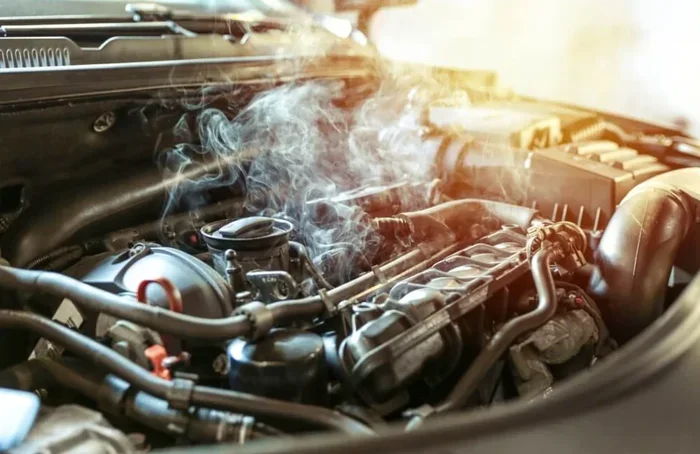
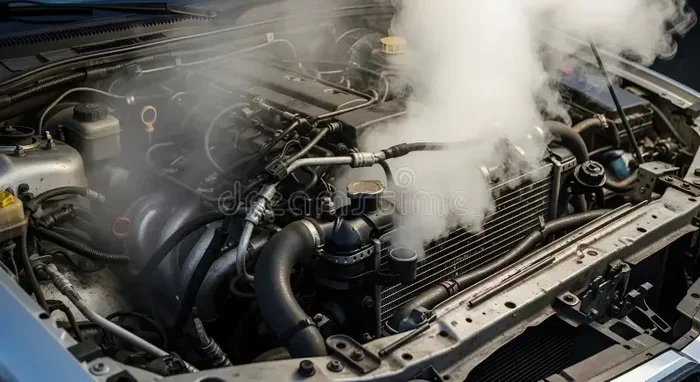
If you see steam coming out from under the hood, pull over right away. This usually means coolant has leaked onto hot engine parts. The steam can be white or slightly blue. Do not open the hood immediately. Wait for it to cool to avoid burns.
Unusual Smells
Your nose can tell you a lot about what is going on under the hood. A sweet, syrupy smell often means coolant is leaking. A burning or oil-like smell could mean oil is overheating. Both are bad news and need immediate attention.
Coolant Leaks on the Ground
If you see a puddle under your car after parking, check the color. Coolant is usually bright green, orange, or pink. A leak means the system is losing the fluid it needs to keep the engine cool.
Engine Making Strange Noises
An overheating engine can knock, ping, or make a rattling sound. These noises happen because the metal parts are expanding and not fitting together the way they should. Any new or unusual sound deserves a closer look.
Immediate Steps to Take When Your Car Overheats
What do you do in the moment when the temperature gauge spikes? Follow these steps to stay safe and minimize damage.
Step 1: Pull Over Safely
Find a safe spot to stop. Turn on your hazard lights. Do not slam on the brakes. Just coast to the side of the road or a parking lot. Your priority is safety for you and other drivers.
Step 2: Turn Off the Engine
Once you are stopped, turn the engine off. Do not keep it running. Every minute it runs while overheating adds more stress to the engine components.
Step 3: Wait for It to Cool
Resist the urge to open the hood right away. The steam and hot coolant can cause severe burns. Wait at least 15 minutes. Use this time to call for help if needed.
Step 4: Check the Coolant
After the engine cools, carefully open the hood. Look at the coolant reservoir. If it is low, you can add a mix of water and coolant if you have it on hand. Do not open the radiator cap while the engine is hot. The pressure inside can cause hot liquid to spray out and injure you.
Step 5: Assess the Situation
Once you have checked the basics, decide whether it is safe to drive. If the coolant was low and you have topped it off, monitor the temperature closely during the next few minutes of driving. If it stays normal, you can proceed with caution to the nearest repair shop.
Quick Tips for Overheating Emergencies
- Keep a bottle of coolant and a gallon of water in your trunk during hot months.
- Know where your hood release is before you need it in an emergency.
- Keep gloves and a small towel in the car for handling hot parts safely.
- If you are on a highway, move to the far right lane and exit as soon as possible.
Potential Engine Damage from Overheating
Ignoring an overheating engine is not just risky. It can lead to expensive repairs that could have been avoided. Here is a look at the most common types of engine damage caused by overheating.
Blown Head Gasket
The head gasket sits between the engine block and the cylinder head. It keeps coolant and oil from mixing. When the engine overheats, this gasket can fail. A blown head gasket lets coolant leak into the cylinders and oil passages. Symptoms include white smoke from the exhaust, a milky oil appearance, and a steady loss of coolant with no visible leak.
Repairing a head gasket is not cheap. The cost typically ranges from 1,000 to 2,000 dollars depending on the vehicle. But it is still far cheaper than replacing an entire engine.
Warped or Cracked Cylinder Head
The cylinder head sits on top of the engine block. When it gets too hot, it can warp or even crack. A warped head causes poor compression, which leads to rough idling, loss of power, and more overheating. A cracked head can allow coolant into the combustion chamber, which is even more serious.
Cracked Engine Block
This is the worst-case scenario. The engine block itself can crack from extreme heat. A cracked block means coolant leaks into the oil passages and combustion chambers. The car will not run properly, and the repair or replacement cost can easily reach several thousand dollars.
Damaged Pistons and Rings
Excessive heat causes pistons to expand beyond their normal clearance. This can lead to scuffing or seizure of the pistons inside the cylinders. Once pistons are damaged, the engine loses compression and power. In severe cases, the engine seizes completely and will not turn over at all.
Warped or Damaged Drive Belts
High heat can cause the serpentine belt and other drive belts to crack or snap. If the belt that drives the water pump breaks, the entire cooling system stops working. This creates a dangerous cycle where the engine overheats even faster.
How to Prevent Your Car From Overheating
The good news is that most overheating problems are preventable. Regular car maintenance goes a long way toward keeping your engine at a safe temperature.
Check Coolant Levels Regularly
Make it a habit to check your coolant level once a month. You can do this with the engine cold. Look at the reservoir and make sure the level is between the minimum and maximum marks. If it is low, top it off with the correct type of coolant for your vehicle.
Inspect Hoses and Connections
Over time, rubber hoses can crack, swell, or develop leaks. Look under the hood and visually inspect all the hoses connected to the radiator, water pump, and heater core. Replace any that look worn or feel brittle.
Replace Coolant on Schedule
Coolant does not last forever. Most manufacturers recommend replacing it every 30,000 to 50,000 miles. Check your owner manual for the specific interval. Old coolant loses its ability to transfer heat effectively, which raises the risk of overheating.
Keep the Radiator Clean
Debris like leaves, bugs, and dirt can block airflow through the radiator. This reduces the cooling system’s efficiency. Hose down the radiator fins gently from the front of the car. Avoid using high pressure, which can bend the delicate fins.
Listen for the Cooling Fan
When you are sitting in traffic or idling, the cooling fan should kick on to help lower the engine temperature. If you notice the fan is not coming on, have it checked. A failed cooling fan motor is a common cause of overheating in stop-and-go traffic.
Do Not Ignore Small Leaks
A small drip today can become a big problem tomorrow. If you notice any fluid under your car, get it checked right away. Catching a small leak early can save you from a major cooling system failure on the highway.
Drive Smart in Hot Weather
Summer heat puts extra stress on your cooling system. On hot days, keep an eye on the temperature gauge. If you are stuck in traffic, turn the heater on to help draw heat away from the engine. Avoid heavy acceleration, which generates more heat.
How Much Does It Cost to Fix an Overheated Engine
The repair cost depends entirely on what was damaged. Here is a rough breakdown of common overheating repairs:
- Topping off coolant: 10 to 30 dollars
- Replacing a hose: 50 to 150 dollars
- Thermostat replacement: 150 to 300 dollars
- Water pump replacement: 300 to 750 dollars
- Head gasket repair: 1,000 to 2,000 dollars
- Cylinder head resurfacing or replacement: 500 to 1,500 dollars
- Engine replacement: 3,000 to 7,000 dollars or more
The takeaway here is clear. A small repair bill now can prevent a massive expense later. Do not skip maintenance or ignore warning signs.
Expert Insight: What Mechanics Wish You Knew
Experienced mechanics see the results of ignored overheating every day. They have a few pieces of advice that every car owner should hear.
First, trust your gauges. If the temperature gauge says something is wrong, something is wrong. Do not try to “make it to the next exit.” That mindset has sent many cars straight to the junkyard.
Second, do not mix coolants. Different types of coolant can react with each other and cause sludge buildup. This clogs the cooling system and reduces its effectiveness. Stick with the type recommended by your car manufacturer.
Third, address overheating immediately. Even if the car seems fine after it cools down, repeated overheating events cause cumulative damage. Each time the engine runs hot, it stresses internal components a little more. Over time, this adds up to major failure.
Finally, keep your records. A log of coolant flushes, hose replacements, and repairs helps you spot patterns. If you notice the same problem coming back, it is a sign that a deeper issue needs attention.
Key Takeaways
- Do not drive immediately after overheating: Always wait 15 to 30 minutes for the engine to cool down before checking anything.
- Check the basics first: Coolant level, leaks, hoses, and the temperature gauge tell you a lot about whether it is safe to drive.
- Know the danger signs: Steam, strange noises, and a sweet smell all mean you should call a tow truck instead of driving.
- Overheating causes real damage: Blown head gaskets, cracked heads, and warped engine blocks are all possible consequences of driving while hot.
- Prevention is simple and affordable: Regular coolant checks, hose inspections, and scheduled maintenance keep your cooling system in great shape.
- Cost of prevention is tiny compared to repair: A few dollars in coolant beats thousands in engine replacement every time.
Conclusion
So, can I drive my car after it overheats? The answer is: sometimes yes, but only after you have let the engine cool, checked for obvious problems, and confirmed the temperature stays normal. The safest approach is always to err on the side of caution. If something feels off, get professional help.
Your car’s cooling system is one of the most important systems in the entire vehicle. Taking care of it through regular maintenance saves you from breakdowns, expensive repairs, and dangerous situations on the road. The next time you see that temperature gauge climb, you will know exactly what to do.
Stay proactive. Stay safe. And keep your engine running cool.
Frequently Asked Questions
How long should I wait after my car overheats before driving again?
Wait at least 15 to 30 minutes after shutting off the engine. This gives the coolant and engine components time to cool down to a safe temperature. Opening the hood too soon can cause burns from hot steam or coolant.
What happens if I keep driving with an overheating engine?
Continuing to drive while the engine is overheating can cause the head gasket to blow, the cylinder head to warp, or the engine block to crack. These are serious and expensive repairs that could have been avoided by pulling over and addressing the issue early.
Can low coolant cause my car to overheat?
Yes, low coolant is the most common reason cars overheat. Without enough coolant flowing through the system, the engine cannot release heat properly. Check for leaks if you find yourself frequently low on coolant.
Is it safe to add water to the radiator when the engine is hot?
No, it is not safe. Adding cold water to a hot radiator can cause the engine block to crack due to thermal shock. Always wait for the engine to cool before adding any fluid, and use a 50/50 mix of water and coolant for best results.
How much does it cost to repair an overheated engine?
The cost varies widely depending on the damage. Simple fixes like topping off coolant cost under 50 dollars. A head gasket repair typically runs 1,000 to 2,000 dollars. A full engine replacement can cost 3,000 dollars or more. Regular maintenance is the best way to avoid these costs.
Can overheating damage the transmission?
Yes, overheating can indirectly affect the transmission. Excessive heat can degrade the transmission fluid, leading to poor shifting and increased wear. Keeping your engine at the right temperature helps protect the entire drivetrain.