Are Supras Reliable Sports Cars Worth the Investment
Are Supras reliable? The short answer is yes — the Toyota Supra has earned a strong reputation for durability and performance over decades. Whether you are eyeing a classic A80 or a modern A90, this guide breaks down real-world reliability data, maintenance costs, and long-term ownership value. We help you decide if a Supra is the right sports car investment for you.
The Toyota Supra has been turning heads since the 1970s. This iconic Toyota Supra sports car has built a legendary reputation among enthusiasts and casual drivers alike. But one question keeps coming up in forums and car shows: are Supras reliable?
If you are thinking about buying one, you want real answers. Not marketing fluff. Not cherry-picked data. You want the honest truth about Toyota Supra reliability, ownership costs, and whether this car is worth your hard-earned money. That is exactly what this guide delivers.
We will walk through every generation of the Supra, highlight real-world ownership experiences, and give you practical advice you can use today. By the end, you will know exactly what to expect from a Supra and whether it fits your lifestyle and budget.
Key Takeaways
- Toyota Supra reliability is well-documented: These sports cars consistently score above average in long-term durability tests.
- Maintenance costs are manageable: Routine upkeep is comparable to other Toyota sports cars, though turbo-related work can add expense.
- The A90 generation is more reliable than ever: Modern engineering and improved parts quality make the newest Supra a dependable daily driver.
- Common Supra problems are fixable: Issues like turbo wear and electrical gremlins are well-known and easy to address with proper care.
- Resale value holds strong: Supras depreciate slower than many competitors, making them a smart long-term investment.
- Buying smart matters: A well-maintained Supra, whether new or used, can deliver years of thrilling driving without major headaches.
📑 Table of Contents
- What Makes the Toyota Supra So Special?
- Are Supras Reliable? The Truth About Toyota Supra Reliability
- Supra Maintenance Costs and Ownership Expenses
- Supra A80 vs A90: Which Generation Is More Reliable?
- Is a Supra Worth the Investment?
- Expert Tips for Buying a Reliable Supra
- The Bottom Line: Are Supras Reliable Sports Cars Worth Your Money?
What Makes the Toyota Supra So Special?
A Brief History of the Supra
The Supra story starts in 1978 when Toyota introduced it as a upscale version of the Celica. Over the decades, it evolved into a standalone icon. The car gained fame through movies, video games, and street racing culture. Each generation brought better performance, improved technology, and refined styling.
The fourth-generation Supra, known as the A80, launched in 1993 and became the most famous model. It featured a turbocharged inline-six engine that delivered thrilling power and iconic styling. The A80 Supra is still worshipped by car lovers today. The fifth-generation A90 Supra arrived in 2019, co-developed with BMW, and brought modern engineering into the mix.
Why Enthusiasts Love the Supra
So why does the Supra stand out? Several reasons make it special in the crowded sports car market.
- Legendary inline-six engine: The Supra’s turbocharged six-cylinder is smooth, powerful, and tunable.
- Strong brand heritage: Toyota reliability meets motorsport pedigree.
- Great handling: The Supra balances sporty performance with everyday comfort.
- Iconic design: From the pop-up headlights of the A80 to the aggressive stance of the A90, the Supra turns heads everywhere.
- Strong community: A massive global fan base means tons of support, mods, and knowledge.
These qualities make the Supra one of the most desirable sports cars on the road. But desirability does not always equal reliability. Let us dig deeper.
Are Supras Reliable? The Truth About Toyota Supra Reliability
Supra Reliability Rating Over the Years
When people ask are Supras reliable, they want data, not opinions. Here is what the numbers tell us. Toyota has consistently ranked near the top in consumer reliability surveys. The Supra benefits from Toyota’s proven engineering philosophy of building cars that last.
The A80 Supra from the 1990s is known for reaching 200,000 miles and beyond with proper care. Many owners report few major issues even after 15 years of ownership. The A90 Supra, being newer, has not had as much time to prove itself in long-term studies, but early data looks very promising.
Toyota’s reliability rating for the Supra remains above average compared to other sports cars in the same class. Brands like BMW and Nissan have had more reliability struggles with their sports car offerings. Toyota’s reputation for durability gives the Supra a clear advantage.
Common Supra Problems to Watch For
No car is perfect, and the Supra is no exception. Understanding common Supra problems helps you stay ahead of issues before they become expensive repairs.
- Turbocharger wear: On older A80 models, the turbo can develop oil leaks over time. Regular oil changes help prevent this.
- Electrical gremlins: Some A80 owners report issues with the climate control system and window regulators.
- Suspension components: The sport suspension wears faster than a standard car, especially on rough roads.
- Fuel pump issues: A few A90 models have shown fuel pump concerns, though this is relatively rare.
- Heat management: The twin-turbo A90 engine runs hot under hard driving, so monitor coolant levels regularly.
The good news? These issues are well-documented. Toyota and the aftermarket community have developed solutions for nearly every problem. Regular Supra maintenance goes a long way in preventing most of these concerns.
Quick Tip: Stick to the factory maintenance schedule. Change your oil every 5,000 to 7,500 miles, check your coolant system twice a year, and inspect the turbo hoses on older models. These small habits prevent big problems.
Supra Maintenance Costs and Ownership Expenses
Routine Maintenance Needs
One of the biggest concerns for potential Supra buyers is the cost of ownership. How much does it really cost to keep a Supra running well? The answer is more encouraging than you might think.
Routine Supra maintenance costs are comparable to other Toyota sports cars. Oil changes, brake pads, and air filters fall within the normal range for a performance vehicle. Toyota parts are widely available, which keeps costs reasonable.
Here is a rough annual maintenance cost breakdown:
- Oil changes: $150 to $300 per year
- Brake pads and rotors: $300 to $600 every 2 to 3 years
- Tire replacement: $800 to $1,200 every 2 to 3 years
- Timing belt (A80): $800 to $1,500, replaced around 90,000 to 100,000 miles
- Coolant flush: $150 to $250 every 2 years
Overall, Supra ownership costs are reasonable for a sports car. They are not cheap, but they are far from the most expensive car to maintain. Toyota’s reputation for affordable parts and widespread service network helps keep costs down.
Major Repair Costs to Expect
Major repairs on a Supra are uncommon but can be pricey when they do occur. Here is what to budget for in the long run.
- Turbo replacement: $2,000 to $4,000 for the A80, $3,000 to $5,000 for the A90
- Clutch replacement (manual models): $1,200 to $2,000
- Suspension overhaul: $2,000 to $3,500 depending on parts chosen
- Engine internals: Rarely needed, but a full rebuild can cost $5,000 to $8,000
Keep in mind that these are estimates. A well-maintained Supra may never need most of these repairs. The key is consistent preventive maintenance and addressing small issues before they grow.
Supra A80 vs A90: Which Generation Is More Reliable?
The Classic A80 (1993-2002)
The A80 Supra is the legend. It powered the Toyota Supra through the 1990s and became a global icon. But how does its reliability history stack up?
The A80’s 2JZ engine is one of the most over-engineered powerplants ever built. It features a cast-iron block and a robust bottom end that handles high boost with ease. Many owners push these engines past 300,000 miles without a major rebuild.
The downsides? The A80 is getting older now. Finding clean examples is getting harder. Parts for the A80 are still available but not as plentiful as newer models. Electrical systems from the 1990s can develop issues over time, especially in daily driver applications.
Overall, the A80 is a reliable classic that rewards careful owners. If you buy one with a solid maintenance history, you are getting a car that will run for decades.
The Modern A90 (2019-Present)
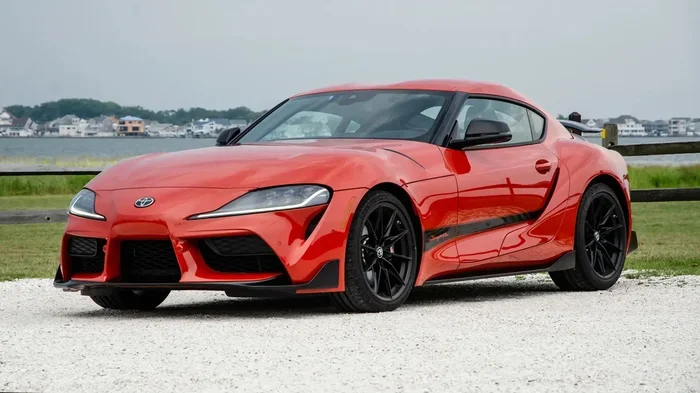
The A90 Supra represents a new era for the model. It shares its platform with the BMW Z4 and uses a turbocharged inline-four engine instead of the classic six. Some purists questioned this change, but the results speak for themselves.
The A90 is more reliable than previous generations in many ways. Modern engineering, better materials, and improved manufacturing quality all contribute. Toyota built the A90 with daily driving comfort in mind, not just track performance.
Early reliability data is strong. The A90 has few widespread complaints. Toyota’s warranty coverage provides peace of mind for new owners. As the car ages, we expect the long-term reliability record to continue looking solid.
One thing to note: the A90’s inline-four engine does not have the same tuning potential as the A80’s inline-six. For most drivers, this is not a problem. But for enthusiasts seeking massive power gains, the older six-cylinder has an edge.
Is a Supra Worth the Investment?
Depreciation and Resale Value
When evaluating whether a Toyota Supra is worth the investment, resale value matters a lot. Cars that hold their value save you money in the long run.
The Supra has shown strong depreciation resistance compared to many sports cars. The A80, despite being over 30 years old, holds its value remarkably well. Clean, low-mileage examples command premium prices in the used market.
The A90 is newer, so it is still going through its steepest depreciation phase. However, early trends suggest it will hold value better than many competitors. The combination of Toyota brand trust and the Supra’s iconic status works in its favor.
Here is a quick comparison of Supra resale value versus other sports cars:
- Toyota Supra A90: Holds about 60-65% of value after 3 years
- Nissan 370Z: Holds about 50-55% of value after 3 years
- BMW Z4: Holds about 45-50% of value after 3 years
- Toyota Supra A80 (classic): Values have been rising, not falling
These numbers show that the Supra is a smart financial choice for a sports car. You lose less money over time compared to the competition.
Daily Driving Practicality
Can you actually use a Supra as a daily driver sports car? Yes, and more people are doing it than you might think.
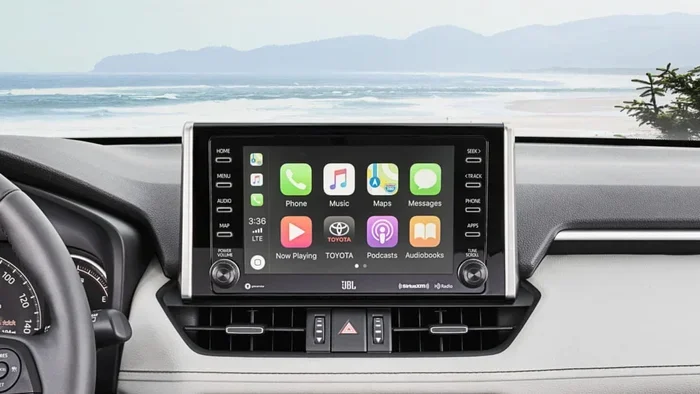
The modern A90 offers comfortable seats, good visibility, and reasonable cargo space. It is far more practical than most sports cars. The Supra daily driver experience is pleasant, with a smooth ride and modern tech features like Apple CarPlay and adaptive cruise control.
The older A80 is less refined for daily use. The seats are firm, visibility is limited, and the cabin is smaller. But for enthusiasts who do not mind a bit of compromise, the A80 offers a rawer, more engaging driving experience that many find worth it.
Insurance costs are another factor. Sports cars typically cost more to insure, and the Supra is no exception. Get quotes before buying to make sure the Supra insurance cost fits your budget. Rates vary based on your location, driving record, and the specific model year.
Expert Tips for Buying a Reliable Supra
What to Look For in a Pre-Owned Supra
Buying a used Supra requires careful inspection. Here is what experienced Supra owners recommend checking before you sign on the dotted line.
- Maintenance records: Ask for a full service history. A Supra with documented oil changes and regular inspections is worth more than one with no records.
- Turbo condition: Listen for unusual sounds from the turbo. Check for oil leaks around the turbo lines on A80 models.
- Frame and body condition: Look for rust, especially on older A80 models. Check the wheel arches, rocker panels, and undercarriage.
- Test drive thoroughly: Listen for unusual noises, test all electrical systems, and feel for any vibrations at different speeds.
- Compression test: Have a mechanic perform a compression test on the engine. This reveals the health of the internals.
- Mileage context: A Supra with 100,000 miles that was well-maintained is better than one with 50,000 miles that was neglected.
New vs Used Supra Considerations
Deciding between a new A90 and a used A80 depends on your budget and goals. Here is a quick comparison:
- New A90: Full warranty, latest tech, modern safety features, and peace of mind. Higher upfront cost but lower immediate repair risk.
- Used A80: Lower purchase price, classic styling, and a proven engine platform. Higher maintenance risk but easier on the wallet upfront.
- Used A90: A middle ground option. Lower price than new with modern features and better reliability than the A80.
No matter which route you choose, buying from a reputable dealer or a well-reviewed private seller reduces your risk significantly. Always get a pre-purchase inspection from an independent mechanic who knows the Supra.
Expert Insight: According to long-term Supra owners, the single best predictor of reliability is maintenance history. A Supra that was regularly serviced will almost always outlast one that was not. Never skip the pre-purchase inspection, no matter how good the car looks on the surface.
The Bottom Line: Are Supras Reliable Sports Cars Worth Your Money?
So, are Supras reliable sports cars worth the investment? The answer is a clear yes.
The Toyota Supra combines legendary performance with Toyota’s proven reliability engineering. Whether you choose the classic A80 or the modern A90, you are getting a sports car that delivers excitement without constant trips to the mechanic.
The Supra ownership experience is rewarding. These cars hold their value, offer thrilling performance, and provide a driving experience that few competitors can match. Yes, there are costs involved. Yes, some models have known issues. But with proper care and smart buying decisions, a Supra will serve you well for many years.
If you have been on the fence about buying a Supra, let this guide give you confidence. Do your research, inspect any car thoroughly, and choose a model that fits your budget and lifestyle. The Supra is one of the best sports cars you can buy today, and its reliability track record proves it.
Take the next step. Test drive a Supra, talk to owners in your community, and see if this iconic Toyota sports car is the right fit for you. You will not regret it.
Frequently Asked Questions
Are Supras reliable for daily driving?
Yes, the Toyota Supra is reliable enough for daily driving, especially the modern A90 generation. The A80 can also serve as a daily driver if it has been properly maintained. Regular oil changes, timely inspections, and addressing small issues quickly will keep your Supra dependable for everyday use.
What is the average lifespan of a Toyota Supra?
A well-maintained Supra can easily last 200,000 to 300,000 miles. The A80’s 2JZ engine is known for exceptional durability, and many owners report crossing the 300,000-mile mark. The A90 is newer, but early data suggests similar longevity with proper care and maintenance.
Are Supras expensive to maintain?
Not really. Routine maintenance costs for a Supra are comparable to other Toyota sports cars. Major repairs like turbo replacement or clutch work can be pricey, but these are not frequent if you follow the maintenance schedule. Overall, Supra ownership costs are reasonable for a performance vehicle.
Which Supra generation is the most reliable?
The A90 Supra benefits from modern engineering and improved manufacturing quality, making it the most reliable generation on paper. The A80 has a proven track record over decades, with the 2JZ engine being nearly indestructible when maintained properly. Both generations are reliable when cared for correctly.
Is it better to buy a new or used Supra?
It depends on your budget and goals. A new A90 comes with a warranty and the latest features, making it ideal for worry-free ownership. A used A80 offers classic styling and lower upfront cost but requires more attention to maintenance. A used A90 provides a good balance of modern features and lower purchase price.
Do Supras hold their value well?
Yes, Supras hold their value better than most sports cars. The A80 has even seen its value increase over time due to its iconic status and limited production numbers. The A90 is showing strong resale trends as well, making the Supra a smart choice if you care about long-term investment value.
=== CONCLUSION ===
The Toyota Supra stands as one of the most reliable and exciting sports cars you can buy today. From the legendary A80 to the modern A90, each generation brings Toyota’s commitment to durability and performance. Are Supras reliable? The evidence is clear: yes, they are.
Whether you are a first-time sports car buyer or a seasoned enthusiast, the Supra delivers a rewarding ownership experience. Keep up with maintenance, buy smart, and enjoy the ride. The Supra has earned its place as a true sports car icon, and it is ready to serve you for years to come.