Car Paint Protection Film Cost Everything You Need to Know
The Car Paint Protection Film Cost typically ranges from $2,000 to $10,000 depending on your vehicle size, coverage level, and film quality. Full coverage PPF is a premium investment that shields your car from rocks, scratches, and road debris while preserving resale value. This guide breaks down every cost factor so you can budget smartly and avoid overpaying.
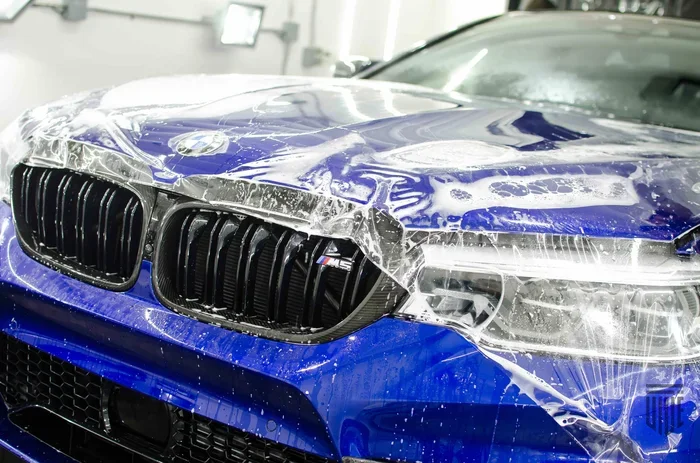
If you have ever stared at a rock chip on your hood and wondered how much it would cost to fix, you are not alone. Car owners face this frustration every day. The truth is that a tiny chip can turn into a massive repair bill fast. That is where Car Paint Protection Film Cost comes into the conversation. PPF, also known as a clear bra, is a transparent urethane layer applied directly to your vehicle’s paint. It absorbs impacts from rocks, debris, and minor scratches that would otherwise damage your finish.
But here is the real question most car owners ask: how much does it actually cost? The answer is not a single number. Prices vary wildly based on your vehicle, the film you choose, and how much coverage you want. In this article, we will walk you through every cost factor. We will break down average prices, compare options, and help you decide if the investment makes sense for your car.
Whether you drive a daily commuter or a luxury SUV, understanding paint protection film pricing helps you make a smart buying decision. Let us dive in and explore everything you need to know about Car Paint Protection Film Cost.
Key Takeaways
- Full PPF installation costs between $2,000 and $10,000: The final price depends on vehicle size, film brand, and coverage level.
- Partial coverage is the most budget-friendly option: Protecting just high-impact zones like the hood and fenders can cost $500 to $2,500.
- Film quality matters enormously: Premium self-healing films from brands like XPEL and 3M cost more but last longer and perform better.
- Installation labor is a major cost driver: Skilled installers charge more, but their work ensures a bubble-free, long-lasting finish.
- PPF pays for itself over time: It prevents expensive paint repairs and maintains your vehicle’s resale value significantly.
- DIY PPF kits are cheaper but risky: Improper installation often leads to peeling, bubbling, and wasted money.
- Warranties add value: Many premium PPF brands offer 10-year warranties that protect your investment long-term.
📑 Table of Contents
- What Is Car Paint Protection Film and Why Does It Cost What It Does?
- Average Car Paint Protection Film Cost by Coverage Level
- Factors That Affect Paint Protection Film Pricing
- PPF vs Other Protection Options: Which Is Worth the Money?
- How to Choose the Right PPF for Your Budget
- Common Mistakes People Make When Budgeting for PPF
- Is Investing in Paint Protection Film Worth It?
What Is Car Paint Protection Film and Why Does It Cost What It Does?
Paint protection film is a clear, thermoplastic urethane layer that bonds to your vehicle’s exterior surfaces. It is designed to take the hit so your original paint does not have to. Originally developed for military helicopters, this technology has made its way into the consumer automotive market and has become incredibly popular.
The film itself is not cheap. High-quality PPF material uses advanced polymers that are engineered to be durable, flexible, and self-healing. That means small scratches and swirl marks disappear when exposed to heat, like warm sunlight or a warm water rinse.
The Layers of Quality PPF
Not all paint protection film is created equal. Premium films typically have multiple layers that work together to protect your car. Here is what you are paying for when you invest in quality PPF installation:
- Top coat: This layer provides UV resistance and self-healing properties. It also gives the film its slick, glossy finish.
- Adhesive layer: A strong but gentle adhesive bonds the film to your paint without causing damage during removal.
- Base film: The thickest layer, usually between 6 and 12 mils, absorbs impacts from road debris and rocks.
- Liner: A protective backing that keeps the film clean and sticky until it is ready to be applied.
Each of these layers adds to the overall PPF cost per square foot. Cheaper films often skip layers or use lower-grade materials. While they cost less upfront, they do not last as long and do not perform as well. This is why understanding what you are paying for matters so much.
Average Car Paint Protection Film Cost by Coverage Level
The biggest factor in Car Paint Protection Film Cost is how much of your car you want covered. Coverage levels fall into three main categories: partial, partial-plus, and full coverage. Each comes with its own price range and benefits.
Partial Coverage (High-Impact Zones)
Partial coverage protects the areas most vulnerable to damage. Think about the hood, front bumper, fenders, and side mirrors. These are the spots where rocks and debris hit most often. If you want to keep costs manageable while still getting solid protection, partial coverage is a great starting point.
- Typical cost: $500 to $2,500
- Best for: Daily drivers, older vehicles, and budget-conscious owners
- Coverage areas: Hood, front bumper, fenders, mirrors, and door edges
Partial coverage gives you excellent value. You protect the areas that take the most punishment without spending a fortune. Many car owners start with partial coverage and upgrade later if they love the results.
Partial-Plus Coverage (Mid-Range Protection)
This option expands protection beyond the front end. It typically includes the hood, front bumper, fenders, mirrors, doors, and rocker panels. Partial-plus coverage is a sweet spot for owners who want more protection without going full coverage.
- Typical cost: $2,000 to $5,000
- Best for: Vehicles driven on highways and rough roads
- Coverage areas: Everything in partial coverage plus doors, rocker panels, and rear bumper
If you frequently drive on highways or gravel roads, partial-plus coverage makes a lot of sense. It shields your car from the debris kicked up by other vehicles and keeps your paint looking pristine longer.
Full Coverage (Complete Protection)
Full coverage means every visible panel on your car gets wrapped in paint protection film. This includes the hood, fenders, bumpers, doors, roof, trunk, mirrors, and sometimes even wheel wells. Full coverage offers the ultimate protection and the most peace of mind.
- Typical cost: $4,000 to $10,000+
- Best for: Luxury vehicles, new cars, and high-value cars
- Coverage areas: Every exterior panel, mirrors, and often wheel wells
Full coverage is the gold standard. It keeps your car looking brand new for years and significantly reduces the need for paint correction or touch-up repairs. For luxury and exotic car owners, full PPF is almost a no-brainer.
Cost Comparison Table
| Coverage Level | Price Range | Best For | Film Used |
|---|---|---|---|
| Partial Coverage | $500 – $2,500 | Budget-conscious owners | Standard or economy PPF |
| Partial-Plus Coverage | $2,000 – $5,000 | Highway and rough road drivers | Mid-grade PPF |
| Full Coverage | $4,000 – $10,000+ | Luxury and new vehicles | Premium self-healing PPF |
Factors That Affect Paint Protection Film Pricing
Several factors influence the final Car Paint Protection Film Cost. Understanding these variables helps you get accurate quotes and avoid surprises. Let us look at the most important factors that drive pricing.
Vehicle Size and Type
Larger vehicles need more film, which naturally increases the cost. A compact sedan requires far less material than a full-size truck or an SUV. Here is a rough idea of how vehicle size affects pricing:
- Compact cars: Lower film requirement, typically $2,000 to $5,000 for full coverage
- Midsize sedans and SUVs: Moderate film needs, typically $4,000 to $7,000 for full coverage
- Full-size trucks and luxury SUVs: High film requirement, typically $6,000 to $10,000+ for full coverage
- Exotic and supercars: Complex body lines increase installation time and cost, $8,000 to $15,000+
Curved body panels and complex contours also increase the difficulty of installation. Vehicles with sharp angles, deep creases, and tight spaces around trim pieces take longer to wrap properly. This additional labor time adds to the overall PPF installation cost.
Film Brand and Quality
The brand of paint protection film you choose has a huge impact on price. Top-tier brands use advanced technology and superior materials that justify their higher cost. Here are some of the most respected PPF brands on the market:
- XPEL: Known for its self-healing top coat and industry-leading warranties. XPEL Ultimate Plus is one of the most popular premium films available.
- 3M: A trusted name in automotive protection with a wide range of PPF products for different budgets.
- SunTek: Offers excellent clarity and durability at competitive prices.
- Llumar: Backed by the same company that makes window tint film, Llumar PPF is known for strong adhesion and clarity.
- Kavaca: A newer player with impressive self-healing technology and competitive pricing.
Economy films from lesser-known brands can cost 30 to 50 percent less than premium options. However, they often yellow faster, have lower clarity, and do not self-heal as effectively. When you factor in longevity and performance, premium films usually offer better long-term value.
Installation Labor and Expertise
Installation is where a lot of the cost goes. Skilled PPF installers spend hours carefully measuring, cutting, and applying film to every panel. The process requires precision, patience, and experience. A poor installation can lead to bubbling, peeling, and premature wear.
Experienced installers who specialize in car body protection typically charge more, but their work quality speaks for itself. Look for certified installers with strong portfolios and positive reviews. A well-done installation can extend the life of your PPF by several years.
Geographic Location
Where you live affects pricing too. Shops in major metropolitan areas often charge more due to higher overhead costs. Rural shops may offer lower rates, but you want to make sure they have the experience and equipment needed for a quality install.
Additional Services
Some shops offer extras that add to the total Car Paint Protection Film Cost but can improve the final result:
- Paint correction before installation: This ensures your paint is smooth and flawless before the film goes on. It typically costs $200 to $800.
- Ceramic coating over PPF: Adding a ceramic layer on top of the film enhances durability and makes cleaning easier. This adds $500 to $1,500.
- Edge sealing: Sealing the edges of the film prevents peeling and extends the lifespan of the installation.
PPF vs Other Protection Options: Which Is Worth the Money?
Paint protection film is not the only way to keep your car looking great. Several alternatives exist, each with different costs and benefits. Let us compare PPF cost with other popular options so you can make an informed choice.
PPF vs Ceramic Coating
Ceramic coating is a liquid polymer that bonds chemically to your paint. It creates a hydrophobic layer that repels water, dirt, and minor scratches. Ceramic coating costs significantly less than PPF, typically ranging from $500 to $3,000 depending on the vehicle and product quality.
However, ceramic coating does not offer the same level of impact protection as PPF. It will not stop rocks from chipping your paint. It mainly provides chemical resistance, UV protection, and easier cleaning. Think of ceramic coating as a shield for your paint, while PPF is armor.
Many car owners choose to combine both. They apply PPF to high-impact areas and use ceramic coating over the entire vehicle for added gloss and protection. This approach gives you the best of both worlds at a reasonable combined cost.
PPF vs Vinyl Wrap
A vinyl wrap changes the color or finish of your car while also providing a layer of protection. Vehicle wrap cost ranges from $2,000 to $10,000 depending on the material and complexity. While a wrap protects your paint, it is primarily a cosmetic change rather than a protective measure.
Unlike PPF, vinyl wraps are designed to be removed and replaced. They do not have the same self-healing properties or impact resistance. If your goal is purely protection, PPF is the better choice. If you want a new look plus protection, a vinyl wrap might be worth considering.
PPF vs No Protection
Some car owners skip protection altogether and rely on their original paint. While this saves money upfront, it can cost a lot more over time. A single rock chip repair can run $50 to $300 per panel. A full paint correction to fix swirl marks and scratches can cost $500 to $2,000. Over several years, these costs add up quickly.
PPF cost is an investment that pays for itself by preventing expensive repairs and preserving your vehicle’s resale value. A well-maintained paint job significantly increases what your car is worth when you decide to sell or trade it in.
How to Choose the Right PPF for Your Budget
Choosing the right paint protection film does not have to be overwhelming. With a clear plan, you can find the perfect balance between quality and affordability. Here is a step-by-step guide to help you decide.
Step 1: Define Your Priorities
Ask yourself what matters most. Is it maximum protection, aesthetic appearance, or budget-friendly pricing? Your priorities will guide your decisions about coverage level, film brand, and additional services.
Step 2: Set a Realistic Budget
Get quotes from at least three reputable shops in your area. This gives you a sense of the going rate for PPF installation in your region. Be wary of quotes that seem too low, as they often indicate cheap film or inexperienced installers.
Step 3: Choose Your Film Brand
Research the top PPF brands and read reviews from other car owners. Look for films with strong warranties and proven track records. Premium brands cost more but deliver better performance and longevity.
Step 4: Pick Your Coverage Level
Based on your budget and priorities, select the coverage level that makes sense. Partial coverage is a great starting point for budget-conscious owners. Full coverage is ideal for those who want maximum protection and are willing to invest more upfront.
Step 5: Verify Installer Credentials
Make sure your chosen shop has certified PPF installers with experience working on your vehicle type. Ask to see before-and-after photos and read customer reviews. A skilled installer makes all the difference in the final result.
Quick Tips for Saving Money on PPF
- Focus on high-impact zones first: The hood, fenders, and front bumper take the most abuse. Start there and expand coverage later.
- Buy during seasonal promotions: Many shops offer discounts during slower months or around holiday sales.
- Ask about package deals: Some installers offer bundled pricing for partial and full coverage that saves you money.
- Maintain your PPF properly: Regular washing and avoiding harsh chemicals extends the life of your film, delaying the need for replacement.
Common Mistakes People Make When Budgeting for PPF
Even informed car owners sometimes make mistakes when planning for Car Paint Protection Film Cost. Avoiding these pitfalls helps you get the best value for your money.
Choosing the Cheapest Option
The lowest quote is not always the best deal. Cheap films often yellow, peel, or lose their self-healing properties within a year or two. You end up paying for removal and reinstallation, which costs more than investing in quality film upfront.
Ignoring Installation Quality
Film is only as good as its installation. A poorly installed PPF looks bad, peels at the edges, and traps dirt and moisture underneath. Always prioritize installer experience and reputation over saving a few hundred dollars.
Forgetting About Maintenance Costs
PPF requires regular maintenance to look its best. Budget for proper cleaning products and periodic inspections. Neglecting maintenance can shorten the lifespan of your film and void your warranty.
Not Understanding Warranty Terms
Not all PPF warranties are the same. Some cover yellowing and delamination, while others cover cracking and peeling. Read the warranty carefully and make sure it covers the issues you care about most. A strong warranty adds significant long-term value to your investment.
Is Investing in Paint Protection Film Worth It?
The short answer is yes for most car owners. Car Paint Protection Film Cost represents a significant upfront expense, but the long-term benefits are hard to ignore. PPF prevents costly paint repairs, preserves your vehicle’s appearance, and boosts resale value. For new car owners, it is one of the smartest investments you can make.
Even for older vehicles, PPF can extend the life of your paint and keep your car looking great for years. The key is to choose the right film, find a skilled installer, and commit to proper maintenance.
Think of paint protection film like insurance for your car’s exterior. You hope you never need it, but when you do, you are incredibly glad you have it. Whether you choose partial coverage or full coverage, the protection and peace of mind are well worth the investment.
Take the time to research your options, get multiple quotes, and ask questions. A well-informed decision ensures you get the best PPF cost for your money and a result you will be happy with for years to come.
Frequently Asked Questions
How long does paint protection film last?
High-quality PPF typically lasts between 5 and 10 years depending on the brand, film quality, and how well you maintain it. Premium films from brands like XPEL and 3M often come with warranties of up to 10 years, giving you long-lasting confidence in your investment.
Can I install paint protection film myself?
While DIY PPF kits are available and cost less, professional installation is strongly recommended. PPF requires precise cutting, heat molding, and bubble-free application. A skilled installer ensures the film adheres properly and looks seamless, which is nearly impossible to achieve without experience.
Does paint protection film affect my car’s resale value?
Yes, PPF can significantly boost your car’s resale value. It preserves the original paint in excellent condition, which buyers notice immediately. A well-maintained paint job with no chips or scratches makes your vehicle far more appealing in the used car market.
Is paint protection film the same as a ceramic coating?
No, they are different products. PPF is a physical film that absorbs impacts and protects against rock chips and scratches. Ceramic coating is a liquid that chemically bonds to your paint and provides chemical resistance and hydrophobicity. Many car owners use both together for comprehensive protection.
What is the average PPF cost for a sedan?
For a standard sedan, full coverage PPF typically costs between $3,000 and $6,000. Partial coverage for just the front end can range from $800 to $2,000. Your exact Car Paint Protection Film Cost depends on the film brand, coverage level, and your local installation rates.
Will paint protection film yellow over time?
Premium PPF films are engineered with UV-resistant top coats that prevent yellowing for years. Economy films are more prone to discoloration. Choosing a reputable brand and maintaining your film properly keeps it looking clear and pristine throughout its lifespan.
=== CONCLUSION ===
Car Paint Protection Film Cost is an investment that delivers real, tangible value. From preventing expensive paint repairs to preserving your vehicle’s resale value, PPF offers benefits that go far beyond what you pay upfront. Whether you choose partial coverage for your budget or go all-in with full coverage, the protection your car receives is well worth it.
The key is to understand what drives pricing, choose quality film and a skilled installer, and maintain your PPF properly over time. Do your research, get multiple quotes, and never let price be the only deciding factor. A well-chosen paint protection film keeps your car looking brand new and protects your investment for years to come.
Take action today. Research local PPF installers, ask for detailed quotes, and find the right protection plan for your vehicle. Your car’s paint will thank you every single day.