Do Modern Keyless Cars Still Have an Ignition Switch
Yes, do modern keyless cars still have an ignition switch? The answer is yes, but it’s electronic and hidden. The push-button start replaces the old key turn, yet the ignition switch remains the core component.
Do Modern Keyless Cars Still Have an Ignition Switch? You might be surprised to learn that do modern keyless cars still have an ignition switch is a question many drivers ask every day. The answer is yes, but it looks very different from the old metal key slot. Today’s keyless ignition systems use a push-button start and a smart key fob to fire up the engine. You’ll still find an ignition switch hidden inside the steering column, but it’s electronic. In this guide, you’ll learn how keyless cars work, what’s inside that switch, and how to keep your ignition system running strong.
So, you’re driving a modern car and you never insert a key. You just press a button. It feels like magic, but there’s still an ignition switch doing the heavy lifting. Many drivers don’t realize that keyless cars still rely on a traditional ignition path, even if it’s all digital now. Understanding this can save you from confusion and costly repairs.
The ignition switch is the gatekeeper. It tells the car’s computer to allow the engine to start. Without it, your push-button start would be just a fancy blank button. Let’s break down what that switch really is and why it matters.
In the next sections, we’ll explore the hidden parts, common problems, and simple maintenance steps. By the end, you’ll know exactly how your keyless ignition works and how to keep it in top shape.
Key Takeaways
- Yes, they still have one: Every keyless car contains an ignition switch, even if you never see it.
- It’s electronic now: The switch works with a smart key fob and a start button instead of a metal key.
- Hidden under the dash: You’ll find it inside the steering column, linked to the starter motor.
- Common issues are fixable: Dead fob batteries and dirty buttons cause most problems.
- Maintenance is simple: Keep the fob battery fresh and the start button clean.
- Safety features remain: The immobilizer and anti-theft systems still rely on the ignition switch.
📑 Table of Contents
Do Modern Keyless Cars Still Have an Ignition Switch?
Yes, they do. The ignition switch hasn’t disappeared; it’s just changed form. In older cars, you turned a metal key. That key activated the switch, which sent power to the starter motor. Today, the same process happens electronically.
The Hidden Switch Behind the Start Button
When you press the start button, you’re really just telling the car’s computer to engage the ignition switch. The switch is still there, tucked away inside the steering column. It’s part of the ignition system. A small electronic signal replaces the old mechanical turn. Yet the switch still controls the flow of electricity to the starter motor and the engine control unit.
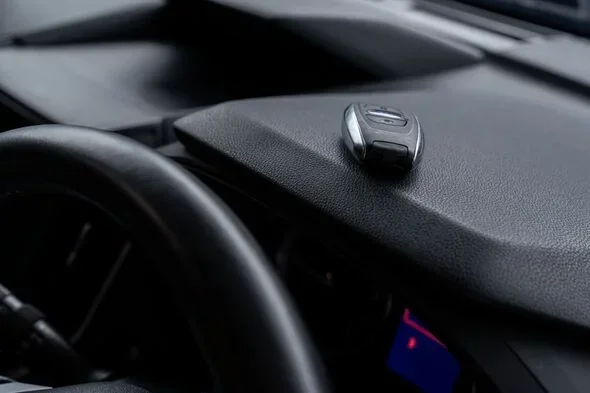
Many cars also keep a hidden key slot for emergencies. If your smart key fob dies, you can slide the fob into that slot to start the car. The slot connects directly to the ignition switch. This backup ensures you’re never stranded.
What You’ll Find When You Look Under the Dash
If you peek behind the steering wheel, you might see a small module. That’s the electronic ignition switch. It’s not the big metal cylinder from the past. Instead, it’s a compact unit with wiring harnesses. It talks to the car’s onboard computer. The computer checks the smart key fob’s signal before allowing the engine to start. This whole process happens in milliseconds.
The switch also interacts with the steering lock. When you turn off the car and remove the fob, the steering lock engages. That lock is part of the ignition system too. It prevents the wheel from turning without the correct key. This adds a layer of vehicle security.
How Keyless Ignition Systems Work
Keyless ignition is a marvel of modern engineering. It combines a smart key fob, an antenna, and an electronic ignition switch. Together, they create a seamless start experience. Let’s walk through each step.
The Smart Key Fob and Its Role
Your smart key fob is a tiny computer. It constantly sends out a low-frequency radio signal. When you approach the car, the car’s antennas pick up that signal. The system recognizes the fob as a valid key. This is called passive entry or keyless go. You don’t have to press any button to unlock the doors. Just touch the handle.
Inside the fob is a transponder chip. That chip holds a unique code. The car’s immobilizer reads this code. If the code matches, the immobilizer disarms. Then the ignition system is allowed to activate. Without that transponder, the car won’t start, even if someone has the physical fob. This anti-theft feature is built into the ignition switch design.
The Electronic Signal Path from Fob to Engine
Here’s what happens when you press the start button:
- The car’s computer checks that the smart key fob is inside the vehicle.
- The computer verifies the transponder code with the immobilizer.
- The ignition switch receives a signal to allow power from the battery.
- The starter motor engages the engine flywheel.
- The engine starts, and fuel injection begins.
Every step relies on the ignition switch acting as a relay. It’s not just a mechanical connector anymore. It’s a smart relay that talks to the onboard computer. The ignition coil then sends voltage to the spark plugs. The spark plug fires, igniting the fuel. All of this happens because the switch said yes.
Immobilizer and Anti-Theft Features
Modern cars take vehicle security seriously. The immobilizer is a computer chip in the ignition system. It works hand-in-hand with the ignition switch. If someone tries to hot-wire the car, the immobilizer blocks the starter motor. The engine will crank but not fire. This makes keyless cars very hard to steal.
Some systems also use rolling codes. The fob and car change their code every time you start the car. This prevents thieves from copying the signal. The electronic ignition switch is the gatekeeper that enforces these rules. It’s a key part of your car’s security network.
The evolution of the ignition switch is fascinating. Early cars used a simple metal key that completed a circuit. That circuit powered the ignition coil, which sent voltage to the spark plugs. Over time, cars added starters, then electronic ignitions. Today, the switch is a computer module. It communicates with the car’s brain. This evolution made keyless ignition possible. The physical switch still exists, but it’s now a solid-state relay. It’s more reliable and harder to bypass.
Common Keyless Ignition Problems
Even the best systems can act up. Most problems are simple to fix. Here are the three most common issues drivers face.
Dead Key Fob Battery
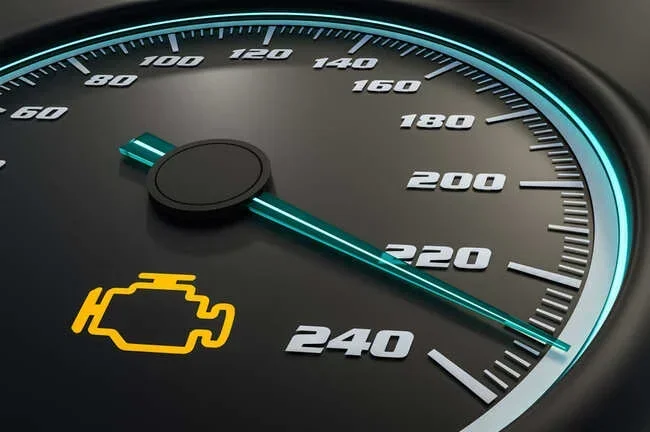
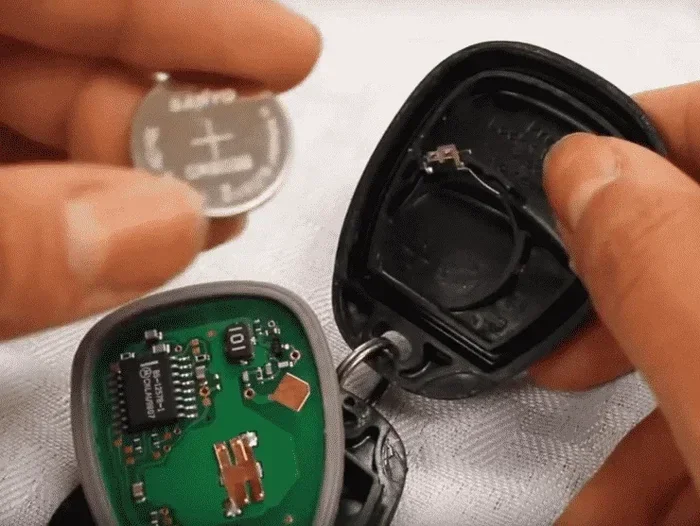
This is the number one cause of no-start situations. When the fob battery dies, the car can’t read the transponder code. The ignition switch thinks there’s no key present. You’ll see a warning light on the dash. The fix is easy. Replace the fob battery. Most fobs use a CR2032 coin cell. You can do it yourself in seconds.
If you’re stranded, use the backup start slot. Put the dead fob against the start button or the hidden slot. The car will read the fob’s passive RFID chip directly. This bypasses the low battery issue.
Start Button Not Responding
Sometimes the start button just doesn’t work. You press it, but nothing happens. This could be a dirty button. Dirt and grime build up around the edges. It blocks the sensor. A quick fix is to clean the button with electrical contact cleaner. Spray a small amount around the edges and press it several times.
Another cause is a faulty brake light switch. Many cars require you to press the brake pedal before the start button works. If that switch fails, the button won’t respond. Check the brake lights. If they don’t come on, the switch might be the culprit.
Steering Lock Issues
The steering lock is tied to the ignition switch. If the lock gets stuck, you can’t turn the key or press the button. This often happens when you turn off the car and turn the wheel slightly. The lock engages against the wheel. To fix it, gently wiggle the steering wheel left and right while pressing the start button. The lock will release, and the car will start.
Never force the wheel. You could damage the lock mechanism. If the lock is stuck often, the ignition switch may be wearing out. Have a mechanic inspect it.
Intermittent failures can also occur. The car might start sometimes and not others. This is often a sign of a failing ignition switch. The internal contacts wear out over time. They may not make proper connection every time. If you experience this, don’t ignore it. A failing switch can leave you stranded. Have a mechanic test the switch with a multimeter.
Sometimes the car says “Key Not Detected” even when the fob is inside. This happens when the fob is near a phone or other electronic device. The radio frequency interference can block the signal. Move the fob away from your phone and try again. Also, check if the fob is in the wrong pocket. The car’s antennas are usually near the driver’s seat. Placing the fob in the center console often helps.
Maintenance Tips for Your Keyless Ignition
Keeping your keyless ignition system in top shape is easy. A little care prevents most problems. Here are three simple tips.
Keep Your Key Fob Battery Fresh
Change the fob battery once a year. You don’t need to wait for it to die. A fresh battery ensures the transponder signal is strong. This keeps the ignition switch communicating properly. Most drivers can replace the battery in under five minutes. Use a quality battery. Cheap batteries can leak and damage the fob. Also, check the battery voltage with a multimeter if the fob feels weak.
Store the fob away from metal objects and electronics. Strong magnetic fields can interfere with the transponder signal. Keep it in a dedicated pocket or pouch.
Protect the Start Button from Spills
Liquids are the enemy of electronics. A spilled drink can short out the start button or the ignition switch module. Keep drinks in the cupholder with a lid. If a spill happens, dry the area immediately. Don’t press the button while it’s wet. Use a soft cloth to absorb moisture. You can also use a water-resistant cover for the button area. It’s a small investment that can save you from a costly repair. Regularly wipe the button with a dry microfiber cloth to remove grime.
When to Call a Professional
Some issues need a trained eye. If the car won’t start and the dashboard shows a key warning light, don’t guess. The ignition switch or the onboard computer might have a fault. A professional mechanic can run a diagnostic scan. They’ll read the error codes and pinpoint the problem. Also, if you notice a grinding noise when pressing the start button, stop driving. That sound often means the starter motor is failing. The starter motor is connected directly to the ignition switch. Ignoring it can lead to a dead car on the roadside. Regular inspections can catch these issues early.
Keyless vs. Traditional Ignition: Which Is Better?
Both systems have their strengths. Here’s a quick comparison to help you understand the differences.
| Feature | Keyless Ignition | Traditional Ignition |
|---|---|---|
| How to Start | Press a button with smart key fob inside | Insert and turn a metal key |
| Security | Transponder, rolling codes, immobilizer | Physical key lock, basic immobilizer |
| Convenience | No fumbling for keys; push-button start | Must physically insert key every time |
| Key Replacement | Expensive; requires programming | Cheaper; simple cut and copy |
| Reliability | Fewer moving parts; electronic wear possible | Mechanical switch lasts long; key wear |
| Cost | Higher initial cost; complex electronics | Lower cost; simple design |
Keyless systems win on convenience and modern security. Traditional systems are simpler and cheaper to fix. Most drivers today prefer the push-button start experience. The ignition switch is still the heart of both systems, just in a different package.
Resale value is another factor. Keyless cars are more desirable in today’s market. Buyers expect push-button start. However, some classic car enthusiasts prefer the traditional feel. For daily driving, keyless ignition wins. For show cars, traditional might be better. Both systems share the same core component: the ignition switch. That switch must be maintained regardless of the type.
Final Thoughts on Keyless Ignition Switches
So, do modern keyless cars still have an ignition switch? Yes, they do, but it’s hidden and electronic. The push-button start makes driving easier, yet the ignition switch remains the core component. Regular maintenance keeps it working smoothly. Now you know how your keyless car starts and what to watch for.
Take care of your smart key fob. Keep the start button clean. Listen to your car’s warning lights. These small habits protect the ignition system. Your car will reward you with reliable starts for years to come.
The future of ignition systems is moving toward fully digital keys. Some cars now use smartphones as the key. The ignition switch will continue to evolve. But the core function remains the same: to safely start the engine. Understanding your car’s system gives you confidence. It helps you troubleshoot when things go wrong. So embrace the technology, but respect the basics.
In short, understanding your car’s ignition switch is key. Even with keyless technology, that switch is still there. Keep your smart key fob charged and your start button clean. A little care goes a long way for your keyless ignition system.
Frequently Asked Questions
Do all keyless cars have a hidden ignition switch?
Yes, virtually all keyless cars still contain a traditional ignition switch, but it’s electronic and hidden. It works with the start button and smart key fob to control the engine start process.
Can you start a keyless car with a dead key fob battery?
Yes, most cars have a backup method. You’ll usually find a hidden slot in the key fob or the steering column. You place the dead fob against that spot to start the car directly.
Is a push-button start the same as an ignition switch?
Not exactly. The push-button start is the interface you press, but it triggers the ignition switch electronically. The switch itself is still there, just hidden inside the steering column.
What causes a keyless start button to stop working?
The most common causes are a dead key fob battery, a faulty start button, or an issue with the ignition switch. Sometimes moisture or dirt can also cause problems.
How do I know if my ignition switch is failing?
You might notice the car won’t start, the dashboard lights flicker, or the engine stalls. A grinding noise when turning the key is another sign. If you see these, get a professional check.
Can you add keyless ignition to an older car?
It’s possible, but it’s complex. You’d need to replace the ignition switch with an electronic module and install a compatible key fob. It’s usually cheaper to buy a car that already has it.