Can I Reset the Check Engine Light Myself Without Tools
Yes, you can reset the check engine light yourself without tools in many cases. Whether it is a loose gas cap or a minor sensor glitch, several simple methods can clear the light at home. This guide walks you through every safe, tool-free approach and tells you exactly when to call a mechanic instead. You will learn what triggers the light, how to interpret warning signs, and how to prevent it from coming back.
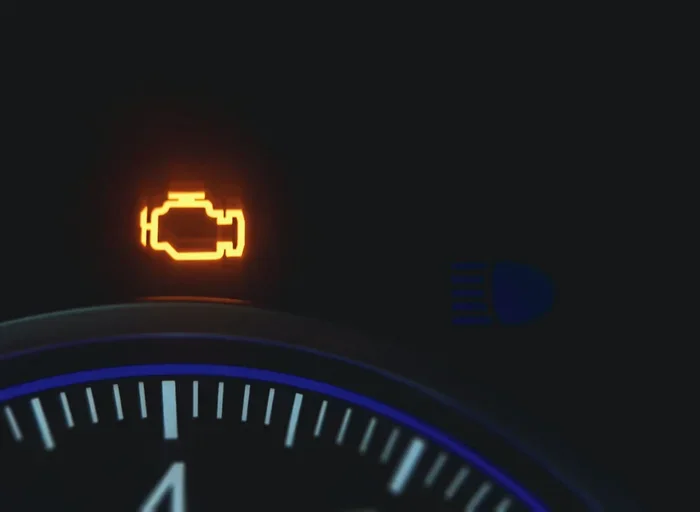
You are driving down the road, minding your own business, when suddenly a yellow or orange light pops up on your dashboard. It looks like an engine, and it definitely looks alarming. Your first thought? Can I reset the check engine light myself without tools?
The good news is that in many situations, the answer is yes. You do not need expensive diagnostic machines or a trip to the auto shop. Some fixes take seconds, and others take just a few minutes of your time. But before you reach for any solution, it helps to understand what the light is actually trying to tell you.
This guide covers everything you need to know about resetting your check engine light on your own. We will walk through the common causes, the safest reset methods, and the times when you should absolutely leave it to a professional. By the end, you will feel confident and informed.
Key Takeaways
- Resetting without tools is possible: You can clear the light using simple methods like disconnecting the battery or the ECU fuse.
- Know the root cause first: A loose gas cap is the most common reason and often requires no reset at all.
- Flashing lights mean urgent attention: Never ignore a flashing check engine light — it signals a serious problem.
- Avoid resetting before emissions tests: Clearing codes too early can cause you to fail a state inspection.
- Prevention is the best fix: Regular maintenance keeps the light off and your car running smoothly.
- When in doubt, see a pro: Some problems need diagnostic equipment that only a shop has.
📑 Table of Contents
- What Does the Check Engine Light Actually Mean?
- Common Reasons the Check Engine Light Comes On
- How to Reset the Check Engine Light Without Any Tools
- When You Should NOT Reset the Check Engine Light
- DIY Reset vs Professional Help: Which Is Right for You?
- Preventing the Check Engine Light from Returning
- Final Thoughts
What Does the Check Engine Light Actually Mean?
The check engine light is part of your car’s onboard diagnostics system. This system, often called OBD, monitors all the sensors and components that keep your engine running properly. When something falls outside the normal range, the system stores a trouble code and lights up your dashboard.
Think of it like a warning system in your home. A smoke detector does not tell you exactly where the fire is, but it tells you something is wrong. The check engine light works the same way. It alerts you that the car’s computer has detected a problem.
Solid Light vs. Flashing Light
The behavior of the light matters a lot. A solid, steady glow usually means a less urgent issue. It could be something minor like a loose gas cap or a sensor reading slightly off. You can typically drive to a shop at your convenience.
A flashing check engine light, however, is a different story entirely. Flashing means the problem is serious and could cause immediate damage. Common causes include engine misfires that can overheat the catalytic converter. If your light is flashing, pull over safely and get your car towed to a mechanic.
What Are Diagnostic Trouble Codes?
Behind the scenes, your car stores a specific code for every problem it detects. These are called diagnostic trouble codes, or DTCs for short. Each code starts with a letter — P for powertrain, B for body, C for chassis — followed by four numbers.
For example, P0420 means the catalytic converter efficiency is below threshold. Code P0171 points to a lean fuel mixture. You do not need to memorize these codes, but knowing they exist helps you understand why resetting the light without fixing the problem is only a temporary solution.
Common Reasons the Check Engine Light Comes On
Understanding what triggers the light helps you decide whether a DIY reset makes sense. Some causes are so simple that the light goes away on its own. Others need real repairs. Here are the most common culprits.
A Loose or Faulty Gas Cap
This is the number one reason the check engine light turns on. The gas cap seals your fuel system and keeps vapors from escaping. When it is loose, cracked, or missing, the car’s evaporative emission system detects a leak.
Here is the good news: if a loose gas cap is the issue, tightening it often turns the light off within a few drive cycles. No reset needed. Next time you fill up, make sure you hear that click when you screw the cap back on.
Oxygen Sensor Malfunction
Your car has oxygen sensors that measure how much unburned oxygen is in the exhaust. These readings help the engine control unit adjust the fuel mixture. When an oxygen sensor fails, it can reduce fuel economy and increase emissions.
Oxygen sensor problems are common in higher-mileage vehicles. While you can still drive with a faulty sensor, ignoring it for too long can damage the catalytic converter. That repair costs significantly more.
Catalytic Converter Failure
The catalytic converter cleans up harmful gases before they exit the exhaust. Over time, it can become clogged or damaged, especially if you have been putting off engine misfire repairs. A failing catalytic converter often triggers the check engine light and may cause your car to fail an emissions test.
This is not a DIY fix. Replacing a catalytic converter requires professional tools and expertise. If you see the light along with reduced power or a rattling sound, see a mechanic right away.
Spark Plug and Ignition Coil Issues
Worn spark plugs or faulty ignition coils can cause misfires. A misfire means the fuel in a cylinder is not burning properly. This unburned fuel can damage the catalytic converter over time.
Symptoms include rough idling, hesitation during acceleration, and decreased fuel efficiency. Replacing spark plugs is one of the simplest and cheapest maintenance tasks you can do at home. If the check engine light persists after a new spark plug install, the ignition coil may be the real problem.
How to Reset the Check Engine Light Without Any Tools
Now for the part you have been waiting for. If you have ruled out serious problems and the light is on due to a minor issue, several tool-free methods can clear it. Here are the three most reliable approaches.
Method 1: The Simple Gas Cap Tighten
Before trying anything else, check your gas cap. Remove it, inspect it for cracks or damage, and screw it back on firmly until you hear the click. Then drive for a few days. In many cases, the light will turn off by itself as the system completes a full diagnostic cycle.
This method works because the onboard diagnostics system needs several successful drive cycles to confirm the problem is resolved. It typically takes three to five days of normal driving for the light to go away on its own.
Method 2: Disconnect the Battery
This is the most common DIY reset method, and it requires no tools beyond a basic wrench. Here is how it works:
- Turn off your car and remove the keys from the ignition.
- Open the hood and locate the negative battery terminal. It usually has a black cable and a minus sign.
- Use a wrench to loosen the nut on the terminal clamp.
- Carefully pull the cable off the battery post.
- Leave it disconnected for at least 15 minutes. Some people wait 30 minutes for good measure.
- Reconnect the cable and tighten the nut securely.
- Start the car and let it idle for a few minutes.
Disconnecting the battery clears the stored codes from the car’s short-term memory. The computer resets and starts fresh. However, this method also erases other settings like your radio presets and clock, so be prepared to reset those too.
Method 3: Remove and Reinsert the ECU Fuse
Every car has a fuse box, usually located under the dashboard or in the engine bay. The ECU, or engine control unit, has its own fuse. Removing this fuse for a few minutes achieves a similar result to disconnecting the battery.
Check your owner’s manual to find the exact fuse location. Pull the fuse out carefully, wait about 10 to 15 minutes, and then push it back in. This method avoids affecting your radio and other electronic settings, which is a nice bonus.
Method 4: Drive It Off
Sometimes the simplest method is the best one. If the light came on because of a temporary glitch, simply driving the car normally for several days can clear it. The onboard computer runs through multiple drive cycles and, if the problem does not return, it turns the light off automatically.
This works best when the trigger was minor, like a brief sensor hiccup or a one-time fuel vapor leak. Just drive gently, avoid heavy acceleration, and give the system time to self-correct.
Quick Tips for a Safe Reset
- Always check for other warning lights before resetting. If the temperature gauge is in the red or you see an oil pressure warning, do not reset the light — address the real problem first.
- Keep your gas cap handy. Many resets fail because the gas cap was not properly sealed during the drive cycles.
- Note the code before resetting. If you can, write down or photograph the code on your dashboard. This helps a mechanic if the light comes back.
- Drive gently after resetting. Aggressive driving right after a reset can trigger the light again immediately.
When You Should NOT Reset the Check Engine Light
Resetting the light feels satisfying, but there are important times when you should resist the urge. Clearing the light without fixing the underlying problem can lead to bigger headaches down the road.
Ignoring Serious Engine Problems
If the light came on because of a real mechanical issue, resetting it is like putting tape over a smoke alarm instead of putting out the fire. The light will almost certainly come back, and the problem may have worsened in the meantime.
Common serious triggers include engine misfires, low oil pressure, and cooling system failures. If you notice any of these symptoms along with the light — unusual noises, overheating, or loss of power — do not attempt a DIY reset. Get your car inspected immediately.
Before an Emissions Test
Many states require a vehicle emissions test as part of the annual registration process. If you reset the light right before the test, you may fail. The test reads the readiness monitors in your car’s computer, and a recently cleared system often shows as “not ready.”
Expert mechanics recommend driving for at least one to two full weeks after a reset before taking an emissions test. This gives the onboard diagnostics system enough time to run all its monitors and report a clean status.
When the Light Keeps Coming Back
If you reset the check engine light yourself without tools and it returns within a few days, something is wrong that needs professional attention. A recurring light means the problem is persistent and will not go away on its own.
Common reasons for recurring lights include a failing sensor, a vacuum leak, or a problem with the fuel injection system. In these cases, investing in a proper diagnostic scan or visiting a repair shop saves money in the long run by catching issues early.
Common Mistakes People Make When Resetting the Light
- Resetting without identifying the cause. This is the biggest mistake. Always try to understand why the light came on first.
- Using cheap aftermarket parts. Replacing a sensor with a low-quality part often triggers the same code again within weeks.
- Ignoring the light for months. A small problem today can become a costly repair tomorrow if left unchecked.
- Disconnecting the battery on a modern car without precautions. Some newer vehicles may need a specific relearn procedure after a battery disconnect.
DIY Reset vs Professional Help: Which Is Right for You?
Deciding between a DIY reset and visiting a mechanic depends on the situation. Here is a simple comparison to help you choose.
| Factor | DIY Reset | Professional Help |
|---|---|---|
| Cost | Free | $50 to $150 for diagnostics |
| Tools Needed | None | OBD-II scanner or code reader |
| Time Required | 10 to 30 minutes | 1 to 2 hours for inspection |
| Best For | Minor issues, gas cap problems | Recurring lights, serious codes |
| Risk Level | Low if done correctly | Very low — trained professionals |
| Warranty Impact | May void warranty if done incorrectly | Preserves manufacturer warranty |
What a Mechanic Can Do That You Cannot
A professional mechanic has access to advanced diagnostic equipment that reads not just the code but the freeze frame data. Freeze frame data shows exactly what conditions were present when the code was triggered — engine RPM, temperature, vehicle speed, and more.
This information is invaluable for diagnosing intermittent problems. If your check engine light comes and goes randomly, a mechanic can pull the stored freeze frame data and pinpoint the cause far more accurately than a DIY reset ever could.
Cost Considerations for Professional Diagnostics
Many auto parts stores offer free check engine light diagnostics. They will plug in a scanner and read the code for you at no charge. This is a great first step before deciding whether to visit a full-service repair shop.
Independent mechanics typically charge less than dealerships for diagnostic work. If your car is still under warranty, however, it is usually best to go through the dealership to avoid any warranty complications.
Preventing the Check Engine Light from Returning
Once you have successfully reset the check engine light yourself without tools, you will want to keep it off. Prevention is always easier and cheaper than repair. Here are some habits that help.
Regular Maintenance Habits
Following your vehicle’s recommended maintenance schedule is the single best way to prevent the check engine light. This includes regular oil changes, air filter replacements, and spark plug services. Sticking to the factory schedule keeps all sensors and systems operating within their normal parameters.
Also, use the recommended fuel grade for your vehicle. Using a lower octane than specified can trigger knock sensor codes and light up the dashboard. Check your owner’s manual to confirm the right fuel type.
Addressing Minor Issues Early
Do not ignore small warning signs. A slight decrease in fuel economy, a faint rattling noise, or a barely noticeable rough idle can all be early indicators of a problem. Addressing these minor symptoms early often prevents the check engine light from turning on at all.
Make it a habit to visually inspect your car regularly. Check the gas cap for cracks, look under the car for fluid leaks, and listen for unusual sounds during your daily drive. Catching small issues early saves you from expensive repairs later.
Keep Your Car Properly Tuned
A well-tuned engine runs efficiently and produces fewer emissions. If your car is due for a tune-up, get it done. Fresh spark plugs, clean fuel injectors, and a properly functioning ignition system keep the onboard diagnostics happy and the check engine light off.
Many drivers find that simply staying current with basic maintenance eliminates most check engine light issues entirely. It is one of those cases where a little prevention goes a very long way.
Expert Insight
Experienced mechanics agree that the check engine light is one of the most misunderstood dashboard indicators. Many drivers either ignore it completely or panic at the first sight of it. The truth lies somewhere in between. Treat the light as a prompt to investigate, not an emergency signal for every situation. A loose gas cap will trigger it, and tightening that cap may be all you need to do.
Final Thoughts
Resetting the check engine light yourself without tools is absolutely doable in many situations. Whether you use the battery disconnect method, the ECU fuse pull, or simply tighten the gas cap and wait, you have options. The key is understanding why the light came on in the first place and making sure the problem is truly resolved before clearing the codes.
Can I reset the check engine light myself? Yes — but only when the issue is minor and you have addressed the root cause. If the light is flashing, the car is running poorly, or the code returns after a reset, it is time to see a professional. Trust your instincts, drive safely, and use the knowledge from this guide to make smart decisions about your vehicle.
Take care of your car, and it will take care of you. The check engine light is there to help, not to scare you. With the right approach, you can handle it like a pro.
Frequently Asked Questions
Is it safe to drive with the check engine light on?
In most cases, a steady check engine light means it is safe to drive to a repair shop. However, if the light is flashing, you should stop driving immediately and have the car towed. A flashing light indicates a serious problem that can cause engine damage if you keep driving.
How long does it take for the check engine light to reset on its own?
After fixing the problem, the light typically turns off after 10 to 20 successful drive cycles. A drive cycle usually means starting the car cold, driving for a few miles, and turning it off. This process allows the onboard diagnostics system to confirm the issue is resolved.
Will disconnecting the battery damage my car?
No, disconnecting the battery will not damage your car. It simply resets the short-term memory in the engine control unit. You may lose some settings like radio presets and the clock, but no permanent damage occurs. Just make sure the car is off before you disconnect anything.
Can a check engine light come on for no reason?
Sometimes the light comes on due to a temporary sensor glitch or a one-time fuel vapor leak. Environmental factors like extreme temperature changes can also trigger it briefly. However, if the light stays on for more than a day or two, there is almost always a real cause that needs attention.
Do I need an OBD-II scanner to reset the light?
No, you do not need a scanner to reset the light. You can use the battery disconnect method, the ECU fuse method, or simply drive the car after fixing the problem. A scanner is helpful for reading the specific code, but it is not required to clear the light.
What should I do if the check engine light comes back after I reset it?
If the light returns after a reset, the underlying problem has not been fixed. Do not keep resetting it repeatedly. Instead, get the code read at an auto parts store or visit a mechanic. A recurring light almost always points to a repair that needs professional attention.
=== CONCLUSION ===
Resetting the check engine light yourself without tools is a simple, cost-free solution for many common issues. From a loose gas cap to a quick battery disconnect, you have several effective methods at your fingertips. Just remember that the light is a warning system, not a nuisance to be silenced. Always address the root cause before clearing the codes, and know when to seek professional help for serious problems.
With the right knowledge and a little patience, you can handle most check engine light situations confidently. Keep this guide bookmarked, share it with a fellow car owner, and drive with peace of mind knowing you have the skills to handle it yourself.