Ever Wondered How Many Cars Does Tesla Sell a Year
So, how many cars does Tesla sell a year? Tesla delivered over 1.8 million vehicles globally in 2023, making it one of the most talked-about EV makers on the planet. The company’s annual sales have grown rapidly over the past decade, driven by popular models like the Model 3 and Model Y, expanding Gigafactories, and strong consumer demand for electric vehicles worldwide.
So, you have been hearing a lot about Tesla lately. Maybe you saw the news about their latest quarterly numbers. Or perhaps a friend won’t stop talking about their new Tesla Model Y. Either way, one question keeps popping up: how many cars does Tesla sell a year?
The answer might surprise you. Tesla has gone from selling just a few hundred cars in its early days to delivering millions of vehicles annually. Today, the company stands at the forefront of the electric vehicle revolution. Understanding Tesla’s annual sales gives you a clear picture of where the EV industry is heading and why this company matters so much in the global auto market.
In this article, we will break down Tesla’s sales figures year by year. We will look at which models drive the numbers, how global production plays a role, and what the future might hold. Whether you are a curious car buyer, an investor, or just an EV enthusiast, this guide has everything you need.
Key Takeaways
- Tesla delivered over 1.8 million vehicles in 2023: A massive jump from just a few thousand cars sold in the company’s early years.
- The Model 3 and Model Y are the biggest sellers: Together, these two models account for the vast majority of Tesla’s annual sales.
- Tesla operates multiple Gigafactories worldwide: Production hubs in the US, China, and Germany help the company meet global demand.
- Tesla’s sales growth outpaces most traditional automakers: The company has consistently delivered double-digit year-over-year growth.
- Quarterly delivery numbers drive stock market reactions: Investors closely watch Tesla’s quarterly earnings reports for clues about future performance.
- Competition from legacy automakers is growing: Companies like BYD, Ford, and Volkswagen are ramping up their EV production to challenge Tesla.
- Tesla’s annual results shape the entire EV industry: The company’s sales trends influence investment, policy, and consumer confidence in electric vehicles.
📑 Table of Contents
- Tesla’s Annual Sales: A Year-by-Year Breakdown
- Which Tesla Models Drive the Numbers?
- Tesla’s Global Production and Delivery Network
- Tesla’s Sales Growth and What It Means
- How Tesla’s Sales Compare to Traditional Automakers
- What Tesla’s Sales Tell Us About the EV Market
- Quick Tips for Tracking Tesla Sales Data
- Common Mistakes People Make When Interpreting Tesla Sales Numbers
- Expert Insights: What Analysts Say About Tesla’s Future Sales
- Conclusion
Tesla’s Annual Sales: A Year-by-Year Breakdown
When people ask how many cars does Tesla sell a year, they usually want a quick number. But the real story is much more interesting. Tesla’s annual sales have grown at an incredible pace over the past decade. Let us walk through the numbers.
The Early Years: 2012 to 2017
Tesla started selling cars in 2012 with the Model S. Back then, the company sold around 2,650 vehicles in its first full year. That number might sound tiny today, but it was a big deal at the time. Tesla was a brand-new company trying to prove that electric cars could be fast, stylish, and practical.
By 2015, annual sales had grown to about 50,000 vehicles. The Model X joined the lineup in 2015, adding a luxury SUV option. Sales climbed steadily through 2017 as Tesla built its reputation. Still, these numbers were small compared to what the company would achieve later.
The Model 3 Revolution: 2018 to 2021
Everything changed when Tesla launched the Model 3 in 2017. This was the car designed for the mass market. It was more affordable, smaller, and aimed at everyday drivers. The results were dramatic.
In 2018, Tesla delivered about 245,000 vehicles. By 2019, that number jumped to 367,000. The real explosion came in 2020 and 2021. Tesla delivered nearly 500,000 cars in 2020 and then crossed the 936,000 mark in 2021. That is almost a doubling in just one year!
Recent Performance: 2022 to 2024
Tesla kept the momentum going in 2022, delivering 1.31 million vehicles. Then in 2023, the company hit a new milestone with over 1.8 million deliveries. These numbers make Tesla one of the largest EV manufacturers in the world by volume.
As of 2024, Tesla continues to grow, though the pace has slowed compared to earlier years. The company faces new challenges like price cuts, increased competition, and shifting consumer demand. Still, Tesla’s annual sales remain impressive by any standard.
Which Tesla Models Drive the Numbers?
Not all Tesla vehicles contribute equally to the company’s annual sales. A few models stand out as the real workhorses behind the numbers. Let us take a closer look at what drives Tesla’s vehicle deliveries each year.
The Model 3: Tesla’s Best-Selling Car
The Model 3 has been Tesla’s best-selling vehicle for several years now. It is a compact sedan that offers great range, strong performance, and a price point that appeals to a wide audience. The Model 3 alone accounts for a huge share of Tesla’s annual electric vehicle sales.
What makes the Model 3 so popular? First, it is affordable compared to other Tesla models. Second, it has excellent range, with some versions offering over 350 miles on a single charge. Third, Tesla’s Supercharger network makes long road trips much easier. All of these factors help the Model 3 fly off the lot.
The Model Y: The SUV That Keeps on Selling
The Model Y is Tesla’s compact SUV, and it has become a massive hit since its launch. Many buyers prefer SUVs for their higher driving position, extra cargo space, and family-friendly design. The Model Y delivers on all of these fronts.
In recent years, the Model Y has actually outsold the Model 3 in some markets. It is now one of the best-selling vehicles of any kind in the world, not just among EVs. This is a huge achievement for an electric vehicle.
The Model S and Model X: The Premium Options
The Model S and Model X are Tesla’s premium vehicles. They cost more and target a smaller audience. The Model S is a luxury sedan with incredible performance, while the Model X is a full-size SUV with unique falcon-wing doors.
These two models do not contribute as much to Tesla’s total annual sales. However, they play an important role in establishing Tesla as a luxury brand. They also push the boundaries of what electric cars can do in terms of speed, range, and technology.
The Cybertruck: The New Kid on the Block
Tesla’s Cybertruck finally started deliveries in late 2023 after years of delays. This futuristic pickup truck has a bold design and strong off-road capabilities. While the Cybertruck is still in its early stages, it could become a meaningful contributor to Tesla’s yearly vehicle deliveries in the coming years.
Tesla’s Global Production and Delivery Network
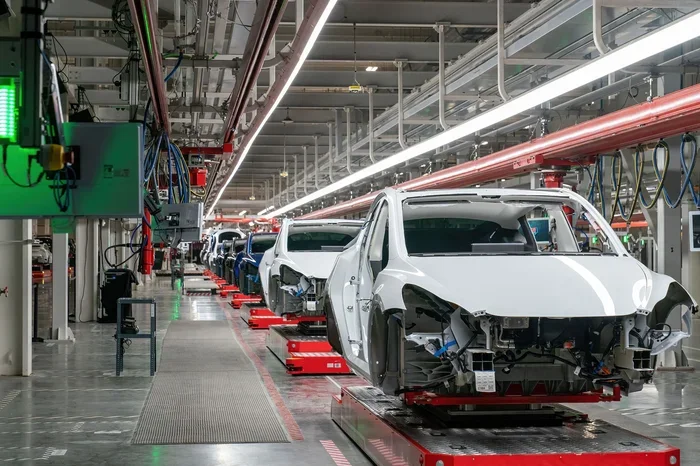
To understand how many cars Tesla sells a year, you need to understand where they are made. Tesla operates several massive factories, known as Gigafactories, around the world. These facilities are the backbone of the company’s production system.
Gigafactory Nevada and Texas
Tesla’s first major factory in the United States is Gigafactory Nevada, which opened in 2016. It produces battery cells and assembles Model 3 and Model Y vehicles. In 2022, Tesla opened Gigafactory Texas, which has become the company’s main production hub for North America.
The Texas factory builds both the Model Y and the Cybertruck. It also serves as Tesla’s headquarters. Having production in the US helps Tesla avoid import tariffs and respond quickly to changes in demand.
Gigafactory Shanghai
Tesla’s Gigafactory Shanghai is one of the most important production facilities in the world. It was built in just over a year, which is an incredible feat. The Shanghai factory produces Model 3 and Model Y vehicles for the Chinese market and for export to Europe and other regions.
China is the world’s largest auto market, and having a factory there gives Tesla a huge advantage. The Shanghai facility helps keep production costs low and delivery times short for customers in Asia and beyond.
Gigafactory Berlin-Brandenburg
Tesla’s European factory, Gigafactory Berlin-Brandenburg, opened in 2022. It produces the Model Y for the European market. The factory creates thousands of jobs and represents Tesla’s commitment to the European EV market.
Having a European production site helps Tesla avoid trade barriers and shipping costs. It also allows the company to respond faster to changes in European regulations and consumer preferences.
Tesla’s Sales Growth and What It Means
Tesla’s annual car sales have grown faster than almost any other automaker in history. But what does this growth actually mean for the company and the industry?
Revenue Growth
More cars sold means more revenue. Tesla’s annual revenue has skyrocketed over the past decade. In 2020, the company generated about $31.5 billion in revenue. By 2023, that number had grown to over $96 billion. This incredible growth has made Tesla one of the most valuable companies in the world.
Investors love Tesla’s sales growth because it signals strong demand and a competitive advantage. When Tesla reports strong quarterly delivery numbers, its stock price often rises. Conversely, disappointing delivery reports can cause sharp drops.
Market Share in the EV Space
Tesla holds a significant share of the global electric vehicle market. While the exact percentage varies by region, Tesla has historically been the leader in EV sales. However, competition is catching up fast.
Companies like BYD from China, and legacy automakers like Ford, Volkswagen, and Hyundai, are all investing heavily in electric vehicles. Tesla’s market share may shrink as these competitors release more affordable and feature-rich EVs.
Challenges to Continued Growth
Tesla’s sales growth has slowed in recent quarters. Price cuts in 2023 and 2024 helped boost volume but hurt profit margins. The company also faces challenges like supply chain disruptions, regulatory scrutiny, and the need to develop new models.
Additionally, Tesla must convince buyers that its vehicles remain the best choice in a crowded EV market. New competitors are offering more options at lower prices, which puts pressure on Tesla to innovate and deliver.
How Tesla’s Sales Compare to Traditional Automakers
When you look at how many cars Tesla sells a year, it is helpful to compare those numbers to traditional automakers. The comparison is both impressive and humbling.
For context, Toyota sold about 11.2 million vehicles in 2023. Volkswagen sold around 9.2 million. Ford sold roughly 4.3 million. Even GM, which sold about 6.2 million vehicles, produced more cars than Tesla.
But here is the key point: Tesla is a much younger company. It has only been selling cars for about 12 years. Most traditional automakers have been making cars for over a century. Tesla’s rapid growth shows just how fast the world is shifting toward electric vehicles.
Also, Tesla sells only electric vehicles. Traditional automakers sell a mix of gas-powered cars, trucks, SUVs, and EVs. As legacy brands increase their EV production, the competition will get even tougher for Tesla.
A Quick Comparison Table
Here is a simple look at how Tesla’s annual sales stack up against some major automakers:
- Toyota (2023): 11.2 million vehicles (all powertrains)
- Volkswagen (2023): 9.2 million vehicles (all powertrains)
- GM (2023): 6.2 million vehicles (all powertrains)
- Ford (2023): 4.3 million vehicles (all powertrains)
- Tesla (2023): 1.81 million vehicles (electric only)
As you can see, Tesla’s numbers are smaller in total volume. But the company sells only EVs, and its growth rate far exceeds most traditional automakers. That is a powerful position in a rapidly changing industry.
What Tesla’s Sales Tell Us About the EV Market
Tesla’s yearly vehicle sales are more than just a company metric. They are a window into the health of the entire electric vehicle market. When Tesla sells more cars, it signals that consumers are embracing EVs.
Consumer Confidence in Electric Vehicles
Tesla’s strong sales show that buyers are ready to go electric. Range anxiety, charging infrastructure, and vehicle performance are no longer the barriers they once were. Tesla has proven that EVs can be practical, fun, and reliable daily drivers.
As more people see Teslas on the road, curiosity grows. Word of mouth plays a huge role in EV adoption. A happy Tesla owner often becomes an ambassador for the brand, which helps drive even more sales.
Government Policy and Incentives
Government incentives for EVs have played a big role in Tesla’s sales growth. Tax credits, rebates, and zero-emission mandates in various countries have made electric vehicles more attractive to buyers.
However, changes in policy can also affect sales. For example, when the US EV tax credit was updated, it changed which vehicles qualified. Tesla had to adjust its pricing and strategy to stay eligible for incentives in key markets.
The Road Ahead for Tesla Sales
Looking ahead, Tesla has several new vehicles in development. The company is working on a more affordable EV, often referred to as the “Model 2” or “Redwood.” This vehicle could open Tesla’s sales to an even wider audience.
Tesla is also expanding its energy business, including solar panels and battery storage. While car sales remain the core of the business, these additional products could drive future growth.
One thing is clear: how many cars Tesla sells a year will continue to be a key indicator of the EV industry’s health. The company’s ability to innovate, scale production, and maintain quality will determine its future success.
Quick Tips for Tracking Tesla Sales Data
If you want to keep up with Tesla’s latest numbers, here are some practical tips:
- Watch quarterly earnings reports: Tesla releases delivery numbers every quarter. These reports give you the most up-to-date picture of sales performance.
- Follow Tesla’s official blog: Tesla often publishes delivery milestones and updates on its blog. This is the most direct source of information.
- Check financial news sites: Websites like Bloomberg, Reuters, and CNBC cover Tesla’s sales data in detail. They often provide analysis and context.
- Join Tesla owner communities: Online forums and social media groups often share insights and rumors about upcoming production and sales trends.
- Compare year-over-year data: Look at sales figures across multiple years to spot trends and understand growth patterns.
Common Mistakes People Make When Interpreting Tesla Sales Numbers
There are a few pitfalls to watch out for when looking at Tesla’s delivery data:
- Confusing deliveries with orders: A delivery means the car has been handed to the customer. An order is just a reservation. Always check which metric is being reported.
- Ignoring regional differences: Tesla’s sales vary a lot by region. China and the US are the two largest markets, but Europe and other regions also contribute significantly.
- Overlooking price cuts: When Tesla cuts prices, delivery numbers often spike. But this does not always mean demand is growing. It can also mean Tesla is trying to clear inventory.
- Assuming linear growth: Tesla’s sales have grown fast, but the pace has not been perfectly smooth. There have been quarters of decline and recovery. Look at the big picture.
Expert Insights: What Analysts Say About Tesla’s Future Sales
Industry analysts have mixed views on Tesla’s sales trajectory. Some believe the company will continue to grow as new models launch and production scales up. Others worry about increasing competition and market saturation.
One thing most analysts agree on is that Tesla’s brand power remains strong. The company has a loyal customer base and a strong reputation for innovation. This gives Tesla an edge over newer competitors.
Another key factor is Tesla’s ability to reduce costs. The company has invested heavily in manufacturing efficiency, battery technology, and supply chain optimization. These efforts help Tesla maintain margins even when cutting prices to boost volume.
Most experts also point to Tesla’s energy business as an underappreciated growth area. As the world moves toward renewable energy, Tesla’s batteries and solar products could become a significant revenue driver alongside car sales.
Conclusion
So, how many cars does Tesla sell a year? The answer is over 1.8 million vehicles as of 2023, with continued growth expected in the years ahead. Tesla has come a long way from its early days of selling a few hundred cars. Today, it is a global leader in electric vehicle production and sales.
Tesla’s annual sales figures tell a story of rapid innovation, strong consumer demand, and a company that refuses to stand still. The Model 3 and Model Y have proven that electric vehicles can appeal to the masses. Tesla’s global network of Gigafactories ensures that the company can meet demand in key markets around the world.
Looking ahead, Tesla faces both opportunities and challenges. New competitors are entering the EV space, and consumer preferences are evolving. But Tesla’s strong brand, loyal customer base, and commitment to innovation position it well for continued success.
If you care about the future of transportation, keeping an eye on Tesla’s yearly sales is a great place to start. The numbers tell a bigger story about where the world is heading: toward cleaner, smarter, and more efficient vehicles.
Frequently Asked Questions
How many cars did Tesla sell in 2023?
Tesla delivered over 1.81 million vehicles globally in 2023. This represented strong year-over-year growth and marked another record year for the company. The Model Y and Model 3 accounted for the majority of these deliveries.
What is Tesla’s best-selling model?
The Model Y and Model 3 are Tesla’s best-selling models by a wide margin. Both vehicles are popular because they offer great range, affordable pricing, and strong performance. Together, they make up the vast majority of Tesla’s annual sales.
How does Tesla’s annual sales compare to other EV makers?
Tesla is the largest EV manufacturer by sales volume globally. Companies like BYD, Ford, and Volkswagen are growing their EV divisions, but Tesla still leads in total electric vehicle deliveries. However, BYD has been closing the gap in recent years.
Why do Tesla’s quarterly delivery numbers matter?
Tesla’s quarterly delivery numbers are closely watched by investors and analysts. These figures provide insight into demand, production efficiency, and market trends. Strong delivery reports often boost Tesla’s stock price, while weak reports can cause it to drop.
Will Tesla’s sales continue to grow in the future?
Most industry experts expect Tesla’s sales to continue growing, though perhaps at a slower pace than in recent years. New model launches, expanded production capacity, and growing EV adoption worldwide all support future growth. However, increased competition remains a key factor to watch.
Where does Tesla sell the most cars?
The United States and China are Tesla’s two largest markets by a significant margin. Europe is also a major market, with the Berlin Gigafactory helping supply vehicles to the region. Together, these three regions account for the vast majority of Tesla’s annual deliveries.