How Many Batteries Does a Jeep Compass Have the Answer
Most Jeep Compass models come with one main 12-volt battery, but certain trims and hybrid versions include a second battery. Knowing how many batteries does a Jeep Compass have helps you maintain your vehicle properly and avoid unexpected breakdowns. Whether you own a standard gasoline model or a plug-in hybrid 4xe variant, understanding your battery setup is essential for long-term reliability.
When you own a Jeep Compass, one of the simplest yet most overlooked maintenance questions is how many batteries does a Jeep Compass have. The answer might surprise you depending on the model year, trim level, and powertrain type. Most standard Jeep Compass vehicles come with a single 12-volt battery, but certain versions, especially hybrid models, include more than one. Understanding your battery setup is the first step toward keeping your vehicle running strong and avoiding unexpected surprises on the road.
Your Jeep Compass battery plays a vital role in starting the engine, powering electronics, and keeping everything electrical running smoothly. Whether you are dealing with a dead battery on a cold morning or simply planning for future maintenance, knowing the basics about your battery setup gives you confidence. This guide breaks down everything you need to know about the battery configuration, location, specifications, and care for your Jeep Compass.
We will walk through each detail in plain language so you never have to guess again. From the standard single-battery setup to the dual-battery arrangements found in newer hybrid models, you will find clear answers here. Let us dive into the world of Jeep Compass batteries and make sure you are fully informed.
Key Takeaways
- Standard models use one 12-volt battery: Most Jeep Compass vehicles come equipped with a single main battery located in the engine bay.
- Hybrid and certain trims may have two batteries: The Jeep Compass 4xe plug-in hybrid includes a high-voltage battery and a 12-volt auxiliary battery.
- Battery location is easy to find: The main battery sits in the engine compartment on the driver’s side, making access straightforward.
- Knowing your battery group size matters: Using the correct battery group size ensures proper fit and performance.
- Watch for warning signs: Slow cranking, dim lights, and a battery warning light are clear signals your battery may need attention.
- Regular maintenance extends battery life: Simple habits like cleaning terminals and checking charge levels can add years to your battery lifespan.
- Replacement is manageable DIY: With basic tools and a little guidance, you can replace your Jeep Compass battery at home.
📑 Table of Contents
- Understanding How Many Batteries Does a Jeep Compass Have
- Battery Location and How to Find It
- Battery Specifications You Should Know
- Warning Signs Your Jeep Compass Battery Needs Attention
- How to Replace the Battery in Your Jeep Compass
- Expert Tips for Keeping Your Battery Healthy
- Final Thoughts on Your Jeep Compass Battery
Understanding How Many Batteries Does a Jeep Compass Have
The straightforward answer is that most Jeep Compass models come with one battery. However, the full picture is a bit more nuanced than that. The number of batteries depends largely on the engine type, model year, and whether your vehicle has start-stop technology or hybrid components.
The Standard Single Battery Setup
The vast majority of Jeep Compass vehicles on the road today use a single 12-volt battery. This battery handles all the standard electrical needs of the vehicle. It starts the engine, powers the lights, runs the infotainment system, and keeps all sensors and computers functioning. This setup has been the norm across most model years and trims, including the Sport, Latitude, and Limited editions.
For owners of standard gasoline-powered Jeep Compass models, there is no need to worry about a second battery. The single 12-volt unit does all the heavy lifting. This makes battery maintenance and replacement simple and straightforward. You just need to know where it is and what to look for when it is time for a new one.
When a Second Battery Comes Into Play
Now here is where things get interesting. Certain Jeep Compass models, particularly those equipped with mild hybrid systems or start-stop technology, include an auxiliary battery. This second battery serves a specific purpose. It powers the vehicle’s electrical systems while the engine is off, such as when you are stopped at a traffic light with the start-stop system active.
The auxiliary battery also helps manage the electrical load so the main battery does not drain too quickly. Think of it as a support player that keeps things running smoothly behind the scenes. Not every Jeep Compass has this setup, so it is important to check your specific model and year to know for sure.
The Jeep Compass 4xe plug-in hybrid variant is a different story entirely. This model has both a standard 12-volt battery and a high-voltage lithium-ion battery pack. The high-voltage battery powers the electric motor and provides additional fuel efficiency. The 12-volt battery still handles starting the vehicle and running auxiliary systems. So in the case of the 4xe, the answer to how many batteries does a Jeep Compass have is two, but they serve very different purposes.
Battery Location and How to Find It
Knowing where your battery is located saves you time and stress when you need to check it or replace it. In the Jeep Compass, the battery placement is fairly standard across most model years.
Where Is the Battery Located?
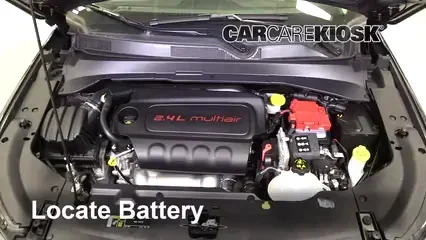
The main 12-volt battery in a Jeep Compass is located in the engine bay, typically on the driver’s side. You do not need to be a mechanic to find it. Pop the hood, look toward the front-left area, and you will see a rectangular box with two terminals on top. The battery is usually secured with a bracket or strap to keep it in place during driving.
For models with an auxiliary battery, the second battery may be located in a different spot, often near the rear of the vehicle or in the trunk area. This placement helps balance the weight distribution and keeps the auxiliary battery close to the electrical systems it supports. If you are unsure where your auxiliary battery is, check your owner’s manual for the exact location.
What Does the Battery Look Like?
A standard Jeep Compass battery is a top-post battery, meaning the positive and negative terminals stick up from the top of the battery case. The battery is typically dark gray or black and has a plastic casing that protects the internal components. On most models, the battery group size is Group 51 or Group 51R, though this can vary slightly depending on the year and trim.
When you open the hood, the battery should be easy to spot. It is usually the largest single component in the engine bay area. The terminals will have red and black cable clamps attached. The positive terminal is marked with a plus sign and often has a red cover, while the negative terminal has a minus sign and is typically black.
Battery Specifications You Should Know
Understanding your battery specifications helps you choose the right replacement and maintain optimal battery health. Here are the key details every Jeep Compass owner should know.
Battery Group Size and Dimensions
The battery group size for most Jeep Compass models is Group 51 or Group 51R. This refers to the physical dimensions and terminal placement of the battery. Using the correct group size ensures a proper fit in the battery tray and correct alignment with the terminals and cables.
Group 51 batteries are slightly different from Group 51R batteries in terms of terminal orientation. Group 51 has the positive terminal on the left, while Group 51R has it on the right. Always double-check your owner’s manual or look at your existing battery before purchasing a replacement. Putting in the wrong group size can lead to cable alignment issues and potential damage.
Cold Cranking Amps and Reserve Capacity
Cold cranking amps, or CCA, is a measure of how well your battery can start the engine in cold weather. For Jeep Compass models, a battery with between 400 and 600 CCA is typically recommended. If you live in a colder climate, aim for the higher end of that range to ensure reliable starts during winter months.
Reserve capacity tells you how long the battery can power your vehicle’s electrical systems if the alternator fails. A higher reserve capacity gives you more time to get to a safe location or a repair shop. Look for a battery with a reserve capacity of at least 90 minutes for best results.
The battery capacity for most Jeep Compass units falls in the range of 45 to 60 amp-hours. This measurement indicates how much energy the battery can store. A higher capacity battery generally lasts longer between charges, but it must fit properly in the battery tray.
Warning Signs Your Jeep Compass Battery Needs Attention
Batteries do not always fail without warning. Paying attention to early signs can save you from getting stranded. Here are the most common symptoms that your Jeep Compass battery may be on its way out.
Common Symptoms of a Failing Battery
The first and most obvious sign is slow engine cranking. When you turn the key or push the start button, the engine turns over slowly or reluctantly. This is a classic indicator that the battery does not have enough charge to start the engine quickly.
Another warning sign is dimming headlights or interior lights, especially when the engine is idling. If you notice the lights get brighter when you rev the engine but dim when you slow down, your battery may not be holding a proper charge. A dashboard battery warning light is also a clear signal. This light looks like a rectangular box with plus and minus symbols and should never be ignored.
You might also notice electrical issues such as power windows moving slowly, the infotainment system flickering, or the radio losing presets. These seemingly small issues can point to a battery that is struggling to maintain adequate voltage.
What Causes Premature Battery Failure?
Several factors can shorten your battery lifespan. Extreme temperatures, both hot and cold, are the biggest culprits. High heat causes the battery fluid to evaporate faster, while cold weather reduces the battery’s ability to hold a charge.
Short trips are another common cause of battery drain. If you frequently drive distances under ten minutes, the alternator may not have enough time to fully recharge the battery. Over time, this creates a cycle of partial charges that gradually weakens the battery.
Corrosion on the battery terminals is also a serious concern. White or blue-green buildup around the terminals creates resistance and prevents proper electrical flow. Regularly inspecting and cleaning the terminals can prevent this problem from worsening. Leaving accessories like lights or the radio on when the engine is off will also drain the battery faster than normal.
How to Replace the Battery in Your Jeep Compass
Replacing the battery in your Jeep Compass is one of the most manageable DIY tasks you can tackle. With the right tools and a little patience, you can complete the job in under 30 minutes.
Tools You Will Need
Before you start, gather these basic tools and materials:
- A combination wrench set, typically 10mm and 13mm sizes
- A battery terminal cleaner or wire brush
- Anti-corrosion spray or terminal protectant
- A new battery that matches your group size and CCA specifications
- Safety gloves and safety glasses
- A battery tester or multimeter (optional but helpful)
Make sure the new battery matches the specifications outlined in your owner’s manual. Using the wrong battery can lead to poor performance or even damage to the electrical system. If you are unsure about the correct battery, consult a dealership or auto parts store with your vehicle information.
Step-by-Step Replacement Process
Start by turning off the engine and all electrical accessories. Open the hood and locate the battery on the driver’s side of the engine bay. Begin by disconnecting the negative terminal first. Use your wrench to loosen the nut on the negative cable clamp and carefully lift the cable off the terminal. Always disconnect the negative terminal first to prevent short circuits.
Next, disconnect the positive terminal using the same method. Once both cables are removed, unhook the battery hold-down bracket or strap. Carefully lift the old battery out of the tray. Batteries can weigh around 30 to 40 pounds, so use both hands and lift with your legs, not your back.
Before placing the new battery, clean the battery tray and terminals with a wire brush or battery cleaner. Remove any corrosion or debris. Place the new battery in the tray, making sure the terminals are oriented correctly. Secure the hold-down bracket or strap tightly.
Now connect the positive terminal first, followed by the negative terminal. Tighten the nuts firmly but do not over-tighten. Apply a thin layer of anti-corrosion spray to both terminals to protect against future buildup. Start the engine and verify that everything powers on correctly. If your vehicle has a battery monitoring system, it may need to be reset after replacement.
Expert Tips for Keeping Your Battery Healthy
Prevention is always better than cure when it comes to battery care. A few simple habits can significantly extend your battery lifespan and keep you from dealing with unexpected failures.
Maintenance Habits That Help
Make it a habit to inspect your battery terminals every few months. Look for any signs of corrosion, which appears as a white or greenish powdery substance around the terminals. If you spot corrosion, disconnect the terminals and clean them with a mixture of baking soda and water. Use a wire brush to scrub away any buildup, then rinse with clean water and dry thoroughly before reconnecting.
Keep your battery securely fastened at all times. Vibrations from driving can damage the internal plates and shorten battery life. Check the hold-down bracket periodically to make sure it is tight and the battery does not shift in the tray.
If you drive your Jeep Compass infrequently or only take short trips, consider using a battery maintainer or trickle charger. These devices keep the battery at full charge during periods of inactivity. They are especially useful for vehicles that sit parked for extended periods, such as seasonal or weekend cars.
When to Seek Professional Help
While battery replacement is a straightforward DIY job, there are times when professional help makes sense. If you notice persistent electrical issues even after replacing the battery, the problem may lie with the alternator or the vehicle’s charging system. A certified mechanic can test the alternator output and diagnose any underlying electrical problems.
Many auto parts stores offer free battery testing services. You can bring your vehicle in and they will check the battery health, CCA rating, and charge level. This is a quick and easy way to know whether your battery needs replacement or if the issue is something else entirely. If your battery is more than three to five years old, it is worth getting it tested regularly as part of routine maintenance.
Also, keep track of your battery warranty. Most quality batteries come with a warranty period ranging from 12 months to 60 months or more. If your battery fails within the warranty period, you may be eligible for a free or discounted replacement. Always save your receipt and keep the warranty documentation in a safe place.
Final Thoughts on Your Jeep Compass Battery
So how many batteries does a Jeep Compass have? The answer is one for most standard models and two for hybrid or mild hybrid versions. Whether your vehicle has a single 12-volt battery or a dual-battery setup, understanding your electrical system is key to keeping your Jeep Compass running reliably. Regular maintenance, proper battery selection, and attention to warning signs go a long way in maximizing your battery lifespan.
Taking care of your battery does not have to be complicated. A little awareness and a few simple habits can prevent most common battery problems. From knowing where the battery is located to understanding when it is time for a replacement, you now have the knowledge to handle your Jeep Compass battery with confidence. Stay proactive, keep an eye on the warning signs, and your battery will serve you well for years to come.
Frequently Asked Questions
Do all Jeep Compass models have the same battery?
No, battery specifications can vary slightly depending on the model year, engine type, and trim level. Most standard models use a Group 51 or Group 51R battery, but it is always best to check your owner’s manual for the exact specifications. The 4xe hybrid model uses a different battery setup that includes both a 12-volt battery and a high-voltage battery pack.
How long does a Jeep Compass battery typically last?
A Jeep Compass battery generally lasts between three and five years. However, driving habits, climate, and maintenance practices can significantly affect battery lifespan. If you live in an extreme climate or frequently take short trips, your battery may need replacement sooner. Regular testing after the three-year mark is a good practice.
Can I drive my Jeep Compass with a dead battery?
No, a dead battery means your vehicle will not start. You will need a jump start from another vehicle or a portable jump starter to get the engine running again. After a jump start, drive the vehicle for a sufficient amount of time to allow the alternator to recharge the battery. If the battery is old or damaged, it may not hold a charge even after jumping.
Is it safe to replace the battery myself?
Yes, replacing the battery in a Jeep Compass is a safe and straightforward DIY task for most people. Just remember to disconnect the negative terminal first and reconnect it last. Wear safety gloves and glasses to protect yourself from any acid or corrosion. If you are uncomfortable with any part of the process, a professional mechanic can handle the replacement quickly and affordably.
What should I do if my battery keeps dying?
A battery that keeps dying usually points to an underlying issue. It could be a faulty alternator that is not charging the battery properly, a parasitic electrical drain, or a short circuit in the wiring. Have a mechanic test the charging system and inspect for parasitic draws. Replacing the battery alone will not solve the problem if the root cause is not addressed.
Does cold weather affect my Jeep Compass battery?
Yes, cold weather has a significant impact on battery performance. Low temperatures reduce the battery’s ability to deliver power, which makes starting the engine harder. The CCA rating of your battery becomes especially important in cold climates. If you live in a region with harsh winters, consider using a battery with a higher CCA rating and keep your battery fully charged during the cold months.