How Do I Know If My Key Fob Needs Reprogramming Today
How Do I Know If My Key Fob Needs Reprogramming? is a common question for car owners. This guide covers the clear signs your remote is failing, from unresponsive buttons to security warnings. You’ll learn simple DIY checks and when to seek key fob reprogramming services today.
Have you ever pressed the unlock button and nothing happened? That sinking feeling is familiar to many drivers. The remote might be just a few feet away, but the car doesn’t respond. It’s a small annoyance that can quickly turn into a big problem.
If you’ve ever asked yourself, How Do I Know If My Key Fob Needs Reprogramming, you’re not alone. This simple question hides a world of electrical signals, tiny batteries, and vehicle-specific security systems. The good news is that most key fob issues are easy to spot and often fixable.
Knowing the early warning signs saves you time and money. You’ll learn what to watch for, when to try a quick fix, and when to call a pro. This guide walks you through everything you need to know about key fob reprogramming today.
Key Takeaways
- Recognize the Warning Signs: Unresponsive buttons, dashboard alerts, and short range often mean your key fob needs reprogramming.
- Try Simple Fixes First: A dead battery or weak signal can mimic reprogramming issues. Always check the battery and clean contacts.
- Know the Reprogramming Methods: You can use an OBD-II scanner, follow a self-programming sequence, or visit a dealer or locksmith.
- Compare Costs and Convenience: DIY methods save money, but a professional ensures accuracy for complex systems.
- Prevent Future Problems: Regular battery replacement and avoiding signal interference keep your remote working smoothly.
- When in Doubt, Call an Expert: If the car won’t start or the security light stays on, seek professional key fob reprogramming help.
📑 Table of Contents
How Do I Know If My Key Fob Needs Reprogramming? 5 Clear Signs
Your car’s remote key fob works hard every day. It locks the doors, opens the trunk, and sometimes starts the engine. When it starts to fail, it’s usually not a mystery. Here are the five clearest signs that your fob needs a fresh programming session.
Unresponsive Buttons or Delayed Response
The first red flag is a button that just doesn’t work. You press the unlock key and wait. Nothing happens. Or the car responds after a long pause. This delay often means the fob’s signal is weak or the internal circuit is failing. A quick test is to stand right next to the car and press the button. If it still lags, the fob likely needs reprogramming.
Warning Lights on the Dashboard
Modern cars have smart security systems. When the key fob can’t communicate properly, the dashboard lights up. You might see a key-shaped icon or a security warning. These lights tell you the car’s immobilizer doesn’t recognize the fob. It’s a clear sign that the remote key needs to be resynced or reprogrammed.
The Key Fob Works Only at Very Close Range
A healthy fob should work from 10 to 30 feet away. If you have to press the button while touching the door handle, something is wrong. This short range is a classic range issue. It often happens when the fob’s signal strength drops. Reprogramming can sometimes restore the full range, especially if the battery is still good.
Security Alarm Triggers Randomly
Does your car alarm go off for no reason? A fob that sends mixed signals can confuse the car’s security system. The system might think someone is trying to break in. This false alarm is annoying and can drain your battery. Reprogramming the fob often fixes this by resetting the communication handshake.
The Car Won’t Start Even With a Good Battery
If you turn the ignition and the engine doesn’t crank, the fob could be the culprit. A dead key fob battery causes this, but a reprogramming issue can do the same. The car’s transponder chip in the fob must match the engine’s immobilizer. When that link breaks, the car won’t start. This is a serious sign that needs quick attention.
Simple DIY Checks Before You Reprogram
Before you pay for a reprogramming service, try a few easy steps. Many people mistake a simple fix for a complex reprogramming need. These checks take only a few minutes.
Replace the Key Fob Battery First
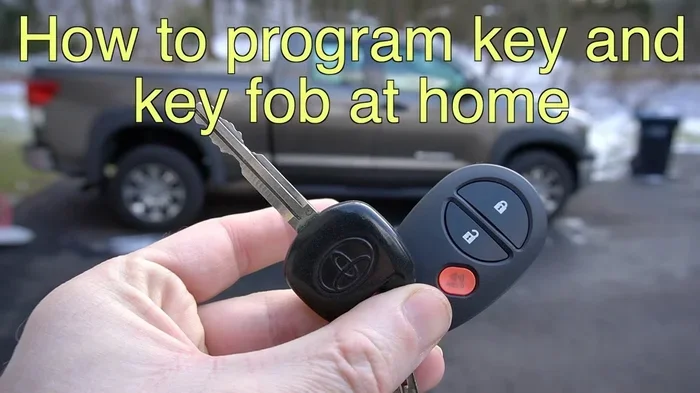
A weak dead battery is the number one cause of fob failure. Most fobs use a small CR2025 or CR2032 coin cell. Swapping it out often solves the problem. Open the fob case, remove the old battery, and insert a new one of the same type. This simple act can restore full function without any programming.
Check for Signal Interference
Sometimes the problem isn’t the fob. Other electronic devices can block the signal. A laptop charger, a phone case with a magnet, or even a nearby radio tower can cause signal interference. Try moving to a different spot and pressing the button again. If it works there, the original spot had interference, not a fob issue.
Clean the Key Fob Contacts
Dust and moisture can build up on the fob’s internal contacts. Use a cotton swab with a little rubbing alcohol to gently clean the metal contacts inside the fob. Let it dry completely, then reassemble and test. Clean contacts often fix intermittent button problems that look like a reprogramming need.
Quick Tip: Always carry a spare fob. If your main fob acts up, the spare can help you rule out a simple battery issue. Many drivers don’t realize the spare is also affected by the same problem.
How Reprogramming Works: What to Expect
Reprogramming means teaching your car to recognize the fob again. It’s like giving the car a new password. The process varies by car brand and model. Here are the three main ways it’s done.
The OBD-II Method
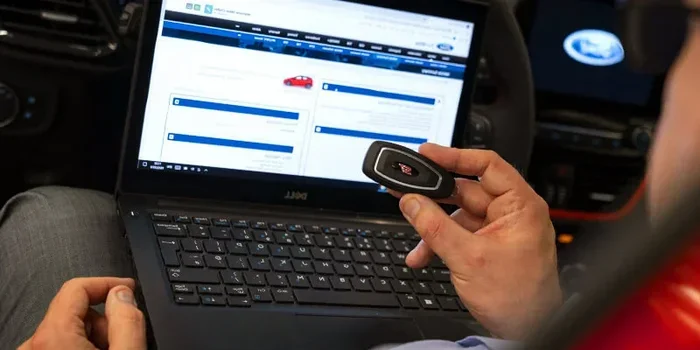
This is the most common professional method. A mechanic plugs a handheld onboard diagnostics scanner into the car’s OBD-II port. The port is usually under the steering wheel. The scanner reads the car’s security module and writes new fob codes to it. This method works for almost all modern vehicles and takes about 15 minutes.
Self-Programming Sequences
Many cars let you reprogram the fob yourself. You usually need to cycle the ignition on and off a certain number of times. Then you press buttons on the fob in a specific order. The car’s dashboard lights will flash to confirm the new code. Check your owner’s manual for the exact steps. This method is free and easy if you follow the instructions carefully.
Dealer vs. Locksmith Programming
You have two main options for professional help. The car dealer has factory tools and original software. They can program any fob, including aftermarket fob models. A mobile locksmith often uses the same OBD-II tools but can come to you. Locksmiths usually cost less and offer faster service. Here’s a quick comparison.
| Feature | Dealer Programming | Locksmith Programming |
|---|---|---|
| Cost | Higher (often $100–$300) | Lower (often $50–$150) |
| Speed | May require appointment | Mobile, often same-day |
| Equipment | Factory-specific tools | Universal OBD-II scanners |
| Aftermarket Fobs | Usually not needed | Can program most brands |
| Convenience | Drive to the dealer | Come to your location |
Most locksmiths can handle key fob reprogramming for common brands like Toyota, Honda, Ford, and Chevrolet. They also stock replacement fobs on the spot. This saves you the trip to the dealer and the wait time.
Expert Insight: Always ask if the locksmith or dealer can program your specific fob model before you arrive. Some older or rare cars need special equipment. A quick phone call saves you a wasted trip.
When You Should Call a Professional
DIY fixes work for many fob problems. But some situations call for a trained expert. Knowing when to make that call keeps you safe and prevents further damage.
After a Battery Replacement or Key Replacement
If you replaced the fob battery and the car still doesn’t recognize the fob, reprogramming is the next step. The battery change can sometimes reset the fob’s memory. A simple reset key fob procedure often fixes this. But if the car still shows a security light, a professional needs to sync the fob again.
Lost or Damaged Key Fob Issues
Losing your only fob is stressful. You’ll need a new fob cut and programmed to match your car’s immobilizer. A locksmith can create a new fob and program it on the spot. If the fob is physically damaged—like cracked casing or water damage—you’ll likely need a replacement plus full reprogram remote services.
The Car Won’t Start and No Dash Lights
This is a serious sign. If the ignition doesn’t even turn on, the problem might be deeper than the fob. A professional can test the vehicle security system and the fob’s transponder chip. They have the tools to diagnose whether it’s a fob issue or a car electrical problem.
Common Mistake: Don’t try to program a new fob without erasing the old one first. Many cars only accept one active fob at a time. If you add a new fob without removing the old code, the car may reject both. Always follow the exact sequence in the owner’s manual.
Preventing Future Key Fob Problems
Once your fob is working again, a little care keeps it that way. Preventive habits extend the life of your keyless entry system and reduce the need for future reprogramming.
Regular Maintenance Tips
- Replace the battery every 2 years. Even if the fob still works, a fresh battery prevents sudden failure.
- Keep the fob dry. Moisture kills electronics. Don’t leave it in a damp pocket or near liquids.
- Store it away from strong magnets. Magnets can erase the fob’s internal memory and sync fob data.
- Clean the contacts gently. A quick wipe with alcohol every few months removes corrosion.
Keeping Your Remote Signal Strong
The fob’s signal strength matters. Avoid placing the fob near large metal objects or thick walls. When unlocking the car, hold the fob close to the door handle. If you notice the range getting shorter, it’s time to check the battery or consider a reprogramming session. Catching the problem early saves you from being locked out.
Quick Tip: If you have a spare fob, test it regularly. A spare that also fails means the problem is with the car’s receiver, not just one fob. That’s a different issue that needs a mechanic’s diagnosis.
Conclusion
Figuring out how do I know if my key fob needs reprogramming doesn’t have to be stressful. You now know the five clear warning signs, from unresponsive buttons to dashboard security lights. You’ve seen the simple DIY checks you can do first, like swapping the battery and cleaning contacts. You also understand the reprogramming methods, from self-programming sequences to professional OBD-II scanning.
Remember that a little prevention goes a long way. Keep the battery fresh, store the fob properly, and address small issues before they become big problems. If the car won’t start or the security light stays on, don’t hesitate to call a locksmith or dealer. They have the right tools to get your key fob reprogramming done right.
Your fob is the bridge between you and your car. Treat it well, and it will keep you moving smoothly. Use this guide the next time your remote acts up, and you’ll be back on the road in no time.
Frequently Asked Questions
Can I reprogram my key fob myself?
Yes, many cars allow self-programming. You’ll need to follow a specific sequence in your owner’s manual, usually involving the ignition and fob buttons. If you feel unsure, a locksmith or dealer can do it quickly and correctly.
How much does key fob reprogramming cost?
Cost varies. DIY self-programming costs nothing. A locksmith typically charges $50 to $150. Dealers may charge $100 to $300. The price depends on your car brand and the fob type.
Why does my key fob work sometimes but not others?
This is often a range issue or a weak battery. Signal interference from other electronics can also cause intermittent failure. Try replacing the battery first, then clean the contacts. If the problem continues, reprogramming may be needed.
What is the difference between a transponder and a regular key fob?
A transponder has a small chip that sends a unique code to the car’s immobilizer. A regular fob only sends a lock/unlock signal. If your car has a transponder, the fob must be programmed to match that specific code for the engine to start.
How often should I replace my key fob battery?
Most fob batteries last 2 to 3 years. Replace it proactively every two years to avoid sudden failure. If you notice the range getting shorter, change the battery immediately.
Can a locksmith reprogram any key fob?
Most locksmiths can program fobs for common car brands. They use universal OBD-II tools that support many models. For rare or luxury vehicles, a dealer with factory software may be required. Always confirm with the locksmith before visiting.