Can I Program a Key Fob Myself Yes You Absolutely Can
Yes, you can program a key fob yourself in most cases, and it is easier than you might think. Programming a key fob yourself can save you hundreds of dollars compared to dealer costs. This guide walks you through every step with clear instructions and practical tips. Key fob programming is now accessible to regular car owners with basic tools and patience. Read on to learn how to take control of your vehicle’s remote key system.
Have you ever stood in your driveway, staring at your car, wondering if you really need to pay a dealer just to get a new key fob working? The answer might surprise you. Can I program a key fob myself? The short answer is yes. With the right approach, most car owners can handle key fob programming without ever leaving their garage.
The process has become much simpler over the years. Car manufacturers know that people want convenience. Many vehicles now come with built-in self-programming features. You do not need to be a mechanic or a tech expert. A little patience and this guide are all you need. Let us walk through everything you need to know about programming a key fob yourself.
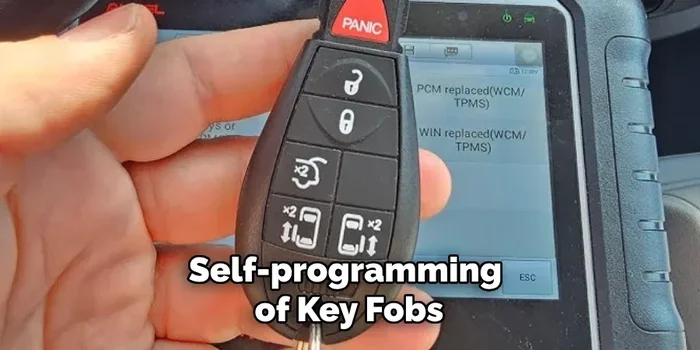
Before we dive in, let us talk about what you are dealing with. A remote key fob is a small handheld device that lets you lock, unlock, and sometimes start your car from a distance. Inside that little plastic case is a tiny computer chip. This chip sends a coded signal to your vehicle. When the car receives the right signal, it responds by unlocking the doors or starting the engine. Can I program a key fob myself is a question many drivers ask because replacing a fob through a dealer can cost between $200 and $500 or even more.
The good news is that DIY key programming has become widely supported across many vehicle brands. Whether you drive a sedan, SUV, or truck, there is a good chance you can handle the job yourself. This article covers everything from basic steps to troubleshooting tips. By the end, you will feel confident about tackling your own key fob programming project.
Key Takeaways
- You Can Do It Yourself: Most modern vehicles allow key fob programming at home with simple steps.
- Save Significant Money: DIY programming avoids costly dealer fees that can exceed $100 or more.
- Check Your Owner Manual First: Every vehicle has unique steps for programming a key fob yourself.
- Common Mistakes Happen: Timing and button sequences are the most frequent issues beginners face.
- Know When to Call a Pro: Some vehicles require specialized equipment that only professionals have.
- Battery Matters: A weak key fob battery can cause programming failures and signal problems.
- Aftermarket Options Exist: Universal remote key fobs work with many vehicles and cost much less.
📑 Table of Contents
What Is a Key Fob and How Does It Work?
A key fob is more than just a fancy remote. It is a small electronic device that communicates with your car using radio frequency signals. Most modern vehicles use what is called a transponder key system. This system adds an extra layer of security to prevent theft. The chip inside your key or fob sends a unique identification code to your car. If the code matches, the vehicle allows the engine to start.
The vehicle security system has evolved significantly over the past two decades. Older cars used simple mechanical keys. Then came remote keyless entry. Now, many vehicles offer push button start technology. This means you do not even need to insert a physical key. The key fob signal does all the work. When you press the brake and push the start button, the car reads the fob’s code and starts the engine.
Understanding how your remote key fob works helps you troubleshoot problems. If your fob stops working, it might be a battery issue. It could also be a programming problem. Sometimes the immobilizer system needs to be reset. Knowing the basics puts you in a much better position to handle repairs on your own.
Types of Key Fobs You Might Encounter
Not all key fobs are the same. Different vehicles use different types of remotes. Here are the most common ones you will come across:
- Standard Remote Fob: This is the basic type. It has buttons for locking, unlocking, and sometimes triggering a panic alarm. These are the easiest to program.
- Transponder Key Fob: This type has a chip embedded in the key blade. It must match the car’s immobilizer system. Programming these requires following specific sequences.
- Smart Key or Proximity Fob: These are the advanced fobs used in luxury and newer vehicles. They communicate with the car automatically when you are nearby.
- Aftermarket Universal Fob: These are not made by your car’s manufacturer. They work with multiple vehicle models and are often much cheaper. Many people buy them for DIY key programming.
Knowing which type you have is the first step. Check your vehicle owner manual or look up your car model online. The manual will tell you what kind of fob your car uses and how to program it.
Can I Program a Key Fob Myself? Here Is What You Need to Know
The honest answer to can I program a key fob myself depends on your vehicle, your comfort level, and the tools you have. For most standard vehicles made after 2005, the answer is a resounding yes. Car manufacturers have made it easier for owners to program their own remotes. They do this because it reduces dealer visits and saves everyone time and money.
However, some vehicles are more complicated. Luxury brands and newer models with advanced security features may require dealer-level equipment. The immobilizer system in these cars can be tricky to bypass. In those cases, calling a professional makes more sense. But for the average driver, self-programming is very much doable.
Here are some factors that determine whether you can handle key fob programming on your own:
- Your Vehicle Make and Model: Some brands like Ford, Chevrolet, and Toyota have very user-friendly programming procedures. Others, like BMW or Mercedes, may need special tools.
- The Age of Your Vehicle: Older vehicles from the 1990s and early 2000s often have simpler programming methods. Newer cars may have more complex security protocols.
- Whether You Have a Working Fob: Most self-programming methods require at least one working key fob. If you have lost all fobs, the process becomes much harder.
- Your Comfort with Electronics: You do not need to be a tech wizard. But you should be comfortable following step-by-step instructions carefully.
If you meet most of these criteria, you are in great shape. Can I program a key fob myself is almost certainly yes for your situation. Let us move on to the actual steps.
Step-by-Step Guide to Programming Your Key Fob
Every vehicle is different, so the exact steps vary. However, most key fob programming processes follow a similar pattern. Below is a general guide that works for many popular car brands. Always double-check your vehicle owner manual for model-specific instructions.
Step 1: Gather What You Need
Before you start, make sure you have everything ready. You do not want to stop halfway through the process.
- Your new or replacement key fob
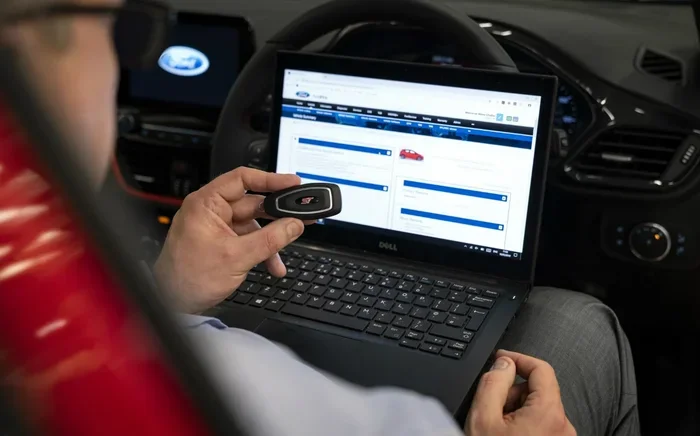
- Your existing working key fob (if applicable)
- Your vehicle owner manual
- A fresh battery for the new fob (usually CR2025 or CR2032)
- Your car keys and the vehicle itself
Having everything in hand saves time and frustration. It also ensures you do not miss any steps. The last thing you want is to get halfway through programming a key fob yourself and realize you need something you do not have.
Step 2: Insert the Key and Turn the Ignition
Most programming processes start with the ignition. Insert your key into the ignition cylinder. Turn it to the “On” position. This is the position where the dashboard lights come on but the engine does not start. Some vehicles require you to cycle the key from “Off” to “On” several times in quick succession. Pay close attention to your manual for the exact sequence.
For vehicles with push button start, the process is slightly different. You typically need to press the brake pedal and push the start button without inserting the key. The dashboard will indicate whether you are in programming mode.
Step 3: Press the Lock or Unlock Button
Once you are in programming mode, you need to signal the car that you want to add a new fob. This usually involves pressing a button on the fob. Common sequences include:
- Press the Lock button on the fob within 10 seconds of entering programming mode.
- Press the Unlock button if the lock button does not work.
- Some vehicles require you to press both buttons in a specific order.
The car should respond with a flash of the headlights, a click from the doors, or a message on the dashboard. This confirms that the car is ready to accept the new key fob signal.
Step 4: Test the New Fob
After the car accepts the new fob, exit the vehicle and close all doors. Stand a few feet away and press the buttons on the new fob. The doors should lock and unlock. If they do, congratulations. You just successfully completed key fob programming on your own. If the fob does not work, do not panic. Move on to the troubleshooting section below.
Step 5: Reprogram Additional Fobs (If Needed)
If you are programming more than one fob, repeat the process for each additional unit. Some vehicles allow you to program multiple fobs in a single session. Others require you to restart the process each time. Again, your vehicle owner manual is your best friend here.
One important tip: always test each fob before moving on to the next one. This way, if something goes wrong, you know exactly which fob caused the issue.
Common Problems When Programming a Key Fob Yourself
Can I program a key fob myself and run into issues? Absolutely. Even experienced DIYers sometimes hit snags. The good news is that most problems have simple solutions. Let us look at the most common issues and how to fix them.
Fob Does Not Respond After Programming
This is the most common complaint. You followed all the steps, but the fob does nothing. Here are the likely culprits:
- Dead Battery: The fob battery might be dead or installed incorrectly. Replace it with a fresh battery and try again.
- Wrong Programming Sequence: Even one missed step can cause the whole process to fail. Go back and review each step carefully.
- Timing Issues: Many programming sequences are time-sensitive. You may have been too slow between steps. Try again and move faster.
- Incorrect Fob Type: Make sure your replacement fob is compatible with your vehicle. An incompatible aftermarket key fob will not work.
Car Does Not Enter Programming Mode
If your car refuses to enter programming mode, try these solutions:
- Make sure all doors are closed and the trunk is shut.
- Check that you are using the correct key in the ignition.
- Try cycling the ignition on and off a few more times than the manual suggests.
- Some vehicles require you to sit in the driver seat with the door closed for the system to activate.
Fob Works But Has Limited Range
If your newly programmed fob works but only at very short distances, the issue might be the key fob battery. A weak battery reduces the key fob range significantly. Replace the battery and test again. Also, make sure you are not standing too close to large metal objects or electronic interference sources when testing.
Fob Buttons Feel Sticky or Unresponsive
Sometimes the issue is not programming at all. The buttons on the fob might just be dirty. Use a cotton swab dipped in rubbing alcohol to clean around each button. Let it dry completely before testing again. This simple fix resolves many key fob not working issues that people mistakenly blame on programming errors.
When to Call a Professional Instead
There is no shame in calling a professional. Some situations genuinely require expert help. Knowing when to stop DIYing and call for assistance saves time, money, and frustration. Here are the scenarios where you should consider hiring a pro:
- All Fobs Are Lost: If you have lost every single key fob for your vehicle, reprogramming becomes extremely difficult. Many cars require a dealer or locksmith with specialized equipment to reset the immobilizer system.
- Luxury or High-Security Vehicles: Brands like BMW, Audi, Mercedes-Benz, and Land Rover often use advanced security systems. These may need dealer-specific diagnostic tools to program.
- Push-Button Start with Advanced Security: Some modern vehicles with push button start have complex anti-theft systems that are very difficult to bypass without professional tools.
- You Have Tried Multiple Times and Failed: If you have attempted key fob programming several times without success, a professional can often resolve the issue quickly.
- Electrical Problems: If you notice flickering dashboard lights or error messages during programming, stop and consult a mechanic. You may have an underlying electrical issue.
A professional locksmith can often program your fob for less than a dealer charges. Many mobile locksmiths come to your location and handle the job on the spot. This is a great middle ground between full DIY and expensive dealer service.
Tips to Keep Your Key Fob Working Perfectly
Once you have successfully programmed your key fob, you want to keep it working for years. Proper care goes a long way. Here are some practical tips that every car owner should follow:
Replace the Battery Regularly
A key fob battery typically lasts about two to three years. Do not wait until the fob stops working to replace it. Signs of a weakening battery include:
- Reduced range when pressing buttons
- Buttons feel less responsive
- The fob needs to be very close to the car to work
Keep a spare battery in your glove box. It takes about 30 seconds to swap it out and can save you from being locked out of your car. Most key fob battery replacement jobs are simple and require only a small screwdriver.
Protect the Fob from Physical Damage
Key fobs are small and portable, which makes them prone to drops and impacts. A cracked casing can expose the internal circuitry to moisture and dirt. Consider using a protective case or keychain holder. Avoid leaving your fob in places where it can get sat on or crushed. A little protection goes a long way toward extending the life of your remote key fob.
Store Spare Fobs Properly
Always keep a spare remote key fob in a safe place. Store it away from electronic devices that might interfere with its signal. A drawer or a small bag works well. If you have a spare, you are never completely stranded if your primary fob fails. Some owners even keep a spare at their office or with a trusted family member.
Clean the Buttons Periodically
Dust and grime can build up around the buttons over time. Use a soft, slightly damp cloth to wipe down the fob. Avoid using harsh chemicals that might damage the plastic. Clean buttons respond more reliably and last longer. This is a quick five-second habit that pays off over the life of your key fob.
Reset the Fob if Needed
Sometimes a key fob reset solves strange behavior. To reset, remove the battery for about 30 seconds, then reinsert it. This clears any temporary glitches in the fob’s memory. If your fob starts acting erratically, a simple reset might be all you need. This trick works for most standard key fob types and takes almost no effort.
Compare: Dealer Programming vs. DIY Programming
| Factor | Dealer Programming | DIY Programming |
|---|---|---|
| Cost | $50 to $300+ for service | Free (just the cost of the fob) |
| Time Required | 1 to 3 hours at the dealership | 10 to 30 minutes at home |
| Convenience | Must travel to the dealer | Do it anywhere, anytime |
| Equipment Needed | None (dealer provides tools) | Just the replacement fob and battery |
| Risk Level | Very low | Low if you follow instructions carefully |
| Works for All Vehicles | Yes | Most vehicles, not all luxury models |
The comparison above shows why so many car owners choose to handle key fob programming on their own. The savings in both time and money are significant. As long as your vehicle supports self-programming, there is really no reason to pay a dealer for this simple task.
Key Takeaways
- You Can Do It Yourself: Most modern vehicles allow key fob programming at home with simple steps.
- Save Significant Money: DIY programming avoids costly dealer fees that can exceed $100 or more.
- Check Your Owner Manual First: Every vehicle has unique steps for programming a key fob yourself.
- Common Mistakes Happen: Timing and button sequences are the most frequent issues beginners face.
- Know When to Call a Pro: Some vehicles require specialized equipment that only professionals have.
- Battery Matters: A weak key fob battery can cause programming failures and signal problems.
- Aftermarket Options Exist: Universal remote key fobs work with many vehicles and cost much less.
Frequently Asked Questions
What vehicles can I program a key fob myself?
Most vehicles made after 2005 support self-programming for key fobs. Popular brands like Ford, Chevrolet, Toyota, Honda, and Nissan often have straightforward procedures. Check your vehicle owner manual for model-specific instructions. Luxury or high-security models may require professional assistance.
How much does it cost to program a key fob at a dealer?
Dealer programming costs typically range from $50 to $300 for the service alone, not including the cost of the fob itself. A complete replacement through a dealer can easily cost $200 to $500 or more. DIY programming eliminates the service fee entirely, saving you significant money.
Do I need any special tools to program a key fob myself?
For most vehicles, you only need the replacement fob, a fresh battery, and your vehicle owner manual. No special tools or equipment are required. However, some luxury vehicles with advanced security systems may need diagnostic equipment that only professionals or dealers carry.
Can I program a key fob myself if I have lost all my fobs?
This situation is more challenging but not impossible. Some vehicles allow you to enter programming mode through the ignition even without a working fob. Check your owner manual or consult a locksmith. In many cases, a professional locksmith can handle lost-fob scenarios more efficiently than a dealer.
How long does it take to program a key fob yourself?
Most DIY key programming sessions take between 10 and 30 minutes. The exact time depends on your vehicle model and the complexity of the programming sequence. Having everything ready before you start helps keep the process quick and smooth.
Will a universal aftermarket key fob work with my car?
Many universal aftermarket key fobs are compatible with a wide range of vehicle makes and models. They are significantly cheaper than dealer-branded fobs. However, you should verify compatibility before purchasing. Some vehicles with advanced security features may not support universal fobs for self-programming.
=== CONCLUSION ===
Can I program a key fob myself? Without a doubt, yes. The process is more accessible today than it has ever been. Most car owners can handle key fob programming at home with just a few simple tools and a little patience. You save money, you learn a valuable skill, and you avoid the hassle of waiting at a dealer.
Start by checking your vehicle owner manual and gathering your supplies. Follow the steps carefully, and do not rush through the process. If you hit a roadblock, remember that troubleshooting is a normal part of DIY key programming. And if your vehicle truly requires professional help, a mobile locksmith is often a more affordable alternative to the dealer.
The next time your key fob stops working or you need a replacement, do not panic. You now have the knowledge and confidence to take on the job yourself. Grab that remote key fob, follow the steps in this guide, and enjoy the satisfaction of solving the problem on your own. Can I program a key fob myself? You absolutely can.