How to Find Quality 2nd Hand Car Parts for Your Vehicle
Finding quality 2nd hand car parts can save you hundreds of dollars on repairs and replacements. Whether you shop at salvage yards, online marketplaces, or local dismantlers, knowing what to look for makes all the difference. This guide walks you through every step of sourcing reliable used auto parts that fit your vehicle and your budget.
Your car needs a new part, and the dealership quote made your jaw drop. Before you pay full price, have you considered 2nd hand car parts? The truth is, many car owners are surprised by how much money they can save by choosing used auto parts over brand-new replacements. The key is knowing where to look and what to check. In this guide, we break down everything you need to find quality 2nd hand car parts that actually last.
Whether your vehicle needs a simple exterior trim piece or a major component like a used transmission, the world of recycled car parts has grown massively in recent years. Online marketplaces, local salvage yards, and certified dismantlers all offer viable options. The trick is separating the good stuff from the junk. Let us walk you through the process step by step.
Key Takeaways
- Know your part: Always verify the part number, year, and model compatibility before purchasing any 2nd hand car parts.
- Shop multiple sources: Compare prices across salvage yards, online platforms, and local junkyards to get the best deal.
- Inspect before you buy: Look for rust, cracks, wear patterns, and proper functionality when examining used components.
- Check return policies: Reputable sellers offer warranties or return guarantees on their recycled car parts.
- Prioritize safety-critical parts: Invest in certified or tested parts for brakes, steering, and suspension components.
- Go online for savings: Online car parts marketplaces often have the widest selection and competitive pricing for used car parts online.
- Build a relationship: Connecting with local car dismantlers and junkyards can lead to better deals and insider knowledge.
📑 Table of Contents
- Why Choose 2nd Hand Car Parts?
- Types of 2nd Hand Car Parts and Where to Find Them
- How to Inspect and Evaluate 2nd Hand Car Parts
- Top Sources for Finding Quality 2nd Hand Car Parts
- Common Mistakes to Avoid When Buying Used Car Parts
- Expert Tips for Getting the Best Deals on 2nd Hand Car Parts
- Safety First: Which Used Parts Deserve Extra Caution
- Conclusion
Why Choose 2nd Hand Car Parts?
There are many reasons car owners turn to secondhand auto parts. The most obvious one is cost. New OEM parts from dealerships can cost two to three times more than their recycled counterparts. But savings are not the only benefit.
Another big reason is availability. When your car model is older, finding a brand-new replacement part can feel impossible. That is where used car parts online and local salvage networks shine. You can often find rare or discontinued parts that no longer exist in factory inventory.
Choosing recycled car parts is also better for the environment. Reusing components reduces the demand for new manufacturing, which saves energy and raw materials. So you save money, help your car run again, and reduce waste all at the same time. That is a win-win-win situation.
How Much Can You Really Save?
The savings vary depending on the part and where you shop. Here are some common examples of what 2nd hand car parts can cost compared to new parts:
- Used engine: 40-60% less than a new one
- Used transmission: 30-50% less than new
- Body panels and trim: 50-70% less than new
- Used headlights and taillights: 30-60% less than new
- Used alternator or starter: 40-55% less than new
Of course, prices depend on the condition of the part, the vehicle model, and where you buy. But overall, affordable car parts from the secondhand market can make a huge difference in your repair budget.
Types of 2nd Hand Car Parts and Where to Find Them
Not all used auto parts are the same. Different types of parts come from different sources, and each has its own advantages. Understanding these differences helps you make smarter buying decisions.
Salvage Yard Parts
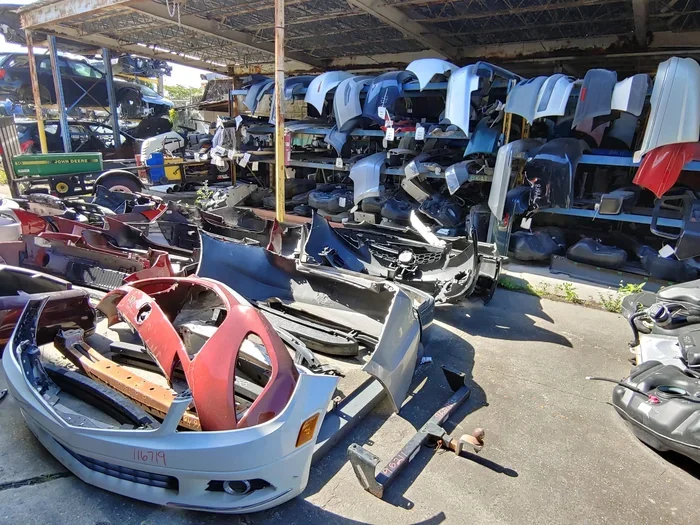
Salvage yards (also called junkyards or car dismantlers) are physical locations where old vehicles are stored and stripped for usable components. These are goldmines for 2nd hand car parts. You can walk in, pull the part yourself, and pay a fraction of the retail price.
The biggest advantage of salvage yards is that you can physically inspect the part before buying. You can check for rust, damage, and wear firsthand. The downside is that you need to know the exact part number and location in the vehicle. Many salvage yards also offer part-matching services if you bring your old component with you.
Online Marketplaces for Used Car Parts
The internet has transformed how people find used car parts online. Dedicated platforms and general marketplaces now connect buyers with sellers across the country. You can search by make, model, year, and specific part name to find exactly what you need.
Popular options include specialized car parts marketplaces that verify sellers and offer buyer protection. Some sites also feature user reviews and ratings, which help you gauge the reliability of a particular seller. The convenience of shopping from home is a major draw, but you lose the ability to inspect the part in person.
Certified Used Parts Dealers
Some dealers and auto shops specialize in certified used parts. These businesses test and refurbish components before selling them. They often provide warranties and return policies that give you peace of mind.
While certified parts usually cost a bit more than raw salvage yard finds, the added quality assurance is worth it for safety-critical components like brakes, steering parts, and engine internals. Think of it as buying a used phone with a warranty instead of a random used one from a stranger.
Aftermarket and Refurbished Options
Sometimes what you really need is not a used original part but a refurbished component or an aftermarket part. Refurbished parts are used parts that have been cleaned, repaired, and tested to meet certain standards. Aftermarket parts are new parts made by third-party manufacturers, not the original car maker.
Both options can be great alternatives to brand-new OEM parts. They often cost less and, in the case of refurbished parts, come with some level of quality control. Just make sure you understand what you are getting and from whom.
How to Inspect and Evaluate 2nd Hand Car Parts
Buying 2nd hand car parts without inspecting them is a gamble. Even when you shop online, there are ways to evaluate quality before you commit. Here is what to look for in every situation.
Physical Inspection Checklist
Whether you are at a salvage yard or receiving a shipped part, run through this checklist:
- Check for cracks and fractures. Look closely at the surface. Even small cracks can lead to part failure under stress.
- Look for rust and corrosion. Surface rust might be okay for non-critical parts, but deep rust weakens structural integrity.
- Examine wear patterns. Compare the used part side by side with a new one if possible. Uneven wear tells a story about how the part was used.
- Test all moving parts. If the part has moving components, try them out. Listen for grinding, clicking, or resistance.
- Check for proper markings. OEM parts often have manufacturer stamps, part numbers, and date codes that confirm authenticity.
- Verify the part number. This is non-negotiable. A wrong part number means the part will not fit correctly.
What to Look for in Online Listings
When shopping for used auto parts online, the listing tells you almost everything. Look for sellers who provide clear photos from multiple angles. The description should include the part number, condition, any known issues, and the vehicle it came from.
Be cautious of listings with stock photos only or vague descriptions like “good condition” without details. A trustworthy seller of recycled car parts will be transparent about what you are getting. Ask questions if anything is unclear before you buy.
Top Sources for Finding Quality 2nd Hand Car Parts
Not all sources for 2nd hand car parts are created equal. Here are the best places to look, ranked by reliability and selection.
1. Local Salvage Yards and Junkyards
Your nearest salvage yard is often the best starting point. These places have hundreds or even thousands of vehicles on-site, which means a huge inventory of used car accessories and mechanical components. Many yards now have online inventories so you can check stock before driving out.
Pro tip: Call ahead and ask if they have the part in stock. Saves you a trip if the part is not available. Also, ask about their return policy. Some yards will let you return a part within a few days if it does not fit or has a hidden defect.
2. Online Car Parts Marketplaces
Online platforms dedicated to used car parts online shopping offer the widest selection. You can search nationally or even internationally for rare parts. Many of these platforms have built-in protection for buyers, including return policies and seller verification.
When using these platforms, filter your search by vehicle specifics. Enter the exact make, model, engine type, and year. This ensures you get parts that are compatible with your vehicle. Cross-reference the part number with your vehicle manual or a reliable parts database.
3. Certified Auto Parts Recyclers
Certified recyclers follow strict industry standards for testing and quality control. They often refurbish parts and offer warranties that rival new-part dealers. If you need a secondhand engine or used transmission, certified recyclers are your safest bet.
Look for recyclers that are members of industry associations or have certifications from recognized auto parts organizations. These credentials signal that the business takes quality seriously and stands behind its products.
4. Online Auctions and Forums
Car enthusiast forums and online auctions can be surprising sources of affordable car parts. Owners often sell parts from projects, totaled vehicles, or upgraded components. The community aspect means you can ask questions directly to the seller and get honest feedback.
However, exercise caution here. These channels have less oversight than dedicated marketplaces. Always use secure payment methods and verify the seller’s reputation before sending money.
Common Mistakes to Avoid When Buying Used Car Parts
Even experienced car owners make mistakes when buying 2nd hand car parts. Here are the most common ones and how to avoid them.
Skipping Compatibility Checks
The single biggest mistake is buying a part without confirming compatibility. A part that fits one year or trim level of a car might not fit another, even if the model name is the same. Always double-check the part number against your vehicle specifications.
Ignoring Return Policies
If a seller does not offer any return or exchange option, that is a red flag. Even the best used auto parts can turn out to be wrong or defective. A good return policy protects you and shows that the seller is confident in their products.
Overlooking Hidden Damage
A part can look fine on the outside but have hidden internal damage. For engine and transmission parts, this is especially risky. If possible, ask the seller for a video of the part in working condition or request a detailed inspection report.
Choosing Price Over Quality
The cheapest option is not always the best deal. A 2nd hand car part that fails after a week costs you more in time and money than a slightly pricier, quality-tested option. Balance your budget with the part’s importance to vehicle safety and function.
Not Asking Enough Questions
Never be afraid to ask the seller detailed questions. How long has the part been off the vehicle? Was the car involved in a collision? What is the actual condition? A good seller will answer openly. A reluctant seller is a warning sign.
Expert Tips for Getting the Best Deals on 2nd Hand Car Parts
Want to maximize your savings and find the best quality 2nd hand car parts? These expert tips will help you get the most value for your money.
Build Relationships with Local Dismantlers
Regulars at local salvage yards often get better prices and first access to new arrivals. Introduce yourself, be polite, and show that you are a serious buyer. Over time, dismantlers may call you when a part matching your vehicle comes in.
Time Your Purchases
Many salvage yards restock after busy seasons or when they acquire new vehicles. Visiting mid-week or during off-peak times can also give you more attention from staff who can help you find what you need.
Compare Across Multiple Sources
Never settle on the first option you find. Spend a few minutes comparing prices and conditions across at least three sources. The difference between the cheapest and the most expensive option for the same part can be significant.
Keep a Parts Log
Track every part you buy, including the seller, price, condition, and how long it lasted. This personal database helps you identify reliable sellers and avoid problematic ones in the future. It also saves time when you need the same type of part again.
Consider Core Charges and Refunds
Some rebuilt or refurbished parts come with a core charge. This means you pay extra upfront but get a refund when you return your old part. Factor this into your price comparison to make sure you are truly getting a good deal.
Safety First: Which Used Parts Deserve Extra Caution
Not every 2nd hand car part carries the same risk level. Some components directly affect your safety on the road, and these deserve extra attention and scrutiny.
Brake components are at the top of the list. Used brake pads, rotors, calipers, and lines should always be inspected carefully or, better yet, purchased as certified refurbished parts. Brake failure is not something you want to risk with an untested part.
Airbags and seatbelt components should generally be purchased new or certified. These are single-use safety devices, and their history is difficult to verify. A deployed airbag from a wrecked vehicle should never be installed in a running car.
Steering and suspension parts also fall into the high-risk category. Ball joints, tie rods, control arms, and struts handle enormous forces while driving. Buy these from trusted sources with clear testing documentation.
For less critical items like mirrors, trim pieces, and interior accessories, the risk is much lower. These used car accessories are great candidates for budget-friendly recycled car parts shopping.
Conclusion
Finding quality 2nd hand car parts does not have to be a stressful experience. With the right approach, you can save significant money, help the environment, and keep your vehicle running smoothly. Start by knowing exactly what you need, verify compatibility, and shop from trusted sources like salvage yards, certified recyclers, and reputable online marketplaces.
Always inspect parts carefully, ask questions, and take advantage of return policies when they are available. Avoid the common mistakes that catch first-time buyers off guard. Whether you need a used transmission, a simple trim piece, or a rare replacement part for an older vehicle, the secondhand market has you covered.
The world of used auto parts is vast and full of opportunity. Armed with the knowledge from this guide, you are ready to find affordable car parts that deliver real value. Happy hunting, and here is to keeping your car on the road without breaking the bank.
Frequently Asked Questions
Are 2nd hand car parts safe to use?
Yes, most 2nd hand car parts are perfectly safe when sourced from reputable sellers and inspected properly. For safety-critical components like brakes and steering parts, choose certified or tested options. Always verify the part condition and compatibility before installation.
How much can I save by buying used auto parts?
Most car owners save between 30% and 70% compared to buying new OEM parts. The exact savings depend on the part type, vehicle model, and where you shop. Used car parts online marketplaces and local salvage yards typically offer the best deals.
Can I return 2nd hand car parts if they do not fit?
It depends on the seller. Many reputable salvage yards and online marketplaces offer return policies within 3 to 30 days. Always check the return policy before purchasing. Certified used parts dealers often provide the most flexible return options.
What is the difference between used and refurbished auto parts?
Used auto parts are pulled directly from a vehicle and sold as-is. Refurbished parts have been cleaned, repaired, and tested to meet certain standards. Refurbished parts usually cost a bit more but come with better quality assurance and sometimes a warranty.
How do I find the right part number for my vehicle?
Check your vehicle owner’s manual, look at the old part itself for markings, or use an online parts database. You can also ask a mechanic or call a parts supplier with your vehicle’s make, model, year, and engine type. Having the correct part number is essential when shopping for recycled car parts.
Where can I find rare or discontinued car parts?
Online marketplaces, specialty forums, and national salvage networks are your best bets for rare or discontinued parts. Some dismantlers specialize in older vehicle models and maintain extensive inventories. Searching by the specific part number rather than just the part name often yields better results.