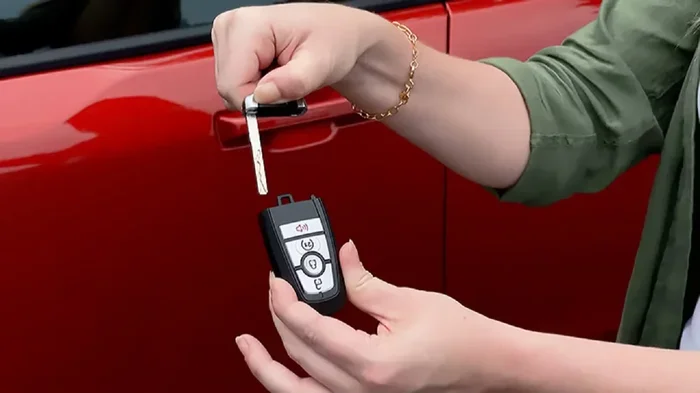
What Is the Key Inside My Key Fob For and Why It Matters
The small key hidden inside your key fob is a mechanical backup designed to unlock your car door or trunk when the electronic system fails. Most drivers never use it, but this tiny blade can be a lifesaver during lockouts, dead batteries, or electronic malfunctions. Understanding its purpose helps you stay prepared and avoid costly roadside emergencies.
Have you ever pulled out your key fob and noticed a tiny key tucked inside it? Maybe you found it when you first bought the car, or perhaps it slipped out one day when the battery died. Either way, most drivers glance at it, toss it aside, and forget it exists.
But that little key matters more than you think. It is not just a decorative piece or a backup for a backup. It is your emergency lifeline when technology fails you. Whether you face a dead battery, a broken remote, or a lockout situation, this hidden key can get you back on the road.
In this article, we will explore exactly what the key inside your key fob is for, why every driver should know about it, and how to use it effectively. You will also learn about common mistakes people make with their hidden keys and expert tips to keep your vehicle secure and accessible.
Key Takeaways
- Hidden Backup Function: The key inside your key fob serves as a mechanical backup for manual door locks and trunk access.
- Emergency Use: It comes in handy when your key fob battery dies or the electronic lock system malfunctions.
- Trunk Release: Many vehicles use the hidden key to open the trunk or fuel door when remote access fails.
- Key Blade Types: The hidden key may be a standard blade, a valet key, or a transponder key depending on your vehicle.
- Replacement Matters: Losing the hidden key means you need a full key fob replacement, which can be expensive.
- Know Your Vehicle: Familiarizing yourself with your key fob’s hidden key saves time and stress during lockout situations.
- Proactive Maintenance: Keep the hidden key accessible and replace your key fob battery regularly to avoid surprises.
📑 Table of Contents
What Exactly Is the Key Inside a Key Fob?
A key fob is a small remote device that lets you lock, unlock, and sometimes start your car without using a traditional key. Most modern vehicles come with keyless entry systems that rely on buttons and electronic signals. But inside almost every key fob, there is a smaller, simpler key hidden away.
This hidden key is a mechanical backup. It is a basic metal blade that works the old-fashioned way. When your electronic remote stops working, this manual key can still open your doors or trunk. Think of it as your safety net.
How the Hidden Key Works
The hidden key usually slides out from the bottom or side of the key fob. You press a small button or slide a release latch, and the blade pops out. It is designed to fit into a lock cylinder on your driver’s door or sometimes the trunk.
Once inserted, you turn it just like a regular key. The mechanism is simple. There are no batteries, no electronics, and no signals. Just pure mechanical action. This is why it works even when everything else in your car’s electronic system has failed.
Some vehicles use a valet key instead of a standard blade. A valet key looks similar but has limited functionality. It can start the ignition and open the doors but usually cannot open the trunk or glove box. This adds a layer of security when you hand your keys to a parking attendant or mechanic.
Types of Hidden Keys Found in Key Fobs
Not all hidden keys are the same. Different vehicles use different types of mechanical keys inside their remotes. Here are the most common ones you might find:
- Standard Key Blade: A basic flat metal key used for manual door locks. Most common in older vehicles and some newer models.
- Valet Key: A restricted key that starts the car but limits access to storage compartments. Often found in luxury vehicles.
- Transponder Key: A key with a built-in chip that communicates with the car’s immobilizer system. Some key fobs hide a transponder blade inside.
- Smart Key Blade: A thin metal key hidden inside a smart key fob. Used for emergency door access when the push-button start system fails.
- Fold-Out Key: A key that folds out from the fob body itself. Common in compact key fob designs.
Knowing which type you have is important. It affects how you use the key, where you store it, and what to do if you lose it. Check your vehicle owner’s manual to identify the exact type of hidden key in your key fob.
Why Does the Hidden Key Matter?
You might wonder why car manufacturers even bother including a hidden key in today’s high-tech vehicles. The answer is simple. Technology can fail. Batteries die. Remotes break. Electronics malfunction. And when that happens, you need a reliable way to get into your car.
The hidden key inside your key fob solves this problem. It is always with you, always working, and always ready. You do not need to search for a locksmith or wait for roadside assistance. You just pull out the blade and use it.
Emergency Lockout Situations
A lockout situation is every driver’s nightmare. You step out of your car, the door closes, and suddenly you realize your keys are inside. Or maybe the key fob battery dies right when you need to get in the car the most.
In these moments, the hidden key becomes your best friend. You slide it out, find the manual lock cylinder (usually near the driver’s door handle), and unlock the door. It takes seconds, and it works every time.
Many drivers do not even know their key fob has a hidden key. They call a locksmith, pay a hefty fee, and wonder why it was so simple. Knowing about your hidden key saves you time and money.
Dead Key Fob Battery
The key fob battery typically lasts between two and four years. But cold weather, heavy use, or a defective remote can drain it faster. When the battery dies, your push-button start and remote locks stop working.
Here is the good news. Most cars with a push button start system still allow you to start the engine using the hidden key. You just place the blade into a specific slot on the steering column or center console. The car reads the transponder chip (if present) and starts normally.
This feature is a lifesaver during winter mornings when your remote dies and you are running late for work. Keep a spare battery in your glove box so you can swap it out quickly.
Trunk and Fuel Door Access
Many vehicles use the hidden key to open the trunk release or the fuel door. If your remote trunk button stops working, the mechanical key can still pop the trunk open. This is especially useful when you are loading groceries or luggage and the remote fails.
Some fuel doors also have a manual lock that only the hidden key can open. If the electric fuel door release breaks, you can still access the gas cap to fill up. Check your owner’s manual to find where the hidden key works on your specific vehicle.
Where Is the Hidden Key Located on Your Key Fob?
Finding the hidden key on your key fob is usually straightforward, but the location varies by vehicle model. Most manufacturers place the release mechanism in one of a few common spots.
Common Release Mechanisms
- Bottom Slide Release: A small sliding cover at the bottom of the fob. You slide it to reveal the key blade underneath.
- Side Button Release: A tiny button on the side of the fob. Press it, and the key pops out from a slot.
- Flip-Out Design: The key folds out from the fob body with a simple push of a button or flick of a switch.
- Screw-Off Back Cover: Some older key fobs require you to unscrew the back cover to access the hidden key.
Take a moment right now to look at your key fob. Find the release mechanism. Practice sliding the key out. This small habit can save you serious stress the first time you need it in an emergency.
If you are struggling to find or remove the hidden key, consult your vehicle’s owner manual. It will have diagrams showing exactly where the key is stored and how to release it. You can also search online for your specific vehicle model and year.
What to Do If You Lose the Hidden Key
Losing the hidden key from your key fob is more common than you might think. It happens when people toss the fob into a bag, leave it in a coat pocket, or simply misplace it at home.
If you lose the hidden key, you have a few options. First, check if your vehicle came with a spare key. Many manufacturers include two keys in the original packaging. If you still have the spare, you are in good shape.
If you do not have a spare, you will need a key replacement from a dealership or a certified locksmith. The cost varies depending on your vehicle. A simple mechanical key replacement might cost $10 to $30. But if your hidden key has a transponder chip, the replacement could run $50 to $200 or more.
Pro tip: Always keep the hidden key in a safe, accessible place. Do not store it separately from your key fob, because then you lose the whole purpose of having a backup. A small key bowl near your front door works great.
Common Mistakes Drivers Make With Their Hidden Key
Even though the hidden key is a simple tool, many drivers make avoidable mistakes with it. Learning from these errors can save you time, money, and frustration.
Ignoring the Key Entirely
The biggest mistake is simply not knowing the key exists. Many drivers buy a car, receive the key fob, and never once check what is inside it. They assume the remote will always work. But remote systems fail more often than you think.
Make it a habit to pull out the hidden key and inspect it every few months. Check for rust, bending, or wear. A dirty or damaged key blade may not work when you need it most.
Forgetting to Replace the Key Fob Battery
Another common mistake is ignoring the key fob battery until the remote completely stops working. Most key fobs use a small coin-cell battery that is easy to replace. You can do it yourself in seconds with a flathead screwdriver.
Set a reminder every two years to replace the battery. Or better yet, watch for warning signs. If your remote range gets shorter or the buttons feel less responsive, it is time for a new battery.
Storing the Hidden Key Separately
Some drivers store the hidden key in a drawer at home “just in case.” This defeats the purpose entirely. The whole point of the hidden key is that it travels with the fob. If you leave it at home and your fob battery dies at the grocery store, you are still locked out.
Keep the hidden key inside the fob at all times. That way, it is always with you when you need it.
Using the Wrong Key in the Lock
Forcing the wrong key into a lock cylinder can damage both the key and the lock. If your hidden key does not fit, do not force it. Double-check that you are using the correct key from the correct fob. Some vehicles come with multiple keys that look similar but have different cuts.
Expert Tips for Managing Your Key Fob and Hidden Key
Automotive experts recommend several best practices for getting the most out of your key fob and its hidden backup key. Here are some tips that actually work.
Keep a Spare Battery on Hand
Carry a spare CR2032 or CR2025 battery (depending on your fob model) in your glove box. Replacing the battery takes less than a minute and costs under $5. This simple habit prevents lockouts caused by dead batteries.
Test the Hidden Key Regularly
Every three months, pull out the hidden key and try it in your door lock. This ensures the key has not bent, rusted, or worn down. A key that works smoothly today will not seize up tomorrow.
Know Your Lock Cylinder Location
Not all cars place the manual lock cylinder in the same spot. Some are on the driver’s door handle. Others are hidden behind a small plastic cover on the door panel. Find yours now, before an emergency forces you to search in the dark.
Register for Roadside Assistance
Even with a hidden key, it is wise to have roadside assistance coverage. Whether through your insurance company, car manufacturer, or a third-party service, this backup provides peace of mind for situations beyond a simple lockout.
Replace Damaged Key Fobs Promptly
If your key fob is cracked, water-damaged, or the buttons are wearing out, replace it sooner rather than later. A damaged fob can fail unexpectedly. Many dealerships and auto parts stores offer key fob replacement services on the spot.
Key Takeaways
- Hidden Backup Function: The key inside your key fob serves as a mechanical backup for manual door locks and trunk access.
- Emergency Use: It comes in handy when your key fob battery dies or the electronic lock system malfunctions.
- Trunk Release: Many vehicles use the hidden key to open the trunk or fuel door when remote access fails.
- Key Blade Types: The hidden key may be a standard blade, a valet key, or a transponder key depending on your vehicle.
- Replacement Matters: Losing the hidden key means you need a full key fob replacement, which can be expensive.
- Know Your Vehicle: Familiarizing yourself with your key fob’s hidden key saves time and stress during lockout situations.
- Proactive Maintenance: Keep the hidden key accessible and replace your key fob battery regularly to avoid surprises.
Conclusion
The key inside your key fob is one of those small things that most drivers overlook until they desperately need it. It is a simple mechanical backup that works when your fancy electronics do not. Whether you face a dead battery, a lockout, or a broken remote, this hidden blade can get you back on the road quickly and affordably.
Understanding what the hidden key is for and how to use it gives you confidence and preparedness. You no longer have to panic when your key fob fails. You just pull out the blade, insert it into the lock, and go.
Take a few minutes today to familiarize yourself with your key fob’s hidden key. Find it. Pull it out. Practice using it. Store it properly. These small steps make a huge difference when an emergency strikes. Your future self will thank you the first time that little hidden key saves the day.
Stay prepared, stay informed, and never underestimate the power of a simple mechanical key tucked inside your high-tech key fob. It is one of the smartest safety features your car has, and now you know exactly how to use it.
Frequently Asked Questions
Can I use the hidden key to start my car if the push button start is not working?
Yes, in most vehicles with a push-button start system, you can use the hidden key to start the engine. Simply place the key blade into the designated slot on the steering column or center console. The car reads the transponder chip and allows ignition. Check your owner’s manual for the exact location of the backup start slot.
How much does it cost to replace a lost hidden key from a key fob?
The cost depends on the type of key. A simple mechanical key blade replacement costs around $10 to $30. However, if the hidden key includes a transponder chip, the replacement can range from $50 to $200 or more. Visiting a dealership or certified locksmith ensures proper programming and compatibility.
Does every key fob have a hidden key inside?
Most traditional and mid-range key fobs include a hidden mechanical key. However, some fully digital or smartphone-based vehicle systems may not include a physical backup key. Check your vehicle’s documentation or inspect the fob itself to confirm whether yours has one.
How do I know which type of hidden key my vehicle uses?
Your vehicle owner’s manual will list the type of hidden key included with your key fob. It will specify whether it is a standard blade, a valet key, or a transponder key. You can also look at the key itself for markings or chips that indicate its type.
What should I do if the hidden key breaks inside the lock cylinder?
If the key breaks inside the lock, do not attempt to force it out. Use needle-nose pliers to gently extract any visible pieces. If the key is stuck deep inside, call a locksmith. Trying to remove it yourself can damage the lock cylinder and lead to expensive repairs.
Is it safe to keep the hidden key inside the key fob at all times?
Yes, keeping the hidden key inside the fob is the safest and most practical approach. It ensures the backup is always with you when you need it. Just make sure the key is secure and does not slide out accidentally when you are handling the fob regularly.