How Do You Know When an Auto Gas Vehicle Tank Is Full
Knowing when your auto gas vehicle tank is full is easier than you think. You can rely on your fuel gauge, listen for the click of the pump, and watch for warning lights on your dashboard. This guide walks you through every sign and method so you never guess again at the filling station.
Have you ever stood at the pump, unsure whether your auto gas vehicle tank is really full? It happens to the best of us. You keep adding fuel, watching the numbers climb, and wondering when to stop. The good news is that you have several reliable ways to tell. From the simple fuel gauge on your dashboard to the automatic shutoff mechanism on the pump, your vehicle and the filling station give you clear signals. In this guide, we will walk you through every method, tip, and trick to know exactly when your gas tank is full. You will also learn how to avoid common mistakes that waste fuel and cost you money.
Understanding your vehicle’s fuel system is not just about convenience. It also keeps you safe and helps your auto gas vehicle run efficiently. Overfilling can damage important components like the charcoal canister and fuel vapor recovery system. Underfilling, on the other hand, can strain the fuel pump and reduce engine performance. Whether you are a new driver or have been driving for years, this article will give you practical knowledge you can use every time you pull up to the pump. Let us dive in and explore the signs that tell you your tank is full.
Key Takeaways
- Fuel Gauge Reading: The dashboard gauge is your first and most reliable indicator that your tank is reaching full capacity.
- Pump Click-Off Method: The automatic shutoff click tells you the tank is full and prevents dangerous overfilling.
- Dashboard Warning Lights: The low fuel light and other indicators help you understand your remaining fuel level.
- Tank Capacity Knowledge: Knowing your vehicle’s tank size helps you estimate how much fuel you need to add.
- Fuel Sensor and Float Mechanism: Understanding how the internal fuel sender works gives you insight into gauge accuracy.
- Overfilling Risks: Filling past full wastes money, damages the EVAP system, and creates safety hazards.
- Best Refueling Habits: Simple routines like checking the gauge regularly and fueling early keep your vehicle running smoothly.
📑 Table of Contents
- Understanding Your Vehicle’s Fuel Gauge
- The Pump Click-Off Method
- Dashboard Warning Lights and Indicators
- Know Your Tank Capacity
- Signs of a Full Tank Beyond the Gauge
- Common Mistakes When Filling Up Your Tank
- Expert Tips for Better Refueling Habits
- How the Fuel Sensor and EVAP System Work Together
- Key Takeaways
- Conclusion
Understanding Your Vehicle’s Fuel Gauge
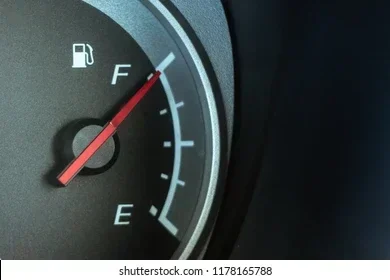
The fuel gauge is the most obvious tool for telling when your auto gas vehicle tank is full. It sits on your dashboard and gives you a real-time reading of your fuel level. Most gauges use a simple needle that moves between “E” for empty and “F” for full. Some newer vehicles use a digital display with a percentage or bar graph instead. Either way, the principle is the same. The gauge reads the amount of fuel in your tank and shows it to you.
How the Fuel Gauge Works
Inside your fuel tank, there is a device called a fuel sender unit. It uses a float that rises and falls with the fuel level. As the float moves, it sends an electrical signal to the gauge on your dashboard. When the tank is full, the float rises to the top, and the gauge shows “F” or 100 percent. When the tank is low, the float drops, and the needle moves toward “E.” This system is simple but effective. It has been used in vehicles for decades and remains the standard in auto gas vehicles today.
However, fuel gauges are not always perfectly accurate. The needle may stick slightly, or the sender unit may wear out over time. This is why experienced drivers use more than one method to confirm their tank is full. Let us look at those methods next.
Common Fuel Gauge Issues to Watch For
Sometimes the fuel gauge gives you misleading readings. Here are a few common problems:
- Stuck Needle: The needle stays on full even when you have used a lot of fuel. This usually means the sender unit is failing.
- Inaccurate Readings: The gauge shows half a tank when you know you have driven far. The float or resistor may be worn.
- Gauge Not Moving: The needle does not move at all. Check the fuse or wiring to the gauge.
- Delayed Response: The gauge lags after you add fuel. Air bubbles in the tank can cause this.
If you notice any of these issues, have a mechanic check your fuel sender unit. A faulty gauge can lead you to run out of fuel unexpectedly or overfill your tank.
The Pump Click-Off Method
The most universal sign that your auto gas vehicle tank is full is the click of the fuel pump nozzle. When you hear that first click, stop fueling immediately. The pump has a built-in sensor that detects when liquid fuel reaches the nozzle tip. This sensor prevents the tank from overflowing and protects the fuel vapor recovery system.
Why the Click-Off Matters
The automatic shutoff is a safety feature designed into every fuel pump at the filling station. When fuel fills the nozzle’s sensing hole, it blocks the airflow and triggers the pump to stop. This means the tank has reached its safe capacity. Continuing to pump after the click can cause fuel to splash out, waste money, and release harmful vapors into the air.
Here are some tips to make the most of the click-off method:
- Pump Slowly: Squeeze the handle gently. Pumping too fast can cause premature clicking or splashing.
- Do Not Top Off: Resist the urge to add a little more after the click. Topping off leads to overfilling.
- Wait a Moment: After the first click, wait a few seconds. Sometimes the tank can accept a tiny bit more. But if the pump clicks again immediately, the tank is truly full.
- Use the Correct Nozzle Size: A loose-fitting nozzle may click off too early. Make sure the nozzle seats properly in your fuel inlet.
Many drivers ignore the click-off and keep pumping to “get every last drop.” This habit may seem smart, but it actually causes more harm than good. We will explain why in the next section.
Dashboard Warning Lights and Indicators
Modern auto gas vehicles come equipped with multiple warning lights on the dashboard. These lights give you clear signals about your fuel level and the health of your fuel system. Learning what each light means helps you stay ahead of problems.
The Low Fuel Warning Light
The low fuel light is shaped like a gas pump or says “LOW FUEL” on the display. It usually comes on when you have about 2 to 3 gallons of fuel left. This gives you enough range to find a filling station safely. When you see this light, do not ignore it. Head to the nearest gas station as soon as you can.
Some vehicles also show an estimated range on the digital display. This number tells you approximately how many miles you can still drive. It is based on your recent fuel economy and current fuel level. Keep in mind that this estimate is not exact. Driving habits, terrain, and temperature all affect how far you can go.
Other Fuel-Related Dashboard Indicators
Beyond the low fuel light, your dashboard may show other indicators related to your fuel system:
- Check Engine Light: A loose gas cap or fuel vapor leak can trigger this light. It often appears after refueling.
- Fuel Cap Warning: Some vehicles have a specific icon for a loose or missing fuel cap.
- EVAP System Light: This indicates a problem with the evaporative emissions system, which can be damaged by overfilling.
- Fuel Pressure Warning: Rare but serious. It signals a problem with fuel delivery to the engine.
If any of these lights come on, do not ignore them. Address the issue quickly to protect your vehicle and keep it running safely.
Know Your Tank Capacity
Every auto gas vehicle has a specific tank capacity. This number tells you the maximum amount of fuel the tank can safely hold. You can find this information in your owner’s manual or on the manufacturer’s website. Knowing your tank capacity is one of the best ways to tell when you are approaching full.
How to Use Tank Capacity to Your Advantage
Here is a simple trick. When you fill up, note how many gallons it takes to go from empty to full. Over time, you will learn your vehicle’s exact capacity. This knowledge helps you in several ways:
- Predict Fuel Stops: You can estimate how far you can drive before needing to refuel.
- Spot Anomalies: If your tank suddenly takes more or less fuel than usual, something may be wrong.
- Plan Long Trips: Knowing your range helps you choose filling stations strategically on road trips.
- Track Fuel Costs: You can calculate your cost per mile and compare it over time.
For example, if your auto gas vehicle has a 15-gallon tank and you add 12 gallons when the tank was nearly empty, you know the tank is close to full. The remaining 3 gallons tell you exactly how much space is left. This simple math takes the guesswork out of refueling.
Signs of a Full Tank Beyond the Gauge
There are several other subtle signs that your auto gas vehicle tank is full. Experienced drivers learn to recognize these signals over time. Let us explore some of the less obvious indicators.
The Smell of Fuel
A faint smell of gasoline near the vehicle after refueling is normal. But a strong fuel smell inside or around the car can mean the tank is overfilled. When fuel exceeds the tank’s capacity, it has nowhere to go and may leak or release excess vapors. If you notice a strong fuel odor, check your fuel level immediately and avoid driving if necessary.
Fuel Spillage During Refueling
If fuel starts to spill back around the nozzle while you are pumping, the tank is already full or overfilled. This is a clear visual sign to stop immediately. Spilled fuel is wasteful, creates a fire hazard, and can damage your vehicle’s paint and undercarriage.
The Weight and Feel of the Vehicle
You may notice that a full tank makes your auto gas vehicle feel slightly heavier, especially during acceleration. This is normal and expected. A full tank adds weight, which can marginally affect fuel economy. However, the difference is usually small and not a reason to avoid filling up completely.
Fuel Cap Behavior
When you tighten the fuel cap after refueling, pay attention to how it feels. A properly sealed cap should click a few times when tightened. If the cap feels loose or does not seal properly, the fuel system may not be holding pressure correctly. This can trigger the check engine light and reduce fuel efficiency.
Common Mistakes When Filling Up Your Tank
Even experienced drivers make mistakes at the pump. These errors can waste fuel, damage your vehicle, and cost you money. Here are the most common mistakes and how to avoid them.
Topping Off the Tank
Topping off means adding fuel after the pump has clicked off. Many people do this to “get the most for their money.” But topping off is one of the worst things you can do for your vehicle. Here is why:
- It Overfills the Tank: Liquid fuel enters the vapor recovery system, which is designed for vapors only.
- It Damages the Charcoal Canister: The canister absorbs fuel vapors. Liquid fuel saturates it and renders it useless.
- It Triggers the Check Engine Light: A saturated canister causes the EVAP system to malfunction.
- It Wastes Money: The extra fuel you add does not go into the tank. It sits in the hose and evaporates or spills.
Save yourself the trouble. When the pump clicks off, that is your signal. Walk away and pay.
Ignoring the Low Fuel Warning
Some drivers wait until the low fuel light comes on before they refuel. While this works in a pinch, it is not a good habit. Running on low fuel can:
- Strain the fuel pump, which relies on fuel for cooling.
- Allow sediment to enter the fuel system from the bottom of the tank.
- Leave you stranded if you misjudge your remaining range.
A better approach is to refuel when your gauge drops to a quarter tank. This keeps your fuel pump cool and your engine running smoothly.
Using the Wrong Fuel Grade
While this is not directly about knowing when the tank is full, using the wrong fuel grade affects how your vehicle performs. Always use the fuel grade recommended by your vehicle manufacturer. Using a lower grade may cause engine knocking. Using a higher grade than needed wastes money without any benefit.
Expert Tips for Better Refueling Habits
Small changes to your refueling routine can make a big difference in fuel efficiency, vehicle longevity, and safety. Here are some expert-backed tips every auto gas vehicle owner should follow.
Refuel Early in the Day
Fuel is denser in cooler temperatures. When you refuel early in the morning or late in the evening, you get slightly more fuel for your money. The difference is small per fill-up, but it adds up over time.
Keep Your Fuel Cap Tight
A loose fuel cap allows fuel vapors to escape and can trigger the check engine light. After every fill-up, make sure the cap is tightened until it clicks. This simple habit protects your fuel system and improves fuel economy.
Keep Your Tank at Least a Quarter Full
As mentioned earlier, keeping your tank at least a quarter full protects the fuel pump. The fuel pump is submerged in fuel and uses the fuel to cool itself. When the tank is very low, the pump can overheat and wear out faster.
Choose Quality Filling Stations
Not all filling stations are the same. Stations with high fuel turnover tend to have cleaner fuel with fewer contaminants. Avoid stations that look poorly maintained or have old-looking equipment. Your auto gas vehicle deserves clean fuel.
Track Your Fuel Economy
Keep a log of how much fuel you add and how far you drive between fill-ups. This helps you spot changes in fuel economy early. A sudden drop in mileage can signal a problem with your fuel system, engine, or other components.
How the Fuel Sensor and EVAP System Work Together
Your auto gas vehicle has a sophisticated system that manages fuel vapors and prevents pollution. The evaporative emissions system, or EVAP system, plays a key role in this process. Understanding how it works helps you appreciate why you should never overfill your tank.
The EVAP system captures fuel vapors from the tank and routes them to the engine for combustion. It uses a charcoal canister, valves, and sensors to do this. When you overfill the tank, liquid fuel enters this system and saturates the charcoal canister. A saturated canister cannot absorb vapors properly, which causes the system to fail. This leads to poor fuel economy, rough idling, and the dreaded check engine light.
The fuel sensor, also called the fuel level sensor, works hand in hand with the EVAP system. The sensor measures the fuel level and sends data to the engine control unit. If the sensor detects an abnormal fuel level, it may trigger a warning. Keeping your tank properly filled, but not overfilled, ensures both the sensor and EVAP system work as designed.
Key Takeaways
- Fuel Gauge Reading: The dashboard gauge is your first and most reliable indicator that your tank is reaching full capacity.
- Pump Click-Off Method: The automatic shutoff click tells you the tank is full and prevents dangerous overfilling.
- Dashboard Warning Lights: The low fuel light and other indicators help you understand your remaining fuel level.
- Tank Capacity Knowledge: Knowing your vehicle’s tank size helps you estimate how much fuel you need to add.
- Fuel Sensor and Float Mechanism: Understanding how the internal fuel sender works gives you insight into gauge accuracy.
- Overfilling Risks: Filling past full wastes money, damages the EVAP system, and creates safety hazards.
- Best Refueling Habits: Simple routines like checking the gauge regularly and fueling early keep your vehicle running smoothly.
Conclusion
Knowing how do you know when an auto gas vehicle tank is full is a fundamental skill every driver should have. Your vehicle gives you multiple clear signals, from the fuel gauge and dashboard lights to the automatic pump shutoff and subtle signs like fuel smell and spillage. By paying attention to these indicators and avoiding common mistakes like topping off and ignoring the low fuel light, you protect your vehicle, save money, and stay safe on the road.
Take a few minutes to learn your vehicle’s specific tank capacity and fuel gauge behavior. Every auto gas vehicle is slightly different, and familiarity with your own car goes a long way. Practice good refueling habits, keep your fuel system in good shape, and you will enjoy better performance and fuel economy for years to come. The next time you pull up to the pump, you will know exactly when your tank is full and when to stop. Trust your senses, trust your gauges, and trust the simple click of the pump. Your vehicle will thank you for it.
Frequently Asked Questions
What does the fuel gauge tell you about your tank level?
The fuel gauge on your dashboard shows the current fuel level in your auto gas vehicle tank. It uses a needle or digital display that moves between empty and full. The gauge reads data from a fuel sender unit inside the tank that uses a float to measure fuel level. While generally reliable, the gauge can sometimes be slightly inaccurate, so it is best to use it alongside other methods like the pump click-off to confirm your tank is full.
Why does the fuel pump automatically shut off when the tank is full?
The fuel pump nozzle has a built-in sensor that detects when liquid fuel reaches the opening. When fuel fills the sensing hole, it blocks the airflow and triggers the pump to stop automatically. This safety feature prevents the tank from overflowing and protects the fuel vapor recovery system. You should always stop pumping when you hear the first click to avoid overfilling and potential damage to your vehicle.
Is it bad to top off your gas tank after the pump clicks off?
Yes, topping off is harmful to your auto gas vehicle. When you add fuel after the pump has clicked off, liquid fuel can enter the EVAP system and saturate the charcoal canister. This damages the canister, triggers the check engine light, and reduces fuel economy. The extra fuel you add also sits in the hose and does not go into your tank, so you are essentially wasting your money.
How can you tell if your fuel gauge is inaccurate?
Signs of an inaccurate fuel gauge include a needle that stays stuck on full, readings that do not match your actual fuel usage, or a gauge that does not move at all. You can test accuracy by filling your tank from empty and noting how many gallons it takes. If the gauge does not reflect the correct level, have a mechanic inspect the fuel sender unit and wiring. Keeping your fuel system well-maintained ensures accurate readings.
What happens if you run your auto gas vehicle on empty?
Running on empty can strain the fuel pump because it relies on fuel for cooling. It also allows sediment from the bottom of the tank to enter the fuel system, which can clog filters and injectors. You may also get stranded if you misjudge your remaining range. To avoid these problems, refuel when your gauge drops to a quarter tank and never wait for the low fuel light to come on.
How often should you check your fuel cap after refueling?
You should check your fuel cap every time you refuel. A loose or improperly sealed cap allows fuel vapors to escape and can trigger the check engine light. Make sure the cap clicks several times when you tighten it. If the cap is damaged or worn, replace it right away. This simple habit protects your fuel system, improves fuel economy, and keeps your auto gas vehicle running at its best.