Do Honda and Acura Use the Same OEM Replacement Parts
Do Honda and Acura Use the Same OEM Replacement Parts? The short answer is yes, in many cases they do. Both brands come from the same parent company, Honda Motor Co., which means they share platforms, engines, and components. However, not every part is identical, and luxury-grade Acura components can differ from their Honda counterparts. Understanding these differences helps you save money and make smarter repair decisions.
Have you ever wondered whether Honda and Acura use the same OEM replacement parts? It is a great question, especially if you own one of these vehicles or are shopping for parts. The truth is more nuanced than a simple yes or no. Honda and Acura share a deep connection, but they also have key differences that affect parts compatibility.
In this guide, we will walk through everything you need to know about Honda and Acura parts compatibility. We will cover shared components, unique differences, cost considerations, and practical tips. By the end, you will feel confident making the right choice for your vehicle.
Key Takeaways
- Shared Heritage: Honda and Acura both belong to Honda Motor Co., so many OEM parts overlap between the two brands.
- Platform Sharing: Many Honda and Acura models use the same vehicle platforms, leading to compatible mechanical parts.
- Differences Exist: Acura often uses upgraded or unique parts for luxury features, so not everything is interchangeable.
- Cost Savings: Using Honda OEM parts on Acura models can save money when compatibility is confirmed.
- Part Number Matching: Always verify part numbers before purchasing to ensure a proper fit.
- Aftermarket Options: Both brands benefit from a wide range of aftermarket parts, but OEM remains the safest choice.
- Know Your Vehicle: Research your specific model year and trim to avoid costly mistakes.
📑 Table of Contents
- What Does OEM Mean for Honda and Acura?
- The Honda and Acura Relationship: Shared Platforms
- Which Honda and Acura Parts Are Interchangeable?
- Which Parts Are Different Between Honda and Acura?
- Cost Comparison: OEM vs Aftermarket Parts
- Quick Tips for Finding the Right Honda and Acura Parts
- Common Mistakes When Buying Honda and Acura Parts
- The Future of Honda and Acura Parts Sharing
- Final Thoughts
What Does OEM Mean for Honda and Acura?
OEM stands for Original Equipment Manufacturer. These are parts made by the same company that built your vehicle. For Honda and Acura, OEM parts come directly from Honda Motor Co. or its authorized suppliers. Honda and Acura OEM replacement parts meet the exact specifications of your car.
Aftermarket parts, on the other hand, are made by third-party companies. They may fit your vehicle but do not always match the original quality. When it comes to reliability and safety, OEM parts are almost always the better choice.
Why OEM Parts Matter
OEM parts are designed specifically for your model. They fit perfectly, perform as intended, and carry manufacturer warranties. Aftermarket parts can vary widely in quality. Some are excellent, but others may wear out faster or fail prematurely.
For Honda and Acura owners, sticking with OEM parts helps maintain resale value. It also ensures your vehicle continues to run the way it was engineered to run. This is especially important for Acura models, which demand higher precision due to their luxury positioning.
The Honda and Acura Relationship: Shared Platforms
Honda Motor Co. owns Acura as its luxury division. This relationship means the two brands share a lot of underlying technology. Many Honda and Acura models are built on the same platforms. These shared platforms lead to a surprising amount of parts overlap.
For example, the Honda Accord and the Acura TLX have shared the same platform in several generations. The Honda Civic and Acura ILX also share platforms. When two models share a platform, many of their core mechanical parts are identical or very similar.
Shared Platforms in Detail
Here are some notable examples of shared platforms between Honda and Acura:
- Honda Accord / Acura TLX: Both built on the Honda mid-size platform, sharing suspension components, engines, and transmission parts.
- Honda Civic / Acura ILX: These compact sedans share the same base architecture and many drivetrain components.
- Honda CR-V / Acura RDX: In some generations, these SUVs share platforms and key mechanical systems.
- Honda Odyssey / Acura MDX: Both minivans and SUVs from the Honda family share certain structural and powertrain elements.
Because of these shared platforms, Honda and Acura use the same OEM replacement parts more often than you might think. This is great news for owners looking to save on repairs.
Which Honda and Acura Parts Are Interchangeable?
Now let us get into the specifics. Which parts can you swap between Honda and Acura models? The answer depends on the platform, engine, and model year. But in general, many mechanical components are interchangeable.
Engine Components
When Honda and Acura share the same engine, their parts are often identical. This includes pistons, crankshafts, camshafts, and timing components. For example, the Honda K-series engine family appears in both Honda and Acura vehicles. Parts like water pumps, oil pumps, and engine mounts for these engines frequently cross over.
Transmission Parts
Automatic and manual transmissions built on shared platforms often use the same internal components. Gear sets, torque converters, and valve bodies can be identical between Honda and Acura models on the same platform.
Suspension and Steering Parts
Control arms, tie rods, struts, and steering racks are commonly shared between platform-mates. If your Honda Accord and Acura TLX ride on the same suspension design, the replacement parts are often the same.
Brake Components
Brake rotors, calipers, and brake hoses are frequently interchangeable. However, Acura models may use larger or upgraded brake components due to their heavier weight or performance focus. Always check the part number before ordering.
Electrical and Lighting Parts
Many electrical components, such as alternators, starters, and headlights, are shared between Honda and Acura models. However, Acura may use different lens designs or higher-spec bulbs for its luxury lighting packages.
Which Parts Are Different Between Honda and Acura?
Not every part is the same. Acura is a luxury brand, and it demands certain upgrades and refinements. These differences mean some parts are unique to Acura models.
Exterior and Trim Parts
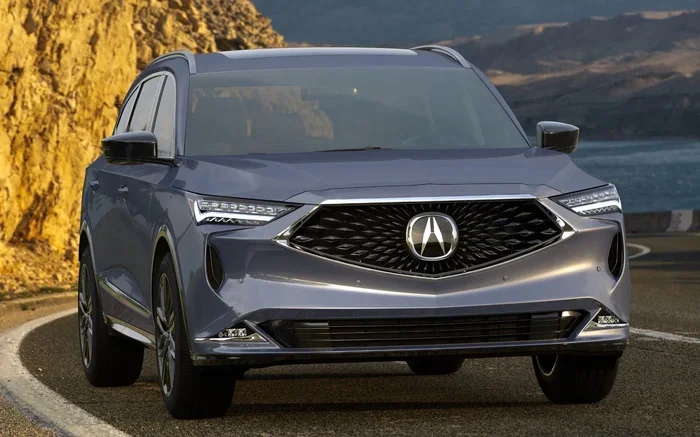
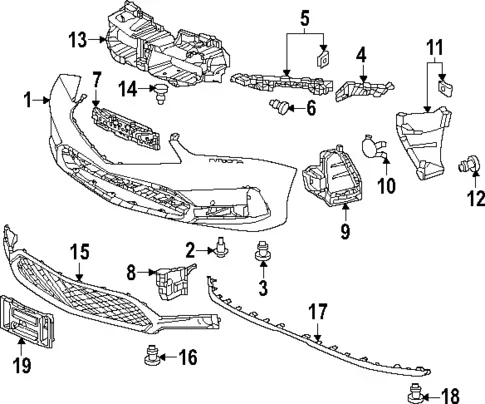
Acura vehicles have distinct front fascias, rear bumpers, and interior trim. These parts are never interchangeable with Honda equivalents. The badges, grille designs, and lighting housings are all unique to the Acura brand identity.
Interior Components
Acura interiors feature higher-grade materials, unique seat designs, and upgraded infotainment systems. These parts are brand-specific and do not cross over to Honda models.
Performance and Luxury Upgrades
Acura often uses upgraded dampers, larger anti-roll bars, and firmer suspension bushings. These parts enhance handling and ride quality but are not found on Honda counterparts. If you are looking for Honda and Acura same parts for performance components, you may be disappointed.
Acura-Specific Electronics
Acura models may include features like AcuraWatch, upgraded audio systems, and unique sensor packages. The modules and wiring harnesses for these systems are Acura-specific.
Cost Comparison: OEM vs Aftermarket Parts
One of the biggest reasons people ask about shared parts is cost. Using a Honda OEM part on an Acura vehicle can save you money. But is it always safe? Let us break this down.
OEM Parts Pricing
OEM parts from Honda dealerships tend to be priced at a premium. However, when you find a shared part between Honda and Acura, you are essentially getting the same quality at a potentially lower cost. The part number may differ slightly, but the physical component is the same.
Aftermarket Parts Pricing
Aftermarket parts are generally cheaper than OEM. But they come with trade-offs. Quality varies by brand. Some aftermarket parts are excellent, while others are substandard. For critical safety components like brakes and steering parts, OEM is always the safer bet.
Comparison Table: Honda vs Acura Parts Cost
| Part Category | Honda OEM | Acura OEM | Aftermarket |
|---|---|---|---|
| Brake Rotors | $45-$80 | $55-$95 | $30-$60 |
| Oil Filter | $8-$12 | $10-$15 | $5-$9 |
| Alternator | $250-$400 | $300-$450 | $180-$350 |
| Strut Assembly | $150-$300 | $200-$350 | $100-$250 |
| Headlight Assembly | $120-$250 | $180-$350 | $60-$200 |
As you can see, Acura OEM parts often cost more. But when a Honda part fits an Acura, you can enjoy the same quality at a lower price. Always confirm compatibility first.
Quick Tips for Finding the Right Honda and Acura Parts
Finding the correct part does not have to be stressful. Follow these quick tips to make the process smoother.
- Always check your VIN. Your vehicle identification number gives you access to the exact parts designed for your car. Use it when ordering online or at the dealership.
- Cross-reference part numbers. Use Honda and Acura parts catalogs to see if a part number from one brand fits the other. Many online databases make this easy.
- Ask your parts supplier. Whether you are at a dealership or an auto parts store, ask if a Honda part fits your Acura model. They can look it up quickly.
- Read the part description carefully. Some parts are listed as “fits Honda and Acura models.” This is a strong indicator of compatibility.
- Keep your receipts. If a part does not fit, you want to be able to return it easily. Save all documentation.
Expert Insight
Seasoned mechanics often say that Honda and Acura use the same OEM replacement parts for at least 60 to 70 percent of common maintenance items. This includes filters, fluids, brake pads, and suspension components. The real challenge comes with body panels, interior pieces, and electronics. Knowing this breakdown helps you budget wisely for repairs.
Common Mistakes When Buying Honda and Acura Parts
Even experienced car owners make mistakes when shopping for parts. Here are the most common ones to avoid.
Assuming All Parts Are Shared
The biggest mistake is assuming every Honda part fits every Acura. While many parts overlap, luxury and trim differences create unique components. Always verify before you buy.
Ignoring Model Year Differences
A part that fits a 2015 Acura TLX may not fit a 2018 model. Honda updates its platforms frequently. Always match the part to your specific model year and generation.
Skipping Part Number Verification
Part numbers are your best friend. Two parts may look identical but have different fitment specifications. Never skip this step, especially for safety-critical components.
Choosing Price Over Quality
It is tempting to grab the cheapest option. But low-quality parts can lead to premature failure and higher repair costs down the road. Stick with OEM or reputable aftermarket brands.
Overlooking Labor Costs
Some parts are the same, but the labor to install them differs. Acura models may require more labor time due to tighter engine bays or luxury features. Factor this into your budget.
The Future of Honda and Acura Parts Sharing
As Honda continues to develop new platforms and technologies, the relationship between Honda and Acura parts will evolve. Electric vehicles are changing the game. The Honda Prologue and Acura ZDX, for example, share the same GM-based electric platform. This means their battery packs, motors, and power electronics are shared.
Going forward, we can expect even more parts overlap between the two brands. This is great news for owners who want more options and better prices for replacement parts.
Final Thoughts
So, do Honda and Acura use the same OEM replacement parts? The answer is a qualified yes. Many core mechanical parts are shared thanks to their common platform heritage. But luxury features, exterior trim, and advanced electronics create meaningful differences. Understanding this balance helps you make informed decisions about repairs and maintenance.
Always verify part numbers, check your model year, and consult with trusted parts suppliers. When in doubt, stick with OEM parts from Honda or Acura dealerships. Your vehicle will thank you with years of reliable service.
Knowing the ins and outs of Honda and Acura parts compatibility gives you an edge. You save money, avoid fitment headaches, and keep your car running at its best. Whether you drive a Honda or an Acura, this knowledge is well worth having in your toolkit.
Frequently Asked Questions
Can I use Honda OEM parts on my Acura vehicle?
In many cases, yes. Honda and Acura share platforms and mechanical components, so many OEM parts are interchangeable. However, you should always verify the part number and fitment for your specific model and year before purchasing.
Are Acura parts more expensive than Honda parts?
Generally, yes. Acura parts tend to cost more because Acura is positioned as a luxury brand. However, shared parts between the two brands can be purchased at the Honda price, saving you money.
What is the difference between OEM and aftermarket parts for Honda and Acura?
OEM parts are made by the original manufacturer and meet exact specifications. Aftermarket parts are made by third-party companies and may vary in quality. OEM parts are recommended for reliability, safety, and warranty coverage.
How can I find out if a part is shared between Honda and Acura?
Use Honda and Acura parts catalogs, cross-reference part numbers online, or ask a parts specialist at your dealership. Your vehicle identification number (VIN) is also a powerful tool for finding the right part.
Do Honda and Acura share the same engines?
Many Honda and Acura models share the same engine families, especially on shared platforms. However, Acura may use tuned or upgraded versions of these engines with different internals or components.
Is it safe to buy used Honda parts for an Acura repair?
It can be safe if the parts are from a compatible model and in good condition. Always inspect used parts carefully and confirm fitment before installation. For critical safety components, new OEM parts are the better choice.
=== CONCLUSION ===
Understanding do Honda and Acura use the same OEM replacement parts is essential for any owner of these vehicles. The shared heritage between Honda and Acura means you have more options and potential savings than you might think. From engine components to suspension parts, many OEM pieces cross over between the two brands.
At the same time, Acura’s luxury positioning means certain parts remain unique. The key is to do your homework. Verify part numbers, check compatibility, and choose quality over price when it matters most.
Armed with this knowledge, you are now equipped to make smarter repair decisions. Whether you are a DIY enthusiast or working with a trusted mechanic, understanding Honda and Acura parts compatibility puts you ahead. Keep this guide handy, and you will never second-guess your next parts purchase again.