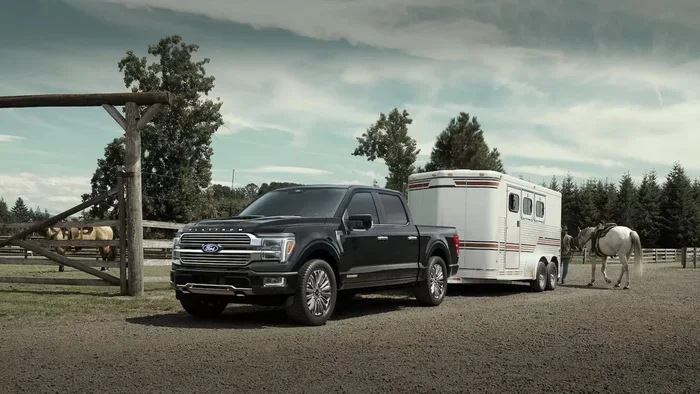
Can a Ford F-150 Pull a Gooseneck Horse Trailer Easily
Yes, a Ford F-150 can pull a gooseneck horse trailer with the right setup and a clear understanding of your truck’s limits. Most modern F-150 models have the towing capacity and payload strength needed for this task. However, you need to match your specific trim, engine, and hitch configuration to the trailer weight. This guide covers everything you need to know about safely towing a gooseneck horse trailer with your Ford F-150.
Many Ford F-150 owners wonder whether their truck can handle towing a gooseneck horse trailer. The short answer is yes. A Ford F-150 pull a gooseneck horse trailer with confidence when you have the right configuration. But it is not as simple as hooking up and driving. You need to understand your truck’s limits, choose the right hitch, and set up your towing equipment properly.
Towing a horse trailer is a big responsibility. Your horses’ safety depends on it. And so does the safety of everyone else on the road. This guide will walk you through everything you need to know. From understanding towing capacity to setting up your gooseneck hitch, we have you covered. Let us dive in.
Key Takeaways
- Ford F-150 towing capacity varies by trim and engine: Higher-end trims with the 3.5L EcoBoost can tow up to 14,000 pounds, making them well-suited for gooseneck horse trailers.
- Payload matters as much as towing capacity: The weight of horses, feed, and equipment adds up fast, so check your truck’s payload rating before loading up.
- A gooseneck hitch is essential: It provides better stability and weight distribution compared to a standard ball hitch for horse trailer towing.
- Trailer brakes and proper wiring are non-negotiable: They ensure safe stopping and legal compliance on the road.
- Avoid common mistakes like overloading and ignoring tongue weight: These can lead to dangerous towing situations.
- Practice in a safe area before hitting the highway: Get comfortable with your towing setup before long trips with your horses.
📑 Table of Contents
Understanding Your Ford F-150 Towing Capabilities
The Ford F-150 is one of the best-selling trucks in America. And for good reason. It offers strong towing performance across many trims and engine options. But not every F-150 is created equal when it comes to towing a gooseneck horse trailer. Your specific model year, trim level, and engine choice all matter.
Towing Capacity by Engine and Trim
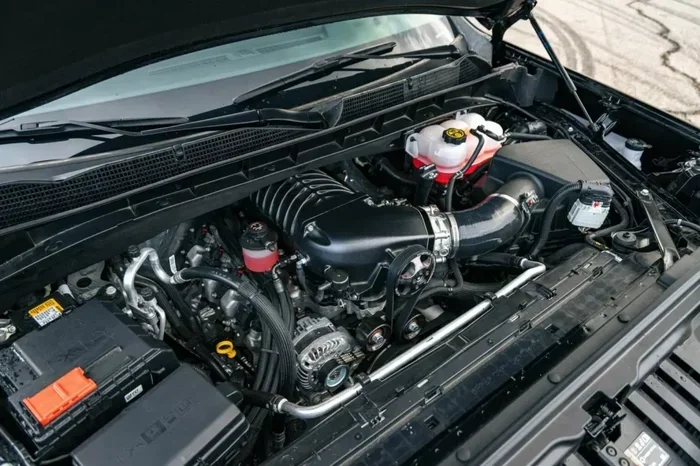
Ford offers several engine options for the F-150. Each one delivers different towing numbers. The base 3.3-liter V6 engine can tow up to 7,700 pounds. That might not be enough for a loaded gooseneck horse trailer. The 5.0-liter V8 improves on that, offering around 9,500 pounds of towing capacity. But the real star for horse trailer towing is the 3.5-liter EcoBoost V6. This engine can tow up to 14,000 pounds in certain configurations.
Here is a quick look at the towing numbers by engine:
- 3.3L V6: Up to 7,700 lbs towing capacity
- 5.0L V8: Up to 9,500 lbs towing capacity
- 3.5L EcoBoost V6: Up to 14,000 lbs towing capacity
- 3.5L PowerBoost Hybrid: Up to 12,700 lbs towing capacity
Higher trims like the Limited, Platinum, and Raptor come with upgraded towing packages. These packages include stronger cooling systems, better suspension, and enhanced electrical setups. If you plan to tow a gooseneck horse trailer regularly, the 3.5L EcoBoost or PowerBoost is the way to go.
Payload Capacity vs. Towing Capacity
Many people confuse towing capacity with payload capacity. They are not the same thing. Towing capacity refers to how much weight your truck can pull behind it. Payload capacity refers to how much weight your truck can carry in its bed and on its frame.
When you are towing a horse trailer, both numbers matter. The horses inside the trailer add weight. Your tack, feed, water, and equipment add more. All of that weight sits on the trailer hitch, which transfers some of it to the truck’s rear axle. This is called hitch weight or tongue weight.
A typical gooseneck horse trailer weighs between 4,000 and 8,000 pounds empty. Add two to four horses (each weighing 1,000 to 1,500 pounds), and you are looking at a total trailer weight of 8,000 to 14,000 pounds. That is a big range. You need to know your exact numbers before you load up.
What Is a Gooseneck Horse Trailer?
A gooseneck horse trailer is a type of horse transport trailer that connects to your truck using a ball hitch mounted in the truck bed. The name comes from the long nose that extends over the truck cab. This design gives the trailer better stability and maneuverability compared to bumper-pull trailers.
How Gooseneck Trailers Differ from Other Types
The most common alternative to a gooseneck trailer is a bumper-pull or tag-along trailer. Bumper-pull trailers connect to a hitch ball at the rear bumper. They are easier to set up but less stable, especially when loaded with heavy weight like horses.
A gooseneck trailer places the hitch point further back over the rear axle. This gives better weight distribution. It reduces trailer sway. And it allows for sharper turns without the trailer cutting corners. For horse transport, this stability matters a lot. Horses can get nervous during towing, and a stable trailer keeps them calmer.
Some people also compare gooseneck trailers to fifth wheel trailers. Fifth wheel trailers use a different hitch system mounted in the bed. They are typically used for RVs, not horse trailers. But the principle is similar. Both gooseneck and fifth wheel setups offer better towing stability than bumper-pull designs.
Average Weight of a Horse Trailer
Horse trailer weight varies widely. A small two-horse bumper-pull trailer might weigh around 2,500 pounds. A large gooseneck horse trailer with four stalls can weigh 8,000 pounds or more when empty. Here is a general breakdown:
- Two-horse slant load gooseneck: 4,000 to 6,000 lbs empty
- Three-horse gooseneck: 6,000 to 8,000 lbs empty
- Four-horse gooseneck: 7,000 to 10,000 lbs empty
- Live bumper-pull (two horses): 2,500 to 4,000 lbs empty
Always check your specific trailer’s gross vehicle weight rating (GVWR). This is the maximum weight the trailer is designed to carry, including the weight of the horses and equipment inside.
Can a Ford F-150 Pull a Gooseneck Horse Trailer?
The answer depends on your specific F-150 configuration and your trailer weight. In most cases, a properly equipped Ford F-150 can handle a standard gooseneck horse trailer with one to four horses. But you must stay within your truck’s rated limits.
Weight Breakdown and Real Numbers
Let us look at a real-world example. Say you have a 2023 Ford F-150 XLT with the 3.5L EcoBoost engine. This truck has a towing capacity of about 13,500 pounds and a payload capacity of around 2,000 pounds. Now say your gooseneck horse trailer weighs 6,500 pounds empty. You add two horses at 1,200 pounds each, plus tack and feed weighing 500 pounds. Your total trailer weight is about 9,400 pounds.
That 9,400-pound trailer is well within the 13,500-pound towing capacity. But what about payload? The hitch weight of a gooseneck trailer is typically 10 to 15 percent of the total trailer weight. So your hitch weight would be around 940 to 1,410 pounds. Add that to the weight of any cargo in your truck bed, and you need to stay under the 2,000-pound payload limit.
This is why checking your numbers before every trip is so important. Overloading can damage your truck and create unsafe towing conditions.
Hitch Types and Compatibility
To tow a gooseneck horse trailer, you need a gooseneck hitch installed in your truck bed. There are several types to consider:
- Fixed gooseneck hitch: A permanent hitch that stays in the bed. It offers the strongest connection but reduces bed space.
- Slider gooseneck hitch: A hitch that slides forward and backward on rails. This is helpful when you need more bed space or when your trailer weight is near your truck’s limits.
- Removable gooseneck hitch: A hitch you can take out when not towing. It preserves full bed access.
Make sure your hitch is rated for the trailer weight. Most gooseneck hitches are rated for 20,000 to 30,000 pounds, which is more than enough for horse trailers. But the truck bed and frame must also be able to handle the load. The F-150’s built-in gooseneck mounting points are designed for this purpose in most models.
If your F-150 does not have factory gooseneck prep, you can add an aftermarket kit. This typically involves installing reinforced mounting brackets and a hitch receiver. Have a professional install it to ensure it is done safely.
Essential Towing Setup for Safe Hauling
Having the right setup goes beyond just the hitch. Safe horse transport requires a complete towing package. Here are the key components you need.
Trailer Brakes and Electrical Connections
Most states require trailer brakes for trailers over a certain weight, typically 1,500 to 3,000 pounds. A gooseneck horse trailer will almost always exceed this limit. You need a trailer brake controller installed in your truck.
A brake controller lets you apply the trailer brakes independently from your truck brakes. This gives you much better control when stopping, especially on downhill grades. There are two main types: time-delayed controllers and inertia-based controllers. Inertia-based controllers are generally preferred because they adjust braking force based on the actual deceleration of your truck.
You also need proper wiring for trailer lights. This includes turn signals, brake lights, and running lights. A 7-pin connector is standard for gooseneck trailers. Make sure all connections are secure and tested before every trip.
Towing Mirrors and Visibility Upgrades
A gooseneck horse trailer is wide and long. It will block your rearview mirror visibility. Extended towing mirrors are a must-have. Look for mirrors that extend far enough to give you a clear view of the trailer and the road behind you.
Some Ford F-150 trims come with power-adjustable towing mirrors as part of the towing package. If your truck does not have them, aftermarket towing mirrors are affordable and easy to install. Consider also adding a trailer camera system. A rear-facing camera on the trailer can help you see what is happening behind you, especially when making turns or backing up.
Suspension and Weight Distribution
The F-150 has a solid rear axle with coil springs in most configurations. When you are towing near your truck’s limits, consider adding helper springs or a weight distribution system. These upgrades help level the truck and improve stability.
A level truck tows better and handles more predictably. If your truck sits too far back when loaded, it can affect steering and braking. Air helper springs are a popular upgrade for F-150 owners who tow frequently.
Common Mistakes Truck Owners Make
Even experienced truck owners can make towing mistakes. Here are some of the most common ones to avoid when towing a gooseneck horse trailer:
- Ignoring payload limits: Many people focus only on towing capacity and forget about payload. But the weight of your horses and gear sits on the truck too.
- Overloading the trailer: It can be tempting to fit as many horses as possible. But exceeding the trailer’s GVWR is dangerous and illegal.
- Skipping the trailer brake controller: Without proper trailer brakes, stopping distance increases dramatically. This is especially true when loaded with heavy horses.
- Not checking tire pressure: Both truck and trailer tires need to be at the correct pressure before every trip. Underinflated tires cause overheating and blowouts.
- Ignoring trailer sway: If your trailer starts swaying, do not slam the brakes. Ease off the accelerator and let the trailer stabilize. A weight distribution hitch can help prevent sway in the first place.
- Rushing the setup: Take time to properly hitch, check connections, and do a test drive before hitting the highway.
Tips for a Smooth Towing Experience
Towing a gooseneck horse trailer does not have to be stressful. With the right preparation, it becomes second nature. Here are some tips from experienced horse haulers:
- Do a pre-trip checklist every time. Check hitch connections, trailer lights, tire pressure, and brake controller function before you leave.
- Practice in an empty parking lot. Get a feel for how your truck and trailer handle turns, braking, and backing up before you hit busy roads.
- Drive slower than normal. Towing a heavy trailer changes your truck’s handling. Allow more following distance and take turns wider.
- Plan your stops. Horses need rest stops during long hauls. Plan to stop every 3 to 4 hours to check on them and give them water.
- Keep your load balanced. Place heavier horses closer to the truck and lighter ones toward the back. This helps with weight distribution and trailer stability.
- Use a towing guide or app. Apps like Trailer Fly or Ford’s built-in towing assist can help you navigate routes that avoid low bridges and weight-restricted roads.
These small habits make a big difference. They keep your horses safe and your truck running strong for years to come.
Conclusion
So, can a Ford F-150 pull a gooseneck horse trailer? Absolutely. The Ford F-150 is a capable towing truck that handles gooseneck horse trailers with ease when properly configured. Whether you have the base V6 or the powerful EcoBoost, understanding your truck’s towing and payload limits is the key to safe and successful horse transport.
Invest in the right gooseneck hitch, trailer brakes, and towing mirrors. Practice your setup before long trips. And always respect your truck’s rated capacities. With the right preparation, towing a gooseneck horse trailer with your Ford F-150 can be a safe, reliable, and even enjoyable experience. Happy trails.
Frequently Asked Questions
Can a Ford F-150 tow a 4-horse gooseneck trailer?
Yes, a Ford F-150 with the 3.5L EcoBoost engine can tow a 4-horse gooseneck trailer in most configurations. However, you must check the total trailer weight against your truck’s towing capacity and ensure your payload and hitch weight stay within safe limits. Always verify the specific weights before loading up.
Do I need a special hitch to tow a gooseneck horse trailer with an F-150?
Yes, you need a gooseneck hitch installed in the truck bed. The Ford F-150 comes with factory gooseneck mounting points in most models. You can choose a fixed, slider, or removable gooseneck hitch depending on your needs and how often you tow.
What is the best Ford F-150 trim for towing a gooseneck horse trailer?
The Ford F-150 XLT, Lariat, and Limited trims are excellent choices for horse trailer towing. They come with the 3.5L EcoBoost engine and towing packages that include upgraded cooling, towing mirrors, and integrated trailer brake controllers. The Raptor also offers strong towing performance but is more expensive.
How do I prevent trailer sway when towing a horse trailer?
To prevent trailer sway, make sure your load is balanced and the hitch weight is correct. Use a weight distribution hitch if needed. Drive at moderate speeds and avoid sudden lane changes. If sway does occur, ease off the accelerator gently and do not brake hard. A proper towing setup with the right gooseneck hitch makes a big difference.
Can I tow a gooseneck horse trailer with a Ford F-150 Regular Cab?
Yes, you can tow a gooseneck horse trailer with a Regular Cab F-150 as long as the truck is properly equipped with the right engine and towing package. However, Regular Cab models have shorter beds, which may limit bed space for the gooseneck hitch. A slider hitch can help solve this problem.
Do I need trailer brakes for a gooseneck horse trailer with an F-150?
In most states, trailer brakes are required for trailers over 1,500 to 3,000 pounds. Since a gooseneck horse trailer typically weighs well over this limit, you will need a trailer brake controller. This ensures safe stopping power and is often a legal requirement. Check your local laws before hitting the road.