BMW Wont Start but Everything Else Works Explained
A BMW that won’t start but has power is a frustrating but common problem. The dashboard lights, radio, and lights work fine, yet the engine refuses to turn over. This guide breaks down the most likely reasons, from a dead key fob battery to a faulty starter motor, and gives you clear steps to diagnose and fix the issue yourself or know when to call a pro.
You walk up to your BMW on a cold morning. You press the start button. The dashboard lights up. The radio turns on. But the engine? Nothing. It just sits there silently, or maybe you hear a single click and nothing more.
This is one of the most common BMW problems owners face. Your BMW won’t start but everything else works. The lights come on. The infotainment system is fully functional. The climate control works. But the engine simply refuses to turn over.
This situation is more common than you think. BMW owners run into this issue across all models, from the 3 Series to the X5. The good news is that most causes are fixable. Some are even free. This guide walks you through every possible reason and gives you clear steps to get back on the road.
We will cover everything from simple key fob fixes to more complex fuel system problems. By the end, you will know exactly what to check and what to do next. Let’s dive in.
Key Takeaways
- Power but no start: Your BMW has electricity for accessories but fails to crank the engine, pointing to specific ignition or fuel system faults.
- Key fob battery is a top culprit: A weak key fob battery is the simplest and most common reason your BMW won’t start but everything else works.
- Starter motor failures: A bad starter motor or solenoid can prevent cranking even when the dashboard lights up perfectly.
- Fuel pump and relay issues: A failing fuel pump or bad relay stops fuel from reaching the engine, causing a no-start condition.
- Immobilizer and security system: BMW’s anti-theft system can block startup if it doesn’t recognize your key or fob.
- DIY fixes save money: Many causes like fob battery replacement, relay checks, and connection cleaning can be done at home.
- Know when to seek help: Some issues like ECU faults or internal engine problems need a qualified BMW mechanic.
📑 Table of Contents
Why Does My BMW Crank But Not Start?
When your BMW won’t start but everything else works, the problem usually falls into one of three categories: ignition, fuel, or electrical. The engine needs all three to run. If even one is missing, you get a no-start condition.
Think of it like a recipe. You need the right ingredients in the right amounts. Your BMW needs spark, fuel, and compression at the exact right moment. If any one of those is missing, the engine won’t fire up.
Here is the key difference you need to understand. When your BMW cranks but won’t start, the starter motor is working. The engine is turning over. But something is preventing combustion. When your BMW does not crank at all, the problem is usually in the starting system itself. Both situations are covered here.
Understanding the No-Start Condition
A no-start condition means the engine does not fire when you turn the key or press the button. This is different from a stall, where the engine starts but then dies. A no-start is a complete failure to begin running.
Your BMW has a very smart system that checks several things before it will start. The immobilizer system verifies your key. The engine control unit checks sensor readings. The fuel pump builds pressure. If any of these checks fail, the car stays silent even though the dashboard lights up.
Common Reasons Your BMW Won’t Start but Has Power
Let us get into the specific causes. These are the most common reasons BMW owners deal with a car that has power but will not start. Each one is explained in simple terms with practical advice.
1. Weak or Dead Key Fob Battery
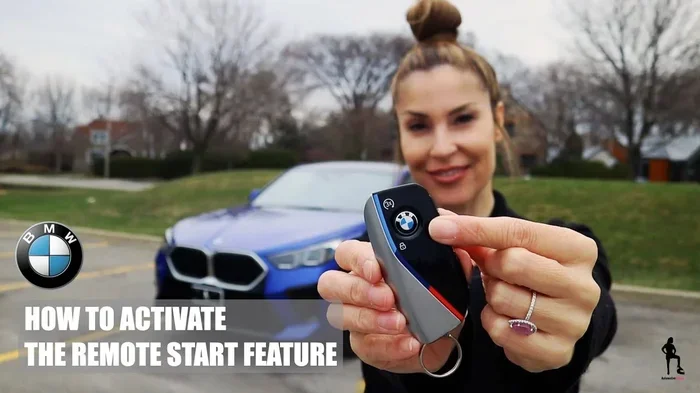
This is the number one most common cause. If your BMW has a push-button start, it relies on the key fob to communicate with the car. When the fob battery dies, the car cannot recognize the key. The result? Your BMW won’t start but everything else works perfectly.
The dashboard lights up because they run on the car’s main battery. The radio works because it does not need the fob signal. But the engine start function requires the fob to be detected.
Most BMW key fobs use a CR2032 battery. Replacing it is simple and costs under five dollars. Open the fob, swap the battery, and you are usually back in business. Some BMW models have a backup start procedure. Check your owner’s manual for the exact steps for your model.
Quick Tip: Always carry a spare fob battery in your glove box. It takes two minutes to swap and saves you from a long walk to the dealership.
2. Faulty Starter Motor or Solenoid
The starter motor is what actually cranks the engine. When you press the start button, the starter motor engages and turns the engine over. If the starter motor fails, you might hear a single click or nothing at all.
A bad starter solenoid is even more common in BMWs. The solenoid is the small switch that sends power to the starter motor. When it goes bad, the starter motor never gets the signal to engage.
Signs of a failing starter include a grinding noise when you try to start, intermittent starting problems, or a complete silence when you press the button. Starter motors in BMWs typically last between 100,000 and 150,000 miles. After that, failure becomes more likely.
Quick Tip: If you hear a single click but the engine does not turn over, the starter motor or solenoid is a strong suspect. Have someone tap the starter motor lightly with a wrench while you try to start. This temporary fix can sometimes get you going long enough to reach a shop.
3. Fuel Pump Failure
Your BMW needs fuel to run. The fuel pump sends gasoline from the tank to the engine. When the fuel pump fails, the engine gets no fuel. It cranks and cranks but never starts.
BMW fuel pumps are known to fail, especially in older models and higher-mileage vehicles. The pump is inside the fuel tank and can wear out over time. Heat and contamination speed up this process.
You can test the fuel pump by turning the key to the ON position (not start). You should hear a brief humming sound from the back of the car. This is the fuel pump priming the system. If you hear nothing, the fuel pump may be dead.
Quick Tip: Always keep your fuel tank at least a quarter full. Running on empty puts extra strain on the fuel pump and shortens its lifespan significantly.
4. Bad Fuel Pump Relay
The fuel pump relay controls power to the fuel pump. It is a small electrical switch that can fail over time. When the relay goes bad, the fuel pump does not get power, even if the pump itself is perfectly fine.
This is a much cheaper fix than replacing the entire fuel pump. The relay is usually located in the fuse box under the hood. Replacing it takes about five minutes and costs under twenty dollars.
BMW models from the E46 and E90 generations are particularly prone to fuel pump relay failures. If your BMW will not start and you have fuel pressure issues, always check the relay before replacing expensive parts.
5. Immobilizer or Security System Issue
Every modern BMW has an immobilizer system. This is an anti-theft feature that prevents the engine from starting unless it recognizes your specific key or fob. When the immobilizer does not recognize the key, the car will crank but not start.
This can happen for several reasons. The key transponder chip can fail. The immobilizer antenna ring around the ignition can break. The body control module can have a software glitch.
If your BMW starts fine one day and then refuses to start the next, the immobilizer is a likely culprit. The dashboard usually shows a key symbol or a warning light when this happens.
Quick Tip: Try using a spare key if you have one. If the spare key works, the problem is with the original key’s transponder chip, not the car itself.
6. Ignition Coil or Spark Plug Problems
Your BMW needs spark to ignite the fuel in the cylinders. The ignition coil provides that spark. When an ignition coil fails, one or more cylinders lose their spark. The engine cranks but cannot start.
BMW ignition coils are known to wear out, especially in higher-mileage vehicles. Spark plugs also degrade over time and can cause starting problems when they are worn.
You might notice other symptoms before a complete no-start. Rough idling, misfires, and reduced power are all warning signs. If you ignore these, a full no-start condition can follow.
Quick Tip: Replace your spark plugs at the recommended interval, usually every 30,000 to 60,000 miles depending on the BMW model and plug type. This simple maintenance prevents many ignition problems.
7. Corroded Battery Terminals or Ground Wires
Your BMW battery may be fully charged, but if the connections are corroded, power cannot flow properly. Corrosion on battery terminals or ground wires is a sneaky cause of no-start conditions.
The dashboard lights work because they need very little power. The starter motor needs a massive surge of electricity. If the connections are corroded, that surge cannot get through, and the engine will not crank.
BMW models with ground wires on the engine block or chassis are especially susceptible to corrosion. These wires can develop green or white buildup over time.
Quick Tip: Open the hood and inspect your battery terminals. If you see white or green crusty buildup, clean it off with a wire brush and a baking soda solution. This takes five minutes and can solve your no-start problem instantly.
8. ECU or Sensor Malfunction
The engine control unit, or ECU, is the brain of your BMW. It controls fuel injection, spark timing, and many other functions. When the ECU or one of its sensors fails, the engine may not start.
Common sensor failures that cause no-start include the crankshaft position sensor and the camshaft position sensor. These sensors tell the ECU the exact position of the engine’s rotating parts. Without this information, the ECU cannot time the spark or fuel delivery correctly.
BMW crankshaft position sensors are a known weak point on several models. They fail without warning and leave you stranded. The good news is they are relatively inexpensive and straightforward to replace.
Quick Tip: If your BMW shows a check engine light along with the no-start condition, get a diagnostic scan done. A BMW-specific scan tool can read error codes that point directly to the failing sensor or component.
How to Diagnose Your BMW No-Start Problem
Diagnosing a BMW that will not start but has power requires a systematic approach. You do not need to be a professional mechanic. With the right steps, you can narrow down the cause quickly.
Step 1: Check the Key Fob
Start with the simplest and most common cause. Replace the key fob battery. Try the spare key. Hold the fob directly against the start button and try starting. If your BMW starts this way, the fob battery was the problem.
Step 2: Listen for the Fuel Pump
Turn the key to the ON position without starting. Listen carefully at the back of the car, near the fuel tank. You should hear a soft hum for two to three seconds. No sound means a potential fuel pump or relay issue.
Step 3: Check for Spark
Remove a spark plug and reconnect it to the ignition coil. Ground the plug against the engine block. Have someone turn the key to start. You should see a bright blue spark. No spark or a weak yellow spark points to an ignition coil or crankshaft sensor problem.
Step 4: Inspect Battery Connections
Look at the battery terminals closely. Clean any corrosion. Make sure the cables are tight. A voltage test should show 12.6 volts or higher with the engine off. If the voltage is low, the battery may not have enough power to crank the engine even though it can power the lights.
Step 5: Use a Diagnostic Scanner
A BMW-specific diagnostic scanner is the best tool for pinpointing no-start issues. It reads error codes from the ECU, ABS module, and body control module. These codes reveal exactly what is preventing the engine from starting. Many auto parts stores offer free scanning if you bring the car in.
When to Call a Professional BMW Mechanic
Some BMW no-start problems are beyond DIY fixes. Knowing when to call a professional saves you time and prevents costly mistakes.
If you have checked the key fob, battery connections, fuel pump relay, and starter motor, and the car still will not start, it is time for expert help. Internal engine problems like a broken timing chain or seized engine require specialized tools and expertise.
BMW ECU failures also need professional diagnosis. Reprogramming or replacing an ECU is not a simple fix. A certified BMW technician has the software and training to handle these jobs correctly.
Expert Insight: BMW dealerships and independent specialists who focus on BMW repairs have the latest diagnostic software. Generic OBD2 scanners cannot always read BMW-specific codes. Investing in a proper diagnosis first can save hundreds of dollars in unnecessary part replacements.
Prevention Tips to Avoid BMW No-Start Problems
The best fix for a BMW that will not start is preventing the problem in the first place. A few simple habits can keep your BMW starting reliably for years to come.
- Replace your key fob battery every two years. Do not wait until it dies unexpectedly. Set a calendar reminder.
- Keep your fuel tank above a quarter full. This protects the fuel pump from overheating and premature failure.
- Replace spark plugs on schedule. Follow the BMW maintenance schedule for your specific model year.
- Inspect battery terminals every six months. Clean any corrosion before it causes connection problems.
- Get a diagnostic scan during oil changes. Many shops include this. It catches small problems before they become big ones.
- Store your BMW properly if not driven regularly. A battery maintainer keeps the charge steady during long periods of inactivity.
BMW No-Start Quick Comparison Table
Here is a quick reference table comparing the most common causes of a BMW that will not start but has dashboard power.
| Symptom | Likely Cause | DIY Fixable? | Cost to Fix |
|---|---|---|---|
| No sound at all when pressing start | Dead key fob battery | Yes | Under $5 |
| Single click but engine does not turn | Bad starter motor or solenoid | Partially | $200-$500 |
| Engine cranks normally but will not fire | No fuel or no spark | Depends | $50-$400 |
| Intermittent no-start, especially in cold | Ignition coil or crankshaft sensor | No | $150-$350 |
| Dashboard shows key warning light | Immobilizer or key transponder issue | Sometimes | $50-$300 |
| No fuel pump hum when turning key to ON | Fuel pump or relay failure | Partially | $20-$400 |
Use this table as a starting point for your diagnosis. Match your symptoms to the most likely cause and work from there. Start with the simplest and cheapest fixes first.
Final Thoughts
A BMW that will not start but has power is a stressful experience. But it is almost always a solvable problem. The most common causes are simple and affordable to fix. The key fob battery alone accounts for a huge percentage of these no-start situations.
Work through the list systematically. Start with the easiest checks and move toward the more complex ones. If you get stuck, a professional diagnostic scan can save you hours of guessing.
Remember: Your BMW is a precision machine, but it still follows basic mechanical principles. Spark, fuel, and compression. If any one of those is missing, the engine will not start. Find the missing piece, and you find the fix.
Keep this guide bookmarked. Share it with fellow BMW owners. And most importantly, do not panic the next time your BMW refuses to start. You now know exactly what to check and what to do.
Frequently Asked Questions
Why does my BMW have power but won’t start?
The most common reason is a dead key fob battery. Other causes include a faulty starter motor, fuel pump failure, bad fuel pump relay, or an immobilizer issue. Your BMW needs spark, fuel, and proper sensor signals to start. When any one of these fails, you get power to the accessories but the engine will not start.
How do I start my BMW with a dead key fob battery?
Most BMW models allow you to place the dead key fob directly against the start button and press it. The car can read the fob through the button this way. Check your owner’s manual for the exact procedure for your specific BMW model. Replacing the CR2032 battery in the fob takes under two minutes.
Can a bad battery cause a BMW to crank but not start?
Yes. Even if your BMW battery has enough power to run the dashboard lights and radio, it may not have enough juice to crank the starter motor. A weak battery can cause a slow crank that does not generate enough compression to start the engine. Test your battery voltage to rule this out.
How much does it cost to fix a BMW that won’t start?
The cost depends entirely on the cause. A key fob battery costs under five dollars. A fuel pump relay is around twenty dollars. A starter motor replacement runs between two hundred and five hundred dollars. A fuel pump replacement can cost three hundred to eight hundred dollars depending on the BMW model. Always diagnose the exact cause before replacing parts.
What BMW models are most prone to no-start problems?
BMW E46, E90, and F30 models are frequently reported with no-start issues. Common problems in these generations include fuel pump relay failures, crankshaft position sensor breakdowns, and ignition coil wear. Newer BMW models with electronic parking brakes and advanced start-stop systems have their own unique no-start failure points.
Should I try to jump-start my BMW if it won’t start?
Jump-starting only helps if the problem is a dead battery. If your BMW has power for the dashboard and lights, the battery is not the issue. Jump-starting will not fix a bad starter motor, fuel pump failure, or immobilizer problem. Diagnose the actual cause first to avoid wasting time and potentially damaging the electrical system.
=== CONCLUSION ===
Your BMW won’t start but everything else works, and now you know why. From a simple key fob battery swap to a more complex fuel pump replacement, the causes range from easy DIY fixes to professional repairs. The key is to diagnose systematically and start with the simplest explanations.
BMW no-start problems are almost always fixable. Most owners resolve the issue within an hour using the tips in this guide. Keep your key fob battery fresh, maintain your fuel system, and stay on top of scheduled maintenance. These habits keep your BMW starting reliably day after day.
If you found this guide helpful, share it with a fellow BMW owner who might need it. And remember, the next time your BMW refuses to start, you will be ready. You know exactly what to check and how to get back on the road.