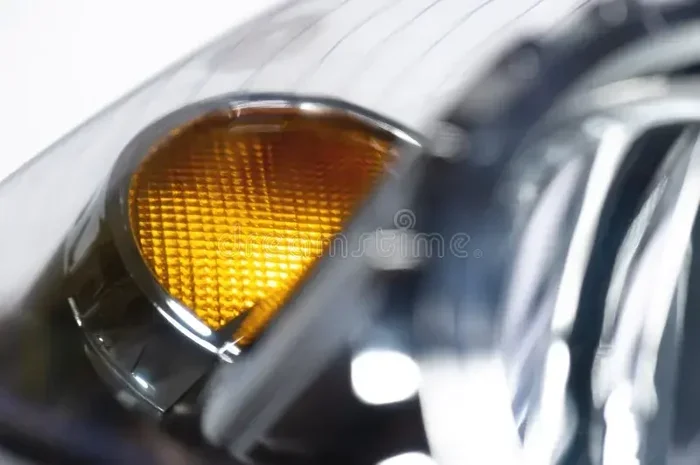
Understanding the Mirror Used in Headlight of a Car
The mirror used in headlight of a car is a critical component that shapes and directs the light beam for safe night driving. Most cars use either a parabolic reflector or a projector lens system to focus light from the bulb onto the road. Understanding how this mirror works helps you maintain brighter headlights, fix common issues, and choose the right replacement parts for your vehicle.
Have you ever wondered what sits inside your car headlight housing behind the glass? Most people never think about it. But the mirror used in headlight of a car plays a huge role in how well you see at night. It takes the light from a small bulb and shapes it into a powerful beam that lights up the road ahead.
Without this mirror, your headlight would just send light in all directions. You would get a dim, scattered glow instead of a focused beam. That is why understanding how this part works matters. Whether you are driving on a dark highway or navigating a rainy back road, the mirror makes all the difference.
In this guide, we will break down everything you need to know. We will cover the types of mirrors used, how they work, common problems, and simple maintenance tips. By the end, you will know your headlight system better than most car owners do.
Key Takeaways
- Parabolic and projector mirrors are the two main types used in car headlamps today.
- The headlight mirror reflects and focuses light from the bulb to create a proper beam pattern.
- Dirty or damaged mirrors significantly reduce light output and visibility at night.
- Regular cleaning and alignment checks keep your headlight mirror performing at its best.
- Upgrading to LED or HID systems may require a compatible mirror design for optimal results.
- Restoration kits can revive cloudy or oxidized headlight mirrors without full replacement.
- Proper headlight alignment ensures the mirror directs light correctly and avoids blinding other drivers.
📑 Table of Contents
- What Is the Mirror Used in Headlight of a Car?
- Types of Mirrors Used in Car Headlamps
- How the Headlight Mirror Works
- Common Problems with Headlight Mirrors
- How to Maintain and Restore Your Headlight Mirror
- Choosing the Right Headlight Mirror for Your Car
- Expert Insights on Headlight Mirror Performance
- Key Takeaways
- Frequently Asked Questions
- Conclusion
What Is the Mirror Used in Headlight of a Car?
The headlight mirror is a reflective surface placed inside the headlight housing. Its job is to catch light from the bulb and direct it forward. Think of it like a satellite dish for light. The mirror catches the light waves and channels them in one direction.
Most car headlights use a reflector design. The bulb sits at or near the focal point of the mirror. When the bulb lights up, the mirror captures the light and bounces it outward. This creates a concentrated beam that reaches far down the road.
The shape of the mirror matters a lot. A perfectly curved mirror focuses light into a tight, useful pattern. A warped or dirty mirror scatters light and reduces visibility. That is why keeping this part clean and intact is so important for safe driving.
Why the Mirror Matters More Than You Think
Many car owners focus on bulb brightness but ignore the mirror. A bright bulb paired with a poor mirror will still give you bad light. The mirror determines how much of the bulb’s light actually reaches the road. Here is why it matters:
- Light efficiency: A good mirror directs up to 90 percent of the bulb’s light forward.
- Beam pattern: The mirror shapes the light into a flat cutoff that avoids blinding oncoming drivers.
- Visibility range: A clean mirror can add dozens of feet to your seeing distance at night.
- Safety: Proper reflection reduces glare for other drivers while improving your view of the road.
Simply put, the mirror is the unsung hero of your car’s lighting system. It works silently every time you turn on your headlights.
Types of Mirrors Used in Car Headlamps
Not all headlight mirrors are the same. Car manufacturers use different designs depending on the vehicle type, budget, and lighting technology. Let us look at the most common types you will encounter.
Parabolic Reflector Mirror
This is the most traditional type found in standard halogen headlights. It has a bowl-like shape with a smooth, curved surface. The bulb sits at the focal point of the parabola. Light rays bounce off the mirror and travel parallel to each other, creating a strong forward beam.
Parabolic mirrors are simple and effective. They work well with standard bulbs and cost less to produce. Most older cars and budget vehicles still use this design. The downside is that they can produce a less precise beam pattern compared to newer systems.
Projector Lens Mirror System
Projector headlights use a combination of a mirror and a special lens. The mirror sits at the back of the housing and reflects light toward the front. A condenser lens then focuses the light even further. This creates a very sharp, clean beam pattern with a distinct cutoff line.
Projector systems are common in modern cars, especially mid-range and luxury vehicles. They offer better light control and look sleeker too. Many people upgrade their headlights to projector-style units for improved night visibility.
Polycarbonate Reflector Mirror
Some modern headlight housings use a polycarbonate mirror instead of glass. Polycarbonate is a type of durable plastic. It is lighter and more impact-resistant than glass. However, it can yellow or become cloudy over time due to UV exposure.
These mirrors are common in newer vehicles. They perform well when new but need more maintenance as the car ages. Regular cleaning and protection can extend their lifespan significantly.
Dual-Mirror Systems
High-end vehicles sometimes use dual-mirror setups. One mirror handles the low beam, and another manages the high beam. This allows for precise control of both light settings. The result is excellent road coverage without blinding other drivers.
These systems are more complex and expensive. But they offer the best performance and beam control available in production cars today.
How the Headlight Mirror Works
Understanding how the mirror used in headlight of a car works is simpler than it sounds. The basic principle is reflection. Let us walk through the process step by step.
- The bulb lights up. When you switch on your headlights, current flows through the filament or LED chip.
- Light radiates in all directions. The bulb sends light outward in every direction, not just forward.
- The mirror catches the light. The reflective surface behind the bulb captures light that would otherwise go backward or sideways.
- Light bounces forward. The curved surface of the mirror redirects the light rays toward the front of the car.
- A focused beam emerges. The light exits the headlight housing as a concentrated beam that illuminates the road.
The position of the bulb inside the mirror is critical. If the bulb is too far forward or too far back, the beam pattern suffers. This is why headlight alignment matters so much after any repair or bulb replacement.
The Role of the Condenser Lens
In projector headlight systems, a condenser lens works alongside the mirror. The lens sits in front of the mirror and helps focus the light even more. It also protects the mirror from dirt and moisture. Together, the mirror and lens create a very precise beam pattern.
Without the condenser lens, the light would spread out too much. The lens keeps the beam tight and useful. This is why projector headlights look so much sharper than basic reflector designs.
Beam Pattern and Cutoff Line
A well-designed mirror creates a specific beam pattern. The top of the beam has a sharp cutoff line. This line prevents light from shining into the eyes of oncoming drivers. The light spreads flat and wide along the road, giving you the best view without causing glare.
If your mirror is damaged or misaligned, the cutoff line can shift. This causes glare for other drivers and reduces your own visibility. It is a safety issue that many car owners overlook.
Common Problems with Headlight Mirrors
Headlight mirrors face a lot of wear and tear over time. Road debris, weather, and age all take a toll. Here are the most common problems you might run into.
Mirror Oxidation and Cloudiness
Polycarbonate mirrors are especially prone to oxidation. The surface becomes cloudy or hazy over time. This reduces the amount of light that passes through the headlight lens. Even with a brand-new bulb, your headlights will look dim.
Oxidation happens because of UV exposure and exposure to road chemicals. Salt, bug splatter, and acid rain all speed up the process. If your headlights look yellow or foggy, the mirror inside may also be affected.
Mirror Warping
Extreme heat can warp the mirror surface. When the mirror warps, it loses its precise curve. The light beam becomes scattered and uneven. You may notice dark spots or irregular patterns in your headlight beam.
Warping often happens after prolonged driving in hot conditions. It can also occur if a headlight housing cracks and lets heat build up unevenly. Replacing the housing or the mirror fixes this problem.
Mirror Delamination
Some mirrors have a reflective coating that peels away over time. This is called delamination. You might see patches of bare plastic where the reflective layer has worn off. These patches create dark spots in your light beam.
Delamination is harder to fix than oxidation. In most cases, the entire mirror or headlight assembly needs replacement. Sealing the headlight properly can slow down this process.
Misalignment After Bulb Replacement
When you replace a headlight bulb, you might accidentally shift the mirror or housing. Even a small movement changes the beam pattern. The light might aim too high, too low, or to one side.
This is why it is smart to check your headlight alignment after any bulb change. A simple adjustment can restore proper beam pattern and keep you safe on the road.
How to Maintain and Restore Your Headlight Mirror
Good maintenance keeps your headlight mirror working at its best. Here are practical steps you can take at home.
Clean the Mirror Regularly
Dust and grime build up on the inside of the headlight housing. This reduces light output over time. Open the housing carefully and clean the mirror surface with a soft cloth and mild soap. Avoid harsh chemicals that can damage the reflective coating.
A quick cleaning every few months makes a noticeable difference. You will see brighter lights without spending a dime.
Use a Headlight Restoration Kit
If the mirror or lens has become cloudy, a restoration kit can help. These kits include sandpaper, polish, and a protective sealant. The process removes the oxidized layer and restores clarity.
Here is a simple process:
- Clean the headlight surface thoroughly.
- Use the fine-grit sandpaper included in the kit.
- Sand in circular motions until the cloudiness fades.
- Apply the polishing compound and buff the surface.
- Seal with the UV-protective coating provided.
This process works well on both the outer lens and the inner mirror surface. It can extend the life of your headlights by several years.
Apply a Protective Sealant
After restoration, apply a UV-protective sealant. This slows down future oxidation and keeps the mirror reflective for longer. Many restoration kits include this sealant. You can also buy separate headlight protectants from auto parts stores.
Reapply the sealant every six months for best results. It is a small effort that pays off in brighter headlights and better visibility.
Check Alignment After Maintenance
Every time you open the headlight housing, check the alignment. Use a flat wall or garage door to test the beam pattern. The light should hit the wall at a low, flat angle with a clear cutoff line.
If the beam looks off, adjust the headlight screws. Most housings have vertical and horizontal adjustment screws. Turn them gently until the beam pattern looks right.
Choosing the Right Headlight Mirror for Your Car
If you need to replace a headlight mirror, choosing the right one is important. Not all mirrors fit all vehicles. Here is what to consider.
Match the Mirror Type to Your Headlight Design
First, identify what type of headlight system your car uses. Does it have a parabolic reflector, a projector lens, or a dual-mirror setup? Match the replacement mirror to the original design. Using the wrong type will affect your beam pattern.
Check your vehicle owner’s manual or look up the part number online. Many auto parts stores can also help you find the correct match.
Consider Your Bulb Type
The mirror design should match your bulb type. Halogen, LED, and HID bulbs all work best with specific mirror shapes. LED and HID bulbs produce light differently than halogen bulbs. Using the wrong mirror can reduce efficiency and create hot spots in the beam.
If you are upgrading your bulbs, make sure the new bulb is compatible with your existing mirror. Some upgrades require a full headlight assembly replacement.
OEM vs Aftermarket Mirrors
OEM mirrors are made by the original manufacturer. They fit perfectly and match the factory design. Aftermarket mirrors are cheaper but vary in quality. Look for reputable aftermarket brands that offer warranties and positive reviews.
For best results, go with OEM mirrors. They ensure proper fit, beam pattern, and longevity. Aftermarket mirrors can work well too if you choose a trusted brand.
Expert Insights on Headlight Mirror Performance
Automotive lighting experts agree that the mirror is just as important as the bulb. A high-quality mirror paired with a standard bulb can outperform a cheap mirror with an expensive bulb. Here are a few insights from the industry.
Focus on the complete system. When upgrading headlights, look at the mirror, lens, and bulb as one integrated system. Each part affects the others. Upgrading just one component rarely gives you the full benefit.
Alignment is everything. Even the best mirror will underperform if it is not aligned correctly. Get your headlights checked during every oil change or tire rotation. A quick alignment check takes minutes but makes a big difference.
Protect the mirror from moisture. Water inside the headlight housing damages the mirror and causes fogging. Check the seals regularly. Replace any cracked or worn seals to keep moisture out.
Key Takeaways
- Parabolic and projector mirrors are the two main types used in car headlamps today.
- The headlight mirror reflects and focuses light from the bulb to create a proper beam pattern.
- Dirty or damaged mirrors significantly reduce light output and visibility at night.
- Regular cleaning and alignment checks keep your headlight mirror performing at its best.
- Upgrading to LED or HID systems may require a compatible mirror design for optimal results.
- Restoration kits can revive cloudy or oxidized headlight mirrors without full replacement.
- Proper headlight alignment ensures the mirror directs light correctly and avoids blinding other drivers.
Frequently Asked Questions
Can I replace the headlight mirror myself?
Yes, in most cases you can replace the mirror yourself. You will need basic tools like screwdrivers and possibly a trim removal tool. The process varies by vehicle, so check a repair guide for your specific model. If you are not comfortable, a mechanic can do it quickly and affordably.
How often should I clean my headlight mirror?
You should clean the mirror every three to six months. If you drive in harsh conditions like coastal areas or winter roads, clean it more often. Regular cleaning prevents buildup that reduces light output and keeps your headlights performing well.
Does a damaged headlight mirror affect safety?
Yes, absolutely. A damaged mirror scatters light and reduces your visibility at night. It can also create glare for oncoming drivers, which is dangerous for everyone. Fixing a damaged mirror improves both your safety and the safety of others on the road.
What is the difference between a reflector and a projector headlight mirror?
A reflector mirror uses a curved bowl to bounce light forward directly. A projector mirror uses a mirror combined with a condenser lens to focus the light into a sharp beam. Projector systems offer better beam control and a cleaner cutoff line compared to basic reflector designs.
Can I upgrade my headlight mirror for better performance?
Yes, you can upgrade the mirror, but it works best as part of a complete headlight upgrade. Swapping just the mirror without matching the bulb and lens may not give you the results you want. Look for complete headlight assemblies designed for your vehicle if you want a significant improvement.
How do I know if my headlight mirror needs replacement?
Signs include cloudy or yellowed reflection, dark spots in the beam pattern, warped mirror surface, or peeling reflective coating. If cleaning and restoration do not improve your light output, the mirror likely needs replacement. A professional inspection can confirm this quickly.
Conclusion
The mirror used in headlight of a car is one of the most important yet overlooked parts of your vehicle. It shapes the light, directs the beam, and keeps you safe on dark roads. Taking care of this mirror through regular cleaning, alignment checks, and timely restoration pays off in brighter, safer headlights.
Whether you drive an older car with a simple parabolic reflector or a modern vehicle with a projector lens system, understanding your headlight mirror helps you make smarter choices. You will know when to clean it, when to restore it, and when to replace it. This knowledge saves money and keeps you seeing clearly at night.
Do not wait until your headlights are dim and blurry. Take action today. Clean your mirrors, check your alignment, and protect your investment. A few small steps can make a big difference in how well you see and how safe you are on the road. Your headlight mirror works hard for you. Give it the care it deserves.