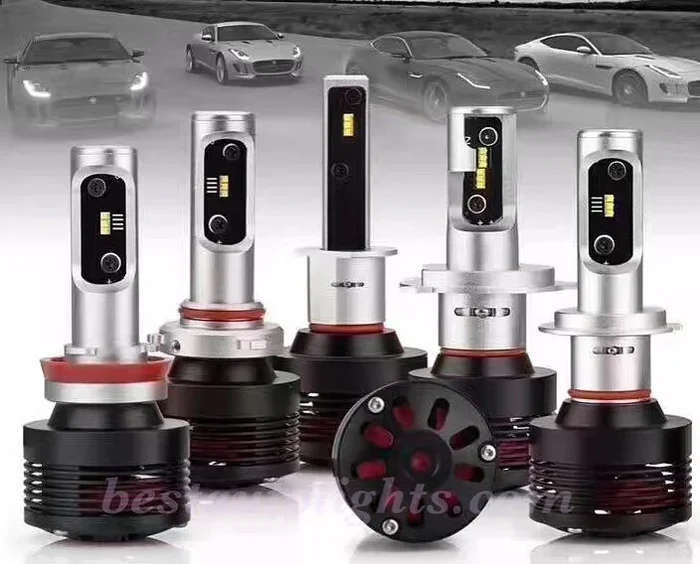
H4 LED Headlight for Car Is the Best Upgrade You Can Make
The H4 LED headlight for car is a game-changer for night driving. You’ll get brighter, whiter light that reveals every curve of the road. This upgrade replaces old halogen bulbs with modern LED technology in minutes. No wiring, no fuss—just a direct plug-and-play swap. Read on to see why this simple change transforms your car’s lighting and safety.
Key Takeaways
- Instant Visibility: An H4 LED headlight for car delivers up to 3x the brightness of halogen, cutting through darkness with ease.
- Simple Installation: Most kits are true plug-and-play, requiring no wiring or modifications.
- Long Lifespan: LED bulbs last 30,000+ hours, so you rarely need to replace them.
- Energy Savings: LEDs draw a fraction of the power, reducing strain on your electrical system.
- Better Color Temperature: 6000K white light improves contrast and reduces eye fatigue on long drives.
- Safety First: Improved beam patterns help you spot obstacles, pedestrians, and road signs earlier.
- Worth the Cost: A quality H4 LED headlight for car kit costs less than a single visit to an auto shop for headlight restoration.
📑 Table of Contents
Why an H4 LED Headlight for Car Is the Best Upgrade You Can Make
If you still drive with dim, yellowish halogen headlights, you’re missing out. An H4 LED headlight for car swap is one of the most impactful upgrades you can do. It costs less than a new set of wheels, yet it changes everything about your night driving experience. The difference is immediate and dramatic.
Halogen bulbs have been the standard for decades, but they waste most of their energy as heat. An LED headlight upgrade replaces that old technology with a modern semiconductor that produces pure, white light. The result is a beam that cuts through fog, rain, and dark roads like a spotlight. You’ll see potholes, animals, and debris much sooner.
Many drivers worry that LED bulbs are hard to install or will cause errors. Modern H4 LED headlight for car kits are designed to be completely plug-and-play. They fit right into your existing housing, no wiring harness needed. Most kits include everything you need, right out of the box. You can swap both bulbs in under 15 minutes.
The safety benefits alone make this upgrade worthwhile. Better light means better reaction time. When you can see 300 feet ahead instead of 150, you have more time to react. That extra seconds can prevent accidents. An H4 LED headlight for car is not just a cosmetic change—it’s a safety upgrade.
Let’s dive into what makes these bulbs so special and how you can choose the right kit for your vehicle.
How to Choose the Perfect H4 LED Headlight Kit
Understand Lumens, Color Temperature, and Beam Pattern
Not all LED headlight bulbs are created equal. The first thing to check is brightness, measured in lumens. A good H4 LED headlight for car kit produces between 6,000 and 12,000 lumens per pair. More lumens doesn’t always mean better light, but it’s a solid starting point.
Next, consider color temperature, measured in Kelvin (K). Most drivers prefer 6000K, which gives a clean white light with a slight blue tint. This color temperature offers the best contrast on the road. It’s easier on the eyes than the yellowish 3000K of halogens. Avoid 8000K or higher, as that blue tint can reduce visibility in rain and fog.
The beam pattern matters just as much as brightness. A quality LED headlight conversion kit will project a sharp cutoff line. This prevents glare for oncoming traffic while maximizing your road coverage. Look for kits that are designed for either projector or reflector housings. H4 LED headlight for car bulbs work in both, but the internal design affects how the light spreads.
Fan-Cooled vs. Passive Cooling
LED chips generate heat, and too much heat shortens their lifespan. Most premium H4 LED headlight for car bulbs use a small fan to pull heat away from the rear of the bulb. This keeps the LEDs cool and maintains consistent brightness over time.
Passive-cooled bulbs rely on metal fins and a heatsink. They have no moving parts, which means no noise and less chance of failure. However, they can run hotter in extreme conditions. For most drivers, a fan-cooled kit is the best balance of performance and reliability. If you live in a hot climate, look for a kit with a high-quality fan and an IP67 waterproof rating.
Plug-and-Play vs. Wiring Harness
The beauty of an H4 LED headlight for car upgrade is that it should be simple. True plug-and-play bulbs have the same base as your old halogen bulb. They snap right into the socket. No cutting, no splicing, no extra parts.
Some kits include a wiring harness or decoder. This is helpful if your vehicle has a CANbus system. CANbus errors can cause dashboard warnings or flickering. A good decoder eliminates those issues. Make sure your kit is labeled CANbus error-free if you drive a modern car. This small detail saves a lot of headache later.
Step-by-Step Installation: Swapping Your Bulbs
Removing Old Halogen Bulbs
Start by turning off your car and letting the headlights cool. Open the hood and locate the back of the headlight assembly. You’ll see a rubber cover or a plastic connector. Unplug the electrical connector by pressing the tab and pulling gently.
Next, remove the holding spring or clip that secures the bulb. Halogen bulbs have a spring wire that latches onto the base. Carefully release it and pull the old bulb straight out. Never touch the glass of a halogen bulb with your bare hands. The oil from your skin creates hot spots that shorten its life. If you accidentally touched it, wipe it with rubbing alcohol.
For the H4 LED headlight for car install, you don’t need to worry about the glass. LED bulbs have a plastic base and a heatsink. Just be gentle with the fragile LED chips on the back.
Installing the LED Bulb
Take your new LED headlight bulb and align it with the socket. The H4 base has three pins in a specific pattern. Push it in until it clicks. Reattach the holding spring or clip securely. Make sure the bulb doesn’t wobble.
Plug the electrical connector back in. You should hear a faint click. Repeat the process for the other headlight. Once both bulbs are in, turn on your car and test the high beam and low beam. Both should light up immediately with a bright white glow.
Adjusting the Beam Pattern
Even with a perfect H4 LED headlight for car kit, the beam might need a small adjustment. Park your car 25 feet from a wall, with the lights on low beam. The cutoff line should be flat and horizontal, slightly angled down on the right side (passenger side in the US).
Most LED bulbs have a built-in adjustment tab on the rear. You can rotate the bulb slightly to aim the beam up or down. Make small turns and test again. The goal is to light up the road without blinding other drivers. If you’re unsure, many auto parts stores will adjust your headlights for free.
Top H4 LED Headlight Kits Compared
Not all kits perform the same. To help you choose, here’s a quick comparison of what to look for in a quality H4 LED headlight for car kit.
| Feature | Budget Kit | Mid-Range Kit | Premium Kit |
|---|---|---|---|
| Lumens (per pair) | 5,000–7,000 | 8,000–10,000 | 10,000–12,000+ |
| Color Temp | 6000K | 6000K | 6000K |
| Cooling System | Passive heatsink | Small fan | Dual fan, aluminum heatsink |
| Waterproof Rating | IP65 | IP67 | IP67/IP68 |
| CANbus Compatibility | No (may need decoder) | Yes (built-in decoder) | Yes (error-free) |
| Lifespan | 20,000 hours | 30,000 hours | 50,000 hours |
| Price Range | $20–$40 | $40–$80 | $80–$150 |
The premium kits cost more, but they last longer and run cooler. If you drive often at night, the extra investment pays off quickly. A mid-range H4 LED headlight for car kit is the sweet spot for most drivers. It offers great brightness, reliable cooling, and true plug-and-play fit.
Quick Tips for Choosing the Right Kit
- Check your bulb size: H4 is the most common, but some cars use H13 or 9003. Always confirm your socket type.
- Read reviews: Look for kits with at least 4.5 stars and 100+ reviews. Real-world feedback is gold.
- Warranty matters: A good manufacturer backs their product with a 2–3 year warranty.
- Avoid ultra-bright claims: Bulbs claiming 20,000+ lumens per pair are often exaggerated. Stick to realistic numbers.
- Consider your housing: Projector housings work best with LED. Reflector housings may need a different beam pattern to avoid glare.
Common Mistakes to Avoid with LED Headlights
Ignoring CANbus Errors
Modern cars use a computer network called CANbus to monitor all systems. When you swap a halogen bulb for an LED headlight for car bulb, the car may see it as a fault because LEDs draw less power. This can trigger a dashboard warning or make the headlights flicker.
The fix is simple. Buy a kit that includes a built-in decoder or CANbus error-free driver. If your kit doesn’t have one, you can buy a separate decoder for a few dollars. This small step prevents a big headache. Always check compatibility before you buy.
Wrong Bulb Orientation
H4 bulbs have a specific orientation for high beam and low beam. The LED chip inside the bulb must face the correct direction. If you install the bulb upside down, one mode will work and the other won’t. Most kits have a marking for high beam and low beam. Follow the arrow on the bulb base.
This is one of the most common mistakes people make. Take a few extra seconds to read the instructions. A correct H4 LED headlight for car install should light up both beams perfectly from the first try.
Skipping the Beam Adjustment
LED bulbs are much brighter than halogens. If you don’t adjust the aim, you can blind oncoming drivers. This is dangerous and can also get you pulled over. Always check the beam pattern after installation.
Use the wall test method described earlier. A properly aimed LED headlight upgrade lights up the road evenly without casting light into other drivers’ eyes. It’s a small effort that makes a big difference for safety.
Maintaining Your LED Headlights for Long-Lasting Performance
Cleaning and Protection
LED bulbs don’t get as hot as halogens on the surface, but the heatsink behind them can attract dust and insects. Over time, this buildup reduces light output. Clean the bulbs and housings every few months with a soft cloth and mild soap.
Avoid high-pressure washers directly on the headlight assembly. Water can seep into the back of the bulb and damage the electronics. If your kit has an IP67 rating, it can handle rain and splashes, but a protective film on the back connector adds extra peace of mind.
When to Replace
A quality H4 LED headlight for car bulb can last 30,000 hours or more. That’s roughly 10 years of normal driving. You’ll likely replace the bulb long before it fails. However, if you notice one side dimming or flickering, check the connector and decoder first. Often the issue is a loose connection, not a dead bulb.
Keep a spare kit in your trunk if you drive a lot at night. It’s a cheap insurance policy. Even if you never need it, you’ll have the confidence of always having a backup LED headlight bulb ready to go.
Expert Insight: Why LED Beats Halogen and HID
Many drivers wonder if they should choose halogen, HID (xenon), or LED. The answer is clear for most people: LED is the best all-around choice. Halogen is cheap but dim and inefficient. HID is bright but slow to warm up and can cause glare. LED gives instant full brightness, uses less energy, and lasts longer than both.
An H4 LED headlight for car upgrade is the smart move. It combines the best of all worlds: brightness, efficiency, and simplicity. You get a modern lighting system without the complexity of HID ballasts or the heat of halogen filaments.
Key Takeaways for Your Upgrade
- An H4 LED headlight for car kit is the single most effective night-driving upgrade.
- Choose a kit with 6000K color temperature and a fan-cooled design for the best performance.
- Installation takes less than 15 minutes per bulb. No special tools needed.
- Always adjust the beam pattern after swapping to avoid blinding other drivers.
- Look for CANbus error-free kits if you drive a car made after 2005.
- Clean your headlights regularly and check the beam alignment once a year.
Making the switch to an H4 LED headlight for car is one of the easiest ways to improve your daily commute and road trips. You’ll see better, feel safer, and enjoy a modern driving experience. The bulbs pay for themselves in energy savings and the peace of mind that comes with superior visibility. Grab a kit this weekend, and you’ll never go back to dim halogen headlights again.
Frequently Asked Questions
What does H4 mean in a headlight bulb?
H4 refers to a specific bulb base and filament design used for both high beam and low beam in a single bulb. It’s one of the most common headlight types found in cars, trucks, and motorcycles worldwide. An H4 LED headlight for car uses the same base, making it a direct replacement.
Are H4 LED headlight bulbs legal?
Yes, LED headlight bulbs are legal in most places as long as they are properly aimed and don’t exceed the original equipment brightness by too much. The key is to use a quality kit that produces a clean beam pattern with a sharp cutoff. Always check your local regulations, but most drivers have no issues with a standard H4 LED headlight for car upgrade.
Can I install an H4 LED headlight bulb myself?
Absolutely. The installation is one of the easiest automotive DIY tasks. You just pop the hood, unplug the old halogen bulb, and plug in the new LED bulb. No wiring, no special tools, and no mechanic needed. Most people finish both bulbs in under 15 minutes.
Will an H4 LED headlight for car cause a dashboard error?
It can, but only if your vehicle uses a CANbus system. Modern cars monitor the power draw of each bulb. Because LEDs draw less power, the car might think a bulb is burnt out. The fix is to buy a kit with a built-in decoder or CANbus error-free driver, which tricks the computer into thinking the bulb is drawing normal power.
How long do H4 LED headlight bulbs last?
A good quality H4 LED headlight for car bulb lasts 30,000 to 50,000 hours. That’s roughly 10 to 15 years of normal driving. You’ll likely replace your bulbs long before they fail. The long lifespan means you’ll save money on replacements over time.
What’s the difference between a 6000K and 8000K LED headlight?
6000K produces a pure white light with a slight blue tint. It offers the best visibility and contrast on the road. 8000K and higher look bluer but reduce your ability to see in rain, fog, and low-light conditions. For the best performance, stick with 6000K for your H4 LED headlight for car upgrade.