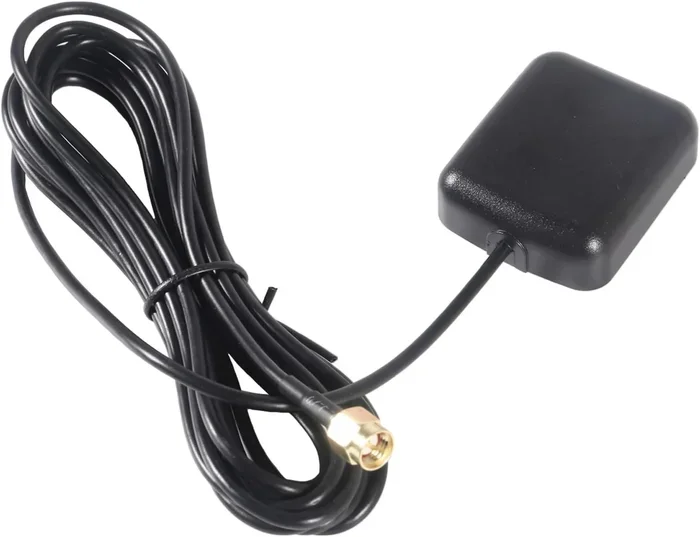
Best GPS Antenna for Car to Upgrade Your Navigation
A gps antenna for car is the key to reliable, accurate navigation on every drive. Whether you drive a sedan, SUV, or truck, upgrading your antenna can dramatically improve signal strength and reduce lost connections. This guide covers everything from types and buying tips to top picks and installation advice. You will learn how to choose the right antenna for your vehicle and budget. Let us help you upgrade your car navigation today.
Have you ever been driving somewhere new and watched your navigation app freeze right when you needed it most? That frustrating moment happens more often than you think. The culprit is often a weak or outdated gps antenna for car. Your car’s built-in antenna may not be strong enough to pick up clear signals, especially in cities, tunnels, or remote areas.
Upgrading your car gps antenna is one of the simplest and most affordable ways to improve your driving experience. A better antenna means faster signal locks, more accurate directions, and fewer moments of confusion on the road. Whether you use your phone for navigation or a dedicated GPS device, the antenna makes all the difference. In this guide, we will walk you through everything you need to know about choosing and installing the best gps antenna for car upgrade.
We will cover the different types of antennas available, what to look for when buying, top products on the market, and simple installation tips. By the end, you will feel confident about upgrading your gps antenna for car and enjoying smoother, more reliable navigation on every trip.
Key Takeaways
- Better Navigation: A quality gps antenna for car gives you stronger signals and more accurate directions.
- Multiple Types: Active, passive, magnetic, and patch antennas all serve different needs and budgets.
- Easy Installation: Most car GPS antennas are simple to install with basic tools and no professional help.
- Signal Strength Matters: A high-gain antenna cuts through interference from buildings, tunnels, and dense cities.
- Budget-Friendly Options: You do not need to spend a fortune to get a reliable car gps antenna upgrade.
- Avoid Common Mistakes: Wrong placement, poor cables, and ignoring signal loss are the top errors drivers make.
📑 Table of Contents
Why Your Car GPS Antenna Matters
Your car’s gps antenna for car is the part that receives signals from satellites orbiting Earth. Without a strong antenna, your navigation system struggles to find its location. Think of the antenna as the ears of your GPS system. If the ears cannot hear clearly, the whole system fails.
Many drivers assume their built-in GPS works perfectly. But the truth is, factory-installed antennas are often basic and underpowered. They were designed to meet a minimum standard, not to deliver the best possible performance. Over time, these antennas can also degrade. Weather, age, and physical damage can all weaken signal reception.
A gps signal booster or upgraded antenna solves these problems. It captures stronger signals from more satellites. This leads to faster location fixes and more reliable tracking. For anyone who drives regularly, this upgrade is a game changer.
The Role of Signal Strength
Gps signal strength determines how well your navigation system works in real time. A strong signal means your GPS locks on quickly and stays locked on, even when you enter areas with obstacles. Weak signals cause delays, wrong turns, and complete loss of connection.
Several factors affect signal strength:
- Building density in urban areas blocks satellite signals
- Tunnels and underground parking cut off GPS reception entirely
- Heavy tree cover in rural areas can weaken signals
- Weather conditions like heavy rain or thick clouds
- Old or damaged antenna hardware in your vehicle
An upgraded navigation antenna helps overcome these barriers. It pulls in signals that a weak factory antenna would miss. This means fewer moments of lost direction and more confidence in your route.
Types of GPS Antennas for Cars
Not all gps antenna for car options are the same. Different types serve different purposes and budgets. Understanding the main categories helps you make the right choice for your vehicle.
Active GPS Antennas
Active gps antenna units have a built-in amplifier. They boost the weak satellite signal before sending it to your receiver. This makes them ideal for long cable runs or vehicles with signal-blocking materials like metal roofs and tinted windows.
Active antennas need a power source, usually connected to your car’s cigarette lighter or USB port. They are the most popular choice for drivers who want the best gps performance in all conditions. Most aftermarket gps antenna for car products fall into this category.
Passive GPS Antennas
Passive gps antenna units do not have an internal amplifier. They rely entirely on the receiver to boost the signal. These antennas are simpler and often cheaper. They work well for short cable runs and vehicles with good signal reception already.
Passive antennas are a good choice if you drive in areas with strong satellite coverage. They also have fewer parts that can fail, making them reliable and low-maintenance. However, they may struggle in challenging environments like dense cities or deep tunnels.
Magnetic Mount Antennas
Magnetic gps antenna units attach to your car’s roof using a strong magnet. They are easy to install and remove, making them a favorite for rental cars or vehicles where you do not want permanent modifications. The magnetic base holds firmly and can be repositioned for the best signal.
These antennas often come with a long cable, giving you flexibility in placement. You can mount them on the roof for the clearest view of the sky. Many gps antenna for car magnetic models also look sleek and do not interfere with your car’s appearance.
Patch Antennas
Patch gps antenna designs are flat and compact. They fit easily inside a car, often mounted on the dashboard or hidden under a trim panel. While they are convenient, their flat shape limits signal gain compared to other types.
Most modern cars come with built-in gps antenna patch designs. They work fine for everyday driving but may not be enough if you need top-tier accuracy. Drivers looking for a serious upgrade often choose external antennas instead.
How to Choose the Right GPS Antenna for Your Car
With so many options on the market, choosing the right gps antenna for car can feel overwhelming. But it does not have to be. A few key factors will guide you to the perfect choice for your vehicle and driving needs.
Consider Your Driving Environment
Where do you drive most often? This single question shapes your entire decision. If you spend most of your time in busy cities with tall buildings, you need a high-gain gps antenna for car that can cut through signal interference. If you mostly drive open highways in rural areas, a simpler passive antenna may be all you need.
Think about the worst driving conditions you face regularly. Do you park underground? Do you drive through mountain passes? Do you travel through forests? Each of these scenarios challenges your GPS signal. Choose an antenna that handles your toughest conditions.
Check the Antenna Gain
Gps antenna gain is measured in decibels (dBi). Higher gain means the antenna can pull in weaker signals from farther away. Most car GPS antennas range from 3 dBi to 10 dBi.
For city driving, a gain of 5 to 7 dBi works well. For rural or off-road driving, aim for 8 dBi or higher. Keep in mind that higher gain does not always mean better performance. It depends on your specific needs and environment.
Match the Connector Type
Gps antenna connector types vary by device. The most common connectors are SMA, MCX, and TS9. Before buying any gps antenna for car, check what connector your GPS receiver or device uses. A mismatch means you will need an adapter, which can weaken the signal.
Take a moment to look at your current antenna or device manual. Note the connector type. This small step saves time, money, and frustration later.
Think About Cable Length
The cable connecting your antenna to your GPS receiver matters more than most people realize. Longer cables can cause signal loss. If you need a long run, choose an active gps antenna with a built-in amplifier to compensate.
For most car installations, a cable between 3 and 10 feet works well. Measure the distance from your desired antenna location to your GPS device before purchasing.
Budget and Brand Reputation
You do not need to spend a fortune on a gps antenna for car. Quality options exist at every price point. Set a budget between $15 and $80 for most reliable upgrades. Look for brands with good reviews and solid warranty coverage.
Popular brands in this space include Garmin, Magellan, Dual Electronics, and Gator. Reading customer reviews helps you avoid poorly made products and find antennas that deliver real-world performance.
Top GPS Antennas for Car Comparison
To help you decide, here is a look at some of the best gps antenna for car options available right now. Each product offers different strengths for different drivers.
| Product | Type | Gain | Best For | Price Range |
|---|---|---|---|---|
| Garmin GPS 18x | Active | 5 dBi | All-around performance | $40-$60 |
| Magellan SmartGPS Antenna | Active | 6 dBi | Urban signal boosting | $35-$55 |
| Dual Electronics XGPS160 | Active | 3 dBi | Lightweight portability | $50-$70 |
| BOBOVR Magnetic GPS Antenna | Magnetic Mount | 8 dBi | Rural and off-road driving | $25-$45 |
| Generic Passive Patch Antenna | Passive | 3 dBi | Budget-friendly basic use | $10-$25 |
The Garmin GPS 18x remains a top pick for reliability. Its active gps antenna design delivers consistent performance in most environments. The Magellan SmartGPS Antenna shines in cities where signal interference is common. For drivers in remote areas, the BOBOVR magnetic model offers strong gain at an affordable price.
If you are on a tight budget, a basic passive antenna can still improve your gps antenna for car setup. It may not match the power of an active unit, but it is a solid starting point for better navigation.
Installation Tips for GPS Antenna in Car
Installing a gps antenna for car is easier than most drivers expect. You do not need special tools or professional help. With a little patience, you can complete the job in under 30 minutes.
Step-by-Step Installation Guide
- Choose the best location. For external antennas, mount on the roof near the center of the car. This gives the clearest view of the sky. For internal antennas, place on the dashboard near the windshield.
- Run the cable carefully. Use cable clips or adhesive mounts to secure the wire along the A-pillar or headliner. Avoid pinching the cable or running it near heat sources.
- Connect the antenna to your GPS device. Match the connector type exactly. If using an adapter, ensure it is high quality to prevent signal loss.
- Power the antenna if needed. Active antennas require power. Plug into a USB port or cigarette lighter adapter.
- Test the signal. Turn on your GPS and wait for the satellite lock. Check the signal strength indicator. A strong lock confirms proper installation.
Quick Tips for Best Performance
- Always mount the antenna with a clear view of the sky
- Avoid placing the antenna near metal objects or electronic interference
- Use weatherproof connectors if mounting externally
- Secure all cables so they do not rattle while driving
- Test the antenna in different locations before finalizing placement
Common GPS Antenna Problems and Solutions
Even with a great gps antenna for car, you may run into occasional issues. Here are the most common problems and how to fix them quickly.
Problem 1: Slow satellite lock. This often means the antenna is in a poor location. Move it closer to the windshield or roof center. Check that the cable is not damaged.
Problem 2: Frequent signal drops. Interference from your car’s electronics can cause this. Move the antenna away from the dashboard radio or phone chargers. A ferrite core on the cable can also reduce interference.
Problem 3: Antenna not powering on. Check the power connection. Make sure the cable is firmly seated in the USB port or lighter socket. Test with a different power source if needed.
Problem 4: Inaccurate location readings. This usually points to a low-gain antenna or a damaged cable. Consider upgrading to a higher dBi rating. Inspect the cable for cuts or fraying.
Expert Insights on Upgrading Your GPS Antenna
Automotive electronics experts agree that a gps antenna upgrade is one of the most underrated car improvements. Many drivers spend hundreds on navigation apps and devices but ignore the antenna that makes it all work.
“The antenna is the foundation of any GPS system,” says automotive tech specialist Mark Davis. “A better antenna improves everything downstream. Faster locks, more accurate tracking, and fewer frustrating moments when you need navigation the most.”
Experts also recommend reviewing your entire signal chain. The antenna, cable, and receiver all work together. Upgrading just one part may not give you the results you want. For the best gps performance, consider all three components as a system.
If you frequently tow a trailer, drive a large truck, or use your GPS for off-roading, a dedicated gps antenna for truck or SUV may be worth the investment. These models are built for larger vehicles with more signal-blocking material. They often feature higher gain ratings and rugged construction.
Key Takeaways
- Better Navigation: A quality gps antenna for car gives you stronger signals and more accurate directions.
- Multiple Types: Active, passive, magnetic, and patch antennas all serve different needs and budgets.
- Easy Installation: Most car GPS antennas are simple to install with basic tools and no professional help.
- Signal Strength Matters: A high-gain antenna cuts through interference from buildings, tunnels, and dense cities.
- Budget-Friendly Options: You do not need to spend a fortune to get a reliable car gps antenna upgrade.
- Avoid Common Mistakes: Wrong placement, poor cables, and ignoring signal loss are the top errors drivers make.
Conclusion
Your gps antenna for car plays a bigger role in your navigation than most drivers realize. It is the component that connects your device to the satellites guiding you on every journey. A weak or outdated antenna leads to frustration, wrong turns, and lost time. An upgraded antenna brings clarity, speed, and confidence to your driving.
Whether you choose an active gps antenna, a magnetic gps antenna, or a simple passive model, the upgrade pays for itself in peace of mind. You will spend less time staring at a frozen map and more time enjoying the road. The best part is, installation is simple and affordable. You can upgrade your car gps antenna today and feel the difference on your very next drive.
Take a moment to evaluate your current setup. Check your signal strength. Consider where you drive most. Then choose the gps antenna for car that fits your needs. Your future self, navigating confidently through every city and countryside, will thank you.
Frequently Asked Questions
Can I use a GPS antenna for car with my smartphone?
Yes, many external gps antenna for car models work with smartphones through Bluetooth or USB connections. You will need a compatible receiver or adapter that bridges the antenna with your phone’s GPS app. Check your phone’s specifications to confirm compatibility before purchasing.
How do I know if my car GPS antenna needs replacing?
Signs of a failing antenna include slow satellite locks, frequent signal drops, and inaccurate location readings. If your navigation struggles even in open areas, the gps antenna for car is likely the problem. A simple signal strength test can confirm whether your antenna is working properly.
What is the difference between active and passive GPS antennas?
An active gps antenna has a built-in amplifier that boosts the signal, making it ideal for long cable runs or weak signal areas. A passive gps antenna does not amplify the signal and relies on the GPS receiver to do the work. Active antennas are more powerful, while passive antennas are simpler and more affordable.
Where is the best place to mount a GPS antenna in a car?
The best location is the roof of your car, near the center, for the clearest view of the sky. If you prefer an internal mount, place it on the dashboard close to the windshield. Avoid placing the antenna near metal objects, electronic devices, or areas that block the sky view.
Do I need a special cable for my GPS antenna?
Most gps antenna for car units come with a compatible cable included. However, you should check the gps antenna connector type matches your GPS device. Common connectors include SMA, MCX, and TS9. Using the wrong connector can weaken your signal or prevent the antenna from working.
Can a GPS antenna improve fuel efficiency?
Not directly, but a better gps antenna for car can help you take more efficient routes with fewer detours. Accurate navigation means less wandering and less wasted fuel. Over time, the fuel savings from better route guidance can add up noticeably.