How Does a Car Recognize a Key Fob When You Approach
Your car recognizes a key fob through a clever mix of radio signals, antennas, and encrypted codes that work together in milliseconds. When you walk toward your vehicle, the key fob technology sends out a low-frequency signal that wakes up the fob inside your pocket or bag. The car then verifies your identity using an encrypted code and unlocks the doors automatically. Understanding this passive entry system helps you troubleshoot issues and appreciate the modern smart key convenience.
You walk toward your car on a busy morning. The doors unlock before you even touch the handle. You press the start button, and the engine hums to life. It feels like magic. But there is real science behind every step of that process.
The question how does a car recognize a key fob when you approach is more interesting than most people realize. Your vehicle is constantly “listening” for a specific signal. When it hears the right one, it wakes up and prepares to let you in. This entire keyless entry process takes less than a second.
Modern cars use a combination of radio frequency identification, encrypted signals, and multiple antennas to confirm your identity. The smart key system has replaced traditional metal keys in most new vehicles. Understanding how it all works can help you use the technology better and troubleshoot problems when they arise.
In this article, we will break down every part of the process. You will learn about the sensors, the signals, and the security measures that keep your car safe. Whether you are a curious car owner or someone dealing with a fob issue, this guide covers it all.
Key Takeaways
- Passive Entry System: Your car uses low-frequency antennas to detect the key fob automatically as you approach.
- Encrypted Communication: The fob and car exchange rolling codes to prevent theft and unauthorized access.
- Multiple Antennas Work Together: Cars have several antennas placed around the body to pinpoint the fob’s location.
- Battery Matters: A weak fob battery can cause recognition failures, so timely replacement is essential.
- Immobilizer Protection: The engine won’t start unless the fob’s unique code matches the car’s stored code.
- Signal Interference Can Happen: Electronic devices or metal surfaces can block the fob signal temporarily.
- Maintenance Keeps It Working: Regular care of your key fob and car sensors ensures smooth operation.
📑 Table of Contents
- What Is a Car Key Fob and How Does It Work?
- How Does a Car Recognize a Key Fob When You Approach
- The Security Behind Key Fob Recognition
- Common Key Fob Recognition Problems and Solutions
- Keyless Entry vs. Traditional Key Systems
- Tips to Keep Your Key Fob Working Properly
- Expert Insights on Key Fob Technology
- Key Takeaways
- Conclusion
What Is a Car Key Fob and How Does It Work?
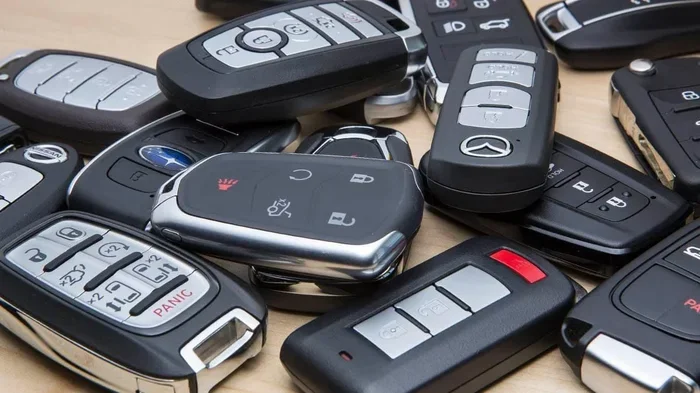
A key fob is a small, battery-powered device that communicates with your car wirelessly. It is not just a remote control. It is a tiny computer that sends and receives radio signals on very specific frequencies.
The Basic Parts of a Key Fob
Every key fob contains a few essential components:
- A microchip: This stores a unique identification number for your vehicle.
- A battery: Usually a small coin cell battery that powers the fob for several years.
- An antenna: A tiny coil inside the fob that sends out radio signals.
- A circuit board: This connects all the parts and controls the signal transmission.
When you press a button on the fob, the microchip activates the antenna. The antenna sends a coded signal to the car. The car’s computer receives this signal and checks if it matches a stored code. If it matches, the car responds by unlocking the doors or starting the engine.
How the Fob Sends a Signal
The fob uses a process called RFID, which stands for radio frequency identification. Here is a simple way to think about it:
- You press a button or walk near the car.
- The fob’s antenna sends out a low-power radio wave.
- The car’s external antenna picks up that wave.
- The car’s computer reads the code inside the signal.
- If the code is correct, the car responds.
This entire exchange happens in a fraction of a second. You barely notice it happening. But inside your car, a complex authentication process is taking place every single time.
How Does a Car Recognize a Key Fob When You Approach
The passive entry system is what makes your car recognize the fob automatically. You do not need to press any button. The car does all the work on its own. This feature is also called hands-free access or proximity-based entry.
The Role of Low-Frequency Antennas
Your car has several low-frequency antennas built into its body. These antennas are usually placed in the door handles, the rear bumper, and the roof pillar. Their job is to send out a low-frequency signal that reaches the fob even when it is inside your pocket or bag.
Here is how it works step by step:
- You walk within a certain range of the car, usually about 1 to 3 meters.
- The car’s external antennas send out a low-frequency pulse.
- The key fob receives this pulse and wakes up its internal circuit.
- The fob sends back its unique identification code.
- The car’s computer verifies the code against its stored database.
If the code matches, the car unlocks the doors and prepares the engine for startup. All of this happens while you are still a few steps away.
Why Multiple Antennas Matter
Cars use multiple antennas for a reason. They need to know where the fob is located. If you have the fob in your left pocket, the car should unlock the driver’s door first. If the fob is in your right pocket, it might still unlock the driver door, but the system knows the fob is close.
The vehicle detection system uses signal strength from different antennas to estimate the fob’s position. This is why your car sometimes unlocks only the driver door when you approach from the driver side. The system is being smart about where you are.
The Security Behind Key Fob Recognition
Car manufacturers have spent years improving car security systems. A simple radio signal could be easily copied or intercepted. So they added layers of protection to make sure only your fob can start your car.
Rolling Codes and Encrypted Signals
One of the most important security features is the rolling code system. Every time you use your fob, it generates a new code. The car and the fob both know the algorithm to generate these codes. But the code changes every time.
This means that even if someone recorded your fob signal, they could not use it again. The code would have already changed. This encrypted code system makes it extremely difficult for thieves to clone your fob.
The Immobilizer System
Even after the car unlocks, it does not let just anyone start the engine. The immobilizer system is a separate security layer. It checks the fob’s code before allowing the engine to start.
Here is what happens when you press the push-button start:
- The car’s antenna receiver inside the cabin scans for the fob.
- The fob sends back its encrypted identification code.
- The immobilizer computer checks the code against its database.
- If the code matches, the engine starts. If not, the engine stays dead.
This is why a car key replacement fob must be programmed to your specific vehicle. The immobilizer will not accept a random fob, even if it looks identical.
Authentication Process Explained Simply
The authentication process is like a secret handshake between your fob and your car. Both sides must prove they are who they claim to be. The fob proves its identity by sending the correct code. The car proves its identity by responding with a challenge code that the fob must solve.
This two-way verification is called challenge-response authentication. It adds a strong layer of protection that goes beyond simple signal matching. Even sophisticated hackers find it very difficult to bypass this system.
Common Key Fob Recognition Problems and Solutions
Even the best key fob technology can sometimes have issues. Understanding common problems helps you fix them quickly.
Weak Fob Battery
The most common reason a car fails to recognize a key fob is a weak battery. Fob batteries typically last 2 to 4 years. When the battery gets low, the signal weakens and may not reach the car’s antennas.
Quick Tip: Most cars have a backup system. If the fob battery dies, you can usually place the fob directly against the start button or a specific spot on the steering column. The car will read the fob through direct contact.
Signal Interference
Electronic devices can interfere with the RFID signal between your fob and car. Laptops, phones, and even other key fobs nearby can create signal interference. Metal surfaces like concrete garages can also block the signal.
If your car does not recognize the fob when you approach, try these steps:
- Move away from electronic devices and try again.
- Take the fob out of your pocket and hold it closer to the door handle.
- Check if other fobs nearby are causing confusion.
- Replace the fob battery if it has been more than two years.
Antenna Failure
Sometimes the problem is not the fob but the car itself. A damaged antenna can prevent the car from detecting the fob. Antennas can fail due to corrosion, accidents, or normal wear and tear over time.
If you notice that your car only sometimes recognizes the fob, it could be an antenna issue. A mechanic can test each antenna and replace any that are not working properly.
Keyless Entry vs. Traditional Key Systems
The shift from traditional keys to keyless entry systems has been one of the biggest changes in modern driving. Let us compare the two approaches.
| Feature | Traditional Key | Key Fob / Keyless Entry |
|---|---|---|
| How you unlock the car | Physically insert the key | Approach the car with the fob |
| How you start the engine | Turn the ignition key | Press the push-button start |
| Security level | Basic physical lock | Encrypted rolling codes |
| Convenience | Requires fumbling with the key | Hands-free and automatic |
| Battery dependency | No battery needed | Fob battery required |
| Replacement cost | Low to moderate | Higher due to programming |
| Signal range | N/A (physical connection) | 1 to 3 meters typically |
As you can see, keyless entry offers far more convenience. But it also introduces new technology that needs proper care and maintenance.
Tips to Keep Your Key Fob Working Properly
A little maintenance goes a long way with your smart key system. Follow these simple tips to keep everything running smoothly.
Replace the Battery on Schedule
Do not wait for the fob to stop working before you change the battery. Most fob batteries are easy to replace. You can find replacement batteries at any hardware store or online. The process usually involves popping open the fob case, swapping the old battery, and snapping the case back together.
Keep the Fob Away from Water and Heat
Extreme temperatures and moisture can damage the fob’s internal electronics. Do not leave the fob in direct sunlight or in a hot car. Avoid submerging it in water. A dry, room-temperature environment is best for long fob life.
Store a Spare Fob Safely
Always keep a spare key fob in a safe place at home. If your primary fob fails, the spare can get you back on the road. Some people keep one in the house and one in a bag or jacket that they use regularly.
Get Professional Programming When Needed
If you buy a new fob or replace a damaged one, you need to have it programmed to your car. Most dealerships and some locksmiths can handle this. The process links the new fob’s unique code to your car’s computer system.
Expert Insights on Key Fob Technology
Automotive engineers continue to improve key fob technology every year. The latest systems use ultra-wideband technology for more precise location detection. This means your car can tell exactly where the fob is, even in a crowded parking lot.
Some manufacturers are exploring phone-as-a-key systems. Your smartphone replaces the physical fob entirely. The phone uses Bluetooth and ultra-wideband signals to communicate with the car. This technology is still relatively new, but it is growing fast.
Security experts also recommend keeping your fob in a signal-blocking pouch when you are not using it. This prevents relay attacks, where thieves amplify your fob’s signal from inside your home to unlock your car from outside.
Key Takeaways
- Passive Entry System: Your car uses low-frequency antennas to detect the key fob automatically as you approach.
- Encrypted Communication: The fob and car exchange rolling codes to prevent theft and unauthorized access.
- Multiple Antennas Work Together: Cars have several antennas placed around the body to pinpoint the fob’s location.
- Battery Matters: A weak fob battery can cause recognition failures, so timely replacement is essential.
- Immobilizer Protection: The engine won’t start unless the fob’s unique code matches the car’s stored code.
- Signal Interference Can Happen: Electronic devices or metal surfaces can block the fob signal temporarily.
- Maintenance Keeps It Working: Regular care of your key fob and car sensors ensures smooth operation.
Conclusion
The way a car recognizes a key fob is a fascinating blend of radio technology, encryption, and smart engineering. From the moment you walk within range, your vehicle is working hard to confirm your identity and let you in safely.
The passive entry system uses multiple antennas, encrypted rolling codes, and an immobilizer system to protect your car. Understanding this process helps you appreciate the technology and troubleshoot issues when they come up.
Keep your fob battery fresh, store the fob properly, and have a spare ready. These simple habits will keep your keyless entry system working reliably for years. The next time your car unlocks as you walk up, you will know exactly what is happening behind the scenes.
Modern smart key technology makes driving easier and safer. Take a moment to understand how it works. It is a small investment that pays off every time you walk up to your car.
Frequently Asked Questions
Can a car recognize a key fob from far away?
Most cars can detect a key fob from about 1 to 3 meters away. The exact range depends on the car model and the strength of the fob’s battery. Some luxury vehicles have a longer detection range, but most systems are designed to activate only when you are close.
What happens if my key fob battery dies?
Most modern cars have a backup method. You can usually place the dead fob directly against the push-button start or a designated spot on the steering column. The car reads the fob through direct contact even without a working battery.
Can someone steal my car by copying my key fob signal?
Modern fobs use rolling codes and encrypted communication that make copying extremely difficult. Each time you use the fob, the code changes. However, relay attacks are a growing concern, so storing your fob in a signal-blocking pouch adds extra protection.
How often should I replace my key fob battery?
Key fob batteries typically last 2 to 4 years. If you notice the fob not working from a distance, it is time to check the battery. Replacing it is inexpensive and usually takes just a few minutes.
Why does my car sometimes not recognize the fob in the garage?
Concrete walls, metal doors, and electronic devices in the garage can cause signal interference. The fob signal may be weakened or blocked. Try stepping outside the garage or moving closer to the car when approaching.
Is phone-as-a-key the same as a traditional key fob?
Phone-as-a-key uses similar technology but replaces the physical fob with your smartphone. The phone communicates with the car via Bluetooth and ultra-wideband signals. It offers the same convenience but depends on your phone battery being charged.