How Do You Manually Open an Electric Trunk Yourself
Knowing how do you manually open an electric trunk can save you from a frustrating roadside moment. This guide walks you through every method, from emergency release levers to override buttons, so you are never stuck with a stuck trunk. We cover common causes, quick fixes, and expert tips that work on most vehicle models.
There is nothing worse than standing in front of your car with a full grocery bag and a trunk that will not budge. You press the button. Nothing happens. You try the remote again. Still nothing. This is exactly the moment when knowing how do you manually open an electric trunk becomes your greatest life hack.
Electric trunks are a fantastic convenience. They let you open the cargo area with a wave of your foot or a tap on your key fob. But like any electronic system, they can fail. A dead battery, a blown fuse, or a worn-out actuator can leave you stranded. The good news is that every electric trunk has a manual backup built in. Once you learn where it is and how to use it, you will never feel helpless again.
This guide covers everything you need to know. We will walk you through each method step by step. You will learn about the trunk release mechanism, common reasons your trunk might stick, and simple fixes you can do right now. Whether you drive a sedan, SUV, or crossover, this article has you covered.
Key Takeaways
- Multiple Methods Exist: Every electric trunk has a manual backup, whether it is a release lever, key slot, or override button.
- Safety First: Always park on a flat surface and keep your hands clear of the trunk latch area.
- Common Causes: Dead batteries, faulty solenoids, and broken actuators are the top reasons trunks fail to open.
- Quick Fixes Work: A simple jump-start or fuse replacement often solves the problem in minutes.
- Prevention Matters: Regular maintenance keeps your trunk release mechanism working smoothly for years.
- Know Your Car: Each vehicle model has a slightly different manual release location.
- Professional Help Is Available: When DIY fixes fail, a trusted mechanic can diagnose deeper electrical issues.
📑 Table of Contents
- Why Electric Trunks Fail to Open
- How Do You Manually Open an Electric Trunk: Step-by-Step Methods
- Quick Troubleshooting Tips for a Stuck Trunk
- Preventing Trunk Problems Before They Happen
- When to Call a Professional Mechanic
- How Do You Manually Open an Electric Trunk on Different Car Brands
- Common Mistakes People Make When Their Trunk Will Not Open
- Key Takeaways
- Final Thoughts
Why Electric Trunks Fail to Open
Before we dive into the manual methods, let us talk about why your electric trunk might not be working in the first place. Understanding the root cause helps you prevent future problems. It also tells you whether a quick fix is possible or if you need a mechanic.
Dead Key Fob Battery
The most common reason is a dead battery in your key fob. The trunk release signal simply cannot reach your car. This happens to almost everyone at some point. The fix is easy. Replace the coin-cell battery inside your fob. Most fobs use a CR2032 battery. You can find one at any grocery store or gas station.
Blown Fuse
Every electric trunk has a fuse that protects its electrical circuit. If too much current flows through, the fuse blows. This cuts power to the trunk release entirely. Check your owner’s manual for the fuse box location. The trunk fuse is usually labeled clearly. Replacing a fuse costs almost nothing and takes about two minutes.
Faulty Trunk Actuator
The actuator is the small motor that physically pops the trunk open. Over time, it can wear out or burn out. You might hear a clicking sound when you press the button but nothing moves. This is a clear sign of a failing actuator. Replacing an actuator is a moderate DIY repair that many car owners handle themselves.
Broken Wiring or Loose Connections
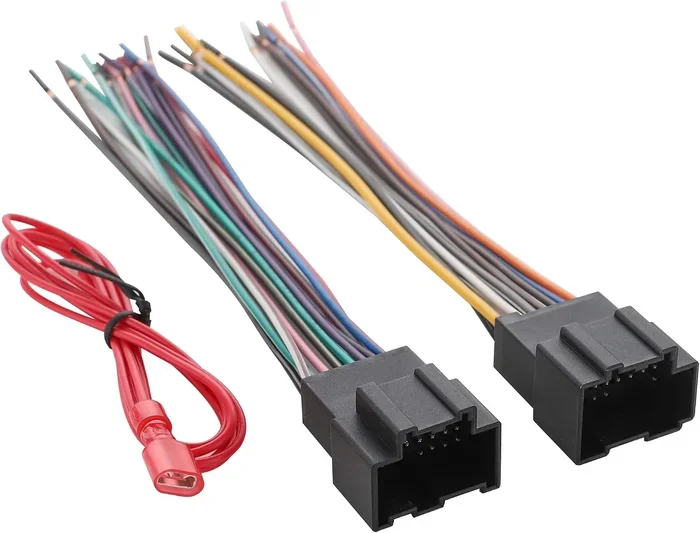
Your trunk has a wiring harness that connects the button, relay, and actuator. Vibration from driving can loosen these connections over time. Water intrusion is another culprit. If moisture gets into the trunk latch area, it can corrode the wires. A visual inspection often reveals the problem.
Solenoid Failure
The solenoid is an electromagnetic switch that triggers the trunk latch. When it fails, the electrical signal reaches the trunk but the latch never releases. Solenoid issues often require a multimeter to diagnose. But the manual override still works even when the solenoid is completely dead.
How Do You Manually Open an Electric Trunk: Step-by-Step Methods
Now let us get to the core of this guide. Here are the most common ways to manually open an electric trunk. Every vehicle is slightly different, but these methods apply to the vast majority of cars and SUVs on the road today.
Method 1: Use the Emergency Trunk Release Lever
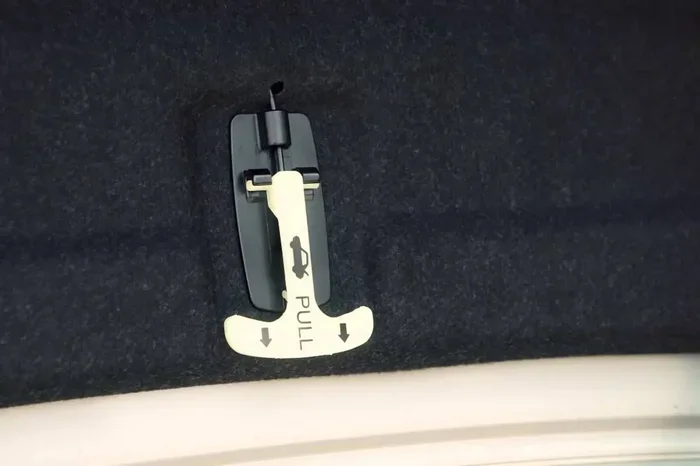
Almost all modern cars have an emergency trunk release lever or handle inside the vehicle. This is a safety feature designed for emergencies, especially for children who might accidentally lock themselves in the cargo area.
Here is how to find and use it:
- Step 1: Open the driver’s door or rear passenger door.
- Step 2: Look at the interior trim near the top of the trunk or behind the rear seats.
- Step 3: You will see a small handle, lever, or pull-cord. It is usually labeled with a trunk icon.
- Step 4: Pull the lever firmly toward you. The trunk latch should release.
- Step 5: Lift the trunk lid manually from the outside.
On sedans, this lever is often hidden behind a small flap on the trim panel. On SUVs and hatchbacks, it may be a bright-colored handle hanging down from the ceiling of the cargo area. Take a moment to locate yours now, so you are prepared if you ever need it.
Method 2: Use the Mechanical Key Override
Most electric trunks also accept a physical key as a backup. Even if your car uses a push-button start, there is almost always a hidden key slot somewhere on the trunk handle or liftgate.
Follow these steps:
- Step 1: Take your physical key out of your key fob.
- Step 2: Look closely at the trunk handle on the outside of the car.
- Step 3: You may see a small rectangular slot. This is the key override.
- Step 4: Insert the key and turn it gently to the left or right.
- Step 5: The trunk latch will release. Push the trunk open.
On some models, the key slot is hidden under a small rubber cap on the trunk handle. Push on the cap or slide it to reveal the slot. On others, the key slot is located on the liftgate handle itself.
Method 3: Press the Trunk Override Button Inside the Car
Many vehicles have a trunk override button inside the cabin. This is different from the main trunk release button. The override button is designed as a secondary method that bypasses the electronic lock.
Here is where to look:
- Under the driver’s dashboard, near the knee area
- On the driver’s side door panel
- Near the center console, close to the power window controls
- Behind a small flip cover on the dashboard
Press and hold this button while someone else tries to open the trunk from the outside. In many cases, this forces the latch to release even when the main electronic system is not responding.
Method 4: Use the Trunk Release Cable
Some vehicles use a cable-based trunk release system. This is a thin metal cable that connects the interior lever to the trunk latch. If your car has this setup, you can pull the cable directly from inside the cabin.
The cable is usually accessible by:
- Removing a small trim panel behind the rear seats
- Reaching up behind the headliner near the C-pillar
- Finding a small plastic handle or knob that pulls the cable
Once you locate the cable, give it a firm pull. You should feel the latch disengage. This method works even when the entire electrical system is dead.
Method 5: Manually Lift the Trunk Lid
On some vehicles, you can physically lift the trunk lid after releasing the latch. Electric trunks still have a mechanical latch that holds the lid shut. Once you release the latch using any of the methods above, you can lift the lid by hand.
If the lid feels heavy, that is normal. Electric trunks use gas struts or hydraulic lifts to assist with opening. When the electric system fails, you lose that assist. But the manual lift is still possible. Just use both hands and lift from the center of the lid to avoid putting uneven pressure on the hinges.
Quick Troubleshooting Tips for a Stuck Trunk
Sometimes the trunk is not completely dead but just stuck. Before you try the manual methods, try these quick troubleshooting steps. They might save you time and effort.
Check the Key Fob Signal
Stand close to the car and press the trunk button on the key fob. If you are too far away, the signal might not reach. Also, try pressing the button directly on the trunk handle if your car has a built-in sensor there.
Try the Trunk Button on the Car Itself
Most cars have a trunk open button inside the cabin. It is usually on the driver’s side dashboard or on the driver’s door panel. Press it and listen for a click. If you hear a click, the electrical system is working but the latch might be jammed.
Check the Trunk Fuse
Open the fuse box and locate the trunk fuse. Look for a broken filament inside the fuse. If the fuse is blown, replace it with an identical amp rating. This single fix solves the problem more often than you might think.
Look for Obstructions
Sometimes the trunk is not stuck electrically at all. A bag, box, or loose item inside the cargo area can put pressure on the trunk lid, preventing it from closing or opening fully. Clear out the trunk and try again.
Reset the Trunk System
Many modern cars allow you to reset the trunk system by disconnecting the car battery for a few minutes. This clears any error codes and resets the electronic controls. Simply disconnect the negative terminal, wait five minutes, and reconnect it.
Preventing Trunk Problems Before They Happen
The best way to deal with a stuck trunk is to prevent the problem in the first place. A little regular maintenance goes a long way toward keeping your trunk release mechanism in top shape.
Replace Your Key Fob Battery Regularly
Do not wait until the trunk stops working to change the fob battery. Replace it once a year. This simple habit prevents the most common cause of trunk failure. Set a reminder on your phone if you need to.
Keep the Trunk Latch Clean
Dirt, grime, and debris can build up around the trunk latch over time. Spray a little silicone lubricant on the latch mechanism every few months. This keeps the moving parts smooth and reduces wear on the solenoid and actuator.
Check the Wiring Harness Annually
Pop the trunk and inspect the wiring harness for any signs of damage. Look for frayed wires, loose connectors, or corrosion. Catching these issues early prevents them from turning into bigger problems.
Avoid Overloading the Trunk
Excess weight puts stress on the trunk lid and its lifting mechanism. Stay within your vehicle’s cargo weight limit. This protects both the trunk and the rear suspension.
Address Small Problems Quickly
If you notice the trunk is slowing down or making unusual noises, do not ignore it. A small issue today can become a big repair tomorrow. A quick visit to a mechanic can save you hundreds of dollars in the long run.
When to Call a Professional Mechanic
There are times when a manual fix is not enough. If you have tried all the methods above and your trunk still will not open, it is time to call in a professional. Here are some signs that you need expert help:
- The trunk latch is physically damaged or bent
- You hear a grinding or grinding noise when you press the button
- The trunk opens partially but will not stay open
- Multiple electronic systems in your car are failing at the same time
- You have checked the fuses, battery, and wiring but the problem persists
A professional mechanic has specialized tools like multimeters and diagnostic scanners that can pinpoint electrical issues quickly. They can also replace parts like the trunk actuator or solenoid safely and correctly. Most trunk repairs are affordable and take less than an hour when handled by an experienced technician.
Do not try to force the trunk open if none of the manual methods work. Forcing it can damage the hinges, the latch, or the trunk lid itself. These repairs are much more expensive than a simple actuator replacement. Patience and the right approach will always serve you better.
How Do You Manually Open an Electric Trunk on Different Car Brands
The location of the manual trunk release varies by car brand. Here is a quick guide to help you find it on popular vehicles.
- Toyota: Look for a small handle or lever behind the rear seat trim. Toyota models often have a bright yellow or orange handle for easy identification.
- Honda: Honda vehicles typically have a trunk release lever on the driver’s side, accessible from the driver’s seat area or behind the rear seat.
- Ford: Many Ford models have a trunk release button on the driver’s side dash or a key slot on the trunk handle.
- Chevrolet: Chevrolet cars often include a trunk release handle inside the cabin, located near the rear of the driver’s seat or on the driver’s door panel.
- Nissan: Nissan vehicles usually have a trunk release lever inside the cabin, often near the driver’s seat or behind the rear passenger seats.
- BMW: BMW models often have a trunk release lever near the driver’s seat or a key slot on the trunk handle. Some models also support the key fob as a backup.
Always refer to your vehicle’s owner manual for the exact location. Every model is slightly different, and the manual will give you the most accurate information for your specific car.
Common Mistakes People Make When Their Trunk Will Not Open
When panic sets in, people make mistakes that can make the situation worse. Here are some common errors to avoid:
Forcing the Trunk Lid Open
Yanking on the trunk lid with brute force is the number one mistake. This can bend the hinges, crack the lid, or damage the latch mechanism. Always try the manual release methods first.
Ignoring the Owner Manual
Your owner manual contains specific instructions for your vehicle model. Skipping it means you might miss important details about your trunk release system. Take five minutes to read the relevant section. It is time well spent.
Assuming the Battery Is Dead
A dead car battery can cause many electrical issues, including a non-functioning trunk. But the trunk problem might have a completely different cause. Check the fuses and the key fob battery before assuming the main battery is the issue.
Not Using the Physical Key
Many people forget they have a physical key because they rely so heavily on the key fob. The physical key is a reliable backup that works even when all electronic systems fail. Always keep your physical key accessible.
Trying to Repair Electrical Parts Without Knowledge
Opening up the trunk latch and messing with wires without proper knowledge can cause more harm than good. Stick to the simple manual methods and leave electrical repairs to the professionals.
Key Takeaways
- Know Your Manual Release: Every electric trunk has at least one manual backup method. Find yours before you need it.
- Start Simple: Try the key fob, the interior button, and the trunk override before moving to more involved methods.
- Use the Emergency Lever: The emergency trunk release lever inside the vehicle is the most reliable manual method across all car brands.
- Keep Your Key Fob Charged: A dead key fob battery is the most common reason an electric trunk stops working.
- Check the Fuse First: A blown fuse is an easy and cheap fix that many people overlook.
- Do Not Force It: Forcing the trunk open can cause expensive damage. Always use the proper release methods.
- Seek Professional Help When Needed: If manual methods do not work, a mechanic can diagnose and fix deeper electrical issues safely.
Final Thoughts
Learning how do you manually open an electric trunk is one of those small skills that pays off big time. You might never need it. But if you ever find yourself standing in front of a car with a trunk that will not open, you will be glad you know exactly what to do.
The methods in this guide work on the vast majority of vehicles. From the emergency release lever inside the cabin to the mechanical key override on the trunk handle, you now have multiple ways to get the job done. Keep your key fob battery fresh, check your fuses regularly, and always know where your manual release is located.
Share this guide with friends and family. You never know when someone might need it. And remember, a little preparation today saves a lot of stress tomorrow. Stay proactive, stay informed, and keep your car running smoothly.
Frequently Asked Questions
Can you manually open an electric trunk if the car battery is completely dead?
Yes, you can. Most electric trunks have a mechanical override that does not rely on the car battery at all. Use the emergency release lever inside the cabin or the physical key slot on the trunk handle. These methods work independently of the electrical system.
Where is the emergency trunk release lever located?
The emergency trunk release lever is usually found inside the vehicle, behind the rear seat or on the trim panel near the top of the trunk opening. It is a small handle or pull cord designed for safety. Check your owner manual for the exact location in your specific model.
Why does my electric trunk work sometimes but not others?
This is usually a sign of an intermittent electrical issue. It could be a loose wiring connection, a failing solenoid, or a weak key fob battery. Intermittent problems often get worse over time, so it is best to address them early before they become a complete failure.
Is it safe to use the emergency trunk release lever while driving?
No, you should not open the trunk while the car is in motion. The emergency release lever is designed for parked vehicles only. Opening the trunk while driving can cause cargo to shift, create wind drag, and pose a serious safety hazard to you and other drivers.
How much does it cost to replace a trunk actuator?
Trunk actuator replacement typically costs between $150 and $400, depending on your vehicle model and labor rates. The part itself is usually affordable. Many car owners with basic mechanical skills can replace it themselves and save on labor costs.
Can a wet trunk latch cause the electric trunk to stop working?
Yes, moisture can definitely cause problems. Water inside the trunk latch area can corrode electrical connections and cause the solenoid or actuator to fail. If your trunk has been exposed to heavy rain or car washing, let it dry completely and check for rust or corrosion on the latch components.
=== CONCLUSION ===
Knowing how do you manually open an electric trunk is an essential skill for every car owner. It takes just a few minutes to learn, and it can save you from a really frustrating situation. Whether you use the emergency release lever, the physical key override, or the interior override button, you now have the knowledge to handle a stuck trunk with confidence.
Keep your key fob battery fresh, check your fuses regularly, and take care of small issues before they become big problems. Your trunk release mechanism is a hardworking part of your vehicle, and with a little attention, it will keep working smoothly for years to come. Stay prepared, stay safe, and enjoy the convenience your electric trunk provides.