Everything You Need to Know About Delaware Window Tint Law
Delaware window tint law sets specific rules for how dark or reflective your car windows can be. Understanding these regulations helps you avoid fines and keep your vehicle legal. This guide covers VLT percentages, medical exemptions, tint types, and penalties in simple, easy-to-follow detail.
Driving a car with tinted windows feels great. You get less sun glare, more privacy, and a cooler interior. But in Delaware, not all tint is legal. The state has specific rules about how dark your windows can be and where you can apply tint. If you ignore these rules, you could face a ticket, a fine, or even require you to remove the tint.
This article breaks down the Delaware window tint law in plain language. We will cover everything from visible light transmission limits to medical exemptions. Whether you are a new car owner or thinking about adding tint to your ride, this guide has you covered. Let us dive in and make sure your car stays on the right side of the law.
Key Takeaways
- Front side windows must allow more than 70% VLT in Delaware.
- Rear windows and rear windshield can be tinted darker.
- Reflective tint is not allowed on front side windows.
- Medical exemptions are available for darker tint.
- Tint violations can result in fines up to $115.
- Only certified tint installers should be used for compliance.
- Windshield tint is limited to a top strip only.
📑 Table of Contents
- What Is the Delaware Window Tint Law?
- Legal Tint Limits by Window in Delaware
- Types of Window Tint Allowed in Delaware
- Medical Exemption for Darker Tint
- Punishments for Breaking Delaware Tint Laws
- Quick Tips for Staying Compliant
- Common Mistakes People Make with Car Tint
- How to Remove Illegal Tint
- Why Compliance Matters More Than You Think
- Final Thoughts on Delaware Window Tint Law
What Is the Delaware Window Tint Law?
The Delaware window tint law is a set of rules that governs how much tint you can put on your vehicle windows. These rules are part of the Delaware Vehicle Code. They exist to ensure driver safety and proper visibility on the road. The law focuses mainly on how much light can pass through your windows.
Every state has its own tint regulations. Delaware is known for being fairly strict compared to some other states. The main measurement used is called Visible Light Transmission, or VLT. This tells you what percentage of light the tint allows to pass through the glass. Lower VLT means darker tint. Higher VLT means lighter tint.
Understanding VLT is the first step to staying compliant. It is also the reason why many people get confused. They assume all tint is the same. But in reality, different windows on your car have different legal limits. Let us break those down in detail.
What Does VLT Mean for Your Car?
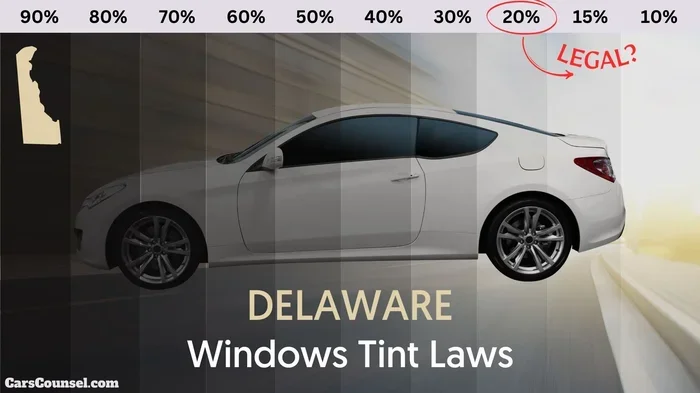
Visible Light Transmission is the percentage of light that passes through your window glass and tint film combined. For example, if a window has a VLT of 70%, then 70% of light gets through. Only 30% is blocked. In Delaware, the front side windows must allow more than 70% of light to pass through. This means the tint on your front doors cannot be too dark.
The rear side windows and rear windshield have more flexibility. You can apply darker tint to these windows. However, there are still rules you must follow. Reflective tint is also restricted. You cannot make your windows look like mirrors. This would cause glare and distract other drivers. The law keeps everyone safer by limiting these factors.
Legal Tint Limits by Window in Delaware
Delaware breaks down its window tinting rules by which window you are tinting. Each window has its own legal limit. Here is a clear breakdown of what is allowed and what is not.
Front Side Windows
The front side windows on your car must have a VLT of more than 70%. This is the strictest rule in Delaware tint law. These windows are critical for the driver’s side vision. Dark tint on the front can reduce your ability to see other cars, pedestrians, and road signs. That is why the state keeps this limit high.
If you currently have tint on your front windows, check the VLT percentage. You can ask your certified tint installer to measure it for you. If the tint is too dark, you may need to remove it or replace it with a lighter film. Staying within this limit keeps you safe and ticket-free.
Rear Side Windows
For the rear side windows, Delaware allows darker tint. There is no specific VLT minimum listed for these windows in the state code. This means you can apply fairly dark tint to your back doors. Many car owners prefer this for privacy and heat reduction.
However, you should still be mindful of tint type. Non-reflective tint is the safest and most legal choice. Always confirm your tint with a professional if you are unsure. It is better to be safe than to deal with a tint ticket Delaware situation later.
Rear Windshield
The rear windshield can also be tinted in Delaware. Again, there is no strict VLT minimum for this window. But there are rules about the type of tint you can use. The tint must be non-reflective. It should not extend more than a few inches from the top of the glass. Always check with your installer to make sure your setup follows the law.
Windshield Tint
Delaware law is clear about windshield tint. You can only tint a strip at the top of the windshield. This strip must be above the manufacturer’s AS-1 line. The AS-1 line is usually printed by the car manufacturer on the windshield. The tint strip helps reduce sun glare without blocking your main view of the road.
No other part of the windshield can be tinted. This includes the area directly in front of the driver. The purpose is simple: keep the driver’s line of sight clear. Violating this rule can lead to a citation and a requirement to remove the tint.
Types of Window Tint Allowed in Delaware
Not all aftermarket window film is created equal. Delaware law places restrictions on the type of tint you can use. Understanding these differences helps you choose the right product.
Dyed Window Tint
Dyed tint is the most common type. It uses a dye layer to absorb sunlight and reduce glare. This type of tint comes in various shades. It is affordable and widely available. In Delaware, dyed tint is allowed as long as it meets the VLT requirements for each window.
Dyed tint does fade over time. It may also bubble after several years of sun exposure. But for most car owners, it is a solid and budget-friendly choice. Just make sure your installer uses quality film that meets state standards.
Metallic and Reflective Tint
Metallic tint contains tiny particles that reflect heat away from your car. It looks sleek and modern. However, Delaware has strict rules about reflective tint. Reflective or metallic tint is not allowed on the front side windows. It is also restricted on rear windows in some cases.
The reason is simple. Reflective surfaces can blind other drivers. They create glare that makes the road dangerous for everyone. If you love the look of metallic tint, check with a certified tint installer first. They can tell you which films are legal for your specific vehicle.
Ceramic Tint
Ceramic tint is the premium option. It blocks heat and UV rays without adding any metallic shine. This makes it a great choice for Delaware drivers. Ceramic tint is legal in the state as long as it meets the VLT limits. It is more expensive than dyed tint, but it lasts longer and performs better.
Many people choose ceramic tint for its clarity and comfort. It does not interfere with electronic signals either. So your GPS, phone, and toll transponders work normally. If budget allows, ceramic tint is a fantastic investment for your vehicle.
Medical Exemption for Darker Tint
Some people need darker window tint for medical reasons. Certain skin conditions and eye disorders make exposure to sunlight dangerous. Delaware recognizes this need and offers a medical exemption for window tint.
To qualify, you must get a written statement from a licensed physician. This statement must explain your condition and why darker tint is necessary. You then submit this documentation to the Delaware DMV. If approved, you will receive an exemption certificate.
This certificate must be displayed in your vehicle at all times. It allows you to tint your windows darker than the standard legal limits. Without the certificate, even medically necessary tint can result in a fine. Always keep a copy of your exemption in your glove box.
How to Apply for a Medical Exemption
The process is straightforward but requires patience. Start by visiting your doctor and explaining your condition. Ask them to provide a detailed letter on official letterhead. The letter should include your diagnosis and the specific tint level you need.
Next, visit your local Delaware DMV office. Bring the doctor’s letter, your vehicle registration, and your driver’s license. Fill out the exemption application form. The DMV will review your request and issue a decision. Processing times may vary, so plan ahead before getting your tint installed.
Punishments for Breaking Delaware Tint Laws
Ignoring Delaware window tint regulations comes with real consequences. The state takes window tint violations seriously. Here is what you can expect if you get caught with illegal tint.
Fines and Penalties
A tint violation ticket Delaware can cost you up to $115. This fine applies to each window that does not meet the legal standard. If multiple windows are non-compliant, the fines add up quickly. In some cases, the officer may also require you to remove the illegal tint before you can continue driving.
Repeated violations could lead to higher fines or additional penalties. It is not worth the risk. Always verify your tint is legal before hitting the road. A quick check with a professional installer can save you money and trouble.
Vehicle Inspection Failures
Delaware requires vehicles to pass safety inspections. Illegal tint can cause your car to fail inspection. If this happens, you will need to remove or replace the tint before your vehicle can be registered. This process takes time and money. It is much easier to stay compliant from the start.
Points on Your Driving Record
While a tint violation is not a moving violation, it can still affect your driving record. Accumulating too many non-moving violations can lead to increased insurance premiums. Insurance companies may view repeated tint violations as a sign of neglect. Keep your tint legal and your record clean.
Quick Tips for Staying Compliant
Staying within Delaware tint law is easier than you think. Follow these practical tips to avoid trouble.
- Always ask for the VLT percentage when purchasing tint film. Your installer should provide this information clearly.
- Choose a certified tint installer who knows Delaware regulations inside and out. They will ensure your tint meets legal standards.
- Keep your exemption certificate visible if you have a medical exemption for darker tint.
- Check your tint regularly for fading or bubbling. Over time, tint can change in appearance and VLT.
- Avoid reflective or metallic tint on front windows. This is the most common mistake car owners make.
- Keep records of your tint purchase and installation. These documents can help you prove compliance if questioned by law enforcement.
- When in doubt, ask the Delaware DMV directly. They can confirm whether your specific tint setup is legal.
Common Mistakes People Make with Car Tint
Even well-meaning car owners run into trouble with tint. Knowing these common mistakes can save you headaches.
Assuming all tint shops know the law. Not every installer stays up to date with state regulations. Always confirm the VLT of your chosen film before installation. Ask questions and request written proof of compliance.
Tinting all windows the same shade. Delaware allows different VLT limits for different windows. Applying one shade to every window is a common error. Front side windows must stay above 70% VLT, while rear windows have more flexibility.
Ignoring the windshield rules. Tinting below the AS-1 line on the windshield is illegal. Many people do not realize this restriction. Stick to the top strip only, and you will stay compliant.
Using expired exemption certificates. Medical exemptions may need to be renewed periodically. Check the expiration date on your certificate. Driving with an expired certificate is the same as having no exemption at all.
How to Remove Illegal Tint
If you discover your tint does not meet Delaware standards, do not panic. You have options. The first step is to have the tint professionally removed. A certified tint installer can safely strip the film from your windows without damaging the glass.
Removal costs vary depending on the number of windows and the type of film used. Dyed tint is usually easier and cheaper to remove. Metallic or ceramic tint may require more effort and cost more. Plan for a budget of around $100 to $300 for full removal, depending on your vehicle.
After removal, you can either leave your windows untinted or install compliant tint film. This is a great opportunity to choose the right VLT level from the start. Work with your installer to select a film that meets all Delaware requirements.
Why Compliance Matters More Than You Think
Some people view tint laws as unnecessary restrictions. But these rules exist for a reason. Tint that is too dark reduces visibility, especially at night or in bad weather. This puts you and other drivers at risk. Compliance is not just about avoiding fines. It is about keeping everyone on the road safe.
Proper sun glare protection also plays a role. Legal tint reduces glare without blocking your view. This balance is what Delaware’s regulations aim to achieve. When you choose compliant tint, you get the benefits of reduced heat and UV exposure without sacrificing safety.
Additionally, staying compliant makes your life easier during traffic stops and inspections. Officers can quickly check your tint VLT with a handheld meter. If your tint is within legal limits, the stop goes smoothly. If it is not, you are facing a citation and possible removal orders. The choice is simple.
Final Thoughts on Delaware Window Tint Law
The Delaware window tint law may seem complex at first glance. But once you understand the VLT limits, window-specific rules, and exemption options, it becomes much simpler. The key is to do your research before installing any tint film. Work with a reputable installer who understands Delaware regulations.
Remember that front side windows must stay above 70% VLT. Rear windows can be tinted darker. Reflective tint is restricted, and windshield tint is limited to the top strip only. If you have a medical need for darker tint, apply for an exemption through the DMV.
Following these rules keeps your vehicle legal and your driving experience safe. Nobody wants to deal with a tint ticket or the hassle of removing illegal film. Take the time to get it right the first time. Your wallet and your peace of mind will thank you.
Stay informed, stay compliant, and enjoy the benefits of properly tinted windows in the First State. Delaware’s tint laws are designed to protect everyone. When you follow them, you are doing your part as a responsible driver.
Frequently Asked Questions
Can I tint my front windows in Delaware?
Yes, but the tint must allow more than 70% of visible light to pass through. This means only light or very subtle tint films are legal on front side windows. Always check the VLT percentage before purchasing.
What happens if I get caught with illegal tint in Delaware?
You can be fined up to $115 per window. You may also be required to remove the illegal tint before your vehicle can pass inspection. Repeated violations can lead to additional penalties.
Is reflective tint legal in Delaware?
Reflective or metallic tint is not allowed on front side windows. Rear windows may allow some reflection, but it is best to use non-reflective tint to stay fully compliant with Delaware law.
How do I get a medical exemption for window tint in Delaware?
You need a written statement from a licensed physician explaining your condition. Submit this letter to the Delaware DMV along with your application. If approved, you will receive a certificate to display in your vehicle.
Can I tint my windshield in Delaware?
Yes, but only a strip at the top of the windshield above the AS-1 line. No other part of the windshield can be tinted. This rule keeps the driver’s view clear and unobstructed.
Does Delaware require tint stickers or certification?
Yes, Delaware requires a sticker to identify legal tint on each window. The sticker should be placed between the glass and the film. This helps law enforcement quickly verify compliance during stops.
=== CONCLUSION ===
The Delaware window tint law sets clear guidelines for how dark and reflective your car windows can be. By following VLT limits, choosing the right tint type, and applying for exemptions when needed, you can keep your vehicle fully compliant. Staying informed saves you money, avoids fines, and keeps the roads safer for everyone. Take the time to understand the rules, work with a trusted installer, and enjoy your tinted ride with confidence.