Auto Window Tint: Benefits You Need to Know Right Now
Auto window tint offers serious advantages for your car, your health, and your wallet. It blocks harmful UV rays, reduces interior heat, and adds a layer of privacy and safety. Car window tinting is one of the simplest upgrades you can make for a more comfortable and protected driving experience. Whether you drive daily or hit the road occasionally, the benefits of auto window tint are hard to ignore.
Have you ever climbed into your car after it sat in the sun for hours? The steering wheel feels like it could burn your hands, and the inside of your car looks like a sauna. That miserable experience is exactly what auto window tint was designed to prevent.
Auto window tint is more than just a cosmetic upgrade. It is a practical, science-backed solution that protects your health, your vehicle, and your wallet. From blocking invisible UV radiation to keeping your car cooler in summer, the advantages are real and measurable. In this guide, we will walk you through every major benefit of car window tinting, explain the different types of window film available, and help you decide if it is the right choice for you.
Let us be honest. Most people think about tinted windows for looks alone. But once you understand what auto window tint actually does, you will see it is one of the smartest investments you can make for your vehicle. Whether you are a daily commuter or a weekend road tripper, the benefits apply to every driver.
Key Takeaways
- UV Protection: Auto window tint blocks up to 99% of harmful UV rays, protecting your skin and car interior.
- Heat Reduction: Quality window film can reject up to 70% of solar heat, keeping your car cooler.
- Glare Control: Tinted windows reduce blinding glare from the sun and headlights, improving driving safety.
- Privacy and Security: Darker films add a privacy layer and make it harder for thieves to see inside your vehicle.
- Interior Protection: Window tinting slows fading and cracking of your dashboard, seats, and upholstery.
- Safety Boost: In a collision, window film helps hold shattered glass together, reducing injury risk.
- Energy Efficiency: Less heat means less reliance on air conditioning, which can improve fuel economy.
📑 Table of Contents
- What Is Auto Window Tint and How Does It Work?
- Top Benefits of Auto Window Tint You Will Love
- How Auto Window Tint Protects Your Health
- Different Types of Auto Window Tint Films
- Legal Considerations for Auto Window Tint
- Is Auto Window Tint Worth the Investment?
- Common Mistakes to Avoid When Choosing Auto Window Tint
- Quick Tips for Getting the Most Out of Your Auto Window Tint
- Expert Insights on Auto Window Tint
- Key Takeaways
- Conclusion
What Is Auto Window Tint and How Does It Work?
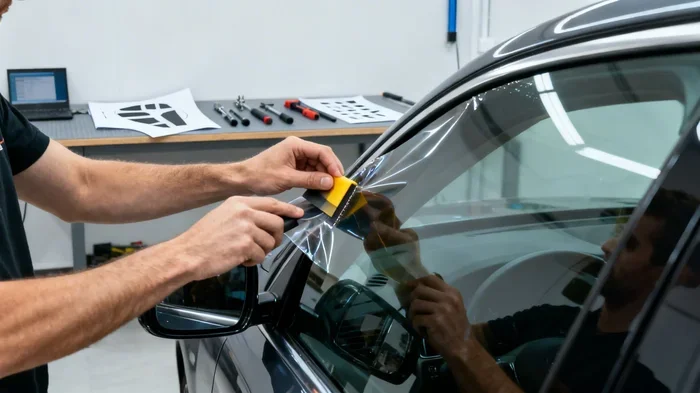
Auto window tint is a thin, multi-layered film applied to the inside of your car windows. It is made from materials like polyester, ceramic particles, carbon, and metal alloys. These layers work together to manage the amount of light, heat, and radiation that passes through your glass.
The science behind it is straightforward. Window film contains special coatings that reflect or absorb solar energy before it enters your vehicle. Some films are designed to block infrared rays, which carry most of the heat. Others focus on filtering out ultraviolet radiation, which causes skin damage and fades your car interior. The result is a window that lets in light but blocks the uncomfortable and harmful parts of sunlight.
Different films offer different levels of performance. The visible light transmission rating tells you how much light passes through. A lower rating means a darker tint. But darkness is not the only factor. The quality of the heat rejection and UV blocking matters just as much, if not more.
How Is Auto Window Tint Measured?
When shopping for car window tinting, you will see a few key measurements. Visible light transmission (VLT) measures how much light passes through. Total solar energy rejected (TSER) tells you the percentage of heat blocked. UV rejection shows how much ultraviolet radiation is filtered out. These numbers help you compare different window tint products and choose the right one for your needs.
Top Benefits of Auto Window Tint You Will Love
The reasons people choose auto window tint go far beyond aesthetics. Here are the most important benefits that make this upgrade worth every penny.
Heat Rejection and Comfort
This is the benefit most drivers notice immediately. Auto window tint can reduce the interior temperature of your car by 30 to 40 degrees Fahrenheit. That is a massive difference on a hot summer day. Instead of blasting your air conditioning for 15 minutes before you can drive comfortably, you step into a already-cool cabin.
Less heat also means less strain on your cooling system. Over time, this can reduce wear on your air conditioning components. You save on fuel because your engine does not work as hard to keep the interior cool. For people who park outdoors all day, this benefit alone makes tinted windows a no-brainer.
UV Protection for Your Skin and Health
Most people know that the sun causes skin damage. But did you know that UV rays pass through car windows? Standard glass blocks UVB rays but lets UVA rays through. Auto window tint blocks up to 99% of both UVA and UVB radiation.
Think about how much time you spend driving. The left side of your body gets constant sun exposure through the driver window. Over months and years, this adds up. Studies have linked long-term UV exposure while driving to higher rates of skin damage on the left arm and face. Window film acts as a shield, protecting your skin every time you get behind the wheel.
Glare Reduction for Safer Driving
Glare from the sun and headlights is a major cause of eye strain and temporary blindness while driving. Auto window tint significantly reduces this glare, making your driving experience safer and more comfortable. Whether you are driving east at sunrise or west at sunset, tinted windows help you maintain clear visibility.
Night driving also benefits. Oncoming headlights can be blinding, especially on dark roads. Quality window tint softens that glare without reducing your ability to see the road clearly. This is a safety feature that many drivers overlook until they experience it.
Privacy and Security
There is a reason so many people choose darker tinted windows. They provide an extra layer of privacy. You can leave valuables in your car without worrying about passersby seeing them. This is especially helpful if you frequently park in public lots, airports, or shopping centers.
From a security standpoint, auto window tint makes it harder for thieves to see inside your vehicle. When they cannot see what is inside, your car becomes a less attractive target. Some window film products also add an extra layer of shatter resistance, which we will talk about more in the safety section.
Interior Protection and Longevity
Your car interior takes a beating from the sun every single day. The dashboard cracks, the seats fade, and the steering wheel becomes worn and brittle. Auto window tint slows this damage significantly by blocking the rays that cause it.
Over several years, the difference is remarkable. Cars with car window tinting maintain their interior color and condition much better than those without. If you have invested in quality leather seats or a premium dashboard, window tint helps protect that investment. It is one of the most cost-effective ways to preserve your vehicle’s interior value.
Safety and Shatter Protection
In the event of an accident or a break-in, standard car windows shatter into sharp, dangerous pieces. Auto window tint holds the glass together, reducing the risk of injury from flying shards. This is a serious safety benefit that many people do not know about.
The film acts as a binding layer on the glass. Even if the window breaks, the pieces stay stuck to the film instead of scattering. This can protect you and your passengers from severe cuts and injuries. It also makes it much harder for someone to break into your car quickly, adding another layer of theft prevention.
How Auto Window Tint Protects Your Health
The health benefits of auto window tint deserve a closer look. We already mentioned UV protection, but there is more to the story.
Skin Cancer Prevention
Dermatologists have long warned about cumulative sun exposure. For drivers, the left side of the body is particularly vulnerable. Window film that blocks 99% of UV rays dramatically reduces this risk. If you spend hours driving each week, this protection adds up over a lifetime.
Children in the back seat benefit too. Their skin is more sensitive, and they often sit with their arms or legs near the window. Car window tinting ensures they are protected without needing sunscreen for every ride.
Eye Health and Comfort
Prolonged exposure to bright sunlight while driving can cause eye fatigue and long-term damage. Glare reduction from tinted windows helps protect your eyes from strain. Over time, this means fewer headaches, less squinting, and a more relaxed driving experience.
Some window tint films are specifically designed to reduce blue light from the sun. This adds another layer of eye protection that standard glass simply cannot provide.
Allergy and Comfort Relief
For people with allergies, auto window tint can help by reducing the amount of pollen and dust that enters through open windows. While this is not a direct benefit of the film itself, the comfort of a cooler, less glaring cabin makes you less likely to need to roll windows down in traffic. Less exposure to outdoor allergens means a more comfortable ride.
Different Types of Auto Window Tint Films
Not all window film is created equal. Understanding the different types helps you choose the right auto window tint for your priorities and budget.
Ceramic Window Tint
Ceramic tint is the premium option. It uses nano-ceramic particles to block heat without interfering with electronic signals. This means your GPS, phone connectivity, and radio work perfectly. Ceramic films offer excellent heat rejection and UV protection without darkening your view. They are the most expensive option but deliver the best overall performance.
Carbon Window Tint
Carbon tint is a popular mid-range choice. It provides strong heat rejection and a matte finish that does not fade over time. Unlike metallic tints, carbon film does not interfere with cell phone or radio signals. It is a great balance of performance and affordability for most drivers.
Metallic Window Tint
Metallic tint contains tiny metal particles that reflect heat effectively. It is durable and offers good UV protection. However, the metal content can sometimes interfere with electronic signals. It also has a shiny, reflective appearance that some people love and others prefer to avoid.
Dyed Window Tint
Dyed tint is the most budget-friendly option. It uses a dye layer to absorb heat and reduce light transmission. It provides basic privacy and some heat reduction. However, it tends to fade over time and offers less heat rejection than ceramic or carbon options. It is a good starting point for those on a tight budget.
Crystalline Window Tint
Crystalline tint is a unique option that rejects heat without darkening the glass. It uses a multi-layered optical film that is nearly clear. If you want maximum heat rejection but prefer to keep your windows looking untinted, crystalline is worth considering. It is more expensive but offers a subtle, effective solution.
Legal Considerations for Auto Window Tint
Before you rush to get your windows tinted, it is important to understand the legal rules. Auto window tint regulations vary by state and country. These laws control how dark your tint can be and which windows can be tinted.
Understanding VLT Limits
Most states regulate visible light transmission for safety reasons. The front side windows usually need to allow more light through than the rear windows. For example, some states require the driver and passenger windows to have a VLT of 70% or higher, while rear windows can go much darker.
Always check your local laws before choosing a window tint shade. Getting caught with illegal tint can result in fines and even require you to remove the film. A reputable installer will know the regulations in your area and help you choose a compliant option.
Medical Exemptions
Some states allow medical exemptions for darker tinted windows. If you have a condition that makes you sensitive to sunlight, you may qualify for an exemption. This typically requires a doctor’s letter and a special permit. Check with your local Department of Motor Vehicles for the specific requirements.
Is Auto Window Tint Worth the Investment?
The short answer is yes. When you add up all the benefits, auto window tint pays for itself in multiple ways. The comfort alone is worth the cost for many drivers. But let us break down the financial side.
A quality car window tinting job typically costs between $200 and $500 for a full vehicle, depending on the film type and your location. Compare that to the cost of replacing a cracked dashboard or faded leather seats. The interior protection alone can save you hundreds of dollars over the life of your vehicle.
Then there is the fuel savings. A cooler cabin means less air conditioning usage, which improves your fuel economy by a small but meaningful margin. Over several years of driving, those savings add up. Add in the health benefits, the safety advantages, and the improved resale value of a well-maintained interior, and the return on investment becomes clear.
Most window film warranties last between 5 and 10 years, sometimes longer. This means you get years of protection and performance from a single installation. It is one of the few car upgrades that genuinely keeps giving back.
Common Mistakes to Avoid When Choosing Auto Window Tint
Not all auto window tint experiences are positive. Here are some common mistakes that can cost you time, money, and satisfaction.
- Choosing based on darkness alone. The darkest tint is not always the best. Focus on heat rejection, UV protection, and signal compatibility instead.
- Ignoring local tint laws. Illegal tint leads to fines and removal costs. Always verify regulations before purchasing.
- Skipping professional installation. DIY kits may seem cheaper, but bubbles, peeling, and poor adhesion are common. Professional installation ensures a clean, long-lasting result.
- Neglecting warranty details. Not all window film warranties cover the same things. Read the fine print and understand what is included.
- Forgetting about signal interference. Metallic tints can block GPS, phone, and radio signals. If you rely heavily on technology in your car, choose a non-metallic option like ceramic or carbon.
Quick Tips for Getting the Most Out of Your Auto Window Tint
- Choose ceramic or carbon film for the best balance of heat rejection, clarity, and signal compatibility.
- Have your windows professionally cleaned before installation to prevent dust bubbles under the film.
- Wait at least 3 to 5 days before rolling down your windows after installation to let the film cure properly.
- Clean your tinted windows with a soft, non-abrasive cloth and ammonia-free cleaner to preserve the film.
- Ask about a warranty transfer if you plan to sell your vehicle, as this adds value for future buyers.
Expert Insights on Auto Window Tint
Professional installers and automotive experts agree on one thing: auto window tint is one of the most underrated car upgrades available. According to industry professionals, the biggest mistake drivers make is underestimating the long-term value of quality window film.
Experts recommend focusing on performance ratings rather than just appearance. A film with high heat rejection and UV blocking will always outperform a darker film with poor specs. The goal is protection, comfort, and longevity, not just a look.
Many installers also emphasize the importance of choosing a trusted brand. Not all window tint products are created equal. Premium films from reputable manufacturers offer better durability, clearer optics, and stronger warranties than budget alternatives.
Key Takeaways
- UV Protection: Auto window tint blocks up to 99% of harmful UV rays, protecting your skin and car interior from long-term damage.
- Heat Rejection: Quality window film can reduce interior temperatures by up to 40 degrees, making every drive more comfortable.
- Glare Reduction: Tinted windows significantly cut sun and headlight glare, improving visibility and safety on the road.
- Privacy and Security: Tinted windows deter thieves and protect your belongings from prying eyes.
- Interior Preservation: Car window tinting slows fading and cracking of your dashboard, seats, and trim.
- Safety Enhancement: Window tint film holds shattered glass together, reducing injury risk in accidents.
- Fuel Savings: Less heat means less air conditioning use, which can improve your overall fuel economy over time.
Conclusion
Auto window tint is far more than a cosmetic upgrade. It is a practical, health-conscious, and financially smart choice for any vehicle owner. From blocking harmful UV rays to keeping your car cooler and your interior looking newer, the benefits are extensive and long-lasting.
Whether you choose ceramic, carbon, or another type of window film, the key is to invest in quality and professional installation. Do your research, understand your local laws, and pick a tint that matches your priorities. The right auto window tint will serve you well for years to come.
Take the time to explore your options today. Your car, your health, and your wallet will thank you. Car window tinting is one of those rare upgrades that delivers immediate comfort and lasting value. Do not wait another summer to enjoy a cooler, safer, and more protected ride.
Frequently Asked Questions
How long does auto window tint last?
Most quality window film lasts between 5 and 10 years, depending on the type and installation quality. Ceramic and carbon tints tend to outlast dyed films. A good warranty gives you peace of mind that your tinted windows will perform for years.
Can I drive at night with tinted windows?
Yes, but choose a window tint with a higher VLT rating for better night visibility. Most drivers find that medium-grade films offer the best balance of daytime heat rejection and nighttime clarity. Always prioritize safety when selecting your shade.
Does auto window tint affect my phone signal?
Metallic tints can interfere with GPS, Bluetooth, and cell signals. Ceramic and carbon films are non-conductive and do not cause signal issues. If you rely heavily on technology in your car, ask your installer for a non-metallic window film option.
Is car window tinting legal everywhere?
Tint laws vary by state and region. Most places allow tinting on rear windows but restrict how dark the front side windows can be. Always check your local regulations before getting auto window tint installed to avoid fines or removal requirements.
How much does auto window tint cost?
A full vehicle car window tinting job typically costs between $200 and $500. The price depends on the film type, the number of windows, and your location. Ceramic films cost more but offer the best performance and longevity.
Can I install auto window tint myself?
DIY kits are available, but professional installation is strongly recommended. Proper application requires skill, the right tools, and a clean environment. Professional installers ensure a bubble-free, durable finish that lasts much longer than most DIY attempts.
=== SEO Title ===
Auto Window Tint: Benefits You Need to Know Right Now
=== META TITLE ===
Auto Window Tint Benefits You Need to Know
=== URL SLUG ===
auto-window-tint-benefits