How Do I Turn On Hill Assist And Make Driving Easier
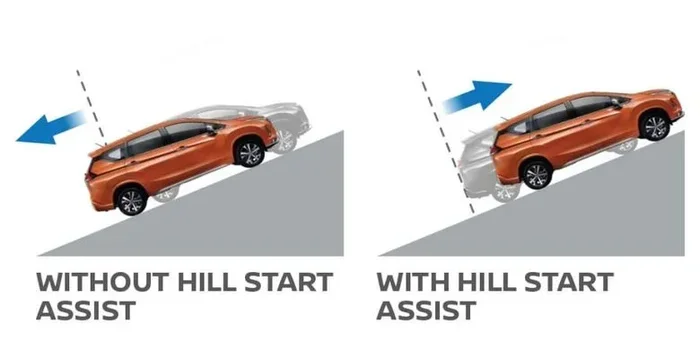
Hill assist is a smart safety feature that prevents your car from rolling backward on inclines. This guide shows you exactly how to turn on hill assist in both automatic and manual vehicles. You will learn simple steps, common mistakes, and expert tips to make uphill driving effortless and safe.
Hill assist is one of those driving features that you do not realize you need until you have driven without it. If you have ever been on a steep road and felt your car start to roll backward, you know how nerve-wracking that moment can be. Whether you are navigating a busy city street with stop-and-go traffic or tackling a winding mountain road, this feature changes everything. It holds your brakes for a few seconds after you release the pedal, giving you time to press the accelerator without rolling back. In this article, you will learn exactly how to turn on hill assist in your vehicle. You will also discover how it works, when to use it, and how it differs from other safety systems like hill descent control and brake assist. Let us make uphill driving easier and safer for you.
Driving on hills can be tricky, especially if you are new to a vehicle or driving in a hilly area. Hill start assist, also called HSA or hill hold control, is designed to give you confidence every time you stop on an incline. It works with your car’s electronic stability control and traction control systems to keep your vehicle steady. The best part? You do not need to be a skilled driver to use it. Once you know how to activate hill assist, it works automatically every time you need it. This guide covers everything from basic activation steps to advanced tips for both automatic and manual transmission vehicles. By the end, you will feel prepared and confident every time you face a steep incline.
Key Takeaways
- Hill assist prevents rollback: It holds your brakes briefly when you shift from brake to throttle on an incline.
- Activation is vehicle-specific: The process varies between automatic and manual transmission models.
- Most modern cars have it standard: Check your owner’s manual or dashboard symbols to confirm.
- Hill assist differs from hill descent control: One helps on uphills, the other manages downhill speed.
- Common issues are easy to fix: Sensor problems or system resets often resolve hill assist warnings.
- It works with electronic stability control: These systems work together to improve vehicle stability on slopes.
📑 Table of Contents
- What Is Hill Assist And Why Does It Matter
- How To Turn On Hill Assist In Different Vehicles
- Hill Assist For Automatic Transmission Vehicles
- Hill Assist For Manual Transmission Vehicles
- Hill Assist vs Hill Descent Control: What Is The Difference
- Troubleshooting Issues And Expert Driving Tips
- Conclusion
What Is Hill Assist And Why Does It Matter
What Does Hill Assist Do
Hill assist is a smart safety feature found in most modern vehicles. Its main job is simple: it prevents your car from rolling backward when you are stopped on a hill and ready to move forward. When you come to a stop on a slope, the system automatically applies the brakes. This happens even after you take your foot off the brake pedal. The hold lasts for about two to three seconds, giving you enough time to move your foot to the accelerator. Without this feature, you would need to balance the brake and throttle at the same time. That can be stressful, especially on a steep incline or in heavy traffic.
The system uses sensors to detect the angle of the road. If it senses you are on an uphill slope and your car is not moving forward, it triggers the brakes. This is part of your vehicle’s broader driving safety features. Many drivers confuse hill assist with brake assist, but they serve different purposes. Brake assist helps you stop faster in emergencies. Hill assist helps you start moving forward on a slope without rolling back. Both are valuable, but they work in different situations.
How Hill Assist Works Behind the Scenes
Understanding how hill assist works can help you trust it more. The system relies on several sensors working together. Your vehicle has wheel speed sensors, steering angle sensors, and accelerometers. These sensors constantly monitor road conditions and vehicle movement. When you brake on a hill, the system registers the slope angle and your stopped position. It then holds the brake pressure for a short time after you release the pedal. This is all done electronically, so there is no extra effort required from you.
The automatic hill hold feature is especially helpful in stop-and-go traffic on steep roads. Imagine driving uphill in city traffic where you stop every few seconds. Without hill assist, each time you stop, you risk rolling backward into the car behind you. With the system active, you can shift your foot to the gas at your own pace. The car waits for you. It is a small feature that makes a big difference in daily driving comfort.
Quick Tips: Understanding Your System
- Check your dashboard: Look for a hill symbol when the system is active.
- Read your owner’s manual: It will tell you exactly how your system behaves.
- Test on a safe slope: Find a quiet hill and practice stopping and starting.
- Know your vehicle’s limits: Some systems only work above a certain speed or slope angle.
Common Mistakes: Misunderstanding Hill Assist
One of the biggest mistakes drivers make is assuming hill assist works on every type of incline. In reality, the system has limits. It typically works on slopes between about 3 and 15 degrees. Very steep or very shallow hills may not trigger it. Another common mistake is leaving the system on when it is not needed. Some vehicles allow you to turn it off, and doing so in flat areas can prevent unnecessary brake wear. Always check whether your hill start assist is active before you start driving on a slope.
How To Turn On Hill Assist In Different Vehicles
Step-by-Step Activation for Popular Car Brands
Turning on hill assist varies depending on your car’s make and model. Most modern vehicles have this feature enabled by default. However, some cars require you to activate it manually. Here is a general guide for popular brands.
Toyota and Lexus: In most models, hill start assist turns on automatically when you start the engine. Look for a small HSA icon on the dashboard. If it is not showing, check the vehicle settings menu on the display screen.
Honda and Acura: These vehicles often include hill hold control as part of the Vehicle Stability Assist system. It activates automatically on inclines. You can find the settings in the driver information interface.
Ford: Many Ford models come with hill assist standard. The system activates when you come to a stop on a slope. There is usually no separate button to press.
Chevrolet and GMC: These brands include hill assist as part of the StabiliTrak system. It works automatically in most conditions. Check your owner’s manual for model-specific details.
BMW and Mercedes-Benz: Premium brands often include advanced versions of hill hold control integrated with their electronic stability systems. Activation is typically automatic and seamless.
| Brand | Feature Name | Activation Method | Default On? |
|---|---|---|---|
| Toyota | Hill Start Assist | Automatic / Dashboard setting | Yes |
| Honda | Hill Hold Control | Automatic via VSA | Yes |
| Ford | Hill Assist | Automatic | Yes |
| Chevrolet | Hill Start Assist | Automatic via StabiliTrak | Yes |
| BMW | Hill Hold Control | Automatic via DSC | Yes |
| Volkswagen | Hill Hold Assist | Automatic / Manual toggle | Depends on model |
Common Mistakes: Forgetting to Check Your Dashboard
Many drivers assume hill assist is always on. This is not always true. Some vehicles allow you to disable the feature. If you recently had service work done, a technician may have turned it off. Always glance at your dashboard when you start driving on a hill. If you do not see the hill symbol, the system may not be active. Taking a few seconds to check can save you from an embarrassing rollback moment.
Hill Assist For Automatic Transmission Vehicles
How Hill Assist Behaves in Automatic Cars
If you drive an automatic transmission vehicle, hill assist works a bit differently than in manual cars. In an automatic, you do not need to worry about the clutch. The system holds the brakes for you while you transition from the brake pedal to the accelerator. This makes uphill driving much smoother and less stressful.
When you stop on a hill in an automatic car, simply keep your foot on the brake. The automatic hill hold feature will engage. You will feel the brakes hold firm even after you lift your foot. Now shift your right foot to the gas pedal. The brakes will release automatically as you apply throttle. The entire process feels seamless and natural.
One thing to keep in mind: some automatic vehicles have a feature called automatic hill descent control. This is different from hill assist. Hill descent control manages your speed when driving downhill. It applies the brakes automatically to keep you at a safe speed. Hill assist only helps with starting on an uphill slope. Both features are excellent, but they serve different purposes.
Quick Tips for Automatic Drivers
- Practice the transition: Move your foot from brake to gas smoothly and confidently.
- Do not rush: The system gives you two to three seconds. Use them.
- Watch for the dashboard light: It confirms the system is active.
- Combine with brake assist: Both features work together for maximum safety.
Hill Assist For Manual Transmission Vehicles
How It Works with a Clutch
Using hill assist in a manual transmission vehicle is slightly different but equally helpful. When you stop on a hill in a manual car, you need to manage the clutch, brake, and throttle. This can feel overwhelming for new drivers. Hill assist takes the pressure off by holding the brakes while you find the clutch bite point.
Here is how it works in practice. Come to a complete stop on the hill. Press the brake pedal firmly. The system will detect the slope and hold the brakes. Now release the brake pedal slowly while simultaneously engaging the clutch. You will feel the car start to respond. At this point, gently press the accelerator. The hill hold control will release the brakes, and your car will move forward smoothly. It takes practice, but once you get the rhythm, it becomes second nature.
Expert Insights: Mastering Manual Hill Starts
Experienced driving instructors recommend practicing on a gentle slope first. Find a quiet street with a mild incline. Get comfortable with the timing of releasing the brake and engaging the clutch. Once you feel confident, move to steeper hills. Remember that throttle control is key. Too much gas on a steep incline can cause your wheels to spin. Start with gentle pressure on the accelerator and increase as the car begins to move. The clutch release should be smooth and gradual. Rushing the process is the most common mistake new drivers make.
Hill Assist vs Hill Descent Control: What Is The Difference
Key Differences Between the Two Systems
Many drivers confuse hill assist with hill descent control. They are related but serve completely different purposes. Hill assist helps you start moving forward on an uphill slope. It prevents rollback by holding the brakes temporarily. Hill descent control helps you drive downhill safely. It automatically applies the brakes to maintain a steady, slow speed without you needing to press the pedal.
Here is a simple comparison to clarify the two systems:
| Feature | Hill Assist (HSA) | Hill Descent Control (HDC) |
|---|---|---|
| Primary Function | Prevents rollback on uphill starts | Controls speed on downhill drives |
| When It Activates | When stopped on an uphill slope | When driving downhill on steep roads |
| Driver Input Needed | Minimal; just move foot to gas | Steering input; brakes are automatic |
| Works With | Electronic stability control and traction control | Brake assist and stability systems |
| Common In | Most modern passenger cars | SUVs, trucks, and off-road vehicles |
| Typical Speed Range | Stop to low speed | Up to 30 mph on descents |
When to Use Each Feature
You will use hill assist every time you stop and start on an uphill road. This includes city hills, parking garages on inclines, and mountain roads. Hill descent control is more specialized. You will use it on steep downhill sections, especially in off-road driving or on icy mountain passes. Both features contribute to better vehicle stability and overall driving safety features. Understanding the difference ensures you use the right tool for the right situation.
Common Mistakes: Using the Wrong Feature
Some drivers expect hill assist to help them on downhill slopes. It does not. If you are driving down a steep hill and need speed control, you need hill descent control. Similarly, some drivers turn off hill start assist thinking it will improve fuel economy. This is not true. The system uses minimal energy and provides significant safety benefits. Always keep it enabled unless your vehicle manual recommends otherwise.
Troubleshooting Issues And Expert Driving Tips
Warning Lights and What They Mean
Sometimes hill assist may not work as expected. Warning lights on your dashboard can tell you a lot. If you see a hill symbol with an exclamation mark, the system may be deactivated. This can happen for several reasons. A sensor issue, a low brake fluid level, or a problem with the electronic stability control system can all trigger the warning. In most cases, the issue is minor and easy to fix.
Start by checking your dashboard messages. Many vehicles display a simple notification explaining the problem. If the message says the system is unavailable, try restarting the engine. Sometimes a simple reboot resets the hill start assist system. If the warning persists, check your brake fluid level. Low fluid can affect the entire braking system, including hill assist. If none of these steps work, visit a qualified mechanic. They can run a diagnostic scan to identify sensor or module issues.
Expert Tips for Resolving Problems
Automotive experts recommend keeping your brake system well-maintained. Clean sensors and proper fluid levels ensure hill assist works reliably. If you notice the system activating at strange times or not activating when it should, do not ignore it. Address the issue promptly. A malfunctioning hill hold control system can compromise your safety on steep roads. Regular vehicle maintenance goes a long way in preventing these problems. Also, make sure your tires are properly inflated. Tire condition affects traction, which directly impacts how hill assist and traction control perform.
Quick Tips for Safe Driving on Hills
- Always check your mirrors: Before starting on a hill, look behind you for other vehicles.
- Use turn signals: Signal your intent when merging onto hills or changing lanes on inclines.
- Maintain safe following distance: Hills reduce visibility and increase stopping distances.
- Reduce speed on descents: Let hill descent control or gentle braking manage your speed.
- Stay alert for pedestrians: Hills can hide walkers, especially in residential areas.
- Practice in safe conditions: Find an empty hill and practice stopping and starting until you feel confident.
Expert Insights: Working With Other Driving Safety Features
Hill assist does not work alone. It is part of a network of driving safety features designed to keep you secure. Electronic stability control helps prevent skidding. Traction control prevents wheel spin on slippery surfaces. Brake assist ensures maximum braking power in emergencies. When all these systems work together, they create a comprehensive safety net. Understanding how they interact makes you a smarter, safer driver. For example, on a wet uphill road, traction control works alongside hill assist to keep your wheels from slipping. The combination of these features is what makes modern driving so much safer than it was a generation ago.
Conclusion
Hill assist is a simple yet powerful feature that transforms how you drive on inclines. Whether you are in an automatic or manual car, knowing how to turn on hill assist gives you confidence and safety every time you face a slope. We have covered the basics of how the system works, activation steps for different vehicles, and how it compares to hill descent control. We also explored common mistakes and troubleshooting tips to keep your system running smoothly.
The key takeaway is this: hill assist works best when you understand it and use it correctly. Take the time to familiarize yourself with your vehicle’s specific system. Check your dashboard, read your owner’s manual, and practice on safe slopes. Once you make hill assist part of your driving routine, you will wonder how you ever managed without it. Safe driving on hills starts with knowing your vehicle’s features and using them wisely.
Frequently Asked Questions
How do I know if my car has hill assist?
Check your vehicle’s owner’s manual or look for a hill symbol on your dashboard. Most modern cars from 2010 onward include hill start assist as a standard feature. You can also search for your specific car model and year online to confirm.
Can I turn off hill assist if I do not want it?
Yes, some vehicles allow you to deactivate hill hold control through the settings menu or a dedicated button. However, it is generally recommended to keep it on for safety. Disabling it removes a valuable layer of protection on inclines.
Does hill assist work on steep mountain roads?
Hill assist works on most inclines, but very steep slopes may exceed the system’s limits. It typically activates on slopes between 3 and 15 degrees. For extreme mountain driving, combine hill assist with hill descent control and always drive at a safe speed.
Why is my hill assist light flashing on the dashboard?
A flashing hill symbol usually indicates a problem with the system. Common causes include low brake fluid, a faulty sensor, or an issue with the electronic stability control module. Check your brake fluid first, then visit a mechanic if the light persists.
Is hill assist the same as electronic stability control?
No, they are related but different. Electronic stability control helps prevent skidding and loss of traction during turns. Hill assist specifically prevents rollback when starting on an uphill slope. Both systems work together to improve overall vehicle stability and safety.
Do I need hill assist if I drive an automatic car?
Yes, even automatic vehicles benefit from hill assist. While automatics do not have a clutch to manage, the feature still prevents rollback and makes stop-and-go traffic on hills much easier. It is a valuable safety feature regardless of transmission type.