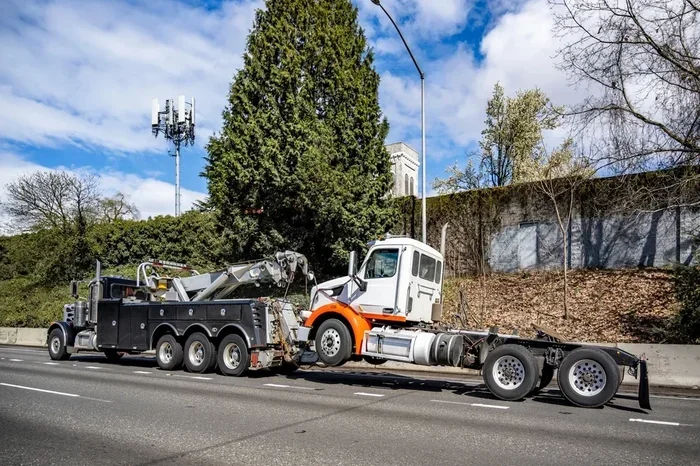
How Close to Max Towing Capacity Is Safe for Your Truck
Towing at or near your truck’s max towing capacity is risky and can cause serious damage, loss of control, and safety hazards. Most experts recommend staying at 80-90% of your rated towing capacity to allow a safety margin. This guide covers everything you need to know about how close to max towing capacity is safe, including calculations, risks, and expert tips.
Towing a trailer with your truck can be one of the most rewarding experiences. Whether you haul a boat to the lake, tow a camper on vacation, or transport equipment for work, your truck handles the heavy lifting. But here is the big question many truck owners face: how close to max towing capacity is safe?
The short answer is that you should almost never tow at your truck’s absolute maximum rating. Most towing experts and engineers recommend staying between 80% and 90% of your truck’s rated capacity. This leaves a safety margin for unexpected weight shifts, road conditions, and mechanical stress. Towing at or beyond the limit can cause serious damage to your vehicle and create dangerous driving situations.
In this article, we will break down everything you need to know about towing capacity safety. You will learn how to read your truck’s specifications, calculate your actual load, understand the risks of overloading, and discover the best equipment and practices for safe towing. By the end, you will feel confident and prepared every time you hit the road with a trailer in tow.
Key Takeaways
- Stay Below Max Capacity: Most experts advise towing at 80-90% of your truck’s rated towing capacity for a safety buffer.
- Understand Your Truck’s Limits: Your max towing capacity depends on engine, transmission, axle ratio, and payload rating.
- Overloading Causes Serious Problems: Exceeding limits leads to brake failure, trailer sway, engine overheating, and tire blowouts.
- Use the Right Equipment: A proper hitch, brake controller, and weight distribution system are essential for safe towing.
- Watch for Warning Signs: Swaying, overheating, poor braking, and suspension bottoming out are red flags you’re pushing too hard.
- Know the Law: Towing regulations vary by state, and exceeding limits can result in fines and insurance issues.
- Practice Makes Perfect: Always test your setup in a safe area before hitting the highway.
📑 Table of Contents
- Understanding Your Truck’s Max Towing Capacity
- The Risks of Towing at Maximum Capacity
- How to Calculate Your Actual Towing Load
- Essential Safety Equipment for Heavy Towing
- Signs You Are Pushing Your Truck Too Hard
- Expert Tips for Staying Within Safe Towing Limits
- Common Mistakes People Make When Towing Near Max Capacity
- Legal and Insurance Considerations for Heavy Towing
- Conclusion
Understanding Your Truck’s Max Towing Capacity
What Does Max Towing Capacity Actually Mean?
Every truck comes with a manufacturer-rated towing capacity. This number represents the maximum weight your truck can safely pull under ideal conditions. But here is the thing most people miss: that number is based on a perfectly maintained vehicle with the right options installed.
Your truck’s towing capacity depends on several key factors:
- Engine size and power output
- Transmission type
- Axle ratio
- Payload capacity
- Hitch class and type
- Cooling system capacity
- Brake system strength
When you see a number like “10,000 lbs towing capacity,” that does not mean your truck can pull 10,000 lbs of trailer plus whatever you put in the bed. The total weight your truck carries, including passengers, cargo, and the trailer, must stay within the gross vehicle weight rating (GVWR). This is a crucial distinction that many truck owners overlook.
How to Find Your Truck’s Towing Numbers
Finding your truck’s exact towing capacity is easier than you might think. Start by checking your owner’s manual. The manufacturer provides detailed towing guides specific to your model, engine, and configuration. You can also look for a towing capacity sticker inside the driver’s door jamb or in the glove box.
Another reliable source is the Gross Vehicle Weight Rating (GVWR) plate, which is usually found on the driver’s side door frame. This plate lists the maximum loaded weight of your vehicle, including passengers, cargo, and trailer tongue weight.
Do not guess. Always use the numbers provided by the manufacturer for your specific truck configuration. A 2023 Ford F-150 with the 3.3-liter V6 has a different towing capacity than the same model with the 5.2-liter V8. The same goes for RAM, Chevrolet Silverado, Toyota Tundra, and GMC Sierra trucks.
The Risks of Towing at Maximum Capacity
Why Pushing the Limit Is Dangerous
Towing at or near your truck’s maximum towing capacity puts enormous stress on every component of your vehicle. The engine works harder, the transmission runs hotter, the brakes take longer to stop, and the suspension compresses to its limits. All of this combined creates a dangerous driving experience.
Here are the main risks of towing too close to your max capacity:
- Brake failure: Your brakes are designed for your truck’s weight plus a rated towing load. Exceeding that means your brakes may not stop the truck and trailer in time.
- Engine overheating: The extra strain on the engine can cause it to overheat, especially on hot days or during long climbs.
- Transmission damage: Towing heavy loads generates extreme heat in the transmission. Over time, this leads to premature wear and costly repairs.
- Tire blowouts: Overloaded tires can overheat and blow out at highway speeds, which is extremely dangerous.
- Trailer sway: Excess weight or improper weight distribution can cause the trailer to sway uncontrollably, a phenomenon known as trailer sway.
- Suspension failure: Springs, shocks, and bushings are rated for specific loads. Exceeding them leads to bottoming out and potential failure.
Real-World Consequences of Overloading
Let us put this in perspective. Imagine you are towing a 9,500-pound trailer with a truck rated at 10,000 pounds. That sounds like a 500-pound margin, right? But that 500 pounds must cover everything in your truck bed, all passengers, any cargo inside the cab, and the tongue weight of the trailer. In reality, you might already be at or over your truck’s payload capacity before you even connect the trailer.
This is why many towing experts say that staying within 80 to 90 percent of your max towing capacity is the smart move. That leaves room for the real-world weight you carry every day and gives you a cushion for safety.
How to Calculate Your Actual Towing Load
The Math Behind Safe Towing
Calculating your actual towing load is not complicated, but it does require attention to detail. Here is a simple step-by-step process to determine whether your setup is safe.
Step 1: Find your truck’s max towing capacity. Check the owner’s manual or the manufacturer’s website for your specific configuration.
Step 2: Find your truck’s payload capacity. This is the maximum weight your truck can carry in the cab and bed, including passengers and cargo. This number is usually on the door jamb sticker.
Step 3: Weigh everything you are carrying. This includes passengers, cargo in the bed, cargo in the cab, and the trailer tongue weight. Tongue weight is the downward force the trailer puts on the hitch, typically 10 to 15 percent of the total trailer weight.
Step 4: Subtract your payload from the max payload capacity. If the result is a positive number, you have room for the trailer weight. If it is negative, you are already over your truck’s payload limit.
Step 5: Apply the 80-90% rule. Even if your numbers check out, only use 80 to 90 percent of your max towing capacity for everyday towing. This gives you a safety buffer for unexpected situations.
Quick Example
Let us say your truck has a max towing capacity of 10,000 pounds and a payload capacity of 1,800 pounds. You have two passengers weighing 350 pounds total, and you have 200 pounds of gear in the bed and cab. Your tongue weight from a 9,000-pound trailer would be about 900 to 1,350 pounds. Add that to your passengers and gear, and you might already be at or over payload capacity.
This is exactly why many experienced truckers recommend using a weight distribution hitch and always weighing your rig at a truck scale before a long trip.
Essential Safety Equipment for Heavy Towing
Equipment That Keeps You Safe on the Road
Towing safely requires more than just a truck and a trailer. The right equipment makes a huge difference in control, stability, and braking performance. Here is a checklist of essential towing equipment every truck owner should have:
- Proper hitch: Choose a hitch rated for your trailer weight. Class IV and Class V hitches handle the heaviest loads.
- Weight distribution hitch: This spreads the tongue weight evenly across all axles, improving stability and handling.
- Brake controller: A trailer brake controller lets you apply the trailer brakes independently, which is critical for heavy loads.
- Sway control: Anti-sway devices help prevent trailer sway caused by wind, passing trucks, or uneven road surfaces.
- Backup camera and sensors: These help you see behind the trailer and avoid obstacles when reversing.
- Tire pressure monitoring system (TPMS): Keep an eye on tire pressure for both the truck and the trailer.
Why a Brake Controller Matters
A brake controller is one of the most important pieces of towing equipment you can install. Without it, your trailer brakes do not work in sync with your truck’s brakes. This means your stopping distance increases dramatically, especially when you are towing near your max capacity.
Most brake controllers let you adjust the braking power based on the trailer weight. Start with a lower setting and increase it until you feel confident. Always test your brakes in a safe, empty area before driving on public roads with a heavy load.
Signs You Are Pushing Your Truck Too Hard
Warning Signs to Watch For
Your truck will tell you when it is struggling. The key is knowing what to look for and responding quickly. Here are the most common warning signs that you are towing too close to your max capacity:
- Engine temperature rising: If your temperature gauge climbs higher than normal, especially on inclines, your engine is working too hard.
- Transmission slipping or shifting late: This indicates the transmission is under excessive strain and overheating.
- Brake fade: If you press the brakes and they feel soft or take longer to slow down, your brakes are overheating from the extra load.
- Suspension bottoming out: If your truck hits the bump stops regularly, you are carrying too much weight.
- Trailer swaying or fishtailing: This is one of the most dangerous signs and requires immediate attention.
- Tire overheating or uneven wear: Overloaded tires wear out faster and can fail without warning.
- Difficulty steering: If the truck feels heavy or unresponsive in the steering, the front axle may be overloaded.
What to Do If You Notice These Signs
If you notice any of these warning signs, pull over safely as soon as possible. Let your engine cool down, check your tire pressure, and reassess your load. If you are too close to your max capacity, consider redistributing weight, removing some cargo, or using a lighter trailer. Safety always comes first.
Expert Tips for Staying Within Safe Towing Limits
Best Practices Every Truck Owner Should Follow
Experienced truckers and towing professionals follow a set of best practices that keep them safe and extend the life of their vehicles. Here are the top tips to keep in mind:
- Always read your owner’s manual thoroughly. The manual contains towing guides, weight limits, and specific recommendations for your truck.
- Weigh your truck and trailer at a CAT scale. Truck stops have scales that let you weigh your entire rig for a small fee. This is the most accurate way to know your actual load.
- Distribute weight evenly in the trailer. Uneven weight causes sway and puts uneven stress on your truck and trailer tires.
- Keep your tongue weight between 10 and 15 percent of the trailer weight. Too little tongue weight causes sway. Too much overloads the rear axle.
- Check your mirrors frequently. Make sure your trailer is tracking straight and not swaying.
- Increase your following distance. A loaded truck takes longer to stop. Give yourself extra room to brake safely.
- Avoid towing in extreme heat. High temperatures increase the risk of engine overheating and tire failure.
- Service your truck more frequently when towing. Change your oil, transmission fluid, and coolant more often if you tow regularly.
The 80-Percent Rule: Why Experts Recommend It
The 80-percent rule is a widely accepted guideline in the towing community. It states that you should never tow more than 80 percent of your truck’s rated towing capacity. This leaves a 20 percent safety margin for real-world conditions that are never perfect.
Roads are not always flat. Wind gusts can push a trailer unexpectedly. Other drivers cut you off without warning. Your tires may not be perfectly inflated. The 80-percent rule accounts for all of these variables and gives you a much safer towing experience.
Some experienced tow motorists follow an even more conservative approach, staying at 70 or 75 percent of their max capacity. The key is to find a comfortable margin that matches your experience level and the conditions you typically drive in.
Common Mistakes People Make When Towing Near Max Capacity
Mistakes to Avoid
Even experienced truck owners make mistakes when towing heavy loads. Here are the most common errors that lead to accidents, damage, and costly repairs:
- Ignoring payload capacity: Many people focus only on towing capacity and forget about payload. Your truck must carry the trailer tongue weight plus everything else in the vehicle.
- Using the wrong hitch: A hitch that is not rated for your trailer weight can fail catastrophically. Always match your hitch class to your load.
- Not using a weight distribution system: Without proper weight distribution, your truck can become nose-heavy, reducing front axle traction and steering control.
- Overlooking tire condition: Old, underinflated, or overloaded tires are a leading cause of towing accidents. Check your tires before every trip.
- Speeding while towing: Higher speeds increase wind resistance, heat buildup, and stopping distance. Keep your speed steady and within legal limits.
- Skipping regular maintenance: Towing puts extra stress on your truck. Skipping oil changes, brake inspections, and fluid checks leads to premature failure.
How to Avoid These Mistakes
The best way to avoid these common mistakes is to plan ahead. Before every towing trip, take a few minutes to check your setup. Verify your hitch rating, inspect your tires, check your fluid levels, and confirm your load weight. A little preparation goes a long way toward a safe and enjoyable towing experience.
Legal and Insurance Considerations for Heavy Towing
Know the Laws in Your Area
Towing regulations vary by state and country. Some states have specific rules about maximum trailer width, weight limits, and required safety equipment. Exceeding these limits can result in fines, points on your license, and even vehicle impoundment.
Before you tow, research the laws in the states or provinces you will be driving through. Many state highway patrol websites provide detailed towing guides. You can also check with your local Department of Motor Vehicles for the most up-to-date regulations.
Insurance Coverage for Towing
Your standard auto insurance may not fully cover damages that occur while towing. Some policies exclude trailer damage or have low coverage limits for towing equipment. Check with your insurance provider to make sure you have adequate towing insurance coverage.
Consider adding umbrella coverage or a specialty towing policy if you regularly haul heavy loads. The extra cost is small compared to the financial protection it provides in case of an accident or damage.
Conclusion
The answer to how close to max towing capacity is safe is clear: you should stay well below the maximum. Towing at 80 to 90 percent of your rated capacity gives you a safety margin that accounts for real-world conditions, unexpected weight shifts, and the extra stress on your vehicle’s components.
Remember to always check your truck’s specifications, weigh your rig before a trip, and use the right safety equipment. Pay attention to warning signs from your vehicle, follow the 80-percent rule, and never assume your setup is safe without verifying the numbers. Towing safely is not just about protecting your truck. It is about protecting yourself, your passengers, and everyone else on the road.
Take the time to understand your truck’s limits, invest in the right equipment, and practice safe towing habits every time you hit the road. Your truck will last longer, your trips will be more enjoyable, and most importantly, you will have peace of mind knowing you are towing within safe limits.
Frequently Asked Questions
What happens if you tow over your max towing capacity?
Towing over your max capacity can cause brake failure, engine overheating, transmission damage, tire blowouts, and loss of vehicle control. It also voids your warranty and may violate towing regulations, leading to fines or insurance claims being denied.
Is it safe to tow at 90 percent of max capacity?
Yes, towing at 90 percent of your max capacity is generally considered safe for experienced drivers in good conditions. However, most experts recommend staying at 80 percent or lower to allow a larger safety margin for unexpected situations.
How do I know if my truck is overloaded when towing?
Signs of an overloaded truck include rising engine temperature, brake fade, suspension bottoming out, trailer sway, and difficulty steering. The most accurate way to check is to weigh your truck at a CAT scale before towing.
Does trailer weight affect truck payload capacity?
Yes, the trailer tongue weight counts toward your truck’s payload capacity. Tongue weight is the downward force the trailer puts on the hitch, and it adds to the weight your truck carries in the cab and bed.
What is the safest way to tow near my truck’s max capacity?
The safest way is to use a weight distribution hitch, install a brake controller, check all tire pressures, distribute weight evenly in the trailer, keep your speed steady, and allow extra stopping distance. Always stay within 80 to 90 percent of your rated capacity.
Do I need special insurance for towing a heavy trailer?
Standard auto insurance may not fully cover towing-related damages. It is a good idea to check with your provider and consider adding towing coverage or an umbrella policy to protect yourself financially in case of an accident while towing.
=== CONCLUSION ===
How close to max towing capacity is safe? The answer is: not as close as you might think. Staying at 80 to 90 percent of your truck’s rated towing capacity is the smartest approach for everyday towing. It protects your vehicle, keeps you and others safe on the road, and helps your truck last for years to come.
Take the time to understand your truck’s specifications, invest in proper towing equipment, and always weigh your setup before a trip. Safe towing is not just a rule. It is a habit that every responsible truck owner should build. Start applying these tips today, and you will enjoy every towing trip with confidence and peace of mind.