Does Your Car Run Better With a New Serpentine Belt
Does your car run better with a new serpentine belt? The short answer is yes. A worn serpentine belt can cause serious problems with your engine accessories, from power steering to the air conditioning compressor. Replacing a damaged drive belt restores smooth operation and can improve your overall vehicle performance noticeably. This guide covers everything you need to know about serpentine belt replacement, from warning signs to real-world benefits.
You might not think about your serpentine belt every day. But does your car run better with a new serpentine belt? This single piece of rubber plays a huge role in how your car runs. It connects the engine to several vital accessories. When it wears out, your entire vehicle can suffer. So, the answer is a clear yes. A fresh serpentine belt can transform how your engine accessories perform. You might notice smoother steering, cooler temperatures, and better fuel economy.
Many drivers ignore this simple auto maintenance task until something goes wrong. But staying ahead of belt wear saves you time, money, and headaches. Let us walk you through everything you need to know about keeping your car running at its best with a new belt.
Key Takeaways
- A fresh serpentine belt restores power to critical engine accessories like the alternator, water pump, and air conditioning compressor.
- Watch for warning signs such as squealing noises, visible cracks, and flickering lights that signal belt wear.
- Replacing a worn belt is affordable and can prevent expensive damage to other components in the accessory drive system.
- Regular belt inspection extends the life of your serpentine belt and keeps your car running at its best.
- A new ribbed belt improves fuel efficiency by reducing drag and ensuring all accessories operate at full capacity.
- DIY replacement is possible for most vehicles, but professional installation ensures proper tension and alignment.
📑 Table of Contents
- What Does a Serpentine Belt Actually Do?
- Serpentine Belt Symptoms You Should Never Ignore
- Does Your Car Run Better With a New Serpentine Belt? Let Us Break Down the Benefits
- Serpentine Belt Replacement: What to Expect
- Common Mistakes That Shorten Belt Life
- Expert Insights for Maximizing Belt Performance
What Does a Serpentine Belt Actually Do?
The Role of the Accessory Drive System
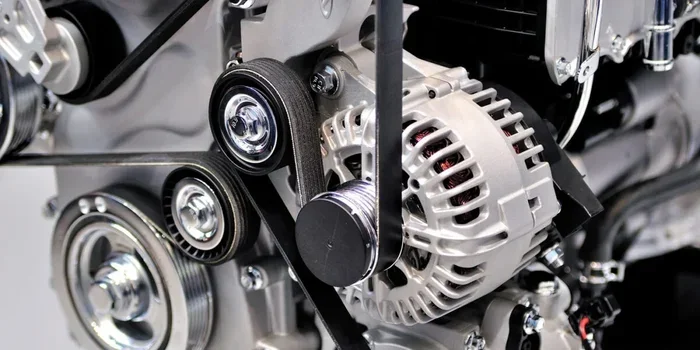
Your serpentine belt is the backbone of the accessory drive system. It is one long, continuous belt that wraps around several pulleys. Each pulley connects to a different engine component. Without it, your car would lose power to multiple systems at once. Understanding this helps you appreciate why keeping it in good shape matters so much.
The ribbed belt design gives it more surface area for gripping. This means it transfers power efficiently to every connected part. Over time, heat and friction take a toll. The rubber begins to harden, crack, and stretch. That is when you start to notice problems. Regular belt inspection catches these issues early.
Key Components Powered by the Belt
So, what exactly does this one belt run? More than you might think. Here are the main components that rely on the serpentine belt:
- Alternator – charges your battery and powers the electrical system
- Water pump – circulates coolant to prevent engine overheating
- Power steering pump – gives you smooth, responsive steering
- Air conditioning compressor – keeps your cabin cool in summer
- AC compressor – works alongside the A/C system for climate control
When one of these components loses power, your driving experience suffers. A worn belt affects all of them at once. That is why timely serpentine belt replacement is so important.
Serpentine Belt Symptoms You Should Never Ignore
Squealing Noises and Other Warning Sounds
One of the most common serpentine belt symptoms is a high-pitched squealing noise. You will usually hear this when you start the engine or turn the steering wheel sharply. The sound comes from the belt slipping on the pulleys. It is your car telling you something is wrong. Do not ignore it.
Sometimes the squeal goes away after a few seconds. But that does not mean the problem is fixed. It often means the belt is glazed or loose. A belt tensioner that is failing can also cause this noise. Have a mechanic check it out right away.
Visual Signs of Belt Wear
You do not always need to hear something to know there is a problem. A simple visual check can reveal a lot. Look under your hood and locate the serpentine belt. Here is what to look for:
- Cracks running along the ribbed surface
- Glazed or shiny spots on the belt
- Fraying or missing chunks of rubber
- Proper belt alignment on all pulleys
- Signs of oil or coolant contamination
A cracked belt is a clear sign that replacement is needed. Even small cracks can grow quickly. They weaken the belt until it eventually breaks. A broken serpentine belt leaves you stranded. That is a situation you want to avoid at all costs.
Performance Issues Caused by a Failing Belt
Beyond noises and visible damage, a worn belt causes real performance problems. Your vehicle performance drops in noticeable ways. You might experience dimming headlights when the idle is low. The air conditioning might blow warm air. Power steering could feel heavy or stiff. These are all signs that the drive belt is not delivering enough power.
In serious cases, a broken belt causes engine overheating. Without the water pump spinning, coolant stops circulating. This can lead to major engine damage if not addressed quickly. That is why understanding serpentine belt symptoms early is critical for every car owner.
Does Your Car Run Better With a New Serpentine Belt? Let Us Break Down the Benefits
Now for the big question. A new serpentine belt brings a range of real, noticeable benefits. Let us walk through them one by one so you understand exactly what to expect.
Restoring Power to Engine Accessories
A new ribbed belt grips the pulleys like it should. Every accessory gets the full power it needs. Your alternator charges the battery properly. The water pump circulates coolant at the right rate. Power steering responds quickly and smoothly. The air conditioning compressor kicks in without hesitation. All of this comes from one simple replacement.
Many drivers report an immediate difference after serpentine belt replacement. The car feels more responsive. Electrical systems work better. Even the stereo sounds clearer because the alternator is charging at full capacity. It is amazing what a fresh belt can do.
Better Fuel Economy and Smoother Operation
Here is a benefit that might surprise you. A new belt can actually improve your fuel economy. How does this work? A worn belt creates more friction and drag on the engine. The engine has to work harder to turn the pulleys. That extra effort burns more fuel. A fresh drive belt reduces this drag significantly.
You might not see a huge jump in miles per gallon. But every little bit helps. Over time, the savings add up. Plus, your engine runs smoother overall. There is less strain on every component connected to the accessory drive system. That means less wear and tear in the long run.
Preventing Costly Breakdown Repairs
This is where the real value of a new belt shines. Think about what happens when a serpentine belt breaks while you are driving. You lose power steering. The alternator stops charging the battery. The water pump ceases circulating coolant. Your engine can overheat within minutes. You could be stuck on the side of the road. Towing and repair costs add up fast.
The serpentine belt cost for replacement is relatively low compared to the damage a broken belt can cause. A new belt and tensioner might cost between $100 and $200. Compare that to a tow bill, a ruined alternator, or an overheated engine. Preventive auto maintenance always wins.
Comparison: Old Belt vs. New Serpentine Belt
| Aspect | Old Worn Belt | New Serpentine Belt |
|---|---|---|
| Power Delivery | Inconsistent and weak | Strong and reliable |
| Fuel Efficiency | Reduced due to drag | Improved and optimized |
| Noise Level | Squealing and chirping | Quiet and smooth |
| Accessory Performance | Dimming lights, weak A/C | Full power to all systems |
| Risk of Breakdown | High | Low |
| Engine Temperature | Potential overheating | Normal and stable |
| Overall Vehicle Performance | Noticeably degraded | Restored to peak levels |
As you can see from the table, the difference is clear. A new belt brings your car back to life in more ways than one.
Serpentine Belt Replacement: What to Expect
The Serpentine Belt Cost Breakdown
Wondering about the serpentine belt cost? The price varies depending on your vehicle and location. On average, you can expect to pay between $100 and $250 for parts and labor combined. The belt itself usually costs between $25 and $75. The rest covers labor and any additional parts like a new tensioner.
If you have a mechanic do the work, labor typically runs $75 to $150. The job usually takes between 30 minutes and an hour. Some vehicles have more complex access, which can increase the time and cost. But overall, it is one of the most affordable auto maintenance services you can get.
DIY vs. Professional Installation
Can you replace the belt yourself? Absolutely. Many car owners handle this as a DIY project. You need a basic socket set and a belt tensioner tool. The process involves releasing the tension, removing the old belt, routing the new one, and tightening it back up.
However, there are some risks. If the belt is not routed correctly, it can damage components. Improper tension causes premature wear or slipping. If you are not comfortable working under the hood, it is worth paying a professional. Either way, getting the job done promptly is what matters most.
How Long Does a New Belt Last?
A new serpentine belt typically lasts between 50,000 and 100,000 miles. Some high-quality belts can go even longer. Your serpentine belt life depends on driving conditions, climate, and how well you maintain the belt. Hot weather and exposure to oil or coolant can shorten the lifespan significantly.
Regular belt inspection helps you stay ahead of wear. Most mechanics check the belt during every oil change. If you notice any of the warning signs we discussed earlier, get it checked immediately. Catching a problem early is always cheaper than fixing the damage it causes.
Common Mistakes That Shorten Belt Life
Ignoring the Belt Tensioner
Here is a mistake many drivers make. They replace the belt but ignore the tensioner. The tensioner keeps the belt tight and properly aligned. A worn tensioner causes the belt to slip, crack, and wear out faster. When you do a serpentine belt replacement, always inspect the tensioner at the same time. Replacing both together ensures everything works as it should.
A failing tensioner often makes a rattling noise. You might hear it when the engine is idling. Do not overlook this sound. It is an easy fix that prevents bigger problems down the road.
Overlooking Fluid Leaks
Engine oil, power steering fluid, and coolant can all damage a serpentine belt. If you have a leak, the belt will deteriorate faster. The rubber becomes soft and swollen. It loses its grip on the pulleys. No matter how new the belt is, fluid contamination will shorten its life.
Fix fluid leaks promptly. Keep an eye on your parking spot for fresh puddles. Regular belt inspection should include checking for signs of fluid exposure. This simple habit can save you from repeated replacements.
Skipping Regular Belt Inspection
The biggest mistake is simply not checking the belt at all. Many drivers only think about their serpentine belt when something goes wrong. By then, it might be too late. Make belt inspection part of your regular auto maintenance routine. A quick look every few months can catch cracks, glazing, and misalignment before they become serious problems.
Set a reminder to check your belt every 10,000 miles or at each oil change. It takes just a few minutes. That small effort can extend your serpentine belt life by thousands of miles.
Expert Insights for Maximizing Belt Performance
Quick Maintenance Tips for Car Owners
Want to get the most out of your new belt? Follow these simple tips:
- Keep the engine bay clean to prevent debris from damaging the belt
- Check belt tension every few months
- Look for proper alignment on all pulleys during inspection
- Replace the belt tensioner whenever you replace the belt
- Address any fluid leaks immediately
- Use a high-quality OEM or OEM-equivalent belt for best results
These small habits make a big difference. They keep your engine accessories running smoothly and extend the life of every component in the drive system.
When to Replace Related Components
A new belt is only as good as the system it works with. When replacing your serpentine belt, consider also inspecting and replacing related parts. The belt tensioner and idler pulleys are the most common companions to belt replacement. If these are worn, they will damage your new belt quickly.
Also check the pulley bearings for roughness or noise. A bad bearing creates vibration that wears out the belt unevenly. Taking care of these related components during serpentine belt replacement saves you from coming back for a second service soon.
So, does your car run better with a new serpentine belt? The evidence is clear. A fresh belt restores power, improves fuel economy, and prevents costly breakdowns. It is one of the simplest and most impactful auto maintenance steps you can take. Do not wait for a warning sign to take action. Inspect your belt regularly, replace it on schedule, and enjoy the difference a new drive belt makes.
Your car works hard for you every day. Give it the care it deserves. A new serpentine belt is a small investment that pays off in big ways. From smoother steering to a cooler engine, the benefits are real and immediate. Take care of your belt, and it will take care of your car.
Frequently Asked Questions
How do I know if my serpentine belt needs replacing?
Listen for squealing noises when you start the engine or turn the steering wheel. Look for visible cracks, glazing, or fraying on the belt surface. If you notice dimming headlights, weak power steering, or your air conditioning blowing warm air, the belt may be worn and ready for replacement. A simple visual inspection and a listen for unusual sounds can tell you a lot.
How much does serpentine belt replacement cost?
The total cost typically ranges from $100 to $250 for both parts and labor. The belt itself costs between $25 and $75, while labor runs from $75 to $150 depending on your vehicle and location. If you need a new tensioner or idler pulley as well, the cost may increase slightly. It is one of the most affordable maintenance services available.
Can I drive with a bad serpentine belt?
You should avoid driving with a worn or damaged belt. A slipping belt can cause power steering failure, battery drain, and engine overheating. If the belt breaks completely, you will lose all accessory power and could be left stranded. It is not worth the risk. Replace a bad belt as soon as possible to avoid costly repairs and dangerous situations on the road.
How long does a new serpentine belt last?
A new serpentine belt typically lasts between 50,000 and 100,000 miles. The exact lifespan depends on driving conditions, climate, and how well you maintain it. Hot weather, exposure to fluids, and improper tension can shorten the belt life. Regular inspection and timely replacement help you get the most miles out of every new belt.
What happens if the serpentine belt breaks while driving?
If the belt breaks while driving, you will immediately lose power steering, the alternator will stop charging the battery, and the water pump will cease circulating coolant. Your engine can overheat within minutes. The air conditioning will also stop working. Pull over safely and call for roadside assistance. Driving with a broken belt can cause severe and expensive engine damage.
Can I replace the serpentine belt myself?
Yes, many car owners successfully replace their serpentine belt as a DIY project. You will need a basic socket set and a belt tensioner tool. The process involves releasing the tension, removing the old belt, routing the new one according to the diagram in your owner manual, and adjusting the tension. If you are not comfortable working under the hood, a professional mechanic can do the job quickly and affordably.
=== CONCLUSION ===
Does your car run better with a new serpentine belt? Without a doubt, yes. A fresh serpentine belt brings back the power, efficiency, and reliability your car needs. From restoring full function to your engine accessories to improving fuel economy, the benefits are immediate and noticeable. Do not let a worn drive belt leave you stranded or cause expensive damage. Stay proactive with regular belt inspection and timely serpentine belt replacement. Your car will thank you with smoother performance and fewer surprises on the road.