Can You Get a Car Wash in the Winter Months
Yes, you can absolutely get a car wash in the winter months. Many drivers worry about washing their vehicles in cold weather, but regular winter car washes are one of the best ways to prevent long-term damage. Road salt, ice, and freezing temperatures can wreak havoc on your vehicle’s paint, undercarriage, and metal components. Keeping your car clean during winter helps with rust prevention, paint protection, and overall winter vehicle maintenance. This guide covers everything you need to know about getting a car wash in winter, including safety tips, benefits, costs, and expert advice.
Winter is tough on vehicles. The cold air, snow, ice, and road salt all combine to create a perfect storm for car damage. Many car owners wonder whether it is even worth washing their vehicles when temperatures drop. The short answer is yes. You can get a car wash in winter, and doing so is one of the smartest things you can do for your vehicle.
Some people believe that washing a car in cold weather is a bad idea. They worry about freezing doors, cracked paint, or water turning to ice on contact. While these concerns are not entirely unfounded, modern car wash facilities are designed to handle winter conditions. Plus, with the right approach, a winter car wash can do more good than harm. Let us dive into why washing your car during the colder months matters more than you might think.
Road salt is one of the biggest enemies of your vehicle. Cities and towns spread salt on roads to melt ice and snow. While this makes driving safer, it is terrible for your car. Salt accelerates rust formation and eats away at metal surfaces. Over time, this can lead to expensive repairs. A regular car wash in winter helps remove salt before it causes permanent damage. It is a simple step that pays off in the long run.
Key Takeaways
- Winter car washes are safe and recommended: Regular cleaning helps remove road salt and prevents rust and corrosion.
- Undercarriage cleaning is critical: Salt buildup underneath your vehicle can cause serious structural damage over time.
- Multiple wash options exist: Automatic, touchless, hand, and self-service car washes all work in winter.
- Timing matters: Wash your car during the warmest part of the day to avoid freezing issues.
- Waxing before winter adds a protective layer: It helps repel water, salt, and grime effectively.
- Avoid washing in freezing temperatures: Doing so can lead to frozen doors, windows, and locks.
- Frequency should increase in winter: Wash your car every 1 to 2 weeks if you drive in snowy or salted roads.
📑 Table of Contents
- Why Winter Car Washing Matters More Than You Think
- Types of Car Washes Available in Winter
- Benefits of Washing Your Car in Winter
- Common Mistakes to Avoid When Washing Your Car in Winter
- Expert Tips for the Best Winter Car Wash Experience
- How Often Should You Wash Your Car in Winter?
- Is a Car Wash in Winter Worth the Cost?
- Conclusion
Why Winter Car Washing Matters More Than You Think
Most car owners focus on washing their vehicles during spring and summer. Winter often gets overlooked. But the truth is, your car faces more threats in winter than in any other season. Understanding why winter washing matters can change how you care for your vehicle.
The Hidden Danger of Road Salt
Road salt might keep you safe on icy roads, but it is brutal on your car. When salt mixes with moisture, it creates an acidic reaction that corrodes metal. This process is called corrosion. It attacks your vehicle from the outside in. The undercarriage, wheel wells, and exhaust system are especially vulnerable.
Many drivers do not realize how quickly salt damage occurs. A single day of driving on salted roads can leave a layer of residue on your car. Over a week, that layer builds up. Within a month, the damage can become visible. Rust spots, pitting, and discoloration are all common results. This is why undercarriage cleaning during winter is so important.
How Cold Weather Affects Your Vehicle’s Exterior
Cold weather does more than just make your car dirty. It actually changes how contaminants interact with your vehicle’s surface. Snow, sleet, and freezing rain all carry dirt and chemicals that settle on your paint. When these substances freeze onto your car, they become even harder to remove.
Temperature swings also cause condensation. This moisture trapped against your car’s surface creates the perfect environment for rust. Even if you park your car in a garage, moisture can still settle on the exterior. A winter car wash removes this moisture and the contaminants riding along with it.
Protecting Your Resale Value
Regular washing during winter is an investment in your car’s future resale value. Vehicles that have been well-maintained throughout the years always fetch a higher price. Rust and corrosion are deal-breakers for most buyers. By keeping up with a winter vehicle maintenance routine, you protect not just your car’s appearance but also its structural integrity.
Types of Car Washes Available in Winter
Not all car washes are the same, especially in winter. Different types of washes offer different levels of protection and convenience. Knowing your options helps you choose the best one for cold-weather cleaning.
Automatic Car Wash
Automatic car washes are the most popular option for many drivers. They are fast, convenient, and widely available. Most automatic facilities have heated bays that prevent water from freezing on your vehicle. This makes them a great choice for a winter car wash.
There are two main types of automatic washes. Friction washes use rotating brushes to scrub your car. Touchless washes use high-pressure water jets and chemicals. Both can be effective in winter. However, touchless washes are often gentler on your paint and less likely to cause micro-scratches.
Touchless Car Wash
A touchless car wash is an excellent option during winter. These systems rely on high-pressure water and specialized cleaning solutions. They do not use physical contact, which means less risk of paint damage. This is especially important in winter when your car’s clear coat may already be weakened by salt exposure.
Touchless washes are also faster, which reduces the time your car is wet. This is a big advantage when temperatures are near or below freezing. Less time wet means less chance of ice forming on your vehicle.
Hand Car Wash
Hand car washes offer a more personalized cleaning experience. A professional attendant washes your car by hand using soft cloths and gentle soaps. This method is thorough and allows for attention to detail that machines cannot always provide.
However, hand car washes can take longer. In winter, you want to minimize the time your car is exposed to cold air. If you choose a hand wash, make sure the facility has a heated drying area. A thorough exterior car wash followed by proper drying is key to preventing ice formation.
Self-Service Car Wash
Self-service car washes give you complete control over the cleaning process. You choose the water pressure, soap, and rinse settings. Many self-service facilities have heated water options, which is a huge plus in winter.
The main advantage of a self-service wash is the ability to focus on problem areas. You can spend extra time on the undercarriage, wheel wells, and wheel arches where salt buildup is heaviest. This hands-on approach is ideal for thorough winter car care.
Undercarriage Rinse Stations
Some car wash facilities offer dedicated undercarriage rinse stations. These are specifically designed to blast away salt, mud, and debris from the underside of your vehicle. An undercarriage rinse is one of the most valuable services you can use during winter.
These stations use high-pressure water to reach areas that are difficult to clean by other means. The undercarriage is where most salt damage begins. Regular undercarriage rinses can significantly extend the life of your vehicle’s frame, exhaust, and suspension components.
Benefits of Washing Your Car in Winter
Still not convinced that a car wash in winter is worth it? Let us look at the specific benefits. These reasons alone should motivate you to keep up with regular winter washes.
Prevents Rust and Corrosion
The number one benefit of winter car washing is rust prevention. Salt is a catalyst for corrosion. When it sits on your car’s surface, it breaks down the protective layers of paint and clear coat. Over time, bare metal is exposed, and rust sets in.
Regular washing removes salt before it has time to cause damage. A clean car surface means fewer rust spots and less long-term deterioration. This is especially true for the undercarriage, where rust can compromise your vehicle’s safety.
Preserves Paint and Clear Coat
Your car’s paint does more than just look good. It acts as a protective barrier against the elements. Road salt, dirt, and chemicals all attack this barrier. Over time, the clear coat becomes dull, scratched, and thin.
A winter car wash removes these harmful substances before they can eat into the paint. Adding a coat of wax before winter provides an extra layer of protection. Wax acts as a shield, making it harder for salt and grime to adhere to your car’s surface.
Improves Visibility and Safety
This might seem obvious, but a clean car is a safer car. Salt and grime buildup on windows, mirrors, and headlights reduces visibility. A thorough winter vehicle maintenance wash ensures all your exterior lights and glass surfaces are clear.
Clean headlights are especially important in winter. They are already working harder during shorter, darker days. Dirty headlights can reduce visibility by up to 50 percent. A quick wash can restore their brightness and keep you safer on the road.
Saves Money on Repairs
Prevention is always cheaper than repair. A single car wash cost is a fraction of what you would pay to fix rust damage or repaint a corroded panel. Think of winter car washing as an insurance policy for your vehicle.
Consider this: a basic car wash costs between $10 and $25. A full rust repair can cost hundreds or even thousands of dollars. The math is simple. Regular winter washes are a smart financial decision.
Boosts Your Mood and Pride
Do not underestimate the psychological benefits of a clean car. Winter is already a gloomy season for many people. Driving a clean, shiny car can lift your spirits and give you a sense of pride. It is a small act of self-care that makes a big difference in how you feel about your daily commute.
Common Mistakes to Avoid When Washing Your Car in Winter
While washing your car in winter is a great idea, doing it wrong can cause problems. Here are some common mistakes to watch out for.
Washing Your Car in Freezing Temperatures
This is the biggest mistake people make. Washing your car when the temperature is below freezing is a recipe for disaster. Water can freeze on your doors, windows, mirrors, and even locks. You could end up stranded or unable to access your vehicle.
The best time to wash your car in winter is during the warmest part of the day, usually between 10 a.m. and 3 p.m. Choose a day when temperatures are expected to stay above 32 degrees Fahrenheit. This gives your car time to dry completely before the temperature drops again.
Skipping the Undercarriage Rinse
Many people focus only on the visible parts of their car and forget the undercarriage. This is a huge mistake when it comes to winter washing. The undercarriage is where most salt and grime accumulate. Skipping this step means you are only addressing half the problem.
Always make sure your wash includes an undercarriage rinse. If your local facility does not offer one, ask if they can do it as an add-on service. A thorough undercarriage cleaning is one of the best investments you can make for your vehicle’s longevity.
Not Drying Your Car Properly
In winter, proper drying is just as important as washing. Water left on your car’s surface can freeze into ice. This can freeze your doors shut, damage seals, and even crack glass in extreme cases.
Always use a heated drying station if available. If you are washing at home, use a clean microfiber towel to remove as much water as possible. Pay special attention to door jambs, window edges, and mirror housings where water tends to pool and freeze.
Using the Wrong Soap
Not all car soaps are created equal. Dish soap and household cleaners may seem like a quick fix, but they can strip away wax and protective coatings. In winter, when your car’s paint is already under attack from salt and cold, you need every bit of protection you can get.
Always use a dedicated automotive soap designed for winter use. These soaps are formulated to cut through salt and grime without damaging your car’s finish. They also often contain ingredients that help repel water and prevent ice buildup.
Ignoring the Interior
Winter dirt does not just stay outside. Salt, mud, and moisture track into your car’s interior. Over time, this can cause carpet stains, odors, and even rust on interior metal components.
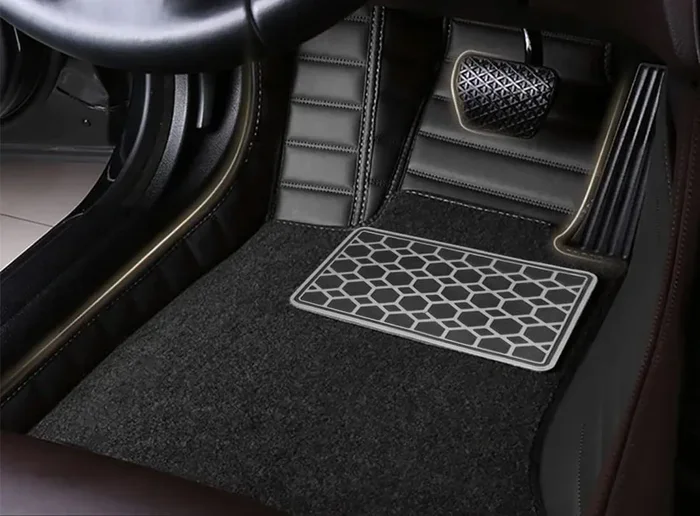
Take the time to vacuum your carpets and wipe down your interior surfaces. Remove floor mats and clean them separately. A clean interior complements your exterior car wash and keeps your entire vehicle in top shape throughout winter.
Expert Tips for the Best Winter Car Wash Experience
Getting the most out of your winter car wash comes down to a few smart strategies. Here are expert tips that make a real difference.
Pre-Wash Preparation
Before you head to the car wash, do a quick pre-rinse at home. Use warm water to loosen any heavy salt or mud buildup. This saves time at the wash facility and ensures a more thorough cleaning. It also prevents large chunks of salt from scratching your paint during the wash cycle.
Keep a pair of all-weather floor mats in your car during winter. These trap salt and moisture before they reach your carpet. When the mats get dirty, take them out and rinse them off. This simple habit keeps your interior cleaner between washes.
Choose the Right Wash Frequency
How often should you wash your car in winter? The answer depends on your driving conditions. If you drive on salted highways every day, you should wash your car every 5 to 7 days. If you mostly drive on untreated roads, every two weeks is usually sufficient.
The car wash frequency also depends on how much salt your local government uses. Some areas are much heavier with salt application than others. Pay attention to how your car looks and feels after driving. If you can see or feel salt residue, it is time for another wash.
Apply Wax Before Winter Begins
One of the best things you can do for your car before winter arrives is apply a coat of wax. Wax creates a hydrophobic barrier that repels water, salt, and dirt. This means contaminants slide off your car more easily, reducing the amount of buildup.
Professional-grade wax lasts longer than store-bought options. Consider getting a ceramic coating if you want maximum protection. These coatings can last for months and provide excellent defense against winter road grime. Talk to your local car wash near me about waxing and coating services.
Use a Heated Drying Area
Always opt for a heated drying area when available. The warm air helps evaporate water quickly and prevents ice formation. This is especially important for door seals, trunk seals, and any other rubber components that can freeze and crack.
If a heated drying area is not available, use compressed air to blow out water from crevices and tight spaces. Pay special attention to door handles, keyholes, and window tracks. A few extra minutes of drying can save you from frozen doors on a cold morning.
Check for Damage After Each Wash
Use each car wash as an opportunity to inspect your vehicle. Look for new scratches, chips in the paint, or signs of rust. Early detection makes repairs easier and less expensive. Catching a small rust spot early can prevent it from becoming a major structural issue.
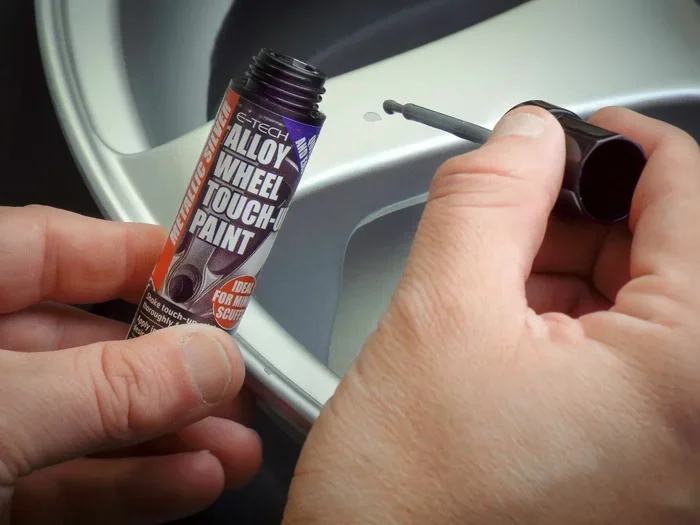
Pay close attention to areas around the wheel wells, bumpers, and rocker panels. These are the spots most exposed to road debris and salt spray. If you notice any damage, address it promptly. A small chip in your paint can turn into a rust hole within weeks during winter.
How Often Should You Wash Your Car in Winter?
The ideal car wash frequency in winter depends on several factors. Your local climate, driving habits, and road conditions all play a role. Here is a general guide to help you decide.
- Daily salted road driving: Wash every 4 to 5 days
- Occasional salted road driving: Wash every 7 to 10 days
- Mostly garage-kept, occasional drives: Wash every 2 weeks
- After a big snowstorm: Wash within 24 to 48 hours
- Before spring arrives: Do a thorough deep wash to remove accumulated salt
Sticking to a regular schedule is the key to effective winter car care. Treat your winter wash routine like brushing your teeth. It is a small habit that prevents big problems down the road.
Is a Car Wash in Winter Worth the Cost?
The car wash cost in winter is typically the same as in summer. Most facilities charge between $10 and $30 for a standard wash. Premium services like undercarriage rinses, waxing, and ceramic coatings cost a bit more but offer extra protection.
When you compare the cost of a car wash to the cost of rust repair, the answer is clear. A single rust repair can cost anywhere from $200 to $2,000 or more, depending on the severity. A dozen winter car washes would cost a fraction of that. Not washing your car in winter is a false economy.
Think about it this way. You already pay for winter tires, antifreeze, and other cold-weather essentials. A winter car wash is just another part of responsible vehicle ownership. It protects your investment and keeps your car running smoothly for years to come.
Conclusion
The answer to the question can you get a car wash in the winter is a resounding yes. Not only can you get a winter car wash, but you should. Winter conditions put your vehicle under constant attack from salt, moisture, and freezing temperatures. Regular washing is one of the simplest and most effective ways to protect your car from long-term damage.
Choose the right type of wash for your needs. Whether you prefer an automatic, touchless, hand, or self-service wash, there are plenty of options available. Follow the expert tips outlined in this guide, and make winter washing a regular part of your winter vehicle maintenance routine.
Your car works hard for you every day, even in the harshest winter conditions. Give it the care it deserves. A clean car is a protected car. Start your winter washing routine today, and enjoy the peace of mind that comes with knowing your vehicle is shielded against the elements. A little effort now saves you from costly repairs later.
Frequently Asked Questions
Can I wash my car when it is below freezing outside?
It is not recommended. When temperatures are below 32 degrees Fahrenheit, water can freeze on your car’s surfaces. This can freeze your doors, windows, and locks shut. Always wait for temperatures to rise above freezing, ideally during the warmest part of the day between 10 a.m. and 3 p.m.
How often should I wash my car in winter?
If you drive on salted roads regularly, wash your car every 4 to 7 days. For lighter winter driving, every 10 to 14 days is usually sufficient. The key is to remove salt and grime before it has time to cause corrosion and rust buildup on your vehicle.
What type of car wash is best for winter?
Touchless and automatic car washes with heated bays are the best options for winter. They use high-pressure water and cleaning solutions without physical contact, which reduces the risk of paint damage. Undercarriage rinse services are also highly recommended during the colder months.
Does washing my car in winter really prevent rust?
Yes, absolutely. Road salt is one of the leading causes of rust and corrosion on vehicles. Regular winter car washes remove salt and moisture before they can attack your car’s metal surfaces. This simple habit can add years to your vehicle’s lifespan and save you from expensive repair bills.
Should I wax my car before winter starts?
Yes, applying a coat of wax before winter is one of the best things you can do for your car. Wax creates a protective barrier that repels water, salt, and dirt. It makes your car easier to clean and provides an extra layer of defense against winter weather damage and corrosion.
Can I wash my car at home in winter?
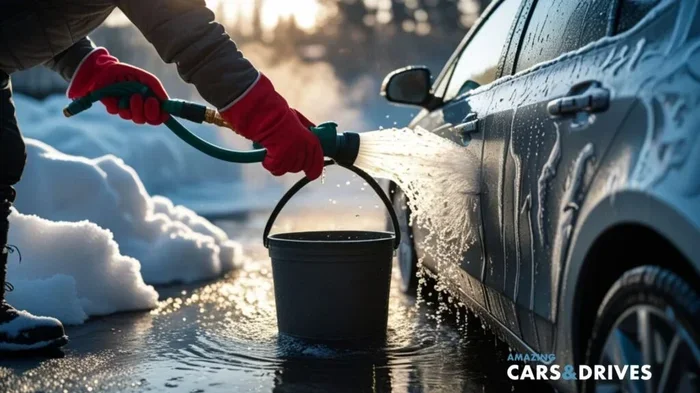
You can, but it requires extra caution. Use warm water and a proper automotive soap. Dry your car thoroughly with a microfiber towel, and make sure to remove all water from crevices and seals. If temperatures are near freezing, it is safer to use a professional facility with heated drying areas to avoid frozen components.