Can You Gate Check a Car Seat on Your Next Airline Trip
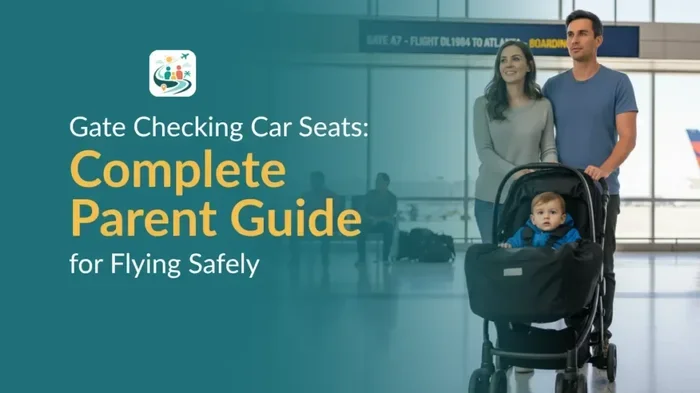
Yes, you can gate check a car seat on most airlines. This means you bring the car seat to the plane door, then hand it over at the jet bridge. Gate checking saves time and keeps your car seat safe during the flight. We break down every airline policy, tip, and trick so your next trip with a little one goes smoothly.
Traveling with a little one is no small feat. Between the diaper bag, the stroller, and the endless snacks, every parent knows the drill. But one question always pops up: can you gate check a car seat? The short answer is yes. But the full answer? That’s where things get interesting.
Whether you’re flying with an infant or a toddler, figuring out car seat rules for flying can feel overwhelming. Airlines have different policies. Airport crews handle your gear in ways you can’t always control. And nobody wants a damaged car seat at the end of a trip.
This guide walks you through everything you need to know. We’ll cover airline policies, gate check procedures, practical tips, and common mistakes to avoid. By the end, you’ll feel confident and ready for your next flight with your child and their car seat.
Key Takeaways
- Gate checking is allowed: Most major airlines let you bring your car seat to the boarding door and check it there.
- It’s free in most cases: Car seats usually don’t count as checked baggage, so you skip extra fees.
- FAA-approved seats work best: Look for the red “This Seat Is Certified for Motor Vehicle and Aircraft Use” label.
- Use a travel bag: A protective cover keeps your car seat clean and safe during gate handling.
- Know the rules for each airline: Policies vary, so always check with your airline before you fly.
- Pick up at baggage claim: Your car seat will be waiting for you on the carousel or at a special pickup area.
- Install it on the plane: If you want your child to use the seat during the flight, you can install it in a window seat.
📑 Table of Contents
- What Does It Mean to Gate Check a Car Seat?
- Airline Policies on Gate Checking Car Seats
- Can You Bring a Car Seat Through Airport Security?
- Which Car Seats Are Best for Flying?
- Practical Tips for Gate Checking Your Car Seat
- Common Mistakes Parents Make When Gate Checking Car Seats
- What Happens to Your Car Seat After Gate Check?
- Expert Insights on Flying with a Car Seat
- Key Takeaways
- Conclusion
What Does It Mean to Gate Check a Car Seat?
Gate checking means you bring your item to the airplane door instead of checking it at the ticket counter. You use it until you reach the jet bridge. Then a crew member takes it from you and sends it to the cargo hold. When you land, your item shows up at baggage claim or a special pickup area near the gate.
This works for car seats, strollers, and other bulky items. The process is simple:
- Arrive at the airport with your car seat strapped to your back or carried in hand.
- Board the plane and use the car seat if your child needs it during the flight.
- At the jet bridge, a gate agent asks you to hand over the car seat.
- They tag it and send it to the cargo hold.
- On arrival, pick it up at baggage claim or the gate pickup area.
The big advantage? You don’t have to surrender your car seat hours before your flight. You keep it with you until the very last moment at the gate. This makes the airport experience much smoother for parents.
Gate Check vs. Regular Check-In
There’s a big difference between gate checking and regular check-in. When you check a car seat at the ticket counter, you hand it over when you drop your bags. It goes into the cargo hold right away. You don’t see it again until you land.
With gate checking, you keep the car seat longer. This matters because:
- You avoid the risk of lost or delayed items at the ticket counter.
- You can use the car seat during the flight if needed.
- You don’t have to carry it far through the airport without it.
Most parents prefer gate checking because it gives them more control. You know where your car seat is at every step.
Airline Policies on Gate Checking Car Seats
Not all airlines treat car seats the same way. Airline car seat policy can vary widely. Some carriers are very parent-friendly. Others have strict rules. Here’s a closer look at how major airlines handle this.
Major U.S. Airlines
Most U.S. airlines allow gate check car seat options without extra fees. Here’s a quick look at the big players:
- Delta Air Lines: Lets you bring car seats on board for free. You can also gate check them at the door. Delta even offers a car seat travel bag for purchase.
- American Airlines: Allows car seats at no extra cost. You can gate check them or check them at the counter. FAA-approved car seats are accepted.
- United Airlines: Permits car seats on board and at the gate. They do not charge for car seat baggage handling.
- Southwest Airlines: Very parent-friendly. Car seats fly free, and you can gate check them easily.
- JetBlue: Allows car seats on board and at the gate. No fees for child travel gear.
International Carriers
If you’re flying internationally, the rules still generally favor parents. Most global carriers like British Airways, Lufthansa, and Air Canada allow car seats on flights. However, always check with your specific airline before you travel. Some international carriers have different rules about which car seat models are allowed on board.
Budget Airlines
Budget carriers can be trickier. Some charge for car seat handling. Others don’t allow car seats on board at all. Always read the fine print. A quick call to the airline’s customer service can save you a lot of stress at the airport.
Can You Bring a Car Seat Through Airport Security?
Yes, you can bring a car seat through TSA car seat rules checkpoints. The Transportation Security Administration allows car seats as medical and child equipment. They don’t count toward your carry-on limit.
Here’s what to expect at the airport security checkpoint:
- You’ll need to remove the car seat from your stroller or bag.
- Place it on the conveyor belt for X-ray screening.
- TSA officers may ask you to open the car seat for inspection.
- You can request a private screening if you prefer more privacy.
The good news? You don’t have to remove your child from the car seat during screening. Just carry the seat through the scanner. If it triggers an alert, agents may do a visual or swab test. This is standard procedure and nothing to worry about.
Tips for Smooth Security Screening
Getting through security with a car seat and a child can feel chaotic. Here are some travel tips that actually work:
- Use a car seat travel bag to keep the seat clean and easy to carry.
- Wear your child in a carrier while pushing the car seat through the checkpoint.
- Hold onto your boarding pass and ID. You’ll need them again after screening.
- Be patient. Security lines can be long, especially during peak travel times.
Which Car Seats Are Best for Flying?
Not every car seat is created equal when it comes to air travel. Some models are lightweight and easy to carry. Others are too bulky or don’t meet FAA certification requirements for aircraft use.
FAA-Approved Car Seats
The FAA requires that car seats used on airplanes carry a specific label. Look for the red tag that says “This Seat Is Certified for Motor Vehicle and Aircraft Use.” Seats without this label may not be allowed on the plane.
Here are some popular FAA-approved car seats for travel:
- Chick-Penn Style seats: Lightweight and compact. Great for short trips.
- Convertible car seats: Work for both infants and toddlers. A bit heavier but very versatile.
- Travel systems: Combine a car seat with a stroller base. Convenient but bulky.
Lightweight Travel Car Seats
If you fly often, consider investing in a travel car seat designed for flying. These seats weigh less and often fold or collapse for easy transport. Brands like CARES, GoGoBabyz, and Diono make popular options. They’re a game-changer for parents who travel frequently with young children.
Practical Tips for Gate Checking Your Car Seat
Now that you know the rules, let’s talk about how to make the actual process easy. A little preparation goes a long way.
Use a Car Seat Travel Bag
A car seat travel bag is one of the best investments you can make. It protects your seat from dirt, scratches, and damage during gate handling. Most bags cost between $30 and $80. They also make the seat much easier to carry through the airport.
Look for bags with:
- Padded sides for protection.
- Straps that turn the bag into a backpack.
- A large enough opening to fit bulky convertible seats.
Label Your Car Seat Clearly
When you hand your car seat over at the gate, make sure it has your name and contact info on it. Use a permanent marker or attach a luggage tag. This helps ensure your seat makes it back to you at baggage claim.
Arrive Early
Traveling with a child and a car seat takes extra time. Give yourself at least 30 minutes more than the recommended arrival time. This buffer lets you handle any unexpected delays at security or the gate without rushing.
Ask for Help When You Need It
Don’t be shy about asking airport staff for assistance. Many airports have family lanes or family assistance programs. These services can help you navigate security and get to your gate with less stress.
Quick Tips for Gate Checking Success
- Pack a lightweight umbrella stroller to use after you hand over the car seat.
- Bring a backup car seat if your primary one is valuable or hard to replace.
- Keep important documents in a clear, easy-to-access pouch.
- Use a stroller gate check service if your airline offers it alongside car seat check.
- Take photos of your car seat before handing it over, just in case of damage claims.
Common Mistakes Parents Make When Gate Checking Car Seats
Even experienced parents can trip up when traveling with a car seat. Here are the most common mistakes and how to avoid them.
Not Checking the Airline Policy Ahead of Time
Assuming all airlines follow the same rules is a big mistake. Always verify the airline baggage policy for your specific carrier. Policies can change without notice, especially during peak travel seasons.
Using a Non-Certified Car Seat
Not every car seat is approved for aircraft use. Using an uncertified seat can get you denied boarding. Always look for the FAA approval label before you fly.
Forgetting to Pick Up the Car Seat
It sounds obvious, but it happens more than you’d think. After a long flight, it’s easy to head straight to the exit. Remember to stop at baggage claim or the gate pickup area to collect your car seat.
Skipping the Travel Bag
A car seat without a protective bag is at risk of scratches, dents, and dirt. The car seat protection travel bag is a small investment that pays off big time.
Overpacking the Car Seat with Items
Some parents tie bags or hang items on the car seat frame. This can damage the seat and make it harder for airport staff to handle. Keep the car seat clear of extra baggage.
What Happens to Your Car Seat After Gate Check?
Once you hand over your car seat at the gate, it enters the airline cargo system. It’s loaded into the aircraft’s cargo hold alongside other luggage and freight. Modern cargo holds are pressurized and temperature-controlled, so your seat is generally safe during the flight.
Upon landing, ground crew unload the cargo and move your car seat to the baggage carousel or a designated gate pickup area. You’ll usually find it near the jet bridge or at a special oversized baggage section.
If your car seat doesn’t show up, don’t panic. Contact the airline’s baggage services desk immediately. They can track your item and arrange delivery. Most delayed items are returned within 24 hours.
Does Gate Checking Damage Car Seats?
Most car seats survive gate check just fine. However, rough handling can cause minor scratches or dents. Using a protective travel bag significantly reduces this risk. For high-end or expensive car seats, consider checking them at the ticket counter with a full baggage claim protection plan.
Expert Insights on Flying with a Car Seat
We spoke with travel experts and parent bloggers who regularly fly with young children. Here’s what they had to say about gate checking car seats:
“The key is preparation. We always bring a travel bag, label everything, and arrive early. It’s become second nature after years of flying with our kids.” — Sarah M., parent of two
“I always gate check the car seat and bring a lightweight stroller. It makes the airport experience so much easier. My kids can walk around before we board, and we don’t have to lug everything to the plane.” — James T., frequent flyer
“Know your airline’s policy before you book. Some airlines are much more family-friendly than others. Southwest, for example, is fantastic for parents.” — Dr. Lisa Chen, family travel advisor
These insights highlight a common theme: preparation and knowledge make all the difference. When you know the car seat travel tips and airline rules, you can focus on what really matters — enjoying your trip with your family.
Key Takeaways
- Gate checking is widely allowed: Most major airlines let you bring your car seat to the boarding door and check it there at no extra cost.
- Use a travel bag: A car seat protection travel bag keeps your seat clean and safe during gate handling.
- FAA approval matters: Always choose a FAA-approved car seat with the red certification label for air travel.
- Know your airline’s policy: Airline car seat policy varies, so check ahead of time to avoid surprises.
- Security is straightforward: TSA car seat rules allow car seats through checkpoints without removing your child.
- Pick up at baggage claim: Your gate checked car seat will be waiting for you at baggage claim or a gate pickup area after landing.
- Avoid common mistakes: Label your seat, don’t overload it, and arrive early for a smooth experience.
Conclusion
The answer to the question can you gate check a car seat is a clear yes. Most airlines support this practice, and it makes traveling with young children much easier. You keep your car seat with you until the last moment, avoid extra fees, and reduce the risk of lost or damaged gear.
Gate checking a car seat is a smart move for any parent who wants a smoother airport experience. With the right preparation, a good travel bag, and a clear understanding of airline policies, you can navigate the process like a pro.
Remember to always check your specific carrier’s rules before you fly. Choose an FAA-approved car seat, protect your gear with a quality bag, and give yourself plenty of time at the airport. These small steps make a huge difference.
Next time you’re planning a trip with your little one, don’t stress about the car seat. You’re now equipped with all the knowledge you need. Gate check with confidence and enjoy your journey.
Frequently Asked Questions
Is gate checking a car seat free on most airlines?
Yes, most major airlines allow you to gate check a car seat at no extra cost. Car seats are typically considered essential child equipment and are not counted as regular checked baggage. However, always confirm with your specific airline before your trip.
Can I use the car seat on the plane after gate checking it?
Yes, you can use the car seat on the plane if your child has a reserved seat. The car seat must be FAA-approved and fit in the aircraft seat. Ask a flight attendant for help installing it if needed.
What happens if my gate checked car seat gets damaged?
If your car seat is damaged during gate handling, report it to the airline immediately. Most airlines have a baggage damage claim process. Having photos and a receipt helps speed up the claim.
Do all car seats qualify for gate check?
Most car seats qualify, but they should be FAA-approved for use on aircraft. Some airlines may have restrictions on certain models or sizes. Check with your carrier if you’re unsure about a specific seat.
Can I gate check a car seat and stroller together?
Yes, most airlines allow you to gate check both a car seat and a stroller together. They are typically treated as complementary child equipment. You’ll hand both over at the jet bridge and pick them up at baggage claim.
How early should I arrive at the airport when gate checking a car seat?
Arrive at least 90 minutes before a domestic flight and 2 hours before an international flight. Traveling with a child and a car seat adds extra time for security, boarding, and gate check procedures. Arriving early keeps the process stress-free.