Can You Charge a Hybrid Car and What You Need to Know
Yes, you can charge a hybrid car, but it depends on the type of hybrid you own. Plug-in hybrids need external charging, while self-charging hybrids recharge as you drive. This guide covers hybrid car charging methods, costs, equipment, and tips to help you make the best choice for your vehicle and lifestyle.
So, can you charge a hybrid car? The short answer is yes. But the full answer depends on what kind of hybrid you drive. There are different types of hybrid vehicles on the road today, and each one handles charging in a unique way. Some plug into the wall. Others never need a cord at all.
If you are thinking about buying a hybrid or just want to understand how yours works, you are in the right place. This guide walks you through everything you need to know about hybrid car charging. We will cover plug-in hybrids, self-charging hybrids, home charging setups, public stations, costs, and common mistakes to avoid. By the end, you will feel confident about charging your hybrid the right way.
Key Takeaways
- Plug-in hybrids require external charging: You need a charging station or a standard outlet to recharge the battery.
- Self-charging hybrids do not need plugging in: They use regenerative braking and the gasoline engine to recharge the battery.
- Home charging is the most convenient option: A Level 2 wall charger offers faster speeds and lower costs.
- Public charging stations work for plug-in hybrids: You can use Level 2 or DC fast chargers at many locations.
- Charging costs are much lower than gas: Charging a plug-in hybrid at home costs just a few dollars per full charge.
- Regenerative braking boosts efficiency: This feature captures energy during braking and feeds it back to the battery.
- Know your hybrid type first: Understanding your vehicle determines the right charging approach and expectations.
📑 Table of Contents
- What Is a Hybrid Car and How Does It Work?
- Can You Charge a Hybrid Car at Home?
- Can You Charge a Hybrid Car at Public Stations?
- How Much Does It Cost to Charge a Hybrid Car?
- What Is Regenerative Braking and How Does It Help?
- Common Mistakes People Make When Charging a Hybrid Car
- Expert Insights on Hybrid Car Charging
- Hybrid Car Charging: Plug-In vs. Self-Charging Compared
- Can You Charge a Hybrid Car at Work?
- How Long Does a Hybrid Battery Last?
- The Future of Hybrid Car Charging
- Final Thoughts
What Is a Hybrid Car and How Does It Work?
A hybrid car uses two power sources. Most hybrids combine a gasoline engine with an electric motor. The hybrid powertrain switches between these two sources to save fuel and boost performance. This setup gives you the best of both worlds. You get the range of a gas car and the efficiency of electric power.
There are three main types of hybrids:
- Full hybrids can run on electric power alone for short distances. They recharge themselves while you drive.
- Plug-in hybrids have a bigger battery. You must charge them from an external power source.
- Mild hybrids use a small electric motor to assist the gas engine. They cannot run on electric power alone.
Each type has different charging needs. That is why understanding your specific vehicle matters so much. Knowing the difference helps you choose the right charging method and avoid frustration.
Can You Charge a Hybrid Car at Home?
Yes, you can charge a hybrid car at home. This is the most convenient option for most owners. Home charging lets you plug in overnight and start each morning with a full battery. It is simple, affordable, and extremely practical.
Level 1 Charging
Level 1 charging uses a standard household outlet. Every plug-in hybrid comes with a basic charging cable. You just plug it into a regular wall socket. This method is slow. A full charge can take anywhere from 12 to 24 hours. But it requires no extra equipment. Level 1 works well if you drive short distances each day.
Level 2 Charging
Level 2 charging is much faster. You need a dedicated wall charger installed by a professional electrician. These chargers use a 240-volt outlet, similar to what a clothes dryer uses. A Level 2 charger can fully charge a plug-in hybrid in about 2 to 4 hours. This is the most popular choice for home hybrid car charging.
What Do You Need for Home Charging?
Setting up home charging is easier than you might think. Here is what you typically need:
- A plug-in hybrid or electric vehicle with a charging port
- A Level 1 cable that comes with the car
- A Level 2 wall charger (optional but recommended)
- A dedicated 240-volt electrical circuit installed by a licensed electrician
- A garage or covered parking area for protection
Quick Tip: Check with a licensed electrician before installing a wall charger. They can assess your home’s electrical panel and make sure it can handle the extra load. Most modern homes can support Level 2 charging with a small upgrade.
Can You Charge a Hybrid Car at Public Stations?
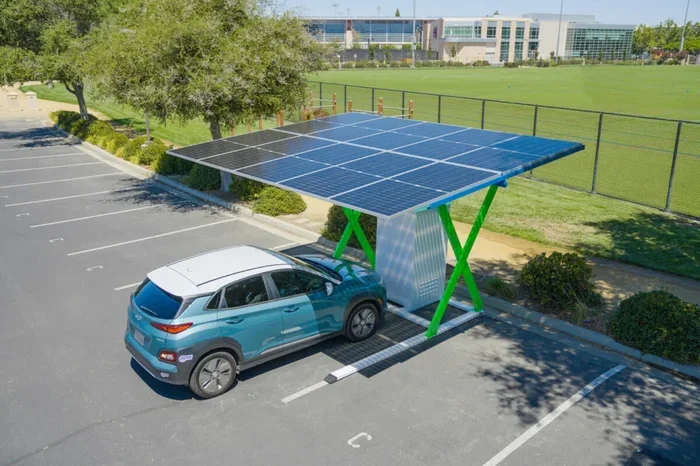
Absolutely. You can use public charging stations to charge a plug-in hybrid. These stations work just like the ones for fully electric vehicles. You can find them at shopping centers, parking garages, workplaces, and highway rest stops.
Types of Public Chargers
Not all public chargers are the same. Here is a quick breakdown:
- Level 2 public chargers are the most common. They provide a steady charge and work well for plug-in hybrids while you run errands or shop.
- DC fast chargers deliver power much faster. However, most plug-in hybrids have smaller batteries. A DC fast charger can top off a hybrid battery in 20 to 45 minutes.
- Tesla Superchargers are generally for Tesla vehicles only. But some networks now offer universal connectors that work with plug-in hybrids.
When using public stations, always check the connector type. Most plug-in hybrids use the J1772 standard plug for Level 2 charging. Make sure the station you use matches your vehicle’s port. This small detail saves time and prevents hassle.
How Much Does It Cost to Charge a Hybrid Car?
One of the biggest advantages of hybrid car charging is the low cost. Charging a plug-in hybrid at home costs just a few dollars per full charge. Compare that to filling up a gas tank every week. The savings add up fast over months and years.
Home Charging Costs
The average cost of electricity in the United States is about $0.15 per kilowatt-hour. A plug-in hybrid battery is usually between 8 and 18 kilowatt-hours. That means a full charge costs roughly $1.20 to $2.70. Some people charge their hybrid for less than a dollar per day.
Here is a simple comparison:
- Charging at home: $1 to $3 per full charge
- Charging at a public Level 2 station: $2 to $5 per session
- Filling a gas tank (average): $40 to $70 per fill-up
These numbers vary based on your local electricity rates and gas prices. But even in areas with higher electricity costs, charging a hybrid remains far cheaper than running on gas alone.
Do You Save Money in the Long Run?
Yes. Hybrid owners typically spend much less on fuel over the life of the vehicle. The fuel economy gains from electric driving add up quickly. Many plug-in hybrid owners use almost no gasoline for short daily commutes. They rely entirely on electric power for their regular trips.
What Is Regenerative Braking and How Does It Help?
Regenerative braking is one of the coolest features of hybrid technology. When you take your foot off the accelerator or press the brake pedal, the electric motor reverses its role. Instead of using energy, it generates energy. This energy flows back into the hybrid battery and recharges it.
This process is especially helpful for self-charging hybrids. These vehicles do not need any external charging at all. The electric motor and regenerative braking keep the battery topped up during normal driving. You can think of it as the car charging itself while you drive.
Quick Tip: To get the most out of regenerative braking, drive smoothly and anticipate stops. Gentle braking captures more energy than sudden stops. Over time, this habit improves your battery range and overall fuel economy.
Common Mistakes People Make When Charging a Hybrid Car
Even though charging a hybrid is simple, some mistakes can cost you time, money, or battery life. Here are the most common errors to avoid.
Using the Wrong Charging Equipment
Not all charging cables are compatible with every hybrid. Always use the cable that came with your vehicle or one approved by the manufacturer. Using a mismatched charger can damage the battery or void your warranty.
Ignoring the Manufacturer’s Guidelines
Every hybrid has specific charging recommendations. Some manufacturers suggest keeping the battery between 20 and 80 percent for daily use. Others recommend fully charging before long trips. Read your owner’s manual and follow the guidelines. This simple step extends battery life and keeps your car running smoothly.
Leaving the Car Unplugged for Too Long
If you own a plug-in hybrid, do not leave it unplugged for weeks. The hybrid battery slowly loses charge over time. Keeping it plugged in maintains battery health and ensures it is ready when you need it.
Skipping Regular Maintenance
Charging is not the only thing that keeps a hybrid running well. Regular maintenance matters too. Check the hybrid battery health, tire pressure, and brake pads on schedule. Well-maintained hybrids charge more efficiently and last longer.
Expert Insights on Hybrid Car Charging
Expert Insight: According to automotive engineers, the key to long hybrid battery life is consistency. Keep the battery charged between 20 and 80 percent for daily use. Avoid letting it drop to zero. This practice reduces stress on the battery cells and preserves performance over many years.
Expert Insight: Many hybrid owners ask whether they should charge every night. The answer depends on your driving habits. If you drive less than 30 miles per day, a nightly charge keeps the battery ready. If you drive more, a partial charge after each trip works just as well. The goal is to keep the battery healthy without overcharging.
Expert Insight: When choosing a home charger, invest in a quality Level 2 wall charger with smart features. Many modern chargers connect to your phone and let you schedule charging during off-peak electricity hours. This saves money and protects your battery at the same time.
Hybrid Car Charging: Plug-In vs. Self-Charging Compared
Not sure which hybrid type suits your lifestyle? Here is a side-by-side comparison to help you decide.
| Feature | Plug-In Hybrid | Self-Charging Hybrid |
|---|---|---|
| Needs External Charging | Yes | No |
| Battery Size | Larger (8-18 kWh) | Smaller (1-2 kWh) |
| Electric-Only Range | 20-60 miles | 1-5 miles |
| Charging Time (Home) | 2-12 hours | N/A |
| Fuel Economy | Excellent | Very Good |
| Upfront Cost | Higher | Lower |
| Charging Equipment Needed | Wall charger or outlet | None |
Both types offer great benefits. Plug-in hybrids give you the most electric driving and the lowest fuel costs. Self-charging hybrids offer simplicity with no plug required. Your daily driving habits and access to charging will help you decide which is the better fit.
Can You Charge a Hybrid Car at Work?
Many workplaces now offer charging stations for employees. If your office has a public charging spot, you can plug in during the workday. This is a great way to top off your battery without extra effort.
Some companies even install Level 2 chargers in their parking lots as an employee benefit. Check with your HR or facilities department to see if workplace charging is available. If it is not, you might suggest it. Many businesses are happy to add this feature, especially as more employees drive hybrids and electric vehicles.
How Long Does a Hybrid Battery Last?
Most hybrid batteries last between 8 and 15 years. Some last even longer with proper care. Battery life depends on several factors:
- How often you charge the battery
- Your driving habits and style
- Climate and temperature extremes
- Regular maintenance and servicing
Taking care of your battery pays off. A well-maintained hybrid battery keeps your vehicle efficient and reliable for many years. If you ever notice a drop in fuel economy or electric range, have a professional check the battery health. Catching issues early saves money and prevents bigger problems down the road.
The Future of Hybrid Car Charging
The world of hybrid car charging is evolving fast. Automakers are building bigger batteries and faster charging systems. New charging station networks are expanding across cities and highways. Wireless charging pads are also on the horizon. These innovations will make hybrid vehicle maintenance even easier and more convenient.
In the near future, more plug-in hybrids will support DC fast charging as standard. This means you can recharge on long road trips in under an hour. The line between hybrid and fully electric vehicles continues to blur. But for now, today’s hybrids offer a practical and efficient solution for most drivers.
Final Thoughts
Can you charge a hybrid car? Yes, and the process is simpler than most people think. Whether you drive a plug-in hybrid or a self-charging model, there is a charging method that fits your life. Plug-in hybrids give you the freedom to charge at home or at public stations. Self-charging hybrids handle everything on their own through regenerative braking.
The key is understanding your vehicle and choosing the right approach. Invest in a good home charger if you own a plug-in hybrid. Follow the manufacturer’s guidelines. Avoid common mistakes. And take advantage of regenerative braking to maximize efficiency. With the right habits, your hybrid will serve you well for years to come.
Start by learning your vehicle’s charging needs. Explore your home and public charging options. And enjoy the savings that come with hybrid car charging. The future of driving is cleaner, smarter, and more efficient. Your hybrid is already part of that future.
Frequently Asked Questions
Do all hybrid cars need to be plugged in to charge?
No, not all hybrids need plugging in. Self-charging hybrids and full hybrids recharge their batteries through regenerative braking and the gasoline engine. Only plug-in hybrids require an external power source to charge the battery.
Can I use a regular household outlet to charge my hybrid?
Yes, you can use a standard household outlet for Level 1 charging. This method is slow and works best for plug-in hybrids with short daily driving distances. It requires no extra equipment and comes with the car.
How long does it take to charge a plug-in hybrid at home?
Charging time depends on the charger type. Level 1 charging takes 12 to 24 hours for a full charge. Level 2 charging takes about 2 to 4 hours. The battery size and starting charge level also affect the time.
Is it cheaper to charge a hybrid than to buy gas?
Yes, charging a plug-in hybrid is significantly cheaper than buying gas. A full home charge costs around $1 to $3, while a gas fill-up averages $40 to $70. Over time, the savings on fuel can be substantial.
Can I install a home charging station myself?
It is strongly recommended to hire a licensed electrician for installation. A professional ensures the electrical circuit can handle the load and the charger is installed safely. DIY installation can be dangerous and may void your warranty.
What happens if my hybrid battery dies?
If the hybrid battery fails, the car can still run on the gasoline engine, but performance and fuel economy will drop significantly. Replacing a hybrid battery is expensive, but proper charging habits and regular maintenance can extend battery life by many years.